
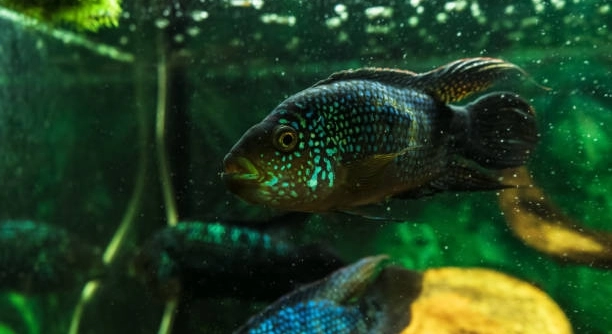
Jack Dempsey fish are known for their vibrant colors and lively personalities. Many aquarium owners enjoy watching their behaviors, especially during breeding. Observing what happens after they lay eggs reveals important insights about their parenting instincts.
After laying eggs, Jack Dempsey fish actively guard and care for their clutch. They fan the eggs to provide oxygen, remove debris, and protect them from predators. Both parents remain vigilant until the fry are ready to swim independently.
Learning how these fish protect their young helps aquarists maintain a healthy environment. Understanding their behavior ensures better care and successful breeding in home aquariums.
How Jack Dempsey Fish Protect Their Eggs
Once the eggs are laid, Jack Dempsey fish become very attentive. They carefully fan the eggs with their fins to keep water circulating, which helps the eggs get enough oxygen. Any unfertilized or dead eggs are quickly removed to prevent fungal growth. Both the male and female take turns watching over the nest, though the male often takes the lead in guarding against intruders. Their protective behavior includes chasing away other fish that come too close. The parents stay near the eggs constantly, even resting nearby but always alert. This level of care ensures that the majority of the eggs survive until they hatch. Environmental factors, such as water temperature and cleanliness, also play a role, but the parents’ attention is crucial. Watching these behaviors can be fascinating, as it shows the instinctive drive of the fish to safeguard their offspring in a confined aquarium space.
Parental care continues for several days until the eggs hatch. Both fish remain highly alert and protective.
After hatching, the fry are tiny and vulnerable. The parents continue to watch over them, often moving them to safer areas within the tank. They will chase off anything that appears threatening and may gently guide the fry to food sources. Even as the young begin swimming independently, the adults remain nearby, ensuring they are safe. Their dedication usually lasts until the fry are strong enough to survive without constant protection. Observing this behavior highlights the natural instincts Jack Dempsey fish have to maintain the survival of their young.
Feeding and Caring for the Fry
Feeding the fry requires careful attention. They need very small, nutritious food suitable for their size.
Young Jack Dempsey fish start with infusoria or liquid fry food in the first few days. As they grow, finely crushed flakes or baby brine shrimp can be introduced. It’s important to feed them several small meals daily to promote steady growth. Clean water is essential, so frequent water changes are necessary, but they should be done carefully to avoid disturbing the fry or the parents. The adults usually remain protective, but it’s helpful to provide hiding spots for the fry. Monitoring their development helps prevent overcrowding or competition for food, which can stress the young. Over a few weeks, the fry begin to grow stronger and show more independent swimming behavior. Proper care at this stage ensures they develop healthily and reduces the risk of disease or loss. Consistency, attention to water quality, and appropriate feeding are key to raising strong Jack Dempsey fry.
Common Challenges After Egg Laying
One common challenge is aggression from the parents. The male can become very territorial, and sometimes even the female may act aggressively toward the fry or other tank mates.
Overcrowding in the tank can increase stress for both the parents and the fry. Limited space makes it harder for the parents to guard effectively and can lead to fights. Poor water conditions also affect the eggs and fry, causing slower growth or higher mortality. Sometimes, inexperienced fish may eat their own eggs if they feel threatened or stressed. It is important to monitor tank conditions closely, provide hiding spots for the fry, and separate other fish to reduce stress. Observing these challenges allows for timely intervention, ensuring higher survival rates for the young Jack Dempsey fish.
Another issue is feeding competition among the fry. Stronger fry may get most of the food, leaving weaker ones undernourished. Small, frequent meals help, along with multiple feeding locations in the tank. Water changes must be gentle to avoid shocking the fry, as they are delicate. Parents usually continue to protect, but sometimes intervention is necessary if aggression or food scarcity becomes severe. Keeping the tank clean and carefully observing behavior is essential to prevent losses and ensure steady growth.
Signs of Healthy Fry
Healthy fry are active swimmers and responsive to movement in the tank. They show steady growth and start exploring their environment confidently.
Bright coloration and clear fins are signs the fry are developing well. They feed consistently and appear alert. Slow growth, faded color, or lethargy indicates stress, poor nutrition, or water problems. Maintaining stable water conditions and appropriate feeding schedules supports healthy development. Parents usually keep watch, but if signs of illness or weakness appear, immediate attention can prevent further issues. Observing their behavior closely ensures early detection of potential problems, helping the fry thrive.
Proper tank maintenance supports long-term health for the young fish. Regular water checks, careful feeding, and minimal disturbances reduce stress. Fry should have safe areas to hide and sufficient food access. Avoid overcrowding to prevent competition and aggression. Monitoring their development over the first few weeks is critical, as this is the most vulnerable stage. The parents’ protective behavior combined with attentive tank management ensures that the fry grow strong. By providing a stable, clean, and well-fed environment, the young Jack Dempsey fish are more likely to mature successfully, exhibiting natural behaviors and vibrant coloration.
How Parents Transition After Fry Swim
Once the fry begin swimming independently, the parents gradually reduce their guarding. They spend less time near the young, focusing on feeding themselves and maintaining territory.
The reduction in protection helps the fry learn independence. Parents may still chase intruders occasionally, but their constant presence is no longer required.
Environmental Factors Affecting Fry Survival
Water quality is critical for fry survival. Stable temperature, clean water, and proper filtration support growth. High ammonia or nitrite levels can quickly harm the young fish. Providing hiding spots and gentle water flow reduces stress. Tank decorations like rocks and plants offer protection while allowing exploration. Nutrition also plays a major role. Frequent small feedings of appropriate food help fry grow evenly. Observing their behavior and adjusting feeding and environment ensures better survival rates. Even minor changes in water parameters or overcrowding can impact development, making careful monitoring essential for successful rearing.
Recognizing When Fry Need Intervention
Signs of weakness or lethargy indicate immediate attention is required. Sick or slow-growing fry may need isolated care.
FAQ
How long do Jack Dempsey eggs take to hatch?
Jack Dempsey eggs typically hatch within 3 to 5 days, depending on water temperature and conditions. Warmer water speeds up development, while cooler water can slow it down. Parents remain close to the nest during this period, fanning the eggs to keep them oxygenated and free from debris.
Do both parents care for the eggs?
Yes, both parents are involved, though the male often takes the primary role in guarding. The female helps with fanning and removing unfertilized eggs, but she may be slightly less active than the male. Cooperation increases the chances of all eggs surviving.
Can I leave the parents with the fry?
You can, but monitoring is important. Once the fry are free-swimming, parents may reduce protection. In some cases, adults may eat weaker fry, so having hiding spots or a breeder box can help ensure the young survive.
What should I feed the fry?
Start with infusoria or liquid fry food for the first few days. After a week, small amounts of finely crushed flakes or baby brine shrimp can be introduced. Multiple small feedings each day work best, as the fry have tiny stomachs and need frequent meals to grow properly.
How do I know if the fry are healthy?
Healthy fry swim actively, explore their environment, and respond to movement in the tank. Bright coloration and clear fins indicate proper development. Slow growth, faded colors, or lethargy may signal stress, poor water quality, or insufficient nutrition. Immediate adjustments in care can prevent losses.
How often should I change water for the fry?
Small, frequent water changes are ideal. About 10–15% of the tank water every day or every other day works well. Avoid large changes, which can shock the fry. Always ensure the new water matches temperature and pH levels to maintain stability.
Can I mix other fish with Jack Dempsey fry?
It is not recommended. Jack Dempsey parents are protective, and other fish may stress or harm the fry. Keeping the tank species-specific during this stage is safer. If other fish are present, provide hiding areas and monitor interactions closely.
Why do parents sometimes eat their eggs?
Parents may consume eggs if they feel stressed, threatened, or if water conditions are poor. Unfertilized or fungus-infected eggs are often removed naturally. Ensuring stable water conditions, minimal disturbances, and a quiet environment reduces the risk of egg consumption.
When should I separate fry from parents?
Once the fry are larger, independent, and eating well, they can be moved to a separate tank. This prevents accidental predation and gives the fry more space to grow. Separation is usually safe after 3–4 weeks, depending on their growth and activity levels.
How can I prevent overcrowding in the fry tank?
Use multiple tanks or a breeding box if the fry numbers are high. Remove weaker or slower-growing fry carefully to avoid competition. Proper feeding and regular monitoring help ensure all fry have access to food and space for healthy development.
What is the ideal temperature for egg and fry development?
Keep water between 78–82°F (25–28°C). Temperatures outside this range slow growth or increase the risk of disease. Stable water temperature supports steady hatching and growth. Using a reliable heater and thermometer helps maintain consistency.
Can I use plants in the fry tank?
Yes, plants provide hiding spots and reduce stress. Fine-leaved plants like Java moss or floating plants work best. They also help maintain water quality by absorbing some waste, but ensure they don’t block access to feeding areas for the fry.
How do I encourage natural behavior in Jack Dempsey fry?
Provide safe areas to explore, consistent feeding, and minimal disturbances. Observing parents initially helps fry learn to respond to their environment. Avoid sudden changes in water, lighting, or tank setup to allow them to develop natural instincts safely.
What signs indicate a problem with water quality?
Cloudy water, strong odor, or dead eggs/fry are warning signs. Test for ammonia, nitrites, and pH regularly. Poor water quality can cause stress, disease, or stunted growth. Quick corrective action, like partial water changes or filtration adjustments, is essential.
Can I feed live food to the fry?
Yes, live food like baby brine shrimp is excellent for growth. It encourages natural hunting behavior and provides essential nutrients. Feed in small amounts to prevent water contamination and remove uneaten food promptly to maintain tank cleanliness.
How do I track growth in Jack Dempsey fry?
Observe size, activity, and coloration regularly. Healthy fry grow steadily and become more independent. Weaker fry may lag, so tracking allows for timely intervention. Keeping a simple log of feeding schedules, water changes, and growth helps maintain a structured care routine.
What happens after fry reach independence?
After 3–4 weeks, fry are active swimmers and self-feeding. Parental care decreases, and the young start exploring the tank more. At this point, providing sufficient space, proper nutrition, and monitoring interactions ensures they continue developing healthily into juvenile fish.
Are there common mistakes to avoid with Jack Dempsey fry?
Avoid overcrowding, sudden water changes, inconsistent feeding, and mixing aggressive tank mates. Overlooking water quality, nutrition, or protective behavior of parents can harm fry survival. Maintaining a calm, stable environment with attentive care ensures the best chance for healthy development.
How long until fry show full coloration?
It can take several months for Jack Dempsey fry to display adult coloration fully. Growth rate depends on food, water quality, and genetics. Consistent care, proper nutrition, and low stress accelerate the process, allowing the vibrant colors to emerge naturally over time.
Final Thoughts
Raising Jack Dempsey fish from eggs to independent fry can be a rewarding experience, but it requires careful attention and patience. These fish show strong parental instincts, and observing their behavior after laying eggs can teach a lot about their natural habits. From fanning the eggs to chasing away intruders, both parents play an important role in ensuring the eggs survive and hatch successfully. Providing a clean, stable environment supports these behaviors and increases the chances of a healthy batch of fry. Even small details, like maintaining proper water temperature and pH, can make a noticeable difference in survival rates. The parents’ efforts combined with consistent care from the aquarist help the fry grow into strong, active young fish capable of exploring their surroundings safely.
Once the eggs hatch, the care routine shifts slightly but remains important. The fry are tiny, delicate, and require frequent, small meals to develop properly. Infusoria, liquid fry food, and later baby brine shrimp or finely crushed flakes provide the nutrition they need. Water changes must be gentle to avoid disturbing the fry or stressing the parents. Monitoring the fry for activity, color, and growth helps identify any potential problems early. Healthy fry are active, explore their environment, and respond quickly to movement or feeding. Fry that appear lethargic or grow slowly may need extra attention or adjustments in water quality or nutrition. Creating hiding spots and providing sufficient space reduces competition and stress, allowing the young fish to thrive alongside the parents until they are strong enough to live independently.
As the fry grow, the role of the parents gradually decreases, but their initial protection remains crucial. After a few weeks, the young begin swimming independently and exploring the tank more confidently. At this point, their growth and survival depend largely on the environment, food, and careful observation. Separating the fry into a safe tank or providing areas for them to hide ensures that they are not accidentally harmed by the adults or other tank mates. With attention to water quality, feeding, and space, the fry can develop steadily, eventually showing the vibrant colors and behaviors typical of Jack Dempsey fish. Raising these fish from eggs to juveniles highlights the importance of patience, observation, and maintaining a stable habitat. The process may take time and effort, but the results are rewarding, providing healthy, active fish that display their natural beauty and lively personalities.

Hello,
If you enjoy the content that we create, please consider saying a "Thank You!" by leaving a tip.
Every little bit helps us continue crafting quality advice that supports the health, happiness, and well-being of pets around the world, for pets of all shapes, sizes, and species.
We really appreciate the kindness and support that you show us!