
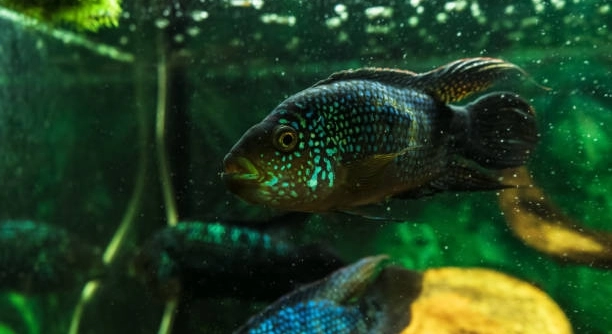
Animals and even humans often respond to changes in their surroundings by seeking shelter or hiding. Sudden shifts in light, noise, or temperature can make spaces feel unsafe or uncomfortable. These reactions are natural and instinctive responses.
Environmental changes such as loud noises, sudden temperature drops, unfamiliar smells, crowded spaces, bright lights, altered furniture arrangements, and new objects can trigger hiding behaviors. These factors can increase stress levels and induce instinctive protective responses in living beings.
Recognizing these triggers helps create a calmer and safer environment. Understanding how surroundings affect behavior is key to supporting comfort and well-being effectively.
Loud Noises
Sudden or persistent loud noises can make anyone feel uneasy, but animals are often more sensitive. Fireworks, construction, or even a blaring TV can trigger a need to hide. When these sounds occur, the body reacts instinctively with stress hormones, raising alertness and prompting protective behaviors. Hiding becomes a way to feel safer, especially when there is no clear escape route. Some animals may freeze in place, while others seek corners, under furniture, or enclosed spaces. Even small, unexpected sounds can be enough to cause anxiety over time. Repeated exposure without proper support can make hiding a consistent response. Observing how a pet or household member reacts to noise helps identify patterns. Adjusting the environment by adding sound barriers, white noise, or quiet time can reduce these reactions. Over time, careful exposure and comfort measures can help reduce the intensity of hiding behaviors and improve overall confidence.
Loud noises can trigger immediate stress responses in sensitive beings, making hiding a primary instinctive reaction to perceived danger or disturbance.
Minimizing sudden loud sounds and creating safe spaces can help reduce fear and stress. Observing reactions guides better adjustments.
Changes in Light
Bright lights or sudden changes in lighting can startle animals. Shadows, reflections, or flickering lights can feel unpredictable and threatening. Some pets, like cats or small mammals, may retreat to darker areas to regain comfort. Even humans can feel uneasy under harsh lighting, especially if it contrasts sharply with familiar surroundings. Gradual changes, dimming lights, or using softer lamps can make a significant difference in reducing stress. Recognizing how lighting affects behavior allows you to plan spaces that feel safe and predictable. Small adjustments in window coverings, lamp placement, or timing of outdoor lights can help animals feel more secure. These changes may seem minor, but they influence how often hiding occurs. Over time, consistent lighting and low-stress environments can encourage confidence and reduce unnecessary retreats.
Sudden lighting shifts can provoke hiding, as beings instinctively seek dim or safe areas to feel secure.
Managing light intensity and timing helps reduce hiding behaviors. Observing reactions allows you to create predictable, comforting spaces for pets or household members. Consistency in lighting supports calmness and confidence. Gradual exposure and gentle adjustments also teach that the environment is safe, helping reduce avoidance behaviors over weeks or months. Small, thoughtful lighting changes contribute to overall well-being and create a more harmonious living space. When lighting is predictable and gentle, stress responses decrease, and hiding becomes less frequent. This approach works for indoor spaces and outdoor areas where shadows or artificial lights may cause concern. By prioritizing comfort and stability, you can make hiding a less common reaction, allowing natural curiosity and daily routines to flourish without unnecessary fear.
Unfamiliar Smells
New or strong odors can make animals uneasy and prompt hiding. Scents from cleaning products, perfumes, or other animals can feel threatening or overwhelming. Retreating to a quiet space helps them feel safer until the scent becomes less noticeable.
Animals rely heavily on smell to understand their surroundings. When they encounter unfamiliar odors, it can signal potential danger. Even subtle changes, like a new candle or a visitor’s scent, may trigger retreating behaviors. Hiding becomes a natural coping method to regain a sense of control and safety. Over time, repeated exposure in a calm setting can help reduce anxiety. Consistently offering safe spaces allows them to adjust at their own pace, building confidence.
Introducing new scents slowly can make hiding less frequent. Allowing animals to explore at their own pace reduces stress. Observing reactions helps manage and adjust the environment effectively. Familiar scents and predictable routines contribute to comfort, making spaces feel safer. Even small, positive interactions with new smells can encourage curiosity rather than retreat. Maintaining a calm environment and monitoring reactions ensures gradual adaptation.
Crowded Spaces
Too many people or animals in a room can overwhelm anyone sensitive to their environment. Limited space reduces comfort and increases the urge to hide for personal security.
In crowded settings, stress levels rise because movement and noise are harder to predict. Animals may retreat to corners, under furniture, or quieter rooms to regain a sense of safety. Pets like cats and small mammals are especially prone to seeking seclusion in tight or crowded spaces. Even brief exposure can create stress, while repeated overcrowding may reinforce hiding behavior. It’s helpful to create zones with fewer disturbances where they can relax without interference. Gradually increasing exposure while providing comfort supports confidence and reduces retreating responses.
Providing structured areas in the home or limiting crowding during gatherings helps manage stress. Predictable spaces where animals feel safe can reduce hiding. Observing reactions allows adjustments in timing, placement, and interaction. Creating consistent routines in shared spaces ensures animals know when and where it’s safe to be present. Over time, careful management of crowded environments helps reduce anxiety-driven hiding and supports positive interactions. Controlled exposure also teaches them that being around others can be safe and manageable, improving comfort and trust.
Bright Lights
Sudden or harsh lighting can startle sensitive animals and prompt hiding. Overhead lights, sunlight glare, or flickering sources may feel unpredictable, making darker areas more appealing for safety and calm.
Adjusting light levels gradually or using softer lamps can reduce stress. Pets may feel more comfortable in dim corners until they adjust.
Altered Furniture Arrangements
Moving furniture can make familiar spaces feel unfamiliar and confusing. Animals may retreat to safe corners until they feel confident navigating the area again. Changes to pathways, hiding spots, or resting areas often trigger temporary hiding behaviors. Familiarity is key for comfort.
New Objects
Introducing new items into a home can trigger hiding. Animals may feel uncertain about unfamiliar objects and seek shelter until they feel safe. Observing reactions allows better placement and adjustment to minimize stress.
Why does my pet hide when there are loud noises?
Pets have a heightened sense of hearing compared to humans, making sudden sounds more intense and alarming. Fireworks, thunder, or construction can feel threatening, triggering a natural stress response. Hiding allows them to feel safer and reduces exposure to the overwhelming stimulus. This is an instinctive protective behavior.
How can I help my pet feel safe during loud events?
Creating a quiet, enclosed space with soft bedding can help pets feel secure. White noise machines or background music may buffer sudden sounds. Staying calm and avoiding punishment for hiding reassures them. Gradual exposure over time can also help reduce anxiety associated with noises.
Why do animals retreat when furniture or room layouts change?
Pets rely on familiar landmarks for orientation. Moving furniture or introducing new pathways can make spaces feel unfamiliar and confusing. Hiding allows them to regain a sense of safety and assess changes at their own pace. Gradually reintroducing areas helps rebuild confidence.
Do new objects in the home always trigger hiding?
Not always, but many animals are cautious of unfamiliar items. New objects may be perceived as potential threats until they are explored safely. Providing a calm environment and allowing animals to investigate on their own schedule reduces stress and encourages curiosity instead of fear.
Can lighting affect hiding behaviors?
Yes, sudden bright lights or changes in lighting can be startling. Pets may retreat to dim or shaded areas until they feel comfortable. Using softer lights or gradual changes in illumination helps animals feel more secure and reduces hiding tendencies.
Are strong or unfamiliar smells a reason for hiding?
Yes, smell is a primary way animals interpret their environment. New scents from cleaning products, visitors, or other pets can signal danger or uncertainty. Hiding gives them time to adjust and feel safe. Slowly introducing new smells and maintaining familiar scents helps reduce stress.
Does crowding increase hiding behaviors?
Crowded spaces can overwhelm animals, raising stress levels and prompting retreat. Limited personal space makes them feel vulnerable, especially in multi-pet households or busy social settings. Providing quiet zones or separating animals during gatherings allows them to relax and regain confidence.
Can repeated exposure to triggers reduce hiding?
Yes, gradual, controlled exposure to triggers like noises, lights, or new objects can help animals adapt. Pairing exposure with positive reinforcement and safe spaces builds confidence. Over time, hiding may become less frequent as the environment feels predictable and secure.
How can I identify if hiding is due to stress or illness?
Stress-related hiding usually follows environmental changes, noises, or disruptions. Hiding due to illness may come with other signs, such as lethargy, loss of appetite, or unusual behaviors. Monitoring patterns and consulting a veterinarian if symptoms persist ensures both health and comfort are addressed.
Is hiding always a negative behavior?
Not necessarily. Hiding is a natural coping mechanism that helps animals feel safe. It allows them to manage stress, avoid potential threats, and regulate their environment. Understanding the triggers and providing supportive spaces ensures that hiding remains a healthy and temporary response rather than a persistent problem.
How can I make my home more comfortable to prevent hiding?
Providing predictable routines, safe resting areas, and gradual introductions to changes helps animals feel secure. Minimizing loud noises, harsh lighting, and strong smells reduces stress. Observing behavior and adjusting the environment ensures comfort, making hiding less frequent while supporting well-being.
Can human behavior influence hiding habits?
Yes, calm and predictable human interactions reassure animals. Sudden movements, loud voices, or inconsistent handling can increase hiding. Spending time quietly, respecting personal space, and allowing animals to approach on their own terms encourages confidence and reduces retreat behaviors.
What are signs that hiding is becoming a problem?
Frequent or prolonged hiding that interferes with daily activities may indicate excessive stress, anxiety, or health issues. Difficulty accessing food, water, or social interaction requires attention. Identifying triggers and consulting professionals ensures the behavior is managed appropriately.
Does hiding vary by animal type?
Yes, species and individual personalities affect hiding tendencies. Cats, small mammals, and birds may hide more readily, while dogs may show subtler cues. Understanding species-specific behaviors and preferences helps in creating suitable environments and reducing stress-induced hiding.
How long does it take for an animal to adjust to environmental changes?
Adjustment times vary depending on the animal, the type of change, and the support provided. Some may adapt within days, while others take weeks. Providing safe spaces, consistent routines, and gentle exposure accelerates adaptation and reduces hiding over time.
Can I prevent hiding entirely?
Completely preventing hiding is unrealistic and unnecessary. Hiding is a natural, protective response. The goal is to reduce stress triggers, provide comfort, and create predictable environments so hiding occurs less frequently and remains a healthy coping behavior.
Are there tools that can help reduce hiding?
Safe shelters, soft bedding, white noise, calming scents, and structured routines all help reduce hiding. Environmental adjustments tailored to the animal’s needs, along with observation and patience, support confidence and minimize stress-induced retreats.
What is the most important factor in reducing hiding behavior?
Consistency and understanding are key. Predictable routines, gradual introductions to changes, and safe spaces empower animals. Observing reactions and responding appropriately ensures they feel secure, building trust and reducing the need to hide unnecessarily.
How can observation improve hiding management?
Careful observation helps identify specific triggers, timing, and preferred safe areas. This information allows targeted environmental adjustments, such as moving objects, adjusting lighting, or providing quiet zones, which significantly reduces stress and hiding incidents over time.
Can socialization influence hiding tendencies?
Yes, gradual and positive socialization can reduce hiding. Exposure to people, pets, and new experiences in a controlled, calm manner builds confidence. Encouraging safe exploration while respecting boundaries ensures animals feel secure, minimizing stress-related retreats.
Is it normal for hiding behavior to return occasionally?
Yes, even well-adjusted animals may hide during sudden changes, illness, or stressful events. Occasional hiding is natural and does not necessarily indicate a problem. Providing consistent support ensures these instances remain temporary and manageable.
How does age affect hiding behavior?
Young or elderly animals may hide more frequently. Young animals are learning about their environment and may feel uncertain, while older animals may experience sensory decline or health issues. Adapting spaces for age-related needs reduces stress and hiding incidents.
Can diet or health influence hiding?
Yes, illness, discomfort, or nutritional deficiencies can increase hiding behaviors. Animals may retreat to cope with pain or weakness. Regular veterinary care, proper nutrition, and monitoring changes in behavior help ensure hiding is related to environment, not health concerns.
How can I gradually reduce hiding without forcing exposure?
Offer safe spaces near the source of stress, allow voluntary exploration, and provide positive reinforcement. Gradually reduce barriers while ensuring comfort. Patience and consistency teach animals that the environment is safe, helping them emerge more confidently over time.
Is it helpful to create multiple safe spaces?
Yes, having several quiet and sheltered areas allows animals to choose where they feel most comfortable. This flexibility reduces stress, encourages exploration at their own pace, and makes hiding a temporary coping tool rather than a persistent behavior.
Does routine help prevent hiding?
Yes, predictable daily routines reduce anxiety. Consistent feeding times, quiet periods, and familiar pathways make the environment feel safe. Routine allows animals to anticipate events, lowering the likelihood of retreating in response to unexpected changes.
Can stress from other pets cause hiding?
Yes, tension from other animals can increase hiding. Dominance, unfamiliarity, or sudden interactions may prompt retreat. Providing separate areas, gradual introductions, and supervision helps reduce stress and supports harmonious interactions between pets.
Are there signs that hiding is linked to fear rather than preference?
Hiding due to fear is often accompanied by other stress signals such as trembling, flattened ears, or avoidance of interaction. Preference-based hiding is more relaxed, without signs of anxiety. Recognizing these differences ensures appropriate responses and environmental adjustments.
Does environment enrichment reduce hiding?
Yes, providing toys, climbing structures, and stimulating activities encourages confidence and exploration. Engaging animals mentally and physically reduces anxiety, making hiding less frequent while supporting overall well-being.
Is it normal for hiding behavior to change over time?
Yes, as animals age, adapt to their environment, or experience different stressors, hiding tendencies can increase or decrease. Observing changes allows proactive adjustments to maintain comfort and reduce stress-induced retreats.
Can professional guidance help manage hiding?
Behaviorists or veterinarians can provide strategies tailored to specific animals and situations. Professional input helps identify underlying causes, adjust environments, and implement gradual exposure techniques to reduce stress-related hiding effectively.
Does hiding indicate a lack of trust?
Not necessarily. Hiding is often a natural coping mechanism rather than a reflection of trust. Providing safe spaces, patience, and predictable routines encourages confidence and strengthens trust over time.
How important is patience in reducing hiding?
Patience is critical. Forcing exposure can worsen anxiety, while allowing gradual adjustment helps animals feel secure. Consistent, calm support over time builds confidence and reduces hiding behaviors.
Can noise-canceling solutions help prevent hiding?
Yes, sound-dampening materials, white noise, and quiet periods help reduce stress from sudden or persistent noises. These measures make environments feel safer and decrease the frequency of hiding responses.
Does social hierarchy among pets influence hiding?
Yes, animals lower in the hierarchy may hide to avoid conflict. Providing individual safe spaces ensures all pets feel secure and reduces stress-induced retreat behaviors.
How do weather changes affect hiding?
Storms, strong winds, or sudden temperature shifts can increase hiding. Animals sense changes in air pressure or temperature, prompting retreat for safety. Safe shelters and monitoring reactions help reduce stress during weather events.
Are hiding tendencies hereditary?
Some traits, like sensitivity or cautiousness, can be inherited. Breeds or lineages with higher anxiety may hide more readily. Understanding predispositions allows better environmental planning and stress reduction.
Can interactive play reduce hiding?
Yes, engaging animals with play stimulates confidence and encourages exploration. Positive experiences reinforce safety, making hiding less necessary. Structured, calm play helps reduce anxiety and supports behavioral development.
Is it normal for hiding to be seasonal?
Yes, certain times of year may bring more triggers, like fireworks during holidays or storms in winter. Seasonal adjustments to lighting, noise, and safe spaces help reduce stress-related retreats.
Can training reduce hiding?
Positive reinforcement training encourages animals to face minor stressors confidently. Gradual exposure paired with rewards builds resilience, helping hiding occur less often while maintaining natural coping mechanisms.
Does the type of pet affect hiding strategies?
Yes, cats, dogs, rabbits, and small mammals respond differently. Strategies must align with species-specific behavior, space needs, and sensory sensitivities. Observing reactions ensures tailored approaches that reduce stress effectively.
Can hiding affect social interaction?
Frequent hiding may limit social engagement. Providing safe opportunities for interaction, respecting boundaries, and encouraging confidence gradually helps animals participate without feeling threatened.
Is hiding linked to anxiety disorders?
Persistent hiding beyond environmental triggers may indicate underlying anxiety. Professional evaluation helps distinguish between normal coping behaviors and behavioral disorders, ensuring appropriate interventions.
How can I track progress in reducing hiding?
Keeping notes on triggers, frequency, and duration helps monitor improvement. Gradual reduction indicates successful adaptation, while ongoing stress may require environmental or professional adjustments.
Are there calming aids that help?
Calming pheromones, soft bedding, or quiet retreats reduce anxiety. These tools complement environmental adjustments, supporting comfort and confidence while minimizing hiding.
Does routine veterinary care impact hiding?
Regular check-ups ensure that hiding isn’t linked to illness or discomfort. Healthy animals adjust more easily to environmental changes, reducing stress-related retreats.
Can hiding ever become dangerous?
Yes, if animals hide in unsafe areas or restrict access to food and water. Monitoring behavior and providing safe alternatives prevents potential harm.
Is it normal for hiding behavior to vary by time of day?
Yes, animals may hide more during noisy or active periods. Providing quiet spaces during peak activity reduces stress and encourages relaxation.
How do I encourage exploration without forcing exposure?
Place safe objects nearby, offer treats, and allow voluntary interaction. Gradual encouragement paired with positive reinforcement builds confidence while respecting natural coping behaviors.
Can multiple stressors increase hiding frequency?
Yes, combined triggers like noise, new objects, and unfamiliar scents amplify stress. Reducing exposure and addressing each factor individually helps manage hiding effectively.
Does aging increase hiding tendencies?
Older animals may hide more due to sensory decline, discomfort, or reduced mobility. Providing accessible safe spaces and consistent routines helps them feel secure and reduces stress-induced retreats.
Are hiding patterns consistent across different environments?
Not always. Animals may feel secure in one environment but hide in another due to unfamiliarity, noise, or layout differences. Observing behavior across spaces helps tailor comfort strategies.
Can enrichment reduce hiding caused by boredom?
Yes, providing toys, climbing areas, or interactive activities keeps animals engaged, reducing stress and unnecessary retreat. Mental and physical stimulation encourages confidence and exploration.
Is gradual desensitization effective for all types of hiding?
Yes, controlled exposure with patience and positive reinforcement reduces stress-related hiding. The approach may vary by species, temperament, and trigger, but consistent practice encourages confidence and minimizes retreats.
Can stress from owners influence hiding?
Yes, anxious or unpredictable behavior from humans can increase stress. Calm, consistent interactions help pets feel safe, reducing hiding behaviors.
How important is observation in managing hiding?
Observation identifies triggers, preferred safe spaces, and stress levels. This information allows tailored adjustments, improving comfort and reducing retreat behaviors over time.
Do seasonal decorations affect hiding?
Yes, new decorations may introduce unfamiliar sights, sounds, or smells. Gradual introduction and allowing exploration at their own pace reduce stress and minimize hiding responses.
Are there signs hiding is due to curiosity rather than fear?
Animals exploring quietly, observing, or returning to familiar spaces voluntarily may hide out of curiosity. Fear-driven hiding is usually accompanied by tense body language, avoidance, or stress signals.
Can hiding indicate the need for more space?
Yes, insufficient space may prompt retreat. Providing additional quiet zones, vertical areas, or shelters ensures animals feel safe and reduces stress-related hiding.
Does temperature affect hiding?
Extreme heat or cold can increase hiding. Animals seek shaded or insulated areas for comfort. Maintaining stable temperatures and accessible shelters helps reduce stress and promotes well-being.
Can interactive feeding reduce hiding?
Yes, puzzle feeders or treat games encourage exploration and confidence. Engaging animals mentally and physically reduces anxiety, making hiding less frequent.
Are there specific breeds more prone to hiding?
Certain breeds may have heightened sensitivity or cautious temperaments. Recognizing these traits helps plan environments and management strategies to minimize stress-induced retreats.
Can hiding be a sign of overstimulation?
Yes, too much activity, noise, or interaction can trigger retreat. Quiet breaks and controlled stimulation help animals feel secure and prevent excessive hiding.
Does scent familiarity reduce hiding?
Yes, maintaining familiar scents from bedding, toys, or owner belongings reassures animals. Familiar smells create predictability and reduce stress-induced retreats.
Can hiding be a learned behavior?
Yes, animals may learn that retreating reduces exposure to stressors. Positive reinforcement for exploration and safe exposure helps modify this behavior over time.
Is it normal for hiding frequency to change over time?
Yes, adaptation, age, environmental changes, and social dynamics influence hiding. Monitoring behavior allows proactive adjustments to maintain comfort and reduce stress.
Can hiding indicate emotional well-being?
Hiding is a coping mechanism that reflects stress or comfort levels. Understanding triggers and providing supportive environments helps maintain emotional well-being and reduces unnecessary retreat.
Do changes in routine affect hiding?
Yes, disruptions in feeding, activity, or interaction times can increase stress. Consistent routines help animals feel secure and reduce hiding behaviors.
Are there environmental adjustments that work universally?
While individual needs vary, safe spaces, quiet zones, predictable routines, and gradual exposure to changes generally reduce stress-induced hiding across species.
Can hiding be a positive sign?
Yes, it shows animals are using natural coping mechanisms to manage stress. Proper support ensures hiding remains healthy and temporary rather than a persistent problem.
Is hiding always visible to humans?
Not always. Animals may seek small or hidden spaces, making it easy to miss. Observing subtle signs, like body posture or movement, helps identify stress-related retreat.
Does interaction style affect hiding?
Yes, calm, gentle, and predictable interaction encourages confidence. Sudden or rough handling may increase hiding tendencies. Positive, patient engagement reduces stress-induced retreat.
Can hiding become a habit?
Yes, repeated exposure to stressors without relief may reinforce hiding as a default response. Addressing triggers and providing consistent safe spaces helps break the habit over time.
How do I differentiate between hiding for comfort and hiding from stress?
Comfort-based hiding is relaxed, in familiar spaces, and temporary. Stress-based hiding involves tense posture, avoidance, and longer retreats. Monitoring context and behavior helps distinguish the reasons for hiding and inform management strategies.
Can music or calming sounds help reduce hiding?
Yes, gentle music or white noise can buffer sudden sounds, making the environment feel safer. This reduces stress responses and the frequency of hiding behaviors.
Does hiding behavior differ between indoor and outdoor environments?
Yes, outdoor environments may introduce additional triggers like wildlife, weather, or unfamiliar humans. Providing sheltered, quiet areas outdoors reduces stress and supports safer exploration.
Can hiding indicate sensory sensitivity?
Yes, heightened sensitivity to light, sound, or touch often leads to retreat. Identifying triggers and adjusting the environment supports comfort and reduces unnecessary hiding.
Is gradual exposure to triggers better than sudden exposure?
Yes, controlled, step-by-step exposure paired with safe spaces and positive reinforcement helps animals build confidence and reduces stress-induced hiding more effectively than abrupt exposure.
Does hiding affect physical health?
Frequent hiding may limit activity, social interaction, or access to food and water. Providing accessible, safe areas ensures physical needs are met while reducing stress.
Can enrichment replace hiding as a coping mechanism?
Enrichment encourages mental stimulation, confidence, and exploration. While it doesn’t eliminate hiding entirely, it reduces stress-related retreats and promotes positive coping behaviors.
Are there long-term strategies to manage hiding?
Yes, consistent routines, environmental adjustments, gradual exposure to triggers, enrichment, and calm interactions support long-term reduction in hiding. Observation and patience are key to sustainable results.
How do I know if hiding is improving?
Monitoring frequency, duration, and context of hiding provides insight. Gradual reduction, increased exploration, and relaxed behavior indicate positive progress. Adjusting strategies as needed ensures continued improvement in comfort and confidence.
Does social support reduce hiding?
Yes, calm, supportive presence from humans or compatible animals reassures pets. Providing comfort while respecting boundaries encourages confidence and reduces stress-induced hiding behaviors.
Can hiding indicate emotional resilience?
Hiding is a natural coping mechanism that reflects an ability
Environmental changes can significantly influence behavior, especially in animals and sensitive individuals. Hiding is a natural response that helps cope with stress, discomfort, or uncertainty. Sudden noises, bright lights, new objects, or changes in furniture and room layouts can make familiar spaces feel unpredictable. Retreating to a safe corner or quiet area allows the body and mind to manage stress while maintaining a sense of control. These behaviors are instinctive and often temporary, providing a way to handle environmental pressures safely without causing harm. Understanding that hiding is a normal coping mechanism helps in responding calmly and appropriately, rather than interpreting it as misbehavior or avoidance.
Creating a stable and predictable environment is key to reducing hiding caused by stress. Simple adjustments like consistent lighting, safe resting areas, gradual introductions of new objects, and quiet spaces can make a big difference. Providing areas where animals or household members feel secure allows them to explore or re-engage at their own pace. Gradual exposure to triggers combined with positive reinforcement encourages confidence and reduces unnecessary retreating over time. Observing reactions carefully helps identify which environmental changes are most stressful and allows for targeted adjustments. Even small changes in routine or space can influence comfort, so paying attention to these details is important. Consistency and patience support long-term well-being, helping to minimize hiding while respecting natural coping behaviors.
Hiding can also be a helpful indicator of comfort and stress levels. Frequent or prolonged hiding may signal that certain environmental factors need attention, such as noise, crowding, or sudden changes. By providing supportive spaces and observing patterns, it is possible to improve overall comfort and reduce anxiety. Environmental enrichment, predictable routines, and calm interactions all contribute to a safer, more reassuring atmosphere. Hiding does not have to be seen as a problem but rather as a communication tool indicating how an individual experiences their environment. Supporting natural coping strategies while minimizing stressors creates a balanced space where confidence and comfort can grow. Over time, thoughtful adjustments to the environment allow hiding to remain a healthy, temporary response instead of a frequent necessity.

Hello,
If you enjoy the content that we create, please consider saying a "Thank You!" by leaving a tip.
Every little bit helps us continue crafting quality advice that supports the health, happiness, and well-being of pets around the world, for pets of all shapes, sizes, and species.
We really appreciate the kindness and support that you show us!