
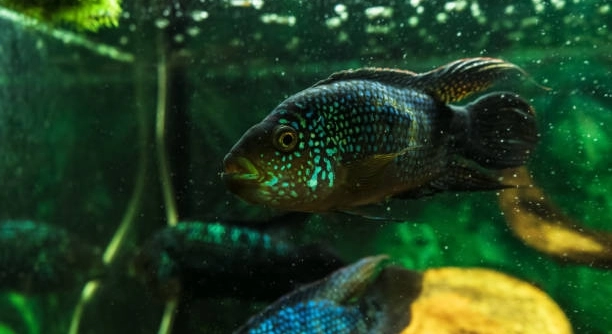
Do you ever find yourself imagining what a champion like Jack Dempsey does after a grueling fight, especially when he wants to relax and unwind? Fishing offers him a way to recover while enjoying nature’s calm.
Helping Jack Dempsey fish after a fight requires practical strategies that support his physical recovery and mental relaxation. Simple adjustments to equipment, pacing, and technique can enhance his comfort and efficiency, ensuring a restorative and safe fishing experience.
Knowing the right approach can make all the difference for his post-fight routine. These tips will guide you through every helpful step.
Choosing the Right Fishing Spot
After a fight, Jack Dempsey needs a location that allows him to relax without straining himself. Calm waters with easy access reduce unnecessary walking and carrying of heavy gear. Lakes or slow-moving rivers are ideal. Avoid crowded areas where distractions or sudden movements could cause stress or require quick reactions. A shaded spot also helps him avoid direct sun, which can add fatigue. Picking a spot with a nearby place to sit or lean will let him rest between casts. Gentle current areas provide a chance for steady fishing without constant adjustments. Observing water activity, like ripples or small fish movement, helps him focus on fishing rather than exerting extra effort searching for the right spot. This approach ensures he stays comfortable while still enjoying the process. Planning ahead for accessibility, shade, and minimal strain is key to keeping the experience restorative and calm.
Even minor adjustments to location can significantly improve comfort. Simple observation of surroundings ensures easier and safer fishing.
A quiet, accessible spot also encourages mental relaxation, letting him focus on the rhythm of casting and reeling. Reducing physical strain prevents soreness or aggravating any post-fight fatigue. Comfortable seating, natural shade, and easy access to water allow longer periods of fishing without interruptions. Jack can concentrate on techniques and enjoyment instead of energy management. Calm waters make spotting fish easier, and slower currents reduce the risk of losing gear or balance. Preparing the area with necessary equipment nearby limits unnecessary movement, conserving energy. Choosing the right spot contributes to both his physical recovery and mental clarity, enhancing the overall experience.
Using the Proper Gear
Selecting lighter rods and reels minimizes strain on his arms and shoulders. This adjustment is especially important after a fight when muscles may feel tight or fatigued. Gear that matches his strength and energy levels ensures longer fishing sessions without discomfort. Lines that are easy to handle reduce unnecessary tugs, and simple hooks or lures avoid complicated setups. Comfortable handles and grips prevent blisters or slipping, making casting smoother and less tiring. Organizing equipment in a small, portable tackle box allows quick access without extra bending or heavy lifting. Wearing supportive clothing and gloves can improve grip and prevent strain. Proper footwear ensures balance on wet or uneven surfaces, reducing the risk of slips. Preparing gear ahead of time allows him to focus on fishing calmly instead of worrying about adjustments during the session. Selecting equipment with recovery and ease in mind supports a safe and enjoyable outing.
Careful gear choices prevent fatigue and enhance control. Lightweight, supportive tools make fishing simpler and more enjoyable.
Lighter, ergonomic equipment not only reduces physical effort but also boosts confidence in handling fish. By minimizing the need for repetitive force, Jack can avoid overexertion. Properly matched rods and reels allow smoother casts and better control when reeling in a catch. Accessories like simple lures or pre-tied hooks save time and reduce frustration. Organized tackle boxes and accessible storage limit unnecessary movements, keeping energy levels steady. Comfortable gloves, grips, and footwear prevent minor injuries or strain. These adjustments create a safer and more pleasant environment for fishing, helping him focus on the calming rhythm and subtle enjoyment of the experience. Gear considerations directly affect recovery, making the outing both efficient and restorative.
Timing Your Fishing Sessions
Shorter sessions prevent exhaustion and allow him to recover gradually. Choosing times when the sun is lower reduces heat stress and energy loss.
Spacing sessions throughout the day ensures consistent energy. Early mornings or late afternoons are ideal for calmer waters. Limiting time to a few hours prevents overexertion and helps maintain focus. This approach also allows for breaks to rest, hydrate, and adjust gear. Planning around energy levels and daylight enhances efficiency, making the experience both safe and enjoyable. Post-fight recovery benefits from mindful scheduling, letting him enjoy fishing without pushing physical limits.
Careful timing also improves catch chances. Fish are more active during cooler periods, making shorter sessions productive. By aligning activity with natural patterns, he can fish effectively while minimizing strain. Regular breaks support muscle recovery, and planning ahead prevents fatigue from interrupting enjoyment. Managing session length ensures both safety and relaxation, letting him focus on fishing rather than physical discomfort. This method combines efficiency, comfort, and recovery for a more rewarding experience.
Preparing Snacks and Hydration
Keeping water and light snacks nearby prevents energy drops and dehydration. Easy-to-eat options like fruit or nuts reduce effort.
Proper hydration is essential for maintaining focus and preventing fatigue. Water or electrolyte drinks support muscle recovery and stamina during fishing sessions. Simple, portable snacks provide quick energy without interrupting activity. Preparing a small cooler or bag ensures everything is within reach, avoiding unnecessary walking or bending. Staying nourished allows him to fish longer while conserving strength. Thoughtful preparation contributes to overall comfort, letting him enjoy the process without stress or interruptions.
Snacks and hydration also improve mood and patience. When energy levels drop, even small refreshments can make a noticeable difference in alertness and enjoyment. Selecting easy-to-eat, non-messy foods prevents distractions and allows continuous fishing. Maintaining fluid intake prevents cramps and dizziness, supporting both safety and comfort. Regularly sipping water or eating light snacks keeps his body steady, helping him focus on technique and observation rather than fatigue. This preparation ensures he stays comfortable and productive during the session.
Wearing Comfortable Clothing
Loose, breathable clothing helps Jack move freely and stay cool during fishing. Layers allow adjustments for changing temperatures and sun exposure.
Comfortable footwear with good grip prevents slips on wet or uneven surfaces. Socks that wick moisture keep feet dry and reduce discomfort.
Stretching Before Fishing
Gentle stretches before casting reduce muscle stiffness and improve flexibility. Focusing on arms, shoulders, and back helps prevent strain. Warm-ups prepare his body for repetitive movements, allowing smoother casting and reeling. Stretching also supports recovery, keeping muscles loose and reducing post-fight soreness. Consistent stretching promotes endurance and comfort.
Keeping Gear Within Reach
Organizing tackle and equipment nearby saves energy and minimizes unnecessary movement. Everything should be easy to access while seated or standing.
FAQ
How long should Jack fish after a fight?
The length of his fishing session depends on his energy and recovery needs. Short sessions of one to two hours are often ideal, allowing him to enjoy fishing without overexerting his muscles. Taking breaks during this time helps maintain focus and prevents fatigue.
What type of bait works best?
Simple, easy-to-handle bait is best. Worms, small lures, or pre-packaged bait reduce the need for complicated setups. Using manageable bait helps him fish efficiently without straining his hands or wrists, which may be sensitive after a fight.
Should he fish alone or with someone?
Fishing alone can be relaxing and quiet, helping mental recovery. However, having someone nearby can assist with carrying gear, handling fish, or adjusting equipment, making the experience easier and safer if needed.
How should he carry his gear?
Lightweight, organized tackle boxes or backpacks are ideal. Keeping everything within reach minimizes bending, lifting, or walking unnecessarily. Straps and compartments designed for comfort reduce strain on his back and shoulders.
Is casting technique important post-fight?
Yes, gentle and controlled casting prevents overusing tired muscles. Avoiding heavy or rapid motions protects arms, shoulders, and wrists. Using a smoother, slower cast helps conserve energy and reduces the risk of injury.
What is the best clothing for post-fight fishing?
Loose, breathable layers work best. Comfortable shoes with grip prevent slips. Gloves can help with grip and protect hands while handling fish or equipment. Dressing in layers allows him to adjust for temperature changes and sun exposure.
How often should he hydrate and eat snacks?
Regular sips of water or electrolyte drinks are important, ideally every 20–30 minutes. Light snacks like nuts or fruit every hour help maintain energy and prevent sudden drops in stamina, supporting longer, more comfortable sessions.
Should he plan for sun exposure?
Yes, avoiding peak sun hours is ideal. Hats, sunglasses, and sunscreen protect the skin and reduce heat stress. Choosing shaded areas or fishing during early morning or late afternoon helps him stay cooler and more comfortable.
How can he stay safe on slippery surfaces?
Proper footwear with traction is key. Avoid leaning too far over edges or slippery rocks. Using a stable chair or support when needed reduces risk. Planning the fishing spot around easy access points ensures he stays safe while fishing.
Is it necessary to stretch after fishing?
Yes, light stretches after fishing help relax muscles, especially arms, shoulders, and back. This prevents stiffness and promotes recovery, keeping him ready for future sessions. Stretching before and after fishing supports comfort, endurance, and overall muscle health.
Can he adjust fishing times based on energy levels?
Absolutely. Shorter sessions in the morning and late afternoon work best. Adjusting based on how he feels ensures he does not overextend himself while still enjoying the activity. Flexible scheduling promotes recovery and makes fishing more enjoyable.
What should he do if he feels pain while fishing?
Stop immediately and rest. Reassess posture, gear, and technique to reduce strain. If discomfort persists, pause fishing and consider gentle stretching or adjusting the session length. Listening to his body is critical for safe, post-fight recovery.
How can he reduce fatigue during fishing?
Keeping sessions short, using light gear, sitting when possible, and staying hydrated all help. Planning breaks and keeping everything within reach reduces unnecessary movement and conserves energy, making the session more productive and enjoyable.
Is it important to organize gear before fishing?
Yes, preparation saves effort during the session. Knowing where lures, hooks, and bait are allows him to fish smoothly without repeated bending or searching. Organized gear supports efficiency and reduces strain.
What’s the ideal environment for post-fight fishing?
Calm waters with minimal currents are best. Areas with shade, seating, and easy access reduce stress and fatigue. Avoiding crowded or noisy locations helps him stay relaxed and focused, supporting both mental and physical recovery.
Should he vary fishing techniques after a fight?
Yes, using simpler techniques reduces exertion. Focus on smooth casting, minimal reeling, and patient observation. Avoiding repetitive, high-force motions preserves energy while maintaining effectiveness. Simple, deliberate methods work best during recovery.
How can he track his progress?
Keeping a small log of session length, catches, and energy levels helps adjust future outings. Tracking hydration, breaks, and fatigue informs better planning. This ensures each fishing session supports recovery and enjoyment without overexertion.
What is the role of mental relaxation in fishing?
Fishing post-fight is not just physical; calm, focused attention aids mental recovery. Quiet observation, gentle casting, and being mindful of surroundings help reduce stress and maintain a positive, restorative experience.
Can fishing improve post-fight recovery?
Yes, the combination of gentle movement, mental focus, and fresh air supports both physical and emotional recovery. Slow pacing, comfortable gear, and proper breaks allow him to recover while still engaging in an enjoyable activity.
What should he do on days he feels very tired?
Limit sessions to very short periods or skip fishing entirely. Focus on hydration, stretching, and rest. Short, low-effort sessions are better than forcing long hours, ensuring recovery remains the priority.
How should he manage fish handling?
Use gloves or tools to minimize strain and protect hands. Handle fish gently, keeping them close to reduce lifting effort. Quick, careful handling prevents unnecessary fatigue or discomfort.
Are breaks necessary between casts?
Yes, short pauses between casts allow muscles to rest and prevent overexertion. Sitting, stretching lightly, or adjusting gear during breaks maintains comfort and supports a longer, safer session.
What is the best mindset for post-fight fishing?
Focus on calm, slow, and deliberate actions. Accept limitations, prioritize comfort, and enjoy the process rather than quantity of catches. A patient, relaxed approach ensures both enjoyment and effective recovery.
How can weather affect his fishing?
Extreme heat, cold, or wind increases fatigue and discomfort. Adjusting clothing, choosing shaded or protected areas, and shortening sessions help maintain comfort. Monitoring weather ensures safety and allows for a productive, low-stress experience.
Can he use fishing as a rehabilitation activity?
Yes, gentle movements during fishing support muscle recovery and flexibility. Mindful, low-intensity activity encourages circulation and relaxation, making fishing an effective way to support post-fight healing without overstraining.
What is the key to a successful post-fight fishing session?
Planning for comfort, energy, and safety is essential. Proper gear, timing, hydration, and pacing all contribute. Simple adjustments ensure he can enjoy fishing while supporting recovery and minimizing strain, making each outing both restorative and satisfying.
Final Thoughts
Helping Jack Dempsey fish after a fight requires careful attention to both his physical and mental needs. His body has just gone through intense activity, so the goal is to create a fishing experience that supports recovery rather than adds strain. Choosing calm waters, comfortable seating, and accessible spots reduces unnecessary movement and conserves energy. Simple planning, like knowing where the tackle is and keeping gear within reach, makes fishing smoother and more enjoyable. Shorter sessions allow him to focus on the rhythm of casting and reeling without feeling rushed or fatigued. By minimizing physical effort, he can fully enjoy the calming effects of nature while letting his muscles recover. Small adjustments, such as using lightweight rods, easy-to-handle bait, and proper clothing, contribute significantly to comfort. Even small details, like layering clothes for temperature changes or bringing gloves for better grip, can make the difference between a stressful outing and a restorative one.
Hydration, snacks, and breaks play an equally important role. After a fight, his body needs fluids and energy to maintain strength and alertness. Regular sips of water or electrolyte drinks prevent dehydration, while light snacks like nuts or fruit provide quick energy without interrupting the session. Planning breaks at intervals ensures that he does not overexert himself and has time to stretch, adjust posture, and relax his muscles. Stretching before and after fishing helps reduce stiffness and promotes flexibility, which is especially important following intense physical activity. Mindful timing also enhances the experience. Fishing during cooler parts of the day, like early morning or late afternoon, helps reduce heat stress and allows for calmer waters, which are easier to manage and more productive. Following these practices ensures that his fishing sessions are comfortable, efficient, and safe.
The mental aspect of fishing should not be overlooked. Calm, focused attention and patience allow Jack to enjoy the process rather than just the outcome. Observing water activity, listening to the sounds of nature, and maintaining a slow, deliberate pace contribute to relaxation and mental recovery. Limiting distractions, avoiding crowded spots, and choosing an environment that supports comfort helps him stay centered. Simple techniques, such as gentle casting and mindful reeling, reduce the risk of overexertion while maintaining engagement in the activity. Fishing becomes a form of restorative practice rather than just a recreational task. When physical comfort, proper equipment, hydration, breaks, and mindful focus are combined, the experience supports both recovery and enjoyment. By keeping sessions simple, planned, and comfortable, Jack can benefit from a balance of relaxation, low-intensity activity, and mental clarity, making fishing an effective and rewarding way to recover after a fight.

Hello,
If you enjoy the content that we create, please consider saying a "Thank You!" by leaving a tip.
Every little bit helps us continue crafting quality advice that supports the health, happiness, and well-being of pets around the world, for pets of all shapes, sizes, and species.
We really appreciate the kindness and support that you show us!