
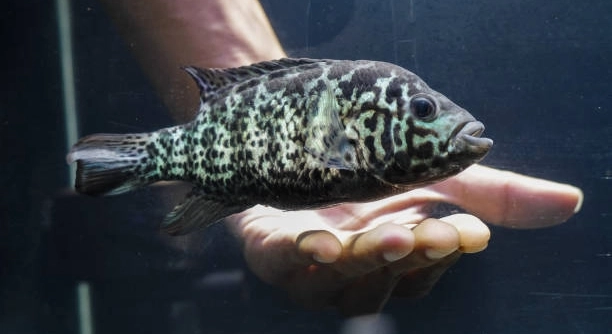
Jack Dempsey fish are known for their bold colors and active behavior, making them popular among aquarium enthusiasts. Many hobbyists enjoy observing their interactions, especially how they pair and form relationships within a tank environment. Understanding their social habits can improve care.
Jack Dempsey fish do not typically form long-term pairs. While they may show temporary bonding behaviors during breeding, these fish are generally territorial and aggressive, often separating after spawning to protect themselves and maintain their dominance within the tank.
Learning about their pairing behavior can help owners manage tank dynamics and prevent conflicts while supporting healthier fish interactions overall.
Understanding Jack Dempsey Pairing Behavior
Jack Dempsey fish can be fascinating to watch when they interact with one another. They often display short-term bonding, especially during breeding periods, but these connections rarely last. In home aquariums, you might notice two fish swimming close together, showing courtship behaviors, or defending a small territory. This is usually temporary. Their aggressive and territorial instincts tend to dominate once the eggs hatch or when food is introduced. Tank size, hiding spots, and water conditions also play a role in their interactions. Providing enough space and visual barriers helps reduce stress and aggression. Observing them closely allows you to notice when one fish is becoming too dominant, which can prevent injuries or stress-related illnesses. These fish are active and intelligent, but their social habits are complex. Even though they may appear to pair, it’s often just a short-term arrangement linked to reproduction and environmental comfort rather than lasting bonds.
Jack Dempseys rarely maintain stable long-term pairs outside breeding conditions.
Careful management of tank layout and monitoring interactions can create a healthier environment and reduce aggressive conflicts.
Managing Tank Dynamics for Multiple Jack Dempseys
Aggression is common when keeping more than one Jack Dempsey in a tank.
When housing multiple Jack Dempsey fish together, careful attention is necessary to avoid constant fighting. Aggression can increase when the tank is too small, or if hiding spaces are limited. Providing adequate rocks, plants, and caves gives each fish its own territory, helping reduce stress. Feeding schedules and placement of food also affect how peacefully they interact, as competition can trigger attacks. Juvenile fish may tolerate each other longer, but as they mature, territorial behavior often intensifies. Observing body language, such as flared gills or chasing, is important for recognizing rising tension. Separating particularly aggressive individuals can prevent injury. Understanding their temporary pairing habits also helps you anticipate behavior changes during breeding, allowing you to manage tank conditions proactively. Long-term harmony is not guaranteed, but with careful planning and space management, you can maintain a balanced environment that supports their natural behaviors while minimizing stress and injury.
Breeding Behavior and Pairing
Jack Dempsey fish only form pairs during spawning, and even then, the bond is short-lived. They focus on protecting their eggs and fry rather than maintaining a long-term relationship. Aggression can return quickly after breeding, especially toward other tank mates.
During breeding, males build nests and display vibrant colors to attract females. Once a female lays eggs, both parents guard the site closely. The male is usually more aggressive, defending the territory from intruders while the female tends to the eggs. After the fry hatch, parental care continues for a few days, but the bond weakens as the young become independent. Aggressive instincts quickly resume, and the pair often separates or begins defending individual areas of the tank. Tank conditions, including space and hiding spots, can influence how long the pair stays together during this period.
Even in controlled aquariums, long-term pairing is rare. Breeding behavior is more about survival than social bonding. Managing tank conditions carefully is key to minimizing fights while supporting temporary pairing during reproduction.
Tips for Reducing Aggression
Providing enough space is critical to keeping multiple Jack Dempseys together without constant fighting. Proper hiding spots reduce stress and conflicts.
Aggression in Jack Dempsey fish can be managed by ensuring adequate territory for each fish. Rocks, plants, and caves allow them to retreat when threatened. Separating highly aggressive individuals may be necessary to prevent injuries. Feeding in multiple areas reduces competition, while maintaining water quality helps keep them calm. Observing behavior patterns allows adjustments before fights escalate, and tank size should match the number and size of fish. Understanding their temporary pairings and natural aggression helps prevent long-term stress and injury.
Behavioral patterns are predictable if you pay attention. Territorial disputes arise around food, mates, and space, but consistent tank management can reduce these problems. Juveniles are more tolerant of each other, while adults require more careful planning. Rotating hiding spots or rearranging decorations can break up established territories and limit dominance. Observation is essential to identify aggression before it becomes serious. By providing separate zones, proper feeding, and visual barriers, it is possible to maintain multiple Jack Dempseys in a single tank while minimizing stress and physical harm.
Identifying Temporary Bonds
Jack Dempsey pairs are usually short-term, forming mainly during breeding periods. Their connection fades quickly once the eggs hatch, and aggression often returns. Observing these behaviors helps understand when a bond is temporary versus lasting.
Temporary bonding often includes close swimming, guarding territory, and shared care for eggs. After a few days, these behaviors diminish, and each fish becomes more independent. Recognizing these signs allows you to predict when aggression may resume, making tank management easier.
Factors Affecting Pair Stability
Several factors influence how long Jack Dempsey pairs stay together. Tank size, hiding spaces, and the presence of other fish impact aggression levels and temporary bonding. Smaller tanks often increase stress, while larger spaces allow each fish to maintain personal territory. Environmental enrichment like rocks and plants reduces conflicts and encourages natural behavior. Breeding periods trigger temporary pairing, but outside these times, territorial instincts dominate. Consistent monitoring of interactions, feeding areas, and water quality helps prevent prolonged stress and injury. By understanding these environmental and behavioral factors, it is easier to manage multiple Jack Dempseys in the same aquarium.
Recognizing Aggressive Behavior
Signs of aggression include chasing, flared gills, and sudden attacks. Monitoring these cues helps prevent injuries in a shared tank.
FAQ
Do Jack Dempsey fish stay together after spawning?
Jack Dempsey pairs usually separate shortly after spawning. Their bond is temporary and mostly focused on protecting eggs and fry. Once the young are independent, aggression returns, and the pair often defends separate territories. Long-term companionship is rare outside breeding.
Can two Jack Dempseys live peacefully in the same tank?
Yes, but only with careful management. Tank size, hiding spots, and visual barriers are essential to reduce aggression. Feeding in multiple locations and observing interactions regularly can prevent fights. Juvenile fish are more tolerant, while adults require more space and careful monitoring.
How can I tell if a pair is temporary or forming a lasting bond?
Temporary pairs show courtship behaviors, close swimming, and shared territory around breeding sites. These behaviors usually last only during spawning. Once the eggs hatch or food is introduced, territorial aggression resumes. Observing behavior over time helps distinguish temporary bonding from permanent pairing.
Do Jack Dempseys fight more during breeding?
Yes, aggression typically increases during breeding. Males become highly territorial, guarding nests and chasing intruders. Females may also show some aggression, but the male dominates. Providing sufficient hiding spots and a larger tank helps reduce conflicts during this period.
Can rearranging the tank reduce aggression?
Rearranging rocks, plants, and decorations can break up established territories and reduce dominance. Changing the layout periodically allows fish to adjust and limits long-term fights. Visual barriers, caves, and hiding spots are especially effective at minimizing stress and aggression.
What tank size is ideal for multiple Jack Dempseys?
A larger tank, ideally over 55 gallons for two adults, provides enough space for each fish to establish its territory. Smaller tanks increase stress, fights, and injuries. More space allows temporary pairs to interact without constant conflict.
Do Jack Dempseys bond with humans?
They may recognize feeding routines and react to movement, but these interactions are not the same as pairing. They do not form social bonds with humans and remain primarily territorial and independent.
Can stress affect their temporary pairings?
Yes, stress from overcrowding, poor water quality, or insufficient hiding spots can shorten the duration of temporary bonds. Stress increases aggression and reduces parental care, making it important to monitor conditions carefully.
Is it safe to introduce other fish with a temporary pair?
Introducing other fish can trigger aggression if the pair is guarding eggs or territory. Careful selection of tank mates, sufficient space, and visual barriers are necessary to prevent fights and ensure a safe environment for all fish.
Do male and female Jack Dempseys always separate after breeding?
Usually, yes. The male often continues guarding territory for a short period, but both fish eventually focus on individual spaces. Separation is natural and prevents unnecessary fights. Monitoring post-spawning behavior ensures the tank remains peaceful.
How long does parental care last?
Parental care usually lasts a few days after hatching. Both parents may guard the fry, but the male is more aggressive. After this period, the fry become independent, and the parents resume typical territorial behavior.
Can multiple pairs coexist in the same tank?
Multiple pairs can coexist only if there is ample space and hiding spots. Without careful planning, fights and stress are almost certain. Observing interactions and adjusting tank layout is crucial to maintaining harmony among multiple Jack Dempseys.
How do feeding habits affect pairing behavior?
Competition over food can trigger aggression, even in temporary pairs. Feeding in multiple locations and maintaining a consistent schedule helps reduce fights and supports more stable interactions.
Do Jack Dempseys ever re-pair with the same mate?
Re-pairing is rare. Most interactions are temporary and based on breeding needs. Once separated, individuals focus on territory and dominance rather than maintaining a previous connection.
Are hiding spots really necessary for pairs?
Yes, hiding spots reduce stress, prevent injuries, and allow fish to retreat during disputes. Rocks, caves, and plants create natural barriers that help maintain temporary pair bonds without escalating aggression.
Can water quality impact aggression levels?
Poor water quality increases stress, which directly raises aggression. Clean water, proper filtration, and stable conditions are essential to keeping temporary pairs and groups calmer and healthier.
How long can two Jack Dempseys tolerate each other without fighting?
Tolerance depends on tank size, space, hiding spots, and individual temperament. Juveniles may coexist longer, but adults often begin fighting if territory is limited or breeding occurs. Monitoring behavior is key to preventing injuries.
Do Jack Dempseys form social hierarchies?
Yes, they establish dominance through displays, chasing, and occasional fights. Temporary pairings do not change the hierarchy much, as territorial instincts dominate outside breeding periods. Recognizing these hierarchies helps manage tank dynamics effectively.
Can stress disrupt temporary pairings?
High stress from overcrowding, poor tank conditions, or competition over food can cause temporary pairs to separate early or behave aggressively. Reducing stress supports healthier interactions and protects both the fish and fry.
Are visual barriers more effective than just space?
Both are important, but visual barriers help break line-of-sight dominance. Even in large tanks, seeing another fish constantly can trigger aggression. Using rocks, plants, or decorations to create zones is highly effective in reducing conflict.
Do Jack Dempseys recognize each other from previous pairings?
They may remember past encounters, which can influence future interactions. However, recognition does not guarantee peaceful cohabitation, as territorial instincts and individual temperament usually take priority over familiarity.
What’s the best way to monitor temporary pairs?
Regular observation is essential. Watch for chasing, flared gills, or defensive behaviors. Check hiding spot usage and feeding interactions. Timely adjustments to tank layout, feeding, or separation prevent injuries and reduce stress.
How can I prevent fights during breeding?
Provide extra hiding spots, adequate space, and visual barriers. Observe the pair and remove overly aggressive individuals if needed. Managing tank conditions carefully supports temporary pairings and reduces the risk of serious injury.
Do temporary pairings affect future breeding success?
Temporary pairings usually do not impact future breeding negatively. Each spawning event is independent, and fish will pair again if conditions are right. Proper tank management supports repeated breeding without long-term stress.
Can a single Jack Dempsey become aggressive without a pair?
Yes, aggression is natural even for solitary fish. Territorial instincts cause them to defend areas from other tank mates or perceived intruders. Pairing does not eliminate these behaviors.
Do temporary pairs share territory evenly?
During spawning, they often share a nest area, but outside this period, territory is individual. Males dominate during breeding, while females may retreat or claim smaller zones. Understanding this helps manage tank layouts effectively.
Is it better to separate pairs after spawning?
Separation can reduce stress and prevent post-spawning aggression. Once parental care ends, giving each fish its own space minimizes fights and promotes a calmer tank environment.
How can I identify when aggression is about to escalate?
Signs include flared gills, chasing, sudden color changes, or blocking other fish from food. Early recognition allows intervention before fights cause injury or stress.
Do temporary pairings influence feeding order?
Yes, dominant individuals may eat first, while the other waits. Feeding in multiple locations ensures all fish get food and prevents conflicts that could disrupt temporary bonding.
How important is tank layout for temporary pairs?
Tank layout is critical. Rocks, plants, and visual barriers create safe zones, reduce line-of-sight conflicts, and allow temporary pairs to interact without constant stress or injury. Proper planning supports healthier behavior patterns overall.
Do Jack Dempseys calm down over time?
Some adults may show reduced aggression with age, but territorial instincts remain. Temporary pairs still separate after breeding, and careful tank management is necessary to maintain peace.
Can temporary pair behavior be predictable?
Yes, breeding seasons and environmental conditions largely dictate behavior. Recognizing patterns helps plan tank layout, feeding, and monitoring strategies to reduce conflict.
Are certain tank mates better for temporary pair coexistence?
Peaceful, fast-moving fish that occupy different tank levels are usually best. Avoid other aggressive or territorial species that may trigger fights or stress temporary pairs. Proper selection supports a calmer environment.
Does temperature affect aggression or pairing?
Yes, warmer water can increase activity and territorial behavior, while slightly cooler conditions may reduce aggression. Maintaining stable water temperature is important for predictable temporary pairing behavior.
Do temporary pairs ever revert to aggression suddenly?
Yes, aggression can return quickly after spawning, when food is introduced, or if territory is challenged. Monitoring their interactions continuously helps prevent serious fights or injury.
Can rearranging the tank after spawning affect pairs?
Rearranging decorations can reset territories, reduce dominance, and prevent aggression. It encourages fish to establish new boundaries without escalating fights, supporting temporary pair stability.
Are temporary pair bonds stronger in larger tanks?
Larger tanks provide more space and hiding spots, reducing stress and fights. Temporary bonds may last longer simply because fish have room to coexist without constant confrontation.
Do males or females drive aggression more in temporary pairs?
Males are typically more aggressive, especially around nesting and guarding eggs. Females may show defensive behaviors but are less likely to escalate conflicts significantly.
How long should I observe temporary pairs before making changes?
A few days during and after spawning is usually enough. Watch for aggression, territory disputes, and feeding conflicts. Adjust tank layout, separation, or hiding spots as needed to maintain peace.
Are temporary pair behaviors different in captivity versus the wild?
Yes, limited space in aquariums increases stress and aggression. In the wild, larger territories and natural hiding spots reduce conflicts. Tank management helps mimic natural conditions for safer temporary pairing.
Can stress cause permanent aggression issues?
Prolonged stress can make Jack Dempseys more aggressive even outside breeding. Maintaining proper tank conditions, adequate space, and hiding spots reduces long-term behavioral problems.
Do temporary pairs share responsibilities equally?
Males usually guard the nest, while females tend eggs. The balance is temporary and focused on offspring survival rather than long-term cooperation.
Is it necessary to separate aggressive individuals immediately?
Yes, to prevent injuries and reduce stress. Even temporary pairs can escalate fights quickly, so early intervention is key to maintaining a peaceful tank.
Do Jack Dempseys ever tolerate other pairs nearby?
They may tolerate others if space, hiding spots, and visual barriers are sufficient. Limited space or overlapping territories often lead to fights and increased stress.
Can multiple temporary pairs coexist in a large tank?
Yes, but careful planning is required. Each pair needs separate territory, hiding spots, and feeding areas. Observation is necessary to prevent aggression between pairs.
Does diet affect aggression in temporary pairs?
Proper nutrition reduces competition over food and lowers stress. Feeding consistently and in multiple locations helps maintain calmer interactions and supports temporary pair bonding during breeding.
Are some individuals naturally less aggressive?
Yes, personality varies. Some Jack Dempseys are calmer, while others are highly territorial. Recognizing these traits helps manage temporary pairings and group dynamics more effectively.
Does breeding frequency impact temporary pair behavior?
Frequent breeding can increase aggression due to repeated territorial defense. Providing adequate space and hiding spots helps reduce stress between breeding cycles.
Can tank decorations influence pairing success?
Yes, rocks, caves, and plants create zones that reduce stress and encourage temporary pairs to interact without escalating conflicts. Proper layout is essential for healthier behavior patterns.
Are temporary pairs more predictable in controlled environments?
Yes, controlling space, water conditions, and feeding reduces unpredictability. Temporary pair behavior can be managed more effectively with careful tank planning.
Do Jack Dempseys communicate aggression visually?
Yes, flared gills, color changes, and body posturing signal aggression. Recognizing these signs helps prevent fights and allows for timely intervention.
Can temporary pair behavior improve with experience?
Some fish may become more tolerant over time, but territorial instincts remain strong. Consistent tank management is more effective than expecting natural behavior changes.
Do hiding spots prevent all fights?
No, they reduce aggression but cannot eliminate it completely. Aggressive individuals may still patrol territories or challenge others, so monitoring remains essential.
Are temporary pair behaviors consistent across all Jack Dempseys?
Behavior varies by individual, age, and environmental conditions. While patterns exist, observation is key to understanding each pair’s tendencies.
Can temporary pairs form outside breeding?
It is rare. Most bonding behavior is tied to reproduction, with aggression dominating at other times. Temporary pairing without breeding is usually short-lived and situational.
Do environmental changes disrupt temporary pairs?
Yes, changes in tank layout, water parameters, or tank mates can break temporary bonds and trigger aggression. Stability is important to maintain calmer interactions.
Can temporary pairs survive without intervention?
Sometimes, but risk of stress or injury is higher. Providing space, hiding spots, and monitoring interactions improves safety and reduces conflict.
Do temporary pairs ever show affection beyond breeding?
No, their interaction is functional for reproduction. Close swimming and guarding behavior are practical, not social or emotional bonding.
How can I tell if a temporary pair is stressed?
Signs include hiding constantly, loss of color, refusal to eat, or increased aggression. Addressing tank conditions promptly can reduce stress and prevent escalation.
Are temporary pairs influenced by lighting or noise?
Yes, bright lighting or frequent disturbances can increase stress and aggression. Maintaining a calm, consistent environment supports healthier behavior during temporary pairings.
Do water flow and filtration affect temporary pairs?
Yes, strong currents may stress fish, while poor filtration can reduce water quality. Both factors influence aggression and territorial behavior, affecting temporary bonding.
Can temporary pair behavior predict future interactions?
Some tendencies, like aggression levels and territorial instincts, are consistent. Observation helps anticipate behavior, though exact outcomes remain situational.
Do temporary pairs require special feeding techniques?
Feeding in multiple locations and maintaining a regular schedule helps prevent fights over food. Proper nutrition reduces stress and supports temporary pair dynamics.
Can tank mates trigger aggression in temporary pairs?
Yes, certain fish can provoke fights, especially if they enter breeding territory. Choosing compatible species and monitoring interactions is essential for safety.
Do temporary pairs affect tank maintenance routines?
Yes, water changes and cleaning may need careful timing to avoid stress. Moving decorations or disturbing territory during sensitive periods can trigger aggression.
How often should temporary pairs be observed?
Daily observation is recommended, especially during breeding. Noticing early signs of aggression allows timely interventions and keeps the tank environment safer.
Can temporary pairs coexist with juveniles?
Juveniles may be tolerated if enough space exists, but adults’ territorial behavior can pose risks. Providing separate areas or visual barriers protects younger fish.
Do temporary pairs behave differently at night?
Some aggression decreases at night, but territorial instincts remain. Observing behavior at different times helps understand patterns and plan interventions.
Are temporary pair behaviors influenced by season?
Yes, breeding tendencies can vary with temperature and lighting. Replicating natural seasonal conditions may encourage temporary pairing behavior while maintaining tank health.
Can temporary pairs show cooperation?
Cooperation is limited to reproduction and parental care. Beyond that, aggression and territorial instincts dominate interactions, making lasting bonds unlikely.
Do temporary pairs recognize threats from other species?
Yes, they react to intruders by defending territory. Awareness of tank mates’ behavior is crucial to prevent conflicts.
Is monitoring water parameters essential for temporary pairs?
Absolutely. Stable temperature, pH, and cleanliness reduce stress, which directly affects aggression and temporary bonding behavior.
Do temporary pairs ever share food peacefully?
Occasionally, especially if space and hiding spots allow equal access. Multiple feeding locations reduce competition and maintain calmer interactions.
Can temporary pairs coexist long-term?
Rarely. Aggression returns after breeding, and long-term pairing is unusual. Proper tank management can extend tolerance but not create lasting bonds.
Do Jack Dempseys form temporary bonds outside their species?
Interactions with other species are mostly territorial. They may tolerate or chase other fish, but temporary bonds are usually limited to reproduction with conspecifics.
Are temporary pairs affected by overcrowding?
Yes, overcrowding increases stress, triggers fights, and shortens the duration of temporary bonds. Sufficient space is crucial to maintain peace.
Can temporary pairs become aggressive suddenly without warning?
Yes, changes in food availability, territory, or presence of intruders can trigger rapid aggression. Close observation prevents injury.
Do temporary pairs respond to human presence?
They may recognize feeding routines but remain territorial. Interaction with humans does not influence the temporary pair bond significantly.
Does tank temperature affect parental care?
Higher temperatures may increase activity and aggression, while lower temperatures can slow parental behaviors. Maintaining consistent conditions is important for fry survival.
Do temporary pairs need separate breeding tanks?
It can help reduce stress and prevent fights, especially in community tanks. Providing a controlled environment ensures eggs and fry are protected during temporary bonding periods.
Are temporary pairs more likely to fight in small tanks?
Yes, limited space amplifies aggression, reduces hiding spots, and shortens temporary pair duration. Larger tanks with barriers improve coexistence.
Do Jack Dempseys remember past conflicts?
Yes, prior fights may influence future interactions, increasing aggression or avoidance behaviors. Observing patterns helps manage tank dynamics effectively.
Can temporary pairs influence other fish’s behavior?
Yes, aggressive behavior may stress other tank mates, causing hiding, avoidance, or even injury if space is limited. Monitoring the entire tank is necessary.
Do temporary pairs prefer certain areas of the tank?
They often claim nesting areas or zones with hiding spots. Males dominate preferred areas during breeding, while females may occupy adjacent spaces temporarily.
How quickly do temporary pairs separate after spawning?
Separation usually occurs within a few days after fry become independent. Aggression resumes as territorial instincts take over.
Can temporary pairs tolerate environmental changes?
Minor changes may be tolerated, but major disturbances like tank rearrangement, water parameter shifts, or added fish can break the bond and trigger aggression.
Do temporary pairs need visual barriers to coexist?
Yes, visual barriers reduce line-of-sight dominance and allow each fish to feel secure. Rocks, plants, and decorations are effective in maintaining temporary pair stability.
Are temporary pair behaviors influenced by light cycles?
Yes, sudden changes or inconsistent lighting can increase stress and aggression. Maintaining a stable day-night cycle supports calmer interactions.
Do temporary pairs require special tank maintenance?
Regular cleaning, water monitoring, and careful decoration management are important. Disturbing territory during breeding or parental care can increase aggression.
Can temporary pairs recover from conflicts?
Yes, minor disputes often resolve if space and hiding spots are available. Severe fights may require separation to prevent lasting injury.
Do temporary pairs show preference for each other?
Preference
Final Thoughts
Jack Dempsey fish are fascinating creatures, especially when it comes to their pairing and social behaviors. While they may form temporary pairs during breeding, these bonds are not permanent. Most of their interaction is driven by reproduction, territory, and survival instincts. Outside breeding periods, they tend to be highly territorial and can show aggression toward tank mates. Understanding this natural behavior is important for anyone keeping them in an aquarium. Observing their interactions carefully can help prevent stress and injuries, making it easier to provide a safe and comfortable environment. By knowing what to expect from these temporary pairings, you can better manage your tank and ensure that each fish has enough space to thrive.
Creating the right tank environment is key to maintaining harmony among Jack Dempsey fish. They need ample space, hiding spots, and visual barriers to reduce conflicts. Rocks, plants, and caves can serve as natural shelters and allow fish to retreat when necessary. Feeding routines also play a role in reducing aggression, as competition over food can trigger fights even between temporary pairs. Juvenile fish may tolerate each other more easily, but adult fish require careful monitoring to prevent territorial disputes. Tank size, water quality, and stable conditions all influence behavior, and addressing these factors helps create a calmer, healthier environment for both temporary pairs and solitary fish. Understanding the balance between providing enough space and observing interactions is crucial for their overall well-being.
It is also important to accept that Jack Dempsey fish do not form long-term social bonds like some other species. Their behavior is primarily practical, focused on reproduction and territory defense. Temporary pairings during breeding can be fascinating to watch, but these connections fade quickly once eggs hatch and fry become independent. This does not mean the fish cannot coexist peacefully, but it does mean that careful tank management is essential. Recognizing signs of aggression, providing hiding spots, and maintaining a suitable tank layout can reduce stress and conflict. By respecting their natural instincts and adjusting the aquarium environment accordingly, owners can enjoy observing their behavior without unnecessary worry. Jack Dempsey fish may be bold and sometimes challenging, but with patience, observation, and proper care, they can thrive in a home aquarium while displaying the temporary pairing behaviors that make them so interesting to watch.

Hello,
If you enjoy the content that we create, please consider saying a "Thank You!" by leaving a tip.
Every little bit helps us continue crafting quality advice that supports the health, happiness, and well-being of pets around the world, for pets of all shapes, sizes, and species.
We really appreciate the kindness and support that you show us!