
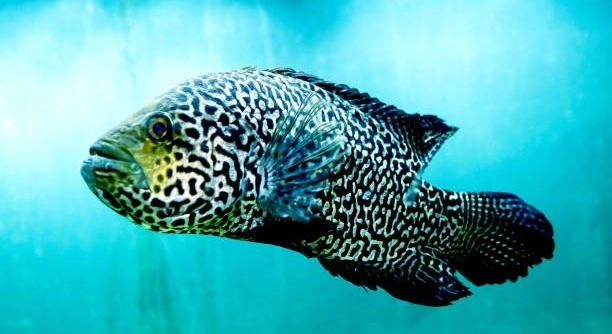
Jack Dempsey fish are known for their vibrant colors and bold personalities. Moving their tank can trigger noticeable reactions, from curiosity to stress. Understanding how they respond helps aquarists create a stable and comfortable environment for these fish.
After a tank move, Jack Dempsey fish often display temporary stress behaviors such as hiding, rapid swimming, or aggression. These reactions are typically short-term, as the fish gradually acclimate to the new environment once familiar structures and territories are reestablished.
Observing these responses closely ensures your Jack Dempsey settles smoothly, maintaining both its health and the harmony of the aquarium.
Understanding Tank Stress in Jack Dempsey Fish
Jack Dempsey fish are highly territorial, so any change in their environment can trigger stress. When moving their tank, they may dart quickly, bump against surfaces, or retreat to hiding spots. Stress can also show as faded colors or refusal to eat. Keeping their water clean and stable is essential to reduce anxiety during transitions. Gentle handling and minimizing sudden movements help them feel safer. Adding familiar decorations or rearranging the tank slowly allows them to establish a sense of territory again. Monitoring their behavior for the first few days after a move is important. If aggression or hiding continues, providing additional hiding spots can improve their comfort. Temperature, pH, and water hardness should remain consistent, as even minor changes can increase stress levels. Observing interactions among multiple fish is also key. Some Jack Dempseys may challenge others if boundaries feel disrupted. A calm approach supports their adaptation.
Adjusting slowly reduces stress. Small changes keep Jack Dempseys comfortable and active in their tank.
Noticing subtle signs, like hesitation near new objects or short bursts of rapid swimming, is normal. These behaviors usually decrease as the fish becomes familiar with the surroundings, helping them regain confidence in their space.
Helping Your Jack Dempsey Adjust
Introduce new tank elements gradually. Avoid rearranging everything at once, as sudden shifts can confuse or alarm your fish. Start with small changes, like adding a single rock or plant, and let your Jack Dempsey explore before adding more. Observation is key; watch for color brightening, consistent eating, and normal swimming patterns. Keep feeding routines consistent, as familiarity with food helps reduce stress. Using dim lighting during the first day or two can also make them feel safer.
Patience is essential when acclimating Jack Dempseys after a move. They react to new environments with caution, but careful adjustments can ease their transition. Provide stable water conditions and avoid overcrowding. Offer hiding spots and open swimming areas to let them choose where to be. Feeding at regular intervals encourages routine. Avoid sudden changes in water parameters or tank layout, which can increase aggression or hiding. Monitoring interactions with other fish ensures the social dynamic remains balanced. Over time, the fish will reclaim territory and display normal behaviors. By managing stress proactively, the tank remains harmonious, and your Jack Dempsey maintains its vibrant appearance. Consistent care and attention help them adapt smoothly, making them more confident and active in their environment.
Recognizing Behavioral Changes
Jack Dempsey fish may hide more than usual after a tank move. They can also show aggression toward tank mates or dart quickly along the glass. These behaviors signal stress and adjustment needs, and careful observation helps prevent long-term problems.
Temporary changes in activity are common. Jack Dempseys might swim erratically or refuse food for a day or two. Their colors can appear dull, and they may cling to familiar spots while avoiding open areas. Providing consistent lighting, stable water parameters, and familiar decorations can help them regain confidence. Gradual acclimation reduces anxiety and allows the fish to reestablish its territory without feeling threatened by the new environment.
Interactions with other fish can also shift. Jack Dempseys may challenge tank mates more aggressively or retreat to hiding spots. Monitoring these interactions and providing additional shelters prevents conflicts. Keeping a close eye on feeding and swimming patterns ensures their health is not compromised. Over time, they usually return to normal behavior, and colors brighten as stress decreases. Patience and careful observation are key for smooth adaptation.
Adjusting the Environment
Adding plants or rocks gradually helps Jack Dempseys feel secure in their new space. Avoid large sudden changes that can overwhelm them or trigger aggression. Arrange decorations to provide both open swimming areas and hiding spots.
Temperature, pH, and water hardness should remain stable to reduce stress. Even small fluctuations can upset their adjustment, leading to hiding, aggression, or loss of appetite. Observing how the fish explores its tank after each adjustment allows you to fine-tune the environment. Removing or repositioning objects slowly can prevent territorial disputes. Ensuring proper filtration and clean water is equally important, as dirty or cloudy water can amplify stress. By maintaining a predictable and stable environment, Jack Dempseys regain confidence and exhibit natural behaviors more quickly. Creating a balance of open space and shelter encourages activity and reduces anxiety during the transition period.
Feeding Habits After a Move
Jack Dempseys may eat less or show hesitation during feeding after a tank move. Stress can affect appetite temporarily. Maintaining regular feeding times and offering familiar food helps them adjust and regain their normal eating habits.
Observing how they approach food is important. Some fish may wait until the environment feels safer before eating. Avoid overfeeding, as leftover food can pollute the water and increase stress. Small, frequent meals encourage consistent feeding while minimizing disruptions to water quality. Patience ensures they return to a stable routine.
Using Hiding Spots Effectively
Providing adequate hiding spots helps Jack Dempseys manage stress. Rocks, caves, or dense plants allow them to retreat when feeling insecure. Proper placement gives them control over their environment and encourages natural behaviors.
Monitoring Health Signs
Keep an eye on color, fins, and swimming patterns. Changes may indicate prolonged stress or illness. Immediate attention helps prevent serious health problems.
FAQ
How long does it take for Jack Dempsey fish to settle after a tank move?
Typically, Jack Dempsey fish begin adjusting within a few days, but full acclimation can take one to two weeks. During this period, they may hide, swim erratically, or display aggression. Maintaining consistent water conditions, stable temperature, and familiar decorations speeds up the adjustment process and reduces stress.
Why is my Jack Dempsey hiding constantly after the move?
Hiding is a natural response to stress and environmental changes. After relocation, the fish feels vulnerable and seeks shelter. Providing adequate hiding spots, gentle lighting, and minimal disturbances helps them feel secure. Over time, they will explore the tank more confidently and resume normal behaviors.
Is it normal for them to lose color after a move?
Yes, color fading is common and linked to stress. It is temporary and usually improves as the fish becomes comfortable. Maintaining proper nutrition, clean water, and stable environmental conditions encourages their vibrant colors to return. Stress reduction is key to restoring appearance.
Why is my Jack Dempsey refusing food?
Reduced appetite is typical during transitions. Stress or uncertainty in the new tank can cause hesitation to eat. Offering small, familiar portions and feeding at consistent times encourages normal eating behavior. Avoid overfeeding, as uneaten food can pollute the water and increase stress.
How can I reduce aggression among tank mates after moving?
Rearranging territories may trigger conflicts. Adding hiding spots, rocks, and plants allows fish to establish boundaries safely. Monitoring interactions and separating overly aggressive individuals temporarily prevents injuries. Gradual acclimation helps restore social balance in the tank.
Can temperature changes affect their behavior after a move?
Yes, Jack Dempseys are sensitive to temperature fluctuations. Sudden changes can cause stress, hiding, or erratic swimming. Keeping the water stable and within the optimal range supports acclimation and prevents behavioral and health problems.
How do I know if my Jack Dempsey is truly stressed or sick?
Signs of prolonged stress or illness include faded colors, loss of appetite, clamped fins, lethargy, or unusual swimming patterns. Monitoring these indicators closely and maintaining proper water conditions helps identify issues early, allowing timely intervention before serious health problems develop.
Should I rearrange decorations immediately after moving the tank?
Immediate rearrangement can increase stress and trigger territorial disputes. Introduce new decorations gradually, allowing the fish to explore and establish boundaries. Slowly adjusting the tank layout supports natural behavior while minimizing anxiety.
How often should I check water parameters after a move?
Daily monitoring for the first week is recommended. Ensure temperature, pH, ammonia, nitrite, and nitrate levels remain stable. Sudden changes can amplify stress and affect health. Consistent water quality promotes recovery and adaptation.
Are hiding spots more important than open swimming areas?
Both are essential. Hiding spots reduce stress, while open areas allow natural swimming and exploration. Balancing these spaces helps Jack Dempseys feel secure while encouraging normal activity and confidence. Proper arrangement supports territorial behavior and reduces aggression.
Can adding more plants help them adjust faster?
Yes, plants provide shelter and reduce visibility from perceived threats, lowering stress levels. Dense vegetation encourages exploration while giving the fish control over their environment. Gradual introduction is best to avoid sudden changes that could overwhelm them.
What should I do if aggression persists after a week?
Persistent aggression may indicate territorial disputes or stress. Consider adding more hiding spots, rearranging tank structures slowly, or temporarily separating aggressive individuals. Maintaining stable conditions and monitoring interactions helps resolve conflicts over time.
Is it safe to handle Jack Dempsey fish during this period?
Handling should be minimized. Disturbances increase stress and can cause injury. Only interact when necessary for water changes or health checks. Gentle, careful actions reduce fear and help the fish feel secure in the new environment.
How do I encourage normal swimming patterns after a move?
Consistent routines, stable water parameters, and minimal disturbances promote confidence. Providing both hiding areas and open spaces allows gradual exploration. Observing their behavior ensures adjustments can be made to support recovery and natural activity levels.
Do all Jack Dempsey fish react the same way to a tank move?
No, individual temperament varies. Some adapt quickly and remain active, while others may hide or show aggression for longer. Understanding your fish’s personality and providing tailored care helps ensure a smoother adjustment and reduces stress-related issues.
How can I tell if hiding spots are effective?
Fish that retreat, explore cautiously, and return to open areas without panic indicate the hiding spots are sufficient. Adjust placement if certain areas remain unused or if aggression persists near shelters. Proper layout encourages natural behavior and a sense of security.
Can water flow affect their adjustment?
Strong currents may stress Jack Dempseys during the acclimation period. Moderate water flow ensures oxygenation without overwhelming the fish. Observing swimming patterns helps determine if adjustments are necessary for comfort.
Should I introduce new tank mates immediately after a move?
Introducing new fish too soon increases stress and territorial aggression. Wait until existing inhabitants have settled and displayed normal behavior. Gradual introductions prevent conflicts and allow all fish to acclimate to the environment safely.
Is it normal for them to explore less at first?
Yes, limited exploration is common. Stress and unfamiliar surroundings make them cautious. Over several days, as they become familiar with the tank, they gradually expand their territory and exhibit normal activity levels.
How can lighting influence their adjustment?
Bright or sudden lighting can cause stress, making fish hide or swim erratically. Using dim lighting initially and gradually increasing brightness helps them feel secure while exploring the tank. Stable light cycles support natural behavior and reduce anxiety.
Are there specific foods that help with stress recovery?
High-quality, nutrient-rich foods encourage recovery. Offer protein-rich pellets or live/frozen foods in small portions. Consistent feeding routines reassure the fish, support health, and help restore color and energy levels during the adjustment period.
What role does tank size play in post-move adjustment?
Larger tanks provide space for exploration and territorial separation, reducing conflicts. Small tanks can intensify stress and aggression. Ensuring adequate space allows Jack Dempseys to feel secure and establish territories naturally, improving adaptation.
How long should I monitor their behavior closely?
Close observation is essential for the first one to two weeks. Watch for changes in swimming, feeding, color, and interactions. Early detection of stress or health issues ensures timely intervention and smoother adjustment to the new environment.
Can rearranging tank decorations after a week help?
Yes, small adjustments can refresh territories and encourage activity. Move one item at a time and observe reactions. Gradual changes prevent stress while allowing the fish to adapt and explore confidently.
How do I prevent long-term stress in Jack Dempseys?
Maintain consistent water parameters, provide hiding spots and open swimming areas, monitor social interactions, and feed regularly. Avoid sudden changes in layout or tank conditions. Stability, routine, and a well-balanced environment reduce stress and promote overall health and vibrant behavior.
Are there signs that indicate the fish has fully adjusted?
Return of bright colors, normal swimming patterns, regular eating, and reduced hiding are good indicators. They interact confidently with the environment and other fish, showing reduced signs of stress and restored comfort in their tank.
How often should tank water be changed during adjustment?
Partial water changes of 20-25% once or twice a week help maintain water quality. Avoid large, sudden changes, as this can stress the fish further. Consistent, gentle maintenance supports health and smooth acclimation.
What should I do if color does not return after two weeks?
Persistent dullness may indicate stress, poor water quality, or health issues. Test water parameters, ensure proper diet, and observe for signs of illness. Consulting a specialist or experienced aquarist can help identify and address underlying problems.
Can adding a gentle current help their adjustment?
Moderate water flow encourages natural swimming and oxygen circulation without overwhelming them. Strong currents should be avoided during the initial adjustment period. Observation ensures the flow is comfortable and does not increase stress.
Is it necessary to quarantine Jack Dempseys after moving?
If the move involved a new tank setup or other fish, quarantine is advisable to prevent disease transmission. For familiar setups, careful monitoring and stable water conditions usually suffice. Quarantine helps protect their health and ensures a smoother transition.
How do I balance open space and hiding areas?
Provide sufficient open areas for swimming and exploration while including multiple hiding spots. The balance allows the fish to choose when to retreat and when to move freely, reducing stress and encouraging natural behavior patterns.
Should I adjust lighting gradually during the day?
Yes, mimicking natural day-night cycles helps regulate activity and reduces anxiety. Sudden bright light can trigger hiding or erratic swimming. Gradual adjustment supports comfort, confidence, and normal behavior.
How long before aggression toward tank mates subsides?
Aggression usually decreases within a week or two as territories stabilize. Providing hiding spots, open swimming areas, and careful monitoring ensures conflicts are minimized and normal interactions resume. Patience and observation are essential.
Can stress affect lifespan?
Prolonged stress can weaken the immune system and increase susceptibility to disease, potentially affecting lifespan. Consistent care, stable environment, and stress reduction are essential for long-term health and vitality of Jack Dempseys.
What is the best way to introduce environmental changes in the future?
Introduce changes slowly, one element at a time. Observe the fish’s reactions, maintain stable water parameters, and provide hiding spaces. Gradual adjustments prevent stress and support natural behaviors, ensuring smoother adaptation with each modification.
How can I tell if water quality is contributing to stress?
Cloudy water, ammonia or nitrite spikes, or unusual odors indicate poor quality. Testing regularly and performing partial water changes ensures a healthy environment and reduces stress-related behaviors.
Are certain tank mates better during adjustment?
Peaceful, non-territorial fish are ideal while Jack Dempseys acclimate. Aggressive or overly active species can increase stress and trigger conflicts. Choosing compatible tank mates supports calm adaptation and reduces stress.
How important is routine during adjustment?
Consistency in feeding, cleaning, and light cycles provides security. Jack Dempseys thrive on routine, which minimizes stress, encourages normal behavior, and supports overall health during and after the transition period.
Does tank size influence aggression levels?
Yes, larger tanks allow more territory and reduce confrontations. Smaller tanks can intensify aggression, particularly after environmental changes. Proper space supports natural behavior and helps maintain peaceful interactions among tank mates.
What signs indicate my Jack Dempsey is fully comfortable?
Bright coloration, normal swimming patterns, regular feeding, and calm interactions with tank mates indicate full adjustment. Reduced hiding and confident exploration show they feel secure and have adapted successfully.
How do I know when to intervene during aggression?
Immediate separation is needed if chasing or fighting causes injuries. Providing additional hiding spots or temporarily isolating aggressive individuals prevents harm. Close monitoring ensures a safe and balanced tank environment.
Are there long-term effects of frequent tank moves?
Repeated relocation can increase stress, reduce immunity, and trigger behavioral problems. Minimizing unnecessary moves and maintaining stable conditions helps protect health and encourages natural behaviors.
What is the best approach for introducing new decorations gradually?
Add one object at a time and observe reactions for several days. Place hiding spots strategically and maintain familiar structures. Gradual introduction ensures comfort while preventing territorial disputes or stress.
How do I support social hierarchy during adjustment?
Provide shelters and open space to allow fish to establish territories. Monitor interactions, separate aggressive individuals if needed, and avoid sudden changes that disrupt established hierarchies. Proper management maintains peace and reduces stress.
How can I reduce stress during water changes?
Perform partial changes gently and avoid sudden temperature or pH shifts. Use a calm approach, maintain routines, and keep changes gradual. Stability ensures comfort and supports normal behavior.
What role does observation play in adjustment?
Close observation allows early detection of stress, aggression, or illness. Monitoring swimming, feeding, color, and social interactions helps make timely adjustments and ensures smooth adaptation to the new environment.
Can temperature fluctuations cause long-term behavioral changes?
Yes, repeated or severe fluctuations can lead to chronic stress, reduced appetite, and increased aggression. Stable, optimal temperatures support normal behavior and overall health during and after relocation.
Is it normal for Jack Dempseys to challenge tank mates more after a move?
Yes, changes in territory can trigger temporary aggression. Providing adequate space and hiding spots allows fish to reestablish boundaries while reducing conflict. Aggression usually subsides as the tank stabilizes.
How do I maintain stability for future tank adjustments?
Plan changes gradually, maintain water parameters, provide hiding spots, and observe behavior. Consistent care reduces stress and helps Jack Dempseys adapt quickly to new conditions or modifications.
Can diet influence stress recovery?
Yes, a balanced diet with protein-rich foods supports energy levels, immune function, and color recovery. Consistent feeding routines help restore confidence and normal behavior during post-move adjustment.
Are sudden noises or vibrations stressful?
Yes, loud or repeated disturbances can trigger hiding or erratic swimming. Minimizing external disruptions supports calm behavior and reduces overall stress levels in Jack Dempseys.
What is the role of light cycles in recovery?
Stable day-night light cycles regulate activity, feeding, and rest. Sudden changes can cause anxiety or hiding. Gradual adjustments and consistent cycles support normal behavior and stress reduction.
How can I encourage confidence in a new tank?
Provide a balance of hiding spots and open swimming areas, maintain stable water conditions, and minimize disturbances. Gradual changes and consistent routines allow Jack Dempseys to explore and reclaim territory confidently.
Can water filtration affect post-move behavior?
Yes, strong currents or noisy filters may stress fish. Proper filtration ensures clean water while minimizing turbulence. Observing reactions allows adjustments to flow or placement for comfort.
Is overfeeding harmful during adjustment?
Yes, uneaten food pollutes water and increases stress. Small, consistent portions encourage normal feeding and maintain water quality, supporting healthy adaptation.
How often should I check tank structures after a move?
Regular observation ensures hiding spots and open spaces remain suitable. Adjusting decorations gradually supports territory reestablishment, prevents conflicts, and promotes comfort.
Can tank mates influence recovery speed?
Yes, peaceful companions reduce stress, while aggressive or overly active fish can slow adjustment. Proper selection helps Jack Dempseys regain normal behavior efficiently.
What should I do if hiding continues for weeks?
Persistent hiding may indicate stress or illness. Verify water parameters, check for disease, and provide additional shelters. Consulting an experienced aquarist ensures proper intervention.
Are there signs of permanent behavioral changes after a move?
Rarely, but prolonged stress or repeated disruptions can lead to lasting shyness, aggression, or color fading. Preventive care, stability, and observation reduce this risk.
How can I balance exploration and security for Jack Dempseys?
Provide open swimming areas for activity and multiple shelters for retreat. Gradual introductions and stable conditions allow confident exploration while maintaining a sense of security.
Do Jack Dempseys need time alone to adjust?
Yes, some individuals require periods of isolation from tank mates to reduce stress. Additional hiding spaces support this need and prevent conflict.
What role does water temperature play in feeding behavior?
Optimal temperature encourages appetite and activity. Sudden drops or rises may cause hesitation to eat. Consistent temperature supports normal feeding patterns and reduces stress.
How do I know if water changes are helping or harming?
Observe behavior and appetite after changes. Calm swimming, normal feeding, and color restoration indicate positive effects. Erratic behavior or hiding suggests adjustments are needed.
Can Jack Dempseys become aggressive toward humans after a move?
They may display defensive behavior initially, especially near the tank. Gentle handling, minimal disturbances, and patience reduce fear and aggression over time.
How long should I provide extra hiding spots?
Until the fish consistently explores and displays normal behavior. Gradually reducing or rearranging shelters encourages confidence while still offering security when needed.
Are there behavioral differences between males and females during adjustment?
Males are generally more territorial and may show higher aggression. Females may hide more or display cautious behavior. Recognizing these differences helps manage interactions and reduce stress.
Does tank lighting intensity affect stress levels?
Yes, overly bright or sudden lighting can cause hiding or erratic swimming. Gradual light adjustments and moderate intensity promote comfort and natural behavior.
Can water chemistry changes cause long-term health effects?
Yes, fluctuations in pH, hardness, or ammonia can weaken immunity and affect behavior. Maintaining consistent chemistry supports health, color, and stress recovery.
How do I maintain calm behavior after adding new tank elements?
Introduce one element at a time, observe reactions, and maintain stable water parameters. Adequate hiding spots and open spaces reduce stress and encourage exploration.
Is it normal for Jack Dempseys to patrol their territory more after a move?
Yes, territorial behavior often increases temporarily. Providing sufficient space and hiding spots allows them to reestablish boundaries safely and reduces prolonged aggression.
What is the best way to support immune function during adjustment?
Stable water, a balanced diet, consistent feeding routines, and minimal stress support immunity. Healthy fish adapt faster and display normal behavior more quickly.
Can tank noise affect post-move behavior?
Yes, vibrations or loud sounds can increase hiding, stress, and aggression. Minimizing disturbances ensures a calm environment for recovery.
How can I tell if a hiding spot is too small?
If the fish cannot fully retreat or appears cramped, it may be ineffective. Adjust size and placement to ensure comfort and security.
Should I change feeding schedules during adjustment?
Maintaining consistent feeding times supports routine and reduces stress. Sudden changes can increase anxiety and disrupt acclimation.
Are certain decorations better than others for stress relief?
Rocks, caves, and dense plants are most effective. Avoid open or sharp items that may increase fear or injury risk. Proper selection supports natural behavior and comfort.
How do I encourage natural behaviors in a new tank?
Provide a balance of hiding spots and open areas, stable water conditions, consistent feeding, and minimal disturbances. Gradual introductions promote exploration and activity while maintaining security.
Can water temperature swings cause hiding even after acclimation?
Yes, fluctuations can trigger stress responses, including hiding and reduced activity. Maintaining stable temperature ensures comfort and supports normal behavior patterns.
What is the optimal hiding-to-open-space ratio?
A balance of roughly 60% open area and 40% shelter works well. This allows freedom to swim and retreat safely, reducing stress and promoting natural behaviors.
Should I track behavior daily?
Yes, daily observation helps detect stress, aggression, or illness early. It allows timely adjustments and ensures smooth adaptation to the new environment.
**How do I manage aggressive chasing after a move
Final Thoughts
Moving a Jack Dempsey fish to a new tank can be stressful for both the fish and the aquarist. These fish are naturally territorial, and any sudden change in their environment can trigger hiding, aggression, or hesitation to eat. It is normal for them to react strongly at first. Observing their behavior carefully during the first days is essential. Small changes in water parameters, lighting, or decorations can significantly impact their comfort. Keeping conditions stable, including temperature, pH, and water hardness, reduces stress and helps the fish adjust more quickly. Providing familiar objects like rocks, plants, and hiding spots allows them to feel secure and maintain a sense of territory. Even simple actions like gentle handling and minimal disturbances can make a noticeable difference in their confidence.
Consistency and patience are key in helping Jack Dempseys acclimate. Temporary changes in swimming patterns, color, or appetite are common and should not be a cause for alarm. Feeding small, familiar portions at regular intervals encourages normal eating habits while avoiding overfeeding, which could pollute the water and increase stress. Observing interactions with other fish is also important, as territorial disputes may arise during this period. Providing multiple hiding spots and open swimming areas helps maintain balance and reduces conflicts. Gradual adjustments, whether adding decorations or modifying the tank layout, allow the fish to explore safely and reclaim territory without feeling threatened. Monitoring health indicators like color, fins, and overall activity ensures that stress has not become harmful.
Long-term well-being of a Jack Dempsey depends on creating a stable and predictable environment. Frequent or drastic changes can lead to prolonged stress, aggression, and weakened immunity. Ensuring a balance of shelter and open space allows the fish to feel secure while encouraging natural behaviors. Observing their responses to small adjustments gives insight into their comfort level and helps guide future tank management. Over time, Jack Dempseys typically regain confidence, display vibrant colors, and resume normal behaviors. By focusing on stability, proper nutrition, and careful observation, the fish can adapt smoothly and thrive in its new surroundings, maintaining both health and vitality.

Hello,
If you enjoy the content that we create, please consider saying a "Thank You!" by leaving a tip.
Every little bit helps us continue crafting quality advice that supports the health, happiness, and well-being of pets around the world, for pets of all shapes, sizes, and species.
We really appreciate the kindness and support that you show us!