
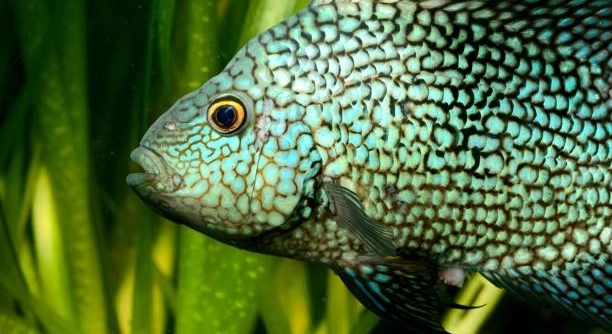
Many fish owners find themselves surprised when their Jack Dempsey fish suddenly behaves in ways they did not expect. Observing these changes can be both confusing and concerning for those caring for these popular freshwater fish.
Sudden shocks in Jack Dempsey fish behavior often result from environmental changes, water quality fluctuations, or dietary shifts. Stress, illness, and territorial disputes can also trigger noticeable reactions, affecting their activity, appetite, and interactions within the aquarium.
Understanding these triggers will help you maintain a stable environment and support your fish’s health, allowing you to address unexpected behaviors effectively and keep your aquatic habitat balanced.
Sudden Color Changes
Jack Dempsey fish can change color quickly, and it can be alarming if you are not prepared. These fish may darken, lighten, or develop blotches depending on stress, water quality, or health conditions. Lighting in the tank also plays a role, as bright or inconsistent lighting can make colors appear sharper or duller. During breeding, males especially may intensify their colors to display dominance. Temperature fluctuations in the water can further affect pigmentation, causing temporary changes that often resolve once conditions stabilize. Observing your fish regularly helps identify if the color shift is natural or indicates a problem. Proper diet, including protein-rich foods, supports vibrant coloration, while maintaining a consistent feeding schedule prevents sudden stress-related changes. If the changes persist, checking water parameters for ammonia, nitrate, or pH levels is essential, as these can directly influence stress and coloration.
Color changes are usually reversible with stable water conditions and balanced nutrition.
Keeping track of water quality, lighting, and behavior patterns ensures you can quickly respond to stress, supporting your Jack Dempsey’s health and maintaining its natural color over time.
Aggressive Behavior
Aggression in Jack Dempsey fish can occur unexpectedly, especially when new fish are added to the tank.
This behavior is often linked to territory, stress, or mating instincts. They may chase, nip, or corner other fish, which can cause injuries if not managed. Tank size and hiding spaces significantly influence aggression levels. Overcrowding amplifies conflicts, so providing adequate space and decorations like rocks or plants creates natural boundaries. Monitoring behavior closely helps prevent serious fights, while separating particularly aggressive individuals may be necessary. Changes in diet or water conditions can also trigger irritability, so maintaining consistency reduces tension. Males display heightened aggression during breeding, but females can also exhibit territorial behavior. Understanding their social hierarchy and adjusting tank conditions accordingly ensures a balanced environment.
Properly managing aggression involves observing patterns, adjusting habitat setup, and controlling population density. This allows your fish to thrive with minimal stress while coexisting peacefully with other tank mates, fostering a healthier aquarium environment.
Erratic Swimming
Jack Dempsey fish may swim erratically when stressed, sick, or when water conditions are unstable. Sudden movements, darting, or spinning often indicate discomfort or reaction to environmental changes.
Erratic swimming can stem from poor water quality, including high ammonia or nitrate levels, or sudden temperature changes. Overcrowded tanks or aggressive tank mates also contribute, as fish attempt to escape perceived threats. Parasites and infections may further trigger irregular swimming patterns, often accompanied by lethargy, loss of appetite, or clamped fins. Observing your fish’s overall behavior helps pinpoint the source of stress and take corrective action. Regular water testing, proper filtration, and stable temperatures minimize erratic movements.
Diet and feeding practices influence swimming as well. Overfeeding can create ammonia spikes, while sudden changes in food types may cause stress. Providing a consistent routine, monitoring interactions with other fish, and maintaining clean water reduces erratic behavior and supports overall health.
Loss of Appetite
A Jack Dempsey fish may suddenly refuse food due to stress, illness, or environmental shifts, affecting growth and energy.
Loss of appetite is often linked to water conditions, including improper pH, temperature, or poor filtration. Stress from aggressive tank mates, overcrowding, or sudden changes in surroundings can also cause reduced feeding. Illnesses like parasites, bacterial infections, or swim bladder problems frequently suppress appetite. Observing other symptoms such as lethargy, hiding, or unusual swimming patterns can help identify the underlying issue. Ensuring a balanced diet, feeding at regular intervals, and monitoring water parameters is essential to restore normal eating habits.
Treating the environment and health together is key. Adjusting tank conditions, maintaining stable temperatures, and offering high-quality food encourages eating. If illness is suspected, early treatment with appropriate medication prevents further decline. Monitoring behavior closely allows you to catch problems before they worsen, ensuring the fish remains active and healthy. Providing hiding spots and reducing stressors can also help the Jack Dempsey regain interest in food.
Clamped Fins
Clamped fins in Jack Dempsey fish indicate stress, poor water quality, or illness. Fins held close to the body reduce swimming efficiency and signal discomfort.
This behavior often occurs when ammonia or nitrate levels are high, water temperature fluctuates, or the fish is exposed to aggressive tank mates. Monitoring water conditions and reducing stress helps fins return to normal.
Rapid Gill Movement
Rapid gill movement usually signals oxygen deficiency, stress, or disease in Jack Dempsey fish. It can be a response to poor water circulation or high nitrate levels. Regular water testing and maintaining proper filtration ensures oxygen levels remain stable and reduces strain on the fish.
Hiding Frequently
Excessive hiding is a sign of stress or discomfort. Jack Dempsey fish retreat when the tank environment feels unsafe or when they are unwell.
FAQ
Why is my Jack Dempsey fish suddenly darker than usual?
Jack Dempsey fish often darken in response to stress, environmental changes, or breeding behavior. Sudden shifts in lighting, temperature, or water quality can trigger this change. Providing consistent conditions and monitoring water parameters helps the fish return to its normal color.
What causes erratic swimming in Jack Dempsey fish?
Erratic swimming can result from stress, poor water quality, or illness. High ammonia or nitrate levels, overcrowding, or aggressive tank mates may trigger sudden movements, darting, or spinning. Stable water parameters, adequate space, and observing behavior patterns help reduce erratic swimming.
Why is my Jack Dempsey not eating?
Loss of appetite often points to stress, illness, or environmental changes. Water conditions, aggressive neighbors, or sudden shifts in temperature can suppress feeding. Parasites, bacterial infections, or swim bladder problems may also be responsible. Maintaining stable water conditions, consistent feeding schedules, and high-quality food encourages normal eating.
How can I reduce aggression in my Jack Dempsey fish?
Aggression is commonly linked to territorial behavior, overcrowding, or breeding instincts. Providing hiding spaces, separating overly aggressive fish, and ensuring sufficient tank size helps minimize conflicts. Observing interactions and adjusting tank setup supports a balanced and peaceful environment.
Why are my Jack Dempsey’s fins clamped?
Clamped fins indicate stress, illness, or poor water quality. High nitrate or ammonia levels, sudden temperature changes, or aggression from other fish often cause this behavior. Monitoring water conditions, reducing stressors, and treating illnesses promptly restores fin health.
What causes rapid gill movement in Jack Dempsey fish?
Rapid gill movement signals oxygen deficiency, stress, or disease. Poor water circulation, high nitrate levels, or low oxygen concentration in the tank can trigger this reaction. Ensuring proper filtration, water circulation, and oxygen levels reduces strain and supports healthy respiration.
Why does my Jack Dempsey hide so often?
Frequent hiding is a natural response to stress, discomfort, or threats in the tank. New tank setups, aggressive tank mates, or illness can increase hiding behavior. Providing adequate hiding spots, reducing stress, and maintaining consistent water conditions encourages the fish to become more active.
How do I know if my Jack Dempsey is sick?
Signs of illness include loss of appetite, clamped fins, erratic swimming, discoloration, rapid gill movement, and excessive hiding. Monitoring behavior and water quality helps identify problems early. Prompt treatment with appropriate medications, combined with maintaining stable environmental conditions, improves recovery chances.
Can water changes improve my Jack Dempsey’s health?
Yes. Regular water changes remove toxins, reduce nitrate levels, and maintain stable conditions. This prevents stress-related behaviors, supports vibrant colors, encourages feeding, and helps prevent disease outbreaks. Consistency in water maintenance is key for long-term health.
How do I prevent sudden stress in Jack Dempsey fish?
Stress can be reduced by maintaining stable water temperature, proper pH, and clean water. Avoid sudden changes in tank setup, provide hiding spaces, control aggression, and feed a balanced diet. Observing behavior regularly allows for early adjustments before problems escalate.
What is the best diet for Jack Dempsey fish?
A balanced diet of high-quality pellets, occasional live or frozen food, and plant matter supports health, coloration, and energy levels. Feeding small amounts consistently reduces stress and prevents overfeeding, which can lead to water quality issues and erratic behavior.
How do I know if tank size is affecting my Jack Dempsey?
Small or overcrowded tanks increase aggression, stress, and erratic behavior. A spacious tank with proper decorations and hiding spots allows natural behavior and reduces conflicts. Monitoring activity levels and social interactions helps determine if the tank environment is sufficient.
Can temperature changes shock my Jack Dempsey fish?
Yes. Sudden rises or drops in water temperature cause stress, color changes, loss of appetite, and erratic swimming. Using a reliable heater and thermometer ensures stable temperatures, reducing stress and promoting overall health.
How often should I test my aquarium water?
Frequent testing for ammonia, nitrite, nitrate, and pH is crucial, especially after adding new fish or adjusting tank conditions. Regular monitoring prevents stress-related behaviors and allows timely corrections to maintain a safe environment for Jack Dempsey fish.
What should I do if my Jack Dempsey shows multiple shock behaviors?
Observe water parameters, tank conditions, and fish interactions immediately. Address any environmental issues, separate aggressive fish if necessary, and consult treatment for potential illnesses. Maintaining consistent conditions and a clean environment is essential for recovery and long-term health.
Are sudden changes in behavior always a sign of illness?
Not always. Environmental stressors, tank rearrangements, diet changes, or breeding behavior can cause temporary changes. Monitoring patterns over time, alongside water quality, helps determine if medical intervention is necessary. Stable conditions usually restore normal behavior.
Can other fish trigger stress in Jack Dempsey?
Yes. Aggressive tank mates, smaller fish being harassed, or overcrowding can trigger stress responses. Providing sufficient space, hiding spots, and compatible companions reduces tension and supports a more peaceful tank environment.
Is hiding a permanent behavior in stressed Jack Dempsey fish?
No. Hiding is often temporary, linked to stress, aggression, or new tank setups. With stable water, proper tank design, and reduced aggression, Jack Dempsey fish gradually explore the tank more actively.
How long does it take for Jack Dempsey fish to recover from stress?
Recovery depends on the cause and severity of stress. Correcting water quality, ensuring proper nutrition, reducing aggression, and maintaining stable conditions can lead to noticeable improvements within days to weeks. Monitoring behavior throughout this period is crucial.
What are the signs that my Jack Dempsey is healthy?
Bright, consistent coloration, active swimming, regular feeding, minimal hiding, and normal gill movement indicate a healthy fish. Stable interactions with tank mates and overall responsiveness reflect well-maintained environmental conditions and proper care.
How can I maintain a peaceful environment for Jack Dempsey fish?
Provide adequate tank space, hiding spots, compatible tank mates, stable water conditions, and a consistent feeding schedule. Regular maintenance, careful observation, and minimizing sudden changes reduce stress, aggression, and sudden behavioral shocks.
Can stress affect breeding behavior?
Yes. Stress can reduce mating activity, cause color dulling, and lead to territorial aggression. Maintaining a stable, low-stress environment with proper tank setup and nutrition supports natural breeding behaviors in Jack Dempsey fish.
Are there long-term effects of repeated shocks on Jack Dempsey fish?
Repeated stress can weaken the immune system, reduce lifespan, affect coloration, suppress appetite, and increase susceptibility to illness. Consistent care, monitoring, and maintaining optimal conditions help prevent long-term negative effects.
What is the most important factor to prevent sudden shocks?
Stable water quality, proper diet, adequate tank space, compatible tank mates, and a predictable environment are key. Observing behavior and acting promptly when changes occur ensures Jack Dempsey fish remain healthy and active.
How often should I feed my Jack Dempsey to prevent stress?
Feeding small, balanced meals one to two times daily maintains energy, reduces stress, and prevents water quality issues. Overfeeding can cause erratic behavior and worsen water conditions. Consistency is essential for healthy behavior.
Can seasonal changes affect my Jack Dempsey?
Yes. Temperature fluctuations or changes in natural light exposure may trigger color changes, hiding, or altered activity. Adjusting tank conditions to maintain consistency mitigates stress from seasonal variations.
Is it normal for Jack Dempsey to show sudden behavior changes?
Yes, occasional changes can occur due to minor stressors, feeding, or environment. Observing patterns, maintaining stable conditions, and monitoring water quality ensures changes are temporary and not harmful.
How can I tell the difference between stress and illness?
Stress often causes temporary hiding, color change, or erratic swimming without other physical symptoms. Illness typically includes visible signs like lesions, clamped fins, or prolonged appetite loss. Observing behavior over time and checking water parameters helps differentiate the two.
What steps prevent multiple stress triggers at once?
Maintain consistent water quality, avoid overcrowding, ensure proper diet, monitor tank interactions, and minimize sudden environmental changes. Addressing one factor at a time reduces overall stress and prevents compounded behavioral issues.
How do I encourage activity in a shy or stressed Jack Dempsey?
Provide hiding spots, reduce aggression from tank mates, and maintain stable water conditions. Gradually introducing enrichment, such as decorations or controlled feeding, encourages exploration while keeping stress minimal.
What role does tank decoration play in Jack Dempsey behavior?
Rocks, plants, and caves provide boundaries, reduce aggression, and give hiding spaces. Well-structured tanks support natural behavior, reduce stress, and prevent sudden shocks, particularly in territorial or breeding fish.
Are Jack Dempsey fish sensitive to noise or vibration?
Yes. Sudden loud noises, vibrations, or frequent tapping on the tank can trigger stress, color changes, or hiding. Minimizing disturbances around the tank maintains calm behavior.
Can I use water conditioners to reduce stress?
Yes. Conditioners remove chlorine, heavy metals, and other toxins, improving water quality and reducing stress. Regular use ensures a safer environment and supports overall fish health.
How important is consistency in care for Jack Dempsey fish?
Consistency in feeding, water maintenance, and tank conditions is critical. Stable routines prevent stress, maintain appetite, reduce aggression, and support overall health, minimizing sudden behavioral shocks.
How can I spot early signs of stress?
Early signs include hiding, clamped fins, minor color changes, erratic swimming, or reduced feeding. Prompt attention to water quality and environment prevents escalation and supports recovery.
What should I do if behavior does not improve after adjustments?
If behavior persists, recheck water parameters, inspect for illness, and consult an aquatic veterinarian. Targeted interventions may include medication, isolation, or further adjustments to tank conditions.
Can Jack Dempsey fish recover fully from repeated stress?
Yes, with proper care, water quality, nutrition, and reduced aggression, fish can recover. Continuous monitoring and preventive maintenance help restore normal behavior and long-term health.
Are juvenile Jack Dempsey more prone to shocks?
Juveniles are sensitive to water quality, tank mates, and environmental changes. Providing stable conditions, gentle handling, and consistent care helps young fish adjust and thrive.
How does tank lighting affect stress levels?
Bright or inconsistent lighting can increase stress and trigger color changes. Providing gradual light cycles and avoiding sudden shifts helps maintain calm behavior.
Can diet changes shock my Jack Dempsey?
Sudden changes in diet may cause temporary stress or loss of appetite. Introduce new foods gradually to avoid negative reactions and maintain stability.
What role does water hardness play in behavior?
Improper water hardness affects stress levels, color, and overall health. Maintaining parameters suitable for Jack Dempsey fish supports stable behavior and reduces shocks.
How can I track improvements in stressed fish?
Monitor feeding, swimming patterns, coloration, hiding, and interactions. Documenting changes helps evaluate interventions and ensures effective stress reduction.
Is quarantine necessary for new fish to prevent stress?
Yes. Quarantining new fish prevents disease introduction, reduces aggression, and allows controlled acclimation, minimizing stress for established Jack Dempsey fish.
Can temperature stabilization alone reduce shock behavior?
Temperature stability significantly reduces stress, prevents color shifts, and supports appetite. Combined with water quality management, it is a key factor in maintaining calm behavior.
How long should I observe my Jack Dempsey after changes?
Observe behavior daily for at least one to two weeks. Consistent monitoring helps identify improvements or ongoing issues that need intervention.
What are the safest ways to introduce new tank mates?
Introduce compatible species gradually, monitor interactions closely, and provide hiding spots. Adjust tank setup to minimize territorial conflicts and prevent stress.
Do Jack Dempsey fish respond to human presence?
Yes, they notice movement and activity near the tank. Calm and consistent interaction reduces stress and can support feeding and normal behavior.
How does tank size impact stress?
Insufficient space increases aggression, hiding, and erratic behavior. A larger tank with proper decoration allows natural behavior and reduces environmental stress.
Can frequent water changes cause stress?
Rapid or excessive water changes can shock fish by altering temperature, pH, or water chemistry. Gradual, partial changes are safer and maintain stability.
How can I prevent multiple behavior issues at once?
Maintain consistent water conditions, proper diet, adequate tank space, compatible tank mates, and minimal disturbances. Observing behavior helps address problems early before they escalate.
What is the most reliable indicator of a healthy Jack Dempsey?
Bright coloration, active swimming, regular feeding, normal gill movement, and minimal hiding reflect a healthy, unstressed fish thriving in a stable environment.
How can I support recovery after illness or stress?
Maintain optimal water quality, provide nutritious food, reduce aggression, and ensure hiding spots. Monitor behavior closely to confirm recovery and prevent recurrence of stress or illness.
Can stress impact lifespan?
Chronic stress weakens immunity, reduces appetite, and increases disease susceptibility, ultimately shortening lifespan. Maintaining stable conditions is critical for long-term health.
Are breeding behaviors affected by stress?
Yes. Stress reduces mating activity, color vibrancy, and increases territorial aggression. Stable conditions, low stress, and proper nutrition encourage natural breeding behaviors.
What is the best way to maintain long-term stability?
Consistent water parameters, balanced diet, adequate tank space, compatible tank mates, regular monitoring, and minimal disturbances ensure a healthy, stress-free environment for Jack Dempsey fish.
How can I prevent future shocks in my tank?
Regular maintenance, stable water conditions, gradual changes, careful introduction of new fish, and monitoring behavior prevents stress and supports overall health. Maintaining consistency is the most effective prevention strategy.
What signs indicate my Jack Dempsey is thriving?
Bright color, active swimming, normal appetite, low hiding behavior, and peaceful interactions indicate a thriving fish. Stability in behavior reflects good environmental conditions.
How important is observation in preventing problems?
Regular observation allows early detection of stress, illness, or aggression. Prompt action maintains health and prevents escalation of behavioral or environmental issues.
Can small changes trigger shocks?
Yes. Even minor shifts in lighting, water parameters, diet, or tank setup can stress Jack Dempsey fish. Gradual adjustments and careful monitoring reduce risk.
Is it normal for Jack Dempsey behavior to fluctuate?
Yes. Minor fluctuations are natural, often related to feeding, environment, or social interactions. Persistent or extreme changes indicate stress or illness requiring attention.
How does tank decoration affect hiding and aggression?
Rocks, plants, and caves provide boundaries and reduce stress. Proper decoration allows territorial expression while minimizing aggression and promoting natural behavior.
Can I improve water oxygen levels to reduce stress?
Yes. Aeration through filters, air stones, or circulation enhances oxygen levels, reducing rapid gill movement and stress, especially in crowded or warm tanks.
What is the role of consistency in feeding times?
Consistent feeding reduces stress, maintains energy levels, and prevents aggression or erratic behavior. Small, regular portions support overall health and stability.
How can I differentiate temporary stress from chronic issues?
Temporary stress resolves quickly after adjustments. Chronic stress shows persistent hiding, loss of appetite, color changes, or repeated erratic behavior, requiring deeper intervention.
Are Jack Dempsey fish resilient to minor environmental changes?
They are moderately resilient but repeated or extreme changes increase stress. Stability in water quality, temperature, and tank setup is essential to prevent shocks.
Can tank mates improve or worsen stress levels?
Compatible tank mates reduce stress, while aggressive or overcrowded conditions increase hiding, erratic swimming, and color changes. Careful selection supports a balanced aquarium.
Is it necessary to isolate stressed Jack Dempsey fish?
Isolation may be necessary if aggression or illness is present. A separate tank reduces stress, allows targeted treatment, and prevents escalation among other fish.
How do I manage water chemistry for minimal stress?
Maintain consistent pH, hardness, and nitrate levels. Frequent testing and gradual adjustments prevent shocks and support overall health.
Can Jack Dempsey recover from severe stress completely?
Yes, with prompt intervention, stable conditions, proper diet, and reduced aggression, fish can recover fully, regaining normal behavior and color.
What role does lighting play in stress management?
Stable, moderate lighting prevents color fluctuations and stress. Gradual light cycles mimic natural conditions, supporting calm behavior.
Are Jack Dempsey fish affected by sudden vibrations or movement?
Yes, vibrations or tapping can startle them, leading to hiding, erratic swimming, or color changes. Minimizing disturbances reduces stress and supports normal behavior.
How can I ensure multiple stress factors do not coincide?
Maintain consistent water quality, diet, temperature, and tank setup. Monitor fish behavior regularly to detect early signs of stress and intervene promptly.
What is the impact of water temperature swings?
Rapid temperature changes trigger color shifts, hiding, loss of appetite, and erratic swimming. Stable temperatures maintain comfort and reduce behavioral shocks.
How can I monitor for early disease signs?
Check for color changes, clamped fins, unusual swimming, rapid gill movement, or loss of appetite. Early detection allows effective treatment and recovery.
Is it normal for Jack Dempsey to show territorial aggression?
Yes, especially males. Territorial disputes may cause chasing, nipping, or cornering. Proper tank size, hiding spots, and compatible tank mates reduce conflicts.
Can overfeeding affect behavior?
Yes. Excess food causes water quality issues, leading to stress, erratic swimming, and aggression. Controlled portions prevent these problems.
How do I know if my Jack Dempsey is comfortable in its tank?
Comfortable fish swim actively, explore, feed normally, display bright color, and interact without excessive hiding or aggression.
What adjustments help stressed Jack Dempsey fish regain normal behavior?
Stabilize water quality, provide hiding spaces, reduce aggression, maintain proper diet, and monitor regularly. Gradual interventions restore activity, feeding, and coloration.
Can seasonal changes affect behavior?
Yes. Temperature and light variations influence activity, color, and feeding. Consistent tank conditions mitigate seasonal stress.
How do I prevent recurring shocks in Jack Dempsey fish?
Maintain stable water, consistent diet, adequate tank size, compatible tank mates, gradual environmental changes, and monitor behavior closely for early intervention.
Are there signs that indicate full recovery after stress?
Bright colors, normal swimming, regular feeding, minimal hiding, and calm interactions with other fish signal recovery and a healthy environment.
**What is the long-term benefit of reducing stress
Final Thoughts
Caring for Jack Dempsey fish requires attention to their environment, diet, and behavior. These fish are sensitive to changes in water quality, tank setup, and interactions with other fish. Sudden shifts in temperature, lighting, or chemical levels can cause stress, which often appears as color changes, hiding, erratic swimming, or loss of appetite. Regular observation is essential to notice these changes early. By testing water parameters frequently and maintaining stable conditions, it is possible to prevent many common issues. Small adjustments, like adding hiding spots or rearranging decorations thoughtfully, can make a significant difference in reducing stress and encouraging natural behavior. Understanding their basic needs and typical behaviors helps maintain a healthy and balanced aquarium environment.
Feeding practices also play a key role in maintaining the health of Jack Dempsey fish. A consistent schedule with balanced, high-quality food supports energy levels, growth, and vibrant coloration. Overfeeding or sudden changes in diet can upset the fish and the water quality, leading to additional stress. Providing a mix of pellets, frozen, or occasional live food ensures proper nutrition. Watching how your fish responds during feeding times gives insight into their overall well-being. Fish that eat actively and show normal swimming and social interactions are usually comfortable in their environment. Taking small, consistent steps to maintain water quality, food quality, and tank setup can prevent many of the behaviors that indicate stress or discomfort. Over time, these practices lead to a healthier fish that thrives in a controlled and well-managed aquarium.
Behavioral changes in Jack Dempsey fish often signal environmental or health concerns. Clamped fins, rapid gill movement, hiding, aggression, or erratic swimming are signs that something may need adjustment. Addressing these issues quickly by checking water parameters, reducing aggression from tank mates, and providing appropriate hiding spaces supports recovery. Stress, if left unchecked, can affect growth, immunity, and long-term health. By maintaining consistent care routines, monitoring daily behavior, and taking timely action when changes occur, it is possible to reduce stress and prevent illness. Ensuring stable conditions, adequate nutrition, and a well-structured tank allows Jack Dempsey fish to display natural behaviors, vibrant colors, and active swimming patterns. Regular attention to these details helps create an environment where the fish can thrive, recover from minor shocks, and remain healthy over the long term.

Hello,
If you enjoy the content that we create, please consider saying a "Thank You!" by leaving a tip.
Every little bit helps us continue crafting quality advice that supports the health, happiness, and well-being of pets around the world, for pets of all shapes, sizes, and species.
We really appreciate the kindness and support that you show us!