
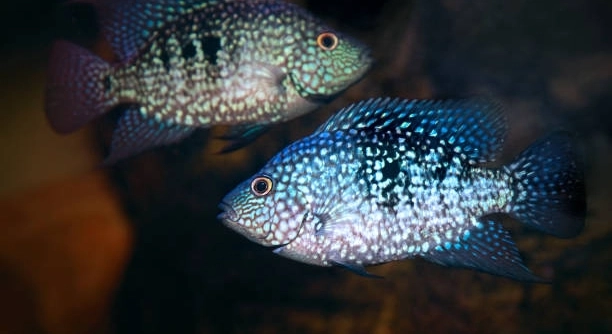
Many aquarists caring for breeding Jack Dempsey cichlids notice sudden changes in behavior during spawning periods. Understanding common stressors helps maintain calm tanks, supports healthy pairs, and encourages successful breeding outcomes for long-term aquarium stability.
The primary factors that upset a breeding Jack Dempsey include poor water quality, sudden environmental changes, territorial disruption, incompatible tank mates, noise, lighting instability, inconsistent feeding routines, and unnecessary handling, all of which elevate stress levels and interfere with reproduction.
Recognizing these triggers allows aquarists to refine care practices, reduce conflict, and promote a stable, productive breeding environment consistently successfully.
Poor Water Quality
I have learned that water quality plays a major role in the mood of breeding Jack Dempseys. Elevated ammonia, nitrites, or unstable pH levels place constant strain on their bodies. During breeding, this stress becomes more pronounced, leading to aggression, egg neglect, or failed spawns. Inconsistent temperature also disrupts hormonal balance and weakens immune response. Even small lapses in maintenance can cause noticeable behavioral shifts, such as hiding, fin flaring, or excessive digging. Clean, stable water supports proper oxygen exchange and reduces metabolic stress. Regular testing, controlled feeding, and scheduled water changes help maintain this balance. When water conditions remain predictable, breeding pairs are more focused on guarding eggs and coordinating roles. Stability allows natural behaviors to unfold without interference, supporting healthier offspring and calmer interactions throughout the tank environment. Consistent filtration and gentle flow further reduce tension and help adults conserve energy during demanding reproductive periods within controlled aquariums.
Breeding Jack Dempseys respond quickly to declining water conditions. What feels minor to the keeper often feels overwhelming to the fish. Clean water reduces conflict, protects eggs, and supports steady parenting behaviors during sensitive breeding phases. This foundation keeps stress low and outcomes predictable across multiple spawning cycles over time.
I personally noticed calmer behavior once I treated water care as a daily priority rather than a weekly task. Small, frequent water changes prevented sudden shifts and kept breeding pairs composed. Using a reliable heater and thermometer avoided temperature swings that previously caused agitation. I also limited overfeeding, which helped reduce waste buildup. Clear water improved visibility, allowing parents to monitor territory without constant patrolling. When water remained stable, spawning occurred more regularly, and fry survival improved. This consistency reduced my need for intervention and created a more predictable, peaceful breeding setup overall that supported long term tank harmony consistently.
Territorial Disruption
Breeding Jack Dempseys become highly protective of space. Any disturbance near their chosen site can trigger stress responses. Rearranging decor, adding fish, or frequent glass tapping interrupts their sense of control and increases aggressive displays within the tank. These actions break focus during critical nesting and guarding periods for adults.
I learned that once a breeding pair selects a spawning area, consistency matters more than aesthetics. Moving rocks or caves may seem harmless, yet it forces the fish to reestablish boundaries. This repeated adjustment raises tension and can lead to fin damage or egg loss. Crowded tanks worsen this issue because there is little room to retreat. Tank mates that wander too close are often chased relentlessly, creating constant agitation. Providing clear zones with stable structures reduces these conflicts. I found that leaving decor untouched during breeding periods helped pairs settle faster. Adequate tank size also played a role, allowing natural spacing and clearer territorial lines. Visual barriers, such as plants or wood, limited direct contact and reduced posturing. When territory felt secure, the breeding pair focused on cooperation rather than defense. This shift resulted in better egg care, fewer injuries, and a calmer atmosphere. Maintaining territorial stability supports predictable behavior and healthier breeding outcomes over time. I now plan layouts before spawning begins, ensuring shelters remain fixed. This preparation limits stress, supports parental roles, and prevents unnecessary interference from my routine maintenance during sensitive reproductive stages while maintaining clear observation without disturbing established territorial boundaries for breeding pairs consistently.
Incompatible Tank Mates
Breeding Jack Dempseys react strongly to unsuitable tank mates sharing their space. Fast swimmers, fin nippers, or similarly aggressive fish increase tension. During spawning, this pressure escalates quickly, leading to constant chasing, injuries, and disrupted parental behavior throughout the tank. This stress often prevents successful egg care and coordination efforts.
I noticed breeding pairs became calmer once incompatible fish were removed. Jack Dempseys need companions that respect boundaries and remain predictable. Large, slow moving species or species kept separately reduce daily confrontations. Community tanks rarely provide the stability required during breeding. Even peaceful fish may trigger guarding instincts when they approach eggs. Constant defense drains energy and increases mistakes. By limiting tank mates, I observed improved cooperation between parents. Fry survival increased because adults stayed focused. Isolation or species only setups consistently produced healthier spawns with less visible stress overall. This approach simplified maintenance and reduced unexpected behavioral conflicts significantly.
From my experience, planning tank population ahead of breeding prevents many problems. Removing extra fish after spawning often arrives too late. Stress has already altered behavior patterns. A calm environment supports natural instincts without constant interference. Selecting appropriate companions requires restraint, not variety. Breeding Jack Dempseys benefit from controlled surroundings rather than visual stimulation. Fewer fish mean clearer territories and less competition. This balance allows parents to divide roles effectively. When threats are minimal, aggression decreases and nurturing behaviors become more consistent throughout the breeding period. This approach reduced my interventions and improved long term breeding reliability across multiple spawns.
Lighting and Environmental Disturbances
Lighting changes and external disturbances affect breeding Jack Dempseys more than expected. Sudden light switches, flashing screens, or heavy foot traffic startle guarding pairs. During breeding, sensitivity increases. Stress responses include hiding, aggression, and egg abandonment. Consistent lighting schedules and limited movement near the tank help maintain focus and reduce unnecessary defensive behavior. I noticed calmer reactions once routines stayed predictable each day. This stability supported uninterrupted spawning and steady parental care throughout breeding cycles.
In my setup, controlling the environment extended beyond lighting. Vibrations from doors, loud music, or frequent maintenance disrupted breeding behavior. Jack Dempseys rely on consistent cues to regulate hormones and parenting roles. Irregular disturbances caused repeated resets in behavior, increasing conflict. I adjusted feeding, cleaning, and observation times to fixed schedules. This predictability reduced startled reactions and fin flaring. Covering tank sides minimized reflections that triggered defensive displays. Lower traffic areas proved better for breeding tanks. Once disturbances decreased, pairs guarded eggs more calmly and coordinated movements improved. Fry received steadier protection and feeding responses. These changes required minimal effort but produced noticeable improvements. Stability supported focus, reduced energy loss, and created a controlled space where breeding behaviors progressed naturally without constant interruption over time.
Inconsistent Feeding
Inconsistent feeding disrupts breeding Jack Dempseys quickly and noticeably during sensitive periods. Missed meals, sudden diet changes, or overfeeding create stress and confusion. Parents may abandon nests or show aggression. Reliable feeding schedules support energy needs, hormonal balance, and predictable behavior during spawning cycles for long term reproductive success stability.
I found consistent feeding times reduced tension between breeding pairs. Smaller portions given regularly prevented waste buildup and maintained water quality. High quality proteins supported stamina during guarding duties. Once feeding stabilized, adults stayed attentive to eggs, showed fewer disputes, and recovered faster after spawning events within controlled aquarium environments.
Excessive Handling
Excessive handling creates unnecessary stress for breeding Jack Dempseys and disrupts natural behaviors. Netting, frequent relocation, or constant tank interference increases fear responses. During breeding, this stress often leads to egg loss or defensive aggression. I limited contact once spawning began and observed immediate improvements. Allowing fish to manage their space reduced panic reactions. Maintenance tasks were spaced out and performed slowly. Visual observation replaced physical interaction. This restraint preserved trust and stability. Parents focused on guarding rather than escaping. Fry survival improved as disturbances declined. Minimal handling supports hormonal regulation, energy conservation, and parental roles throughout the breeding period.
Temperature Fluctuations
Temperature fluctuations quickly unsettle breeding Jack Dempseys and interfere with spawning behavior. Sudden drops or spikes strain metabolism and immune response. I relied on a stable heater and backup thermometer. Once temperatures remained consistent, aggression eased, egg development improved, and overall breeding outcomes became more predictable across controlled aquarium conditions.
FAQ
Why does my breeding Jack Dempsey suddenly become aggressive toward its partner?
Sudden aggression often stems from environmental stress rather than personality changes. Shifts in water quality, temperature instability, or external disturbances can disrupt hormonal balance. I noticed aggression increased when maintenance routines changed unexpectedly. Once conditions stabilized, cooperation returned. Monitoring water parameters daily helped reduce tension between pairs.
Can tank size affect breeding behavior and stress levels?
Tank size plays a major role in breeding success. Smaller tanks limit territory and increase forced interaction. I observed calmer behavior after upgrading to a larger tank that allowed clear nesting zones. More space reduced constant patrol behavior and lowered injury risks during guarding periods.
Is it normal for breeding Jack Dempseys to chase all other fish constantly?
This behavior is common during spawning. Guarding instincts intensify, and any movement feels like a threat. In my experience, this chasing becomes exhausting for the pair. Removing other fish before breeding reduced stress and improved egg care consistency.
How often should water changes be done during breeding?
Frequent small water changes work better than large ones. I performed smaller changes every few days to avoid sudden shifts. This approach kept water clean without startling the fish. Stability mattered more than volume during breeding periods.
Does lighting duration affect breeding success?
Yes, inconsistent lighting disrupts daily rhythms. I kept lighting on a fixed timer to avoid sudden changes. Once light exposure stayed predictable, breeding behavior became more consistent. Erratic lighting increased hiding and defensive responses in my setup.
Why do some breeding pairs eat their eggs?
Egg eating often results from stress or inexperience. Poor water conditions, constant disturbance, or perceived threats can trigger this response. I noticed egg loss decreased once the environment stayed quiet and stable. With time, experienced pairs usually improve their care.
Can feeding live food increase aggression during breeding?
Live food can heighten activity levels. In my tank, excessive live feeding increased territorial disputes. I balanced live food with high quality prepared options. This maintained nutrition without overstimulation during sensitive periods.
Should filtration be adjusted during breeding?
Strong currents can disturb nests and stress parents. I adjusted flow to remain gentle while maintaining filtration efficiency. This prevented debris buildup without disrupting eggs. Balanced flow supported both water quality and nesting stability.
Is glass tapping really harmful during breeding?
Yes, repeated tapping startles guarding fish. I noticed immediate defensive reactions when movement near the tank increased. Reducing interaction near the glass improved calmness and focus. Visual barriers also helped reduce perceived threats.
How long does breeding stress usually last?
Stress levels peak during spawning and early egg guarding. In stable conditions, behavior settles within days. I found that once fry became free swimming, aggression gradually decreased. Consistency shortened recovery time significantly.
Can temperature changes at night affect breeding?
Nighttime drops can disrupt metabolism. I used a reliable heater to maintain steady temperatures. Once overnight fluctuations stopped, spawning frequency improved. Consistency supported predictable breeding cycles.
Does rearranging decor after spawning cause problems?
Yes, it often resets territorial boundaries. I learned to leave decor untouched until breeding concluded. Moving structures increased agitation and led to egg neglect. Planning layout ahead of time prevented this issue.
Are breeding Jack Dempseys sensitive to noise?
They respond to vibrations more than sound. Loud environments increased skittish behavior in my tank. Placing the aquarium in a quieter area reduced sudden reactions. This supported calmer guarding behavior.
How can I tell if stress is affecting egg development?
Poor egg coloration, fungus growth, or abandonment often signal stress. I monitored egg appearance daily. Improvements followed environmental adjustments. Early detection helped prevent repeated failures.
Should breeding pairs be separated after spawning?
Separation is usually unnecessary unless aggression escalates. In my experience, stable pairs worked better together. Removing one parent sometimes increased stress. Observation guided my decisions rather than routine separation.
Does frequent observation stress breeding fish?
Constant close observation can be disruptive. I limited viewing time and avoided sudden movements. Calm observation from a distance allowed me to monitor progress without causing defensive behavior.
Can water chemistry changes from medications affect breeding?
Yes, medications alter water balance. I avoided treatments during breeding unless absolutely necessary. Preventative care before spawning proved more effective. Stable chemistry supported better outcomes.
Is it better to breed Jack Dempseys in a dedicated tank?
A dedicated tank provided the best results for me. Controlled conditions reduced stress factors. Breeding became more predictable and manageable. This setup simplified care and improved fry survival consistently.
Final Thoughts
Breeding Jack Dempseys requires patience, consistency, and respect for their natural behaviors. Throughout this process, I learned that most issues arise from preventable stress factors rather than the fish themselves. Stable water quality, controlled environments, and predictable routines form the foundation of successful breeding. When these elements remain consistent, breeding pairs show calmer behavior, better coordination, and stronger parental instincts. Small details, such as lighting schedules, tank placement, and feeding times, often have a greater impact than expensive equipment. Breeding is not about constant intervention but about creating conditions where fish feel secure enough to act naturally. Once stress is reduced, many behavioral problems resolve on their own. This approach simplifies care and reduces frustration for the keeper while supporting healthier outcomes for both parents and fry.
I also found that restraint plays a major role in long term success. Avoiding unnecessary changes during breeding periods helps maintain stability. Rearranging decor, adding tank mates, or adjusting routines may seem harmless, but these actions often disrupt established patterns. Breeding Jack Dempseys rely on familiarity and territorial confidence. When that confidence is interrupted, stress responses follow quickly. Observation becomes more valuable than interference during these stages. Watching behavior closely allows adjustments to be made thoughtfully rather than reactively. Over time, this mindset builds trust in the process. Each breeding cycle provides insight into what works and what does not. Learning from these patterns helps refine care practices and reduces future challenges.
Breeding should feel structured rather than stressful for both the fish and the keeper. Creating a calm environment benefits every stage, from courtship to fry development. When conditions remain predictable, breeding becomes more reliable and less demanding. I noticed improved results once I focused on consistency instead of perfection. Accepting minor imperfections while maintaining core stability proved more effective than constant adjustments. Every tank setup differs slightly, but the principles remain the same. Stability, patience, and respect guide better outcomes. By prioritizing these elements, breeding Jack Dempseys becomes a manageable and rewarding experience. The process becomes less about correcting problems and more about supporting natural behavior. This balanced approach encourages healthier fish, stronger parental care, and a more enjoyable experience overall for those committed to responsible aquarium breeding.

Hello,
If you enjoy the content that we create, please consider saying a "Thank You!" by leaving a tip.
Every little bit helps us continue crafting quality advice that supports the health, happiness, and well-being of pets around the world, for pets of all shapes, sizes, and species.
We really appreciate the kindness and support that you show us!