
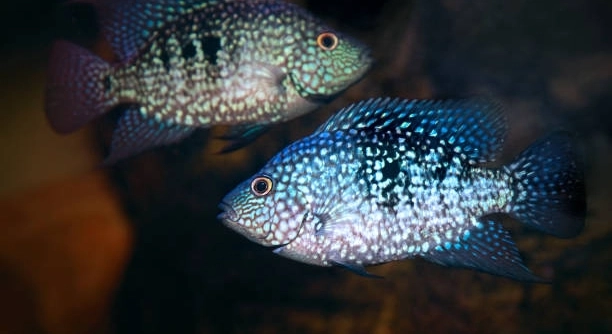
Have you ever noticed your Jack Dempsey fish swimming lazily and ignoring the food you offer? It can be frustrating when a usually active fish suddenly stops eating, leaving you unsure of what to do next.
A Jack Dempsey fish may refuse food due to water quality issues, stress, illness, or improper diet. Addressing these factors with consistent care, proper feeding, and a suitable environment can help restore normal appetite effectively.
Learning how to recognize the signs and respond quickly will make caring for your Jack Dempsey much easier and keep it healthy over time.
Check Water Quality First
Maintaining clean water is the most important step for a healthy Jack Dempsey. Poor water conditions can stress your fish and make it stop eating. Regularly test for ammonia, nitrites, nitrates, and pH levels. Change 20–30% of the water weekly to keep it balanced. Avoid sudden temperature swings, as Jack Dempseys prefer water between 74–80°F. Ensure the filter is working properly and remove uneaten food promptly to prevent decay. Keeping decorations and substrate clean also helps. Observing your fish daily will show if water quality might be affecting its appetite. Signs of stress include hiding, clamped fins, or unusual swimming patterns. Maintaining stable conditions gives your Jack Dempsey confidence to eat regularly. Even small changes in water can impact behavior, so gradual adjustments are key. Consistency builds trust and encourages feeding over time.
Clean water directly affects your Jack Dempsey’s appetite. Regular monitoring, partial water changes, and proper filtration reduce stress and promote normal eating patterns effectively.
Proper water quality supports overall fish health and reduces disease risk. Stress from poor conditions can suppress appetite and weaken immunity. By keeping the tank stable, your Jack Dempsey will recover more quickly if it has been refusing food. Regular testing, gradual water adjustments, and a clean environment all contribute to encouraging feeding. Even minor improvements in water chemistry can make a noticeable difference, allowing your fish to resume normal behavior.
Adjust Feeding Habits
Offering smaller portions can make your Jack Dempsey more willing to eat. Overfeeding can lead to disinterest or digestive problems.
If your fish ignores pellets or flakes, try a varied diet including live, frozen, or fresh options. Feed twice daily in controlled amounts to stimulate appetite. Remove uneaten food after a few minutes to avoid water contamination. Watching how your fish reacts to different foods helps identify preferences. Sometimes a new type of food can trigger interest, especially if the tank has been quiet and uneventful. Consistency in feeding times also creates a routine that encourages regular eating. Keep in mind that Jack Dempseys are territorial, so ensure other fish do not interfere during feeding. Offering high-protein foods like small shrimp or worms can help entice a reluctant eater. Observing and adjusting feeding habits carefully will often restore appetite without extra stress.
Reduce Stress in the Tank
Stress can make your Jack Dempsey stop eating quickly. Avoid sudden movements, loud noises, or frequent handling around the tank.
Providing hiding spots like caves, plants, or decorations gives the fish a sense of security. Overcrowding can also cause stress, so keep the number of tankmates reasonable. Observing interactions between fish helps identify aggressive behavior that may intimidate your Jack Dempsey. Lighting that mimics natural day and night cycles reduces tension, as sudden bright lights can startle them. Temperature stability is crucial, as fluctuations create stress that lowers appetite. Gentle water flow instead of strong currents also helps your fish feel comfortable. Reducing external stressors allows your Jack Dempsey to regain confidence and eat normally, supporting overall health and activity in the tank environment.
Even minor stressors like frequent cleaning or rearranging decorations can affect appetite. Allow your Jack Dempsey to acclimate gradually to changes, keeping handling minimal. Watching body language—such as hiding, rapid breathing, or clamped fins—provides clues about stress levels. Adjusting tank setup and reducing interactions with aggressive fish improves comfort. Stable water temperature and gentle filtration help the fish feel secure. Once stress is minimized, appetite often returns, and the fish becomes more active. Providing consistent, calm conditions ensures feeding habits remain steady, promoting long-term health and normal behavior.
Reducing stress also prevents disease susceptibility. Stress weakens immunity and can make the fish prone to infections. Observing the tank for bullying or rapid movements allows intervention before issues escalate. Maintaining consistent care, water quality, and feeding routines gives your Jack Dempsey the environment it needs to feel secure.
Monitor for Illness
Signs of illness often show in behavior and appearance. Loss of appetite may indicate internal or external health problems.
Check for unusual marks, discoloration, or fin damage. Swollen belly, bloating, or rapid gill movement are also indicators. Keeping a close eye on these changes allows early detection. Quarantining sick fish prevents the spread of disease. Regular observation of swimming patterns and interactions with other fish can highlight health issues. Prompt response with appropriate treatment or consultation improves recovery chances. Feeding high-quality, easy-to-digest foods supports weakened fish. Maintaining optimal water conditions alongside monitoring symptoms helps your Jack Dempsey recover and resume normal eating habits.
Illness can be caused by parasites, bacterial infections, or poor diet. Some signs are subtle, like lethargy or slight color changes, which makes careful observation important. Quarantining new fish reduces risk of introducing disease to the main tank. Treating illnesses early often requires medications, adjustments in feeding, or minor tank changes. Supportive care, like improving water quality and minimizing stress, strengthens the fish’s immune system. Healthy, responsive fish usually resume normal feeding once treatment and conditions stabilize. Keeping a close eye on interactions and behavior ensures problems are addressed quickly, maintaining the fish’s appetite and overall well-being.
Adjust Tank Temperature
Jack Dempseys are sensitive to temperature changes. Keeping water too cold or too warm can reduce appetite and activity.
Maintain a stable temperature between 74–80°F. Sudden fluctuations can stress the fish and make it avoid food, so use a reliable heater and thermometer to monitor the tank consistently.
Offer Variety in Food
Sometimes Jack Dempseys ignore food because it lacks variety. Feeding only pellets or flakes may lead to disinterest. Introducing live or frozen options like bloodworms, brine shrimp, or small insects can encourage eating. Rotating different types of protein-rich foods keeps meals appealing and stimulates natural hunting instincts, helping maintain regular feeding behavior.
Check Tank Mates
Aggressive or overly active tank mates can intimidate Jack Dempseys. Ensure other fish do not bully or outcompete them during feeding. Monitoring interactions helps maintain a calm environment where your fish feels safe to eat.
Maintain Proper Lighting
Consistent day-night cycles improve feeding behavior. Avoid abrupt or bright lights during feeding times, as it may startle the fish and reduce appetite.
Why isn’t my Jack Dempsey eating at all?
A Jack Dempsey may refuse food due to stress, illness, or poor water quality. Check for changes in behavior, water parameters, and tank conditions. Overcrowding, aggressive tank mates, or sudden temperature changes can all make the fish stop eating temporarily. Monitoring and correcting these issues usually restores appetite.
Can water quality really affect feeding?
Yes. Poor water conditions cause stress and suppress appetite. High ammonia or nitrite levels, unbalanced pH, and sudden temperature swings can make Jack Dempseys hesitant to eat. Regular testing, partial water changes, and proper filtration create a stable environment that encourages normal feeding behavior.
Is my Jack Dempsey sick if it won’t eat?
Loss of appetite is often a first sign of illness. Look for fin damage, discoloration, bloating, rapid gill movement, or lethargy. Internal parasites, bacterial infections, or viral issues can all affect feeding. Early detection and treatment, along with supportive care, improve recovery chances.
How can I make my Jack Dempsey eat again?
Offering variety in diet helps. Live or frozen foods like bloodworms, brine shrimp, and small insects can entice eating. Feeding smaller portions twice daily, removing uneaten food, and maintaining a calm environment also encourages feeding. Gradual introduction of new foods can stimulate appetite without stress.
Do tank mates influence feeding habits?
Yes. Aggressive or overly active tank mates may intimidate a Jack Dempsey, preventing it from eating. Ensure compatible species and monitor interactions. Providing hiding spots and feeding in multiple locations reduces competition, allowing your fish to feel safe during meals.
Can temperature changes affect appetite?
Jack Dempseys prefer stable water temperatures between 74–80°F. Sudden fluctuations cause stress and reduce feeding interest. Using a reliable heater, monitoring with a thermometer, and avoiding drastic changes during water changes keeps the fish comfortable and more willing to eat.
What role does stress play in appetite loss?
Stress weakens the fish’s immune system and lowers interest in food. Common stressors include loud noises, sudden movements, overcrowding, and strong currents. Reducing stress with hiding spots, calm handling, and stable tank conditions supports feeding recovery.
Are there specific signs that indicate serious health issues?
Yes. Persistent refusal to eat, swelling, discoloration, rapid breathing, clamped fins, or unusual swimming patterns can indicate serious illness. Observing these signs early allows prompt treatment, which increases the likelihood of regaining normal appetite and overall health.
How often should I monitor feeding habits?
Daily observation is important. Watch your Jack Dempsey during feeding to note changes in appetite, behavior, and interactions. Keeping records of food preferences, amounts eaten, and activity helps identify potential problems before they become serious.
Can diet alone fix a non-eating Jack Dempsey?
Diet changes can help, but they often need to be paired with proper tank conditions and stress reduction. High-protein foods, live or frozen options, and consistent feeding routines support appetite, but the fish also needs a clean, stable environment to resume normal eating habits.
Is quarantining necessary if a Jack Dempsey refuses food?
Quarantining may be useful if illness is suspected. Separating the fish from others prevents disease spread and allows careful monitoring of feeding behavior. Treating the fish in a quiet, controlled environment can increase appetite and speed recovery.
How long can a Jack Dempsey go without eating safely?
Healthy adult Jack Dempseys can survive a few days to a week without food, but prolonged refusal can weaken immunity. Early intervention with improved conditions, diet variety, and stress reduction is important to prevent serious health issues.
Can lighting affect appetite?
Yes. Consistent day-night cycles help regulate feeding behavior. Bright or abrupt lighting during meals can startle the fish, making it hesitant to eat. Gradual, gentle lighting and consistent routines encourage normal feeding habits.
When should I consult a veterinarian?
If your Jack Dempsey refuses food for several days, shows physical signs of illness, or exhibits unusual behavior, a veterinarian specializing in fish should be consulted. Professional advice ensures correct diagnosis and treatment, improving the chances of regaining appetite and health.
Is it normal for a Jack Dempsey to skip meals occasionally?
Occasional skipped meals are usually not serious, especially if the fish is otherwise active. Temporary changes in environment, minor stress, or routine adjustments can lead to short-term appetite loss. Continuous observation ensures that skipped meals do not turn into long-term feeding problems.
How can I maintain appetite long-term?
Consistent water quality, stable temperature, low-stress environment, proper tank mates, and a varied diet keep Jack Dempseys eating regularly. Monitoring health, feeding behavior, and interactions ensures long-term appetite maintenance and supports overall fish well-being.
Taking care of a Jack Dempsey fish requires attention to its environment, diet, and behavior. A fish that stops eating is often signaling that something is off in its tank or routine. Small adjustments can make a big difference, from checking water quality to reducing stress. Keeping the water clean, maintaining stable temperature, and providing hiding spots all create a safe space where the fish feels comfortable. Stress is one of the main reasons for appetite loss, so ensuring that your fish can swim freely without fear of aggressive tank mates helps it regain interest in food. Observing behavior daily makes it easier to spot early signs of trouble and respond before the problem grows. Even minor changes, like rearranging decorations slowly or feeding in quiet periods, can encourage a Jack Dempsey to eat again.
Diet plays an equally important role in keeping your fish healthy and interested in food. While many people rely on pellets or flakes, variety often stimulates appetite. Offering live or frozen foods like bloodworms, brine shrimp, or small insects can make meals more appealing. Rotating types of food also mimics natural feeding habits, which can motivate the fish to eat more consistently. Overfeeding or leaving food in the tank too long can affect water quality, which in turn reduces appetite. Controlled portions given at regular times help maintain routine and minimize waste. Monitoring what your Jack Dempsey prefers over time allows you to tailor feeding and ensure it receives the right nutrition without creating stress or contamination in the tank.
Health and early detection of illness are critical to preventing long-term problems. Loss of appetite is often the first sign that something is wrong, whether it is related to parasites, bacterial infections, or other conditions. Observing your fish for changes in color, fin condition, breathing, or swimming patterns allows early action. If a problem persists, quarantining the fish and seeking professional advice may be necessary. Combining proper care, stress reduction, and a balanced diet usually restores appetite and keeps the fish active and healthy. Consistency in tank maintenance, feeding habits, and observation ensures that your Jack Dempsey continues to thrive. By paying attention to these factors, you create a stable environment that supports overall well-being, prevents illness, and encourages natural feeding behavior over time.

Hello,
If you enjoy the content that we create, please consider saying a "Thank You!" by leaving a tip.
Every little bit helps us continue crafting quality advice that supports the health, happiness, and well-being of pets around the world, for pets of all shapes, sizes, and species.
We really appreciate the kindness and support that you show us!