
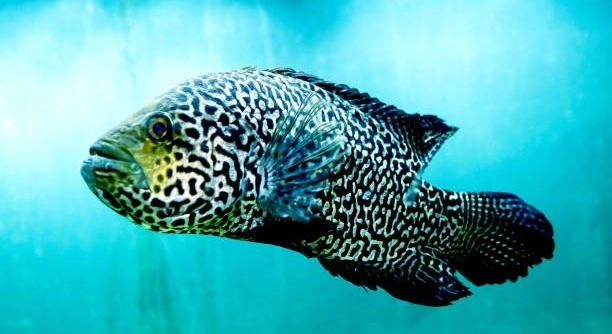
Jack Dempsey fish are known for bold behavior and clear social habits within aquariums. Their daily movements, colors, and postures quietly reveal how they interact, assert space, and maintain order among tank mates calmly together.
Jack Dempsey fish communicate through visual signals including body positioning, color changes, fin displays, and movement patterns. These signals regulate dominance, reduce conflict, support mating behavior, and coordinate territorial boundaries, allowing stable social structures to form within confined aquatic environments.
Observing these subtle behaviors helps aquarists better interpret interactions, improve tank conditions, and foster healthier relationships among Jack Dempsey fish.
Body Posture and Territory Display
I often notice Jack Dempsey fish using body posture to communicate strength and intent. A raised body, flared fins, and slow movements signal confidence and control within a shared space. These displays help establish territory without constant physical contact. When one fish holds its ground, others usually respond by retreating or adjusting their position. This reduces stress and limits injury over time. In smaller tanks, posture becomes even more important because space is limited. Clear visual signals replace repeated chasing. Over time, fish learn each other’s boundaries and routines. This silent exchange keeps daily interactions predictable. Observing posture changes can also reveal mood shifts, such as agitation or readiness to spawn. Paying attention to these signals allows better tank management and supports a calmer environment overall. It also helps me anticipate conflicts early and adjust layouts before minor tension develops into ongoing aggressive behavior between dominant and submissive fish pairs.
Posture signals appear subtle, yet they guide daily order inside the tank. Recognizing raised fins or angled bodies helps predict reactions. These signs often replace direct aggression, creating structure. With time, observation makes these patterns easier to notice and understand clearly during feeding, resting, and breeding periods within shared aquariums.
Color shifts often accompany posture changes in Jack Dempsey fish. Darkening tones usually indicate dominance or irritation, while lighter shades suggest submission or calm states. I have found these changes useful during tank adjustments. Sudden color shifts may signal stress from overcrowding or environmental imbalance. When conditions improve, colors stabilize. Monitoring coloration alongside posture offers a clearer picture of social balance. This combined approach supports healthier interactions and reduces unnecessary intervention. Consistent observation builds familiarity, making it easier to spot issues before they affect overall fish well being across different ages, sizes, and established hierarchy stages within captive tank systems.
Fin Movement and Distance Signals
Fin movement plays a quiet but important role in communication. Slow, wide fin spreads show confidence, while tight fins signal caution. I rely on these cues during introductions. They help gauge tolerance levels and prevent unnecessary clashes when new fish enter established spaces within shared tanks and breeding setups safely.
Distance between fish is another clear signal that often goes unnoticed. Jack Dempsey fish maintain personal space to reduce tension. A dominant fish may approach slowly, stopping short to assert control without contact. Subordinate fish usually respond by drifting away or lowering posture. I watch spacing closely during feeding times, when competition increases. Tight grouping may signal stress, while steady spacing suggests balance. Changes in distance can also reflect breeding readiness, with pairs staying closer while others are kept away. Managing decor placement helps support natural spacing. Rocks, caves, and plants create visual breaks that lower pressure. When fish can avoid each other, conflicts drop. This approach has helped me maintain stability even in active tanks. Understanding distance signals encourages thoughtful layout choices. Over time, fish appear calmer, and routines become smoother. These small adjustments support long term health and predictable behavior patterns. Consistent spacing also reduces rapid chasing and limits exhaustion. I adjust feeding zones to spread movement evenly. This simple habit lowers competition, improves growth rates, and supports a more stable social structure over extended periods especially in mixed size groups where dominance shifts naturally with age and physical development over time within confined aquatic systems carefully managed.
Mouth Gestures and Jaw Displays
Jack Dempsey fish often use mouth gestures to signal warning without biting. Open jaws, slight snapping, and slow approaches communicate limits. I see this behavior most during feeding or territory shifts. These gestures prevent constant fighting and help maintain hierarchy within the tank during shared living conditions over time naturally.
Mouth displays become more frequent when space is limited or when fish mature. A dominant fish may hold its mouth open longer, asserting presence without contact. Subordinate fish usually respond by retreating or lowering posture. I monitor this closely, since repeated jaw displays can signal rising tension. Rearranging decor often reduces these interactions. Providing caves and visual barriers allows fish to reset distance. When mouth signaling decreases, overall movement becomes calmer. This pattern shows communication working properly. Understanding these signals helps prevent escalation and reduces the need for separation in established tanks during long term care periods at home aquariums.
I have noticed younger Jack Dempsey fish experiment with mouth gestures more clumsily. Their signals lack consistency, leading to brief chases. Over time, these actions become controlled and purposeful. Clear hierarchy reduces excessive displays. Consistent lighting, stable feeding schedules, and adequate space support this process. When fish feel secure, signaling remains brief and effective. Watching mouth behavior has helped me adjust stocking decisions. It also guides when to separate individuals temporarily. These observations improve tank stability and long term health across different tank sizes and social groupings during routine observation periods in home aquarium setups with mixed age fish populations.
Chasing Patterns and Submission Signals
Short chasing bursts are common signals rather than true aggression. A dominant fish may rush forward, then stop suddenly. This motion establishes rank. I watch for length and frequency. Brief chases usually end quickly. Longer pursuits suggest imbalance. Submissive fish often tilt sideways or flee. These reactions communicate acceptance of rank. Recognizing these patterns helps maintain peace and prevent exhaustion within shared tanks over extended care periods and varied social group sizes observed consistently daily.
Chasing behavior increases during breeding readiness or environmental changes. Rearranging decor or adjusting lighting can reduce repeated pursuits. I space feeding zones to limit competition. When chasing remains constant, separation may be necessary. However, brief chases serve communication purposes. They clarify boundaries and reinforce order. Observing body angle during pursuit adds context. A fish that stops quickly shows restraint. One that corners another signals stress. Providing hiding spaces helps weaker fish recover. Over time, chasing decreases as hierarchy stabilizes. Monitoring these interactions daily has helped me maintain balance. Calm tanks show predictable movement and fewer injuries. This approach supports steady growth and healthier behavior patterns across different tank sizes and mixed age groups over long periods in carefully managed home aquariums with consistent observation habits.
Tail Flicks and Movement Cues
Jack Dempsey fish use tail flicks to signal irritation or warning. A sharp flick often appears before chasing or jaw displays. I notice this during feeding time. These movements help release tension and communicate limits without constant physical contact between nearby fish within shared tanks during routine daily interactions periods.
Repeated tail movements can indicate stress when space feels limited. I adjust decor when flicking increases. Adding plants or rocks creates visual breaks. When tail signaling decreases, swimming becomes smoother. This response shows the environment supports calmer interaction and balanced behavior among fish in shared aquariums over extended care periods.
Color Intensity and Mood Changes
Color intensity plays a clear role in communication between Jack Dempsey fish. Darker shades often signal dominance, agitation, or breeding readiness. Lighter colors suggest submission or calm states. I watch color shifts closely after tank changes. Sudden darkening may reflect stress from crowding or poor layout. Stable conditions usually restore balanced tones. Lighting also affects perception, so consistency matters. When colors remain steady, interactions feel predictable. Pairing color observation with posture offers stronger insight. This habit helps prevent conflict, supports healthier hierarchy development, and improves long term stability in home aquariums across varied tank sizes, ages, and social groupings observed.
Pair Bonding and Breeding Signals
Breeding signals appear through combined color, posture, and movement changes. Pairs stay closer while excluding others. I notice reduced aggression toward the chosen mate. Recognizing these signals helps protect eggs and reduce disruption by adjusting tank space and visual barriers during spawning periods in shared aquariums with attentive daily monitoring.
Do Jack Dempsey fish communicate without making physical contact?
Yes, Jack Dempsey fish rely heavily on visual signals instead of physical contact. Body posture, color shifts, fin movement, and spacing all work together to send clear messages. I have seen situations where no biting occurs because these signals are understood. This reduces injury and long term stress. When tanks are arranged properly, communication remains mostly visual. Fish that understand each other’s signals rarely need to escalate behavior. This form of interaction is especially important in confined spaces, where constant physical conflict would cause harm. Visual communication allows order to form naturally. Over time, fish become more predictable. This makes daily care easier and helps maintain a stable environment.
Why do Jack Dempsey fish suddenly change color?
Color changes are tied to mood, dominance, stress, and breeding readiness. Darker colors often appear when a fish feels threatened or dominant. Lighter tones suggest submission or calm behavior. I notice color changes most after tank rearrangements or when adding new fish. Sudden shifts usually signal discomfort. When conditions stabilize, colors often return to normal. Lighting, water quality, and space all influence coloration. Watching these changes closely helps identify issues early. Color signals are not random. They provide useful feedback about social balance and environmental comfort. Consistent color patterns usually indicate that the tank setup is working well.
Is chasing always a sign of aggression?
Chasing is not always aggressive. Short, controlled chases often serve as communication. They reinforce hierarchy and establish boundaries. I pay attention to how long the chase lasts. Brief chases that stop quickly usually mean order is being maintained. Long or repeated chases suggest stress or imbalance. Submissive fish often respond by retreating or changing posture. This ends the interaction without injury. Understanding this difference helps avoid unnecessary separation. Chasing becomes problematic only when it is constant or leads to exhaustion. In balanced tanks, chasing decreases as fish settle into roles.
How do Jack Dempsey fish show submission?
Submission is shown through lowered posture, lighter coloration, reduced fin display, and retreating movement. A submissive fish often avoids eye contact and keeps distance. I see this behavior clearly after dominance is established. These signals help prevent repeated conflict. Once submission is recognized, dominant fish usually reduce pressure. This creates a predictable social structure. Recognizing submission signs helps determine whether interactions are healthy. When submission is ignored, stress increases. Proper tank layout supports escape routes, allowing submissive fish to signal clearly and recover without constant harassment.
Can tank setup affect how signals are used?
Tank setup has a strong influence on communication. Open spaces without visual breaks increase tension. I have found that adding rocks, caves, and plants reduces signaling intensity. Visual barriers allow fish to avoid constant displays. This lowers stress and limits chasing. Proper spacing helps fish rely on subtle signals instead of aggressive behavior. Poor layouts force fish into constant interaction. This leads to overstimulation. A thoughtful setup supports natural signaling patterns. When fish can choose distance, communication becomes calmer and more effective.
Do Jack Dempsey fish recognize individual tank mates?
Yes, Jack Dempsey fish appear to recognize familiar tank mates. Over time, signaling becomes less frequent and more controlled. I notice fewer displays between established groups. New fish trigger increased signaling as roles are reassessed. Familiarity reduces uncertainty. This allows fish to rely on learned responses instead of constant testing. Recognition helps stabilize hierarchy. It also reduces stress related to repeated dominance checks. Long term tank residents tend to interact smoothly when conditions remain stable.
How can owners reduce miscommunication between fish?
Reducing miscommunication starts with stable conditions. Consistent lighting, feeding times, and water quality help signals remain clear. I avoid sudden changes whenever possible. Rearranging decor slowly allows fish to adjust. Overstocking increases confusion and stress. Providing adequate space supports proper signaling. Observation is key. Watching daily interactions reveals patterns. When signals escalate, small adjustments often resolve the issue. Supporting natural communication leads to healthier behavior and a calmer tank overall.
Final Thoughts
Understanding how Jack Dempsey fish communicate with each other changes the way their behavior is viewed in an aquarium setting. What may seem like random movement or aggression often serves a clear purpose. Posture, color changes, spacing, and movement all work together to maintain order. When these signals are respected, conflict remains limited. Observing these details over time builds awareness and patience. Instead of reacting quickly to every chase or display, it becomes easier to assess whether the interaction is functional. This perspective helps reduce unnecessary intervention. A calm approach supports healthier fish and a more stable tank environment. Communication is constant, even when it is quiet. Recognizing that these fish rely on visual and behavioral cues encourages better care decisions. The more consistent the environment, the clearer their signals become. Stability allows natural behavior to unfold without added pressure.
Tank management plays a large role in how effectively these signals are used. Space, layout, and routine all influence interaction quality. When fish are forced into constant proximity, signals intensify. Providing structure through decor and clear boundaries allows communication to stay brief and controlled. Over time, this leads to predictable movement and reduced stress. I have found that small adjustments often make a noticeable difference. Moving a rock or changing feeding placement can calm repeated tension. These changes support the fish rather than working against their instincts. Paying attention to behavior before problems escalate saves effort later. Healthy communication reflects a balanced environment. When signals appear consistent and measured, it usually means the tank is meeting basic needs. This approach encourages long term stability and smoother daily care.
Watching Jack Dempsey fish interact becomes more meaningful with experience. Patterns emerge, and subtle changes become easier to spot. This awareness helps identify stress early and respond appropriately. Instead of focusing only on appearance, behavior becomes the primary guide. Each signal adds context to the overall picture. Over time, this leads to better decision making and greater confidence in care routines. Communication is not about constant action, but about timing and restraint. When fish feel secure, their signals remain controlled and purposeful. This balance supports growth, breeding behavior, and social order. A thoughtful observer gains insight that goes beyond basic maintenance. Consistent observation builds understanding and trust in the process. In the end, respecting these signals supports healthier fish and a more peaceful aquarium experience.

Hello,
If you enjoy the content that we create, please consider saying a "Thank You!" by leaving a tip.
Every little bit helps us continue crafting quality advice that supports the health, happiness, and well-being of pets around the world, for pets of all shapes, sizes, and species.
We really appreciate the kindness and support that you show us!