
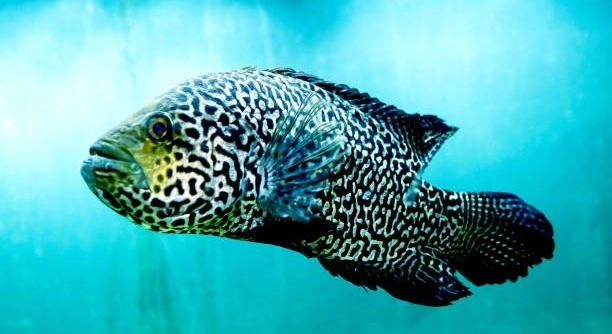
Have you ever considered keeping Dempsey fish but wondered how they interact with other aggressive fish in a shared aquarium? Their bold personalities and territorial instincts can make tank dynamics challenging for many hobbyists.
Dempsey fish generally cannot coexist long-term with other aggressive species without careful planning. Their territorial nature often leads to conflicts, injuries, or stress, making it essential to provide ample space, hiding spots, and strategic tank arrangements to minimize aggression.
Understanding these behaviors will help you create a safer environment and maintain harmony among your fish, ensuring both their health and a more manageable aquarium setup.
Understanding Dempsey Fish Aggression
Dempsey fish are naturally territorial, and their behavior becomes more pronounced as they grow. They can be aggressive toward other fish, especially those of similar size or shape. In smaller tanks, this aggression increases because there is limited space to establish boundaries. Even with decorations or hiding spots, some Dempsey fish may still display dominance by chasing or nipping at others. Their temperament is not inherently hostile but instinct-driven. Providing enough space, visual barriers, and structured territories helps reduce stress and allows more peaceful interactions. Tank mates should be carefully selected to avoid constant confrontation. Observing body language and behavior patterns is important; signs like flared fins, rapid movements, or cornering other fish indicate rising tension. Consistent monitoring ensures that aggression does not escalate into injury. Many aquarists have found that separating overly dominant fish or increasing the tank size significantly improves the overall environment for all inhabitants, supporting healthier growth and calmer interactions.
Dempsey aggression is strongest in smaller tanks or when fish are crowded, making careful planning essential for peaceful cohabitation.
Even with precautions, Dempsey fish will always exhibit territorial behavior to some extent. Introducing new fish gradually and maintaining a well-decorated environment helps, but monitoring interactions remains crucial. Certain aggressive species can coexist if their temperaments differ or they occupy separate zones in the tank. Consistent feeding and regular maintenance reduce stress, which can exacerbate aggression. Recognizing early signs of conflict allows adjustments before serious injuries occur.
Choosing Compatible Tank Mates
Selecting compatible fish requires attention to size, temperament, and activity level.
When selecting tank mates for Dempsey fish, it is best to choose robust, similarly sized species that are not overly passive. Avoid small or slow-moving fish that can become targets for nipping. Fish with bold patterns or matching territorial tendencies may compete less if given adequate space. The tank should include hiding spots, plants, or artificial structures to break lines of sight and create zones. This arrangement helps minimize direct confrontations and gives each fish a retreat when needed. Feeding schedules also play a role, as competition over food can trigger aggression. Monitoring behavior for the first few weeks after introducing new fish is essential. Adjustments, such as rearranging decor or temporarily separating overly aggressive individuals, can maintain balance. In some cases, keeping only one Dempsey fish per tank may be the safest option, as their territorial instincts can otherwise dominate the environment, regardless of the other species present.
Tank Size and Layout
A larger tank reduces conflict between Dempsey fish and other aggressive species. More space allows them to establish territories without constant confrontation, making interactions calmer and safer.
Providing multiple hiding spots, rocks, and plants encourages natural boundaries. Dempsey fish use these zones to retreat and observe, which lowers stress levels. Open swimming areas should be balanced with covered sections to allow both exploration and shelter. Uneven terrain, caves, or vertical decorations give each fish its own space. Careful placement of décor can prevent repeated clashes in high-traffic zones. Observing their behavior helps determine if the layout effectively reduces tension or needs adjustments for better separation.
Tank size alone is not enough; thoughtful arrangement of decorations, hiding spots, and feeding stations is crucial. Dempsey fish are intelligent and will patrol their territory, so changing layout periodically can reduce predictability and aggression. Proper water circulation and filtration also prevent stress, which can worsen territorial disputes.
Feeding Strategies
Feeding multiple times a day in smaller portions helps prevent food-related aggression.
When feeding Dempsey fish with other aggressive species, distribute food across different areas of the tank. This prevents dominant fish from monopolizing one spot and reduces chasing. Use sinking pellets or target feeding to reach all fish. Monitor mealtime behavior and adjust portions to avoid hunger-induced fights. Avoid sudden changes in diet, as they can increase competition and stress. Feeding during low-light conditions or using distractions like floating food can encourage calmer eating habits and reduce tension.
Proper nutrition also plays a role in behavior management. Dempsey fish require a balanced diet rich in protein, vitamins, and minerals. Supplementing with live or frozen foods satisfies their hunting instincts and keeps them engaged. Overfeeding, however, can lead to water quality issues, increasing stress for all fish. Consistent feeding routines help establish predictability, lowering territorial disputes. Observation during feeding is key; it allows you to identify aggressive tendencies early and intervene when necessary. By combining proper nutrition, careful food placement, and controlled feeding schedules, it is possible to maintain a healthier, calmer tank environment even with multiple aggressive species.
Monitoring Behavior
Regular observation helps catch early signs of aggression. Watch for chasing, flaring fins, or cornering other fish.
Separate or rearrange fish showing repeated dominance. Intervening early prevents injuries and keeps the tank environment calmer.
Adjusting Tank Conditions
Stable water parameters reduce stress and aggressive behavior. Maintain consistent temperature, pH, and cleanliness. Proper filtration and partial water changes prevent sudden changes that can trigger fights among Dempsey fish and other aggressive species.
Recognizing Stress Signals
Stress in Dempsey fish shows through rapid breathing, hiding, or loss of color. Early recognition allows timely adjustments.
Temporary Separation
If aggression escalates, isolate the most dominant fish in a separate tank or partition. This prevents injuries and allows calmer fish to recover.
FAQ
Can Dempsey fish live peacefully with other aggressive fish?
Dempsey fish are naturally territorial, and cohabitation with other aggressive species is challenging. Peaceful interaction is possible only if the tank is large enough and has well-placed hiding spots. Careful selection of species with different activity levels can help, but constant monitoring is necessary to prevent fights.
How large should the tank be for multiple aggressive fish?
A tank of at least 75 gallons is recommended when housing Dempsey fish with other aggressive species. Larger tanks provide more space for territories, reduce constant confrontations, and allow each fish to retreat. Vertical and horizontal decorations help break sightlines and minimize stress.
What tank decorations help reduce aggression?
Rocks, caves, and plants create zones for hiding and territorial boundaries. Tall plants or vertical structures allow fish to retreat and observe without direct confrontation. Evenly spaced hiding spots prevent dominant fish from controlling the entire tank, which is crucial for maintaining balance.
How often should I feed Dempsey fish with aggressive tank mates?
Feed small portions multiple times a day to reduce food-related aggression. Distribute food across the tank, using sinking pellets or target feeding to reach all fish. Avoid overfeeding, which can lead to water quality issues and increase stress-induced fights.
What signs indicate aggression is becoming a problem?
Watch for repeated chasing, nipping, flared fins, or cornering of other fish. Persistent dominance or injuries indicate aggression is escalating. Stress signs include hiding, loss of color, or rapid breathing, and these should prompt adjustments immediately.
Can rearranging the tank reduce conflicts?
Yes. Changing decorations or creating new hiding spots breaks established territories and reduces predictable patrols. This helps lessen repeated confrontations, especially when introducing new fish or if aggression becomes persistent.
Is it safe to keep more than one Dempsey fish in the same tank?
Keeping multiple Dempsey fish is possible if the tank is very large and each fish has space to establish its own territory. Even then, monitoring is essential, and temporary separation may be needed if conflicts arise.
Do water conditions affect aggression?
Stable water parameters are critical. Sudden changes in temperature, pH, or water quality can stress fish and trigger aggression. Proper filtration, regular partial water changes, and consistent maintenance reduce these risks and support calmer behavior.
Can aggression be completely eliminated?
Aggression cannot be entirely removed due to the Dempsey’s natural territorial instincts. The goal is to manage it through tank size, layout, feeding strategies, and careful monitoring. Early intervention and adjustments prevent injuries and maintain a healthier tank environment.
What should I do if aggression escalates?
Isolate the dominant fish temporarily or permanently if fights continue. Use a partitioned tank or a separate tank to allow calmer fish to recover. Adjust decorations and feeding methods during this period to reduce stress and reintroduce fish gradually when tension decreases.
Are there specific fish to avoid with Dempseys?
Avoid very small, slow-moving, or delicate species, as they are easy targets for nipping. Highly territorial or equally aggressive species can increase conflicts if space is limited. Robust, similarly sized fish with different activity zones are safer options for cohabitation.
How long should I observe new fish introductions?
New fish should be monitored closely for the first few weeks. Watch for chasing, stress signs, and territorial disputes. Adjust tank layout, feeding strategies, or temporarily separate fish as needed to maintain balance and prevent injuries.
Does feeding live or frozen food help?
Yes. Live or frozen food satisfies hunting instincts and keeps Dempsey fish engaged. It can reduce boredom-related aggression but should be balanced with regular pellets and vitamins to maintain nutrition and water quality.
How can I tell if a fish is stressed but not injured?
Stress shows as hiding, faded color, or reduced appetite. Injuries include torn fins, scratches, or bite marks. Recognizing stress early allows changes in tank conditions before physical harm occurs.
Is one Dempsey fish safer than multiple in a mixed aggressive tank?
Yes. One Dempsey fish reduces territorial disputes, making it easier to manage aggression with other species. Multiple Dempseys increase the chance of fights, especially if the tank lacks sufficient space or hiding zones.
What role does lighting play in aggression?
Lighting affects visibility and activity. Bright, constant light can increase stress and aggression. Providing shaded areas, floating plants, or dimmer periods helps fish feel secure and reduces tension during high-activity times.
How often should I check for injuries?
Check fish daily or during feeding. Minor injuries can worsen if ignored. Immediate care, isolation, or water adjustments can prevent infections and reduce further aggression among tank mates.
Does rearranging decorations frequently help or hurt?
Occasional rearrangement can help by breaking established territories, but frequent changes may stress fish. Balance is key—adjust when introducing new fish or when aggression patterns emerge.
Can tank mates adapt over time?
Yes, if the tank is large and well-structured, some aggressive fish learn boundaries and establish territories with minimal conflict. However, monitoring remains important, as sudden changes or overcrowding can reignite fights.
Are Dempseys compatible with other Central American cichlids?
Some larger, robust Central American cichlids may coexist if space allows. Compatibility depends on size, temperament, and territory availability. Introduce fish gradually and observe interactions to ensure both species can share the tank safely.
How important is regular observation?
Daily observation is essential. It allows early detection of aggression, stress, and health issues. Quick action through rearranging, feeding adjustments, or temporary separation keeps the tank stable and reduces the risk of serious injuries.
Can tank size alone prevent aggression?
Tank size helps but does not eliminate aggression. Proper layout, hiding spots, feeding strategies, and compatible species selection all work together to maintain a calmer environment for Dempseys and other aggressive fish.
How do I reintroduce fish after separation?
Gradually reintroduce fish using partitions or visual acclimation. Observe interactions closely, keeping new territories and hiding spots in mind. Be ready to separate again if aggression resurfaces.
Does overcrowding worsen aggression?
Yes. Overcrowding limits territory, increases stress, and intensifies fights. Providing enough space per fish is critical for safety and calmer behavior in mixed aggressive tanks.
Can aggression be reduced through selective breeding?
Some breeders aim for less aggressive Dempseys, but results are inconsistent. Natural territorial instincts remain, so behavior management through tank design and monitoring is more reliable than relying solely on genetics.
How long does it take for fish to adjust?
Adjustment time varies. Some fish adapt in a few weeks, others take months. Consistent monitoring, proper feeding, and stable conditions accelerate adaptation and reduce aggressive incidents.
What is the safest way to add new fish?
Introduce new fish gradually using quarantine or partitions. Observe behavior closely, provide hiding spots, and avoid sudden changes. Gradual acclimation helps reduce stress and limits territorial disputes.
Can Dempsey aggression affect other species long-term?
Yes. Chronic stress from repeated aggression can lead to weakened immune systems, stunted growth, and behavioral issues in other fish. Managing aggression is essential for maintaining overall tank health and preventing long-term problems.
Does feeding location impact aggression?
Yes. Distributing food across multiple spots prevents dominant fish from controlling the area. Target feeding or scattered portions help all fish eat safely, reducing competition and associated aggression.
Are aggressive interactions always harmful?
Minor territorial displays are normal, but repeated chasing, nipping, or cornering can cause injury and stress. Early intervention prevents escalation and maintains a healthier environment for all tank inhabitants.
Is it necessary to separate Dempseys during breeding?
Yes. Breeding increases territoriality and aggression. Separating pairs or providing dedicated breeding tanks prevents injuries to partners or other tank mates and ensures successful reproduction.
What role does water quality play in aggression?
Poor water quality stresses fish, making aggression worse. Consistent maintenance, proper filtration, and monitoring parameters reduce stress-induced fighting and support calmer, healthier behavior.
Can tank mates recover after aggression incidents?
Yes. Isolating injured or stressed fish allows recovery. Clean water, proper nutrition, and hiding spots help them regain health and reduce vulnerability to further aggression.
Are there signs that a Dempsey fish is happy?
A calm fish swims freely, displays vibrant color, and shows interest in food without excessive chasing. Balanced interactions and regular activity indicate a well-adjusted fish in a suitable environment.
How can I prevent long-term stress in aggressive tanks?
Provide ample space, hiding spots, stable water conditions, consistent feeding, and compatible species. Monitor behavior and adjust tank layout or separate fish as needed to maintain balance and reduce prolonged stress.
Is visual contact without interaction beneficial?
Yes. Using partitions or transparent barriers allows fish to see each other without direct confrontation. This satisfies territorial instincts while preventing injuries and stress.
What is the best long-term strategy for aggressive fish?
Prioritize tank size, layout, feeding distribution, and compatible species selection. Regular monitoring, occasional adjustments, and temporary separation when needed keep aggression manageable and the tank environment healthier.
Can Dempseys adapt to peaceful species?
Some adaptation is possible if the peaceful species are robust and fast enough to avoid constant targeting. Even then, monitoring and careful tank management are required to maintain safety and minimize stress.
How important is hiding space variety?
Variety is critical. Different sizes, heights, and locations allow fish to retreat safely, establish territories, and reduce repeated conflict, creating a more balanced and stable tank environment.
Are aggressive interactions worse during certain times of day?
Yes. Early morning or feeding times often trigger higher activity and territorial behavior. Providing multiple feeding spots and shaded areas helps reduce conflict during these peak periods.
How do I know when to give up cohabitation attempts?
If injuries, stress, or repeated dominance persist despite adjustments, keeping Dempseys with aggressive tank mates may not be feasible. Prioritize fish welfare by separating or limiting tank occupants to safer combinations.
Can tank rearrangements mimic natural environments?
Yes. Natural-like layouts with rocks, plants, and caves reduce predictable patterns, satisfy instincts, and give each fish a sense of territory, lowering repeated aggressive interactions.
Does feeding live food increase aggression?
Not significantly if distributed properly. Live food engages hunting instincts and can reduce boredom, but overcrowding or dominance can still trigger conflicts if space is limited.
Are multiple small hiding spots better than one large area?
Yes. Multiple smaller hiding spots allow more fish to retreat simultaneously and reduce disputes over a single location, helping maintain calm in a mixed aggressive tank.
Can Dempseys coexist with slightly aggressive fish long-term?
It is possible with careful planning. Tank size, layout, hiding spots, and feeding strategies must be optimized. Continuous monitoring and intervention ensure conflicts are minimized over time.
Is temporary partitioning stressful for fish?
Minimal stress occurs if introduced gradually. Partitions allow visual contact while preventing direct fighting. They are a useful tool for reintroductions and managing aggression without causing harm.
How often should I rearrange decorations?
Occasionally, when aggression patterns appear or new fish are introduced. Too frequent changes may stress fish, so balance is essential to disrupt territorial routines without causing constant instability.
Does the number of tank mates affect aggression?
Yes. Overcrowding amplifies conflicts, while too few fish can make a dominant Dempsey overly aggressive. Balance is critical to maintain a calmer environment.
Can stress from aggression affect breeding?
Yes. Chronic stress can reduce reproductive success, cause egg abandonment, or increase aggression toward partners. Stable, calm conditions are necessary for successful breeding.
Are there warning signs before serious injury occurs?
Yes. Persistent chasing, nipping, hiding, and color fading indicate escalating aggression. Early action can prevent severe injuries or death, preserving fish health.
Is diet variety important for behavior management?
Yes. Balanced nutrition keeps fish healthy, reduces stress, and engages natural hunting instincts, which can lower boredom-related aggression and maintain calmer interactions in a mixed tank.
How long does it take for aggression to stabilize?
It varies. Some fish adapt in weeks, others take months. Factors include tank size, layout, species combination, and feeding strategies. Consistent monitoring accelerates stabilization and reduces conflict incidents.
Are aggressive displays always physical?
No. Posturing, fin flaring, and color changes are non-physical displays. They establish dominance without causing injuries, but frequent escalation can lead to actual fighting if not managed.
How can I safely expand a tank?
Introduce extra space gradually or by upgrading to a larger aquarium. Provide new hiding spots and rearrange decorations to create fresh territories, reducing long-term conflicts.
Can Dempseys learn to tolerate specific tank mates?
Yes, over time and under proper conditions. Consistent monitoring, sufficient space, and clear territorial boundaries help fish coexist with reduced aggression, although instincts never fully disappear.
Does the number of hiding spots affect adaptation speed?
More hiding spots allow fish to retreat safely, establish territories, and adapt faster. Fewer options increase stress and prolong conflicts, especially in tanks with multiple aggressive species.
Is visual observation enough to gauge aggression?
Yes. Watching body language, chasing patterns, and stress signs gives clear insights. Early intervention prevents escalation and supports a healthier, calmer environment.
What should I do if aggression resumes after adjustments?
Reassess tank size, layout, feeding distribution, and species compatibility. Temporary separation or permanent relocation may be necessary to maintain balance and ensure fish safety.
Can aggressive interactions cause long-term stress even without injuries?
Yes. Chronic intimidation can lead to reduced appetite, weaker immune systems, and stunted growth. Proactive management is essential to prevent long-term negative effects.
Are some Dempseys naturally more aggressive than others?
Yes. Individual temperament varies. Some are highly territorial, while others are more tolerant. Careful observation and tailored tank management help balance the differences.
Does introducing multiple fish at once help reduce aggression?
It can reduce initial targeting of a single fish, but space, hiding spots, and monitoring are still critical. Too many fish introduced at once can cause confusion and stress.
Is gradual acclimation better than sudden introduction?
Yes. Gradual introduction using partitions or visual contact allows fish to establish awareness without direct conflict. This method reduces stress and lowers aggression levels.
How can I balance tank population?
Consider species size, temperament, and space per fish. Avoid overcrowding and provide sufficient hiding spots. Monitor behavior and adjust as needed to maintain calm interactions.
Do aggressive interactions decrease over time?
Some decrease as fish establish territories, but vigilance is necessary. New fish, environmental changes, or overcrowding can reignite aggression even after initial adaptation.
Can stress affect color in Dempsey fish?
Yes. Stress can cause dulling or fading of color. Stable conditions, proper nutrition, and reduced aggression help maintain vibrant coloration and overall health.
What is the main takeaway for managing aggression?
Space, hiding spots, feeding strategy, monitoring, and species compatibility work together. Aggression is natural, but proper management maintains a safer, calmer tank environment.
How do I handle persistent bullying?
Isolate the dominant fish temporarily or permanently. Adjust layout, feeding, and territory distribution to protect other fish and reduce stress.
Are some aggressive species better than others for cohabitation?
Yes. Robust, similarly sized, or slightly less territorial species are safer. Avoid tiny, slow, or highly territorial fish that will provoke conflicts.
How important is diet consistency?
Consistent feeding schedules reduce competition and stress. Unpredictable feeding can trigger chasing and dominance behaviors, increasing aggression incidents.
Can minor injuries heal on their own?
Yes, if water quality is optimal and stress is minimized. Monitor healing, isolate if necessary, and maintain clean conditions to prevent infection.
Does the tank layout need updating over time?
Yes. Adjustments help reduce repeated patterns of dominance and allow fish to explore new territories, lowering chronic aggression.
Is Dempsey aggression manageable long-term?
Yes, with proper tank size, layout, feeding, monitoring, and species selection. Complete elimination is impossible, but careful management creates a safer, calmer environment for all fish.
Final Thoughts
Keeping Dempsey fish with other aggressive species requires realistic expectations and steady involvement. These fish are not naturally suited for calm, mixed environments, and their behavior reflects strong territorial instincts. Long-term success depends on preparation rather than hope. Tank size, layout, and daily observation matter more than the specific mix of fish. I have learned that ignoring early warning signs often leads to preventable stress and injuries. Aggression rarely appears suddenly. It builds through small changes in behavior that are easy to miss without routine checks. A stable setup, consistent care, and patience create the best conditions possible. Even then, adjustments are often needed. Accepting that change is part of the process helps reduce frustration and improves outcomes for both the fish and the keeper.
It is important to prioritize fish well-being over visual appeal or stocking goals. Not every combination will work, no matter how carefully planned. Separating fish is not a failure but a responsible decision when tension remains high. Many tanks improve immediately after reducing overcrowding or removing one dominant fish. Feeding routines, water quality, and hiding space all work together to influence behavior. When one area is neglected, aggression often increases elsewhere. I have found that simple solutions, such as rearranging decorations or adjusting feeding locations, can make noticeable differences. These small actions help reset territorial patterns and reduce repeated conflicts. Consistency matters more than perfection, and steady care leads to more predictable behavior over time.
Long-term management of aggressive tanks is about balance rather than control. Dempsey fish will always display dominance to some degree, and that behavior should be expected, not corrected entirely. The goal is to limit harm and stress while allowing natural instincts to exist within safe boundaries. Observation remains the most valuable tool. Watching how fish move, rest, and interact provides clearer guidance than general rules. Every tank develops its own dynamic, shaped by space, structure, and individual temperament. With patience, careful planning, and a willingness to adapt, it is possible to maintain a stable environment. Success is measured not by the absence of aggression, but by the overall health, color, and behavior of every fish in the tank.

Hello,
If you enjoy the content that we create, please consider saying a "Thank You!" by leaving a tip.
Every little bit helps us continue crafting quality advice that supports the health, happiness, and well-being of pets around the world, for pets of all shapes, sizes, and species.
We really appreciate the kindness and support that you show us!