
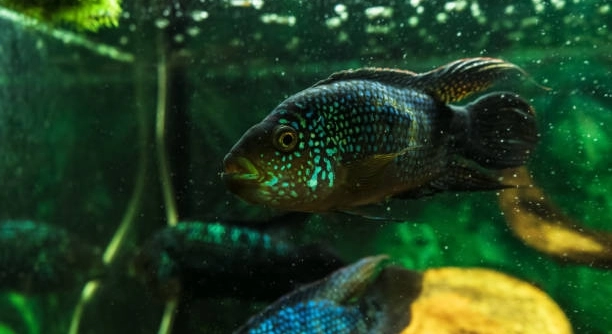
Dempsey fish are known for their vibrant colors and lively personalities. Sometimes, these fish may suddenly ignore each other in the tank, leaving owners puzzled about their behavior and social interactions.
The primary reason Dempsey fish may ignore each other is related to stress, territorial shifts, or environmental changes. Alterations in tank size, water quality, or hierarchy can influence social dynamics, leading to temporary or prolonged periods of avoidance.
Understanding why this behavior occurs helps maintain a balanced aquarium. Paying attention to their environment ensures your fish remain healthy and engaged in their social interactions.
Changes in Tank Environment
Dempsey fish are very sensitive to their surroundings. Sudden changes in water temperature, pH levels, or even the introduction of new decorations can make them feel unsettled. These shifts may cause them to ignore each other as they adjust. A stable environment helps reduce stress and encourages normal social interactions. Keeping the water clean and maintaining consistent conditions is key. Regular monitoring ensures that the tank remains comfortable for all its inhabitants. Even small changes, like moving a plant or adding a filter, can alter their perception of territory. Fish rely on familiarity to feel secure, so gradual adjustments are better than sudden ones. Stress from an unstable environment can also affect their appetite and activity levels, making them less likely to interact. Observing their behavior closely after changes allows you to identify problems early. Proper tank management supports their health and keeps them active.
Maintaining a stable environment prevents unnecessary stress and promotes healthy interactions between your Dempsey fish.
Regular checks on water quality, decorations, and tank layout can prevent tension. Fish feel more secure in predictable conditions, leading to smoother social dynamics.
Social Hierarchy and Behavior
Dempsey fish establish clear hierarchies, and tensions can arise when dominance is challenged. Lower-ranking fish may retreat or avoid interaction to prevent conflict.
Dominance among Dempsey fish is a natural behavior. In a tank, these fish create a hierarchy to maintain order. When new fish are introduced, or if existing fish change in size or health, the balance can shift. A sudden change in hierarchy can lead to temporary avoidance. Subordinate fish may stay hidden, while dominant fish patrol their territory. Over time, fish adjust to the hierarchy, and interactions normalize. Tank size also affects behavior. Smaller tanks can intensify competition, while larger spaces allow fish to establish boundaries more comfortably. Observing which fish are aggressive and which are retreating can help you identify stress points. Providing hiding spots and plants reduces tension and gives shy fish a safe place. Consistent feeding and careful introduction of new fish support stable social behavior. Understanding these dynamics helps ensure a peaceful aquarium where Dempsey fish can thrive.
Health and Stress Factors
Illness or stress can make Dempsey fish withdraw from each other. Sick fish often hide or become less active, reducing interaction. Stress from poor water quality or sudden changes in diet also impacts their social behavior.
Dempsey fish are particularly sensitive to stress. When water quality declines or temperature fluctuates, their immune system weakens, and their behavior changes. Fish under stress may stop eating or hide in corners, ignoring other tank mates. Monitoring their behavior and maintaining proper water conditions is crucial. Regular observation helps detect early signs of illness. Providing a calm, clean environment minimizes stress, encouraging fish to resume normal interactions. Stress can also make aggressive behaviors worse, leading to further social withdrawal.
Maintaining consistent feeding routines and water conditions helps prevent stress-related isolation. Observing each fish’s activity can alert you to health issues early, allowing prompt action to support recovery.
Compatibility and Tank Dynamics
Dempsey fish may ignore each other due to personality differences or compatibility issues. Some fish are naturally more solitary, while others are more social, influencing interactions.
Tank dynamics play a significant role in how Dempsey fish interact. Factors such as tank size, number of fish, and available hiding spaces determine comfort levels. Overcrowding can lead to territorial disputes, while too few fish may limit social stimulation. Introducing new fish requires careful timing to avoid disrupting established hierarchies. Providing enough space, plants, and shelters allows fish to choose when to engage or retreat. Observing interactions over time helps identify which fish get along and which prefer solitude. Adjustments to tank layout or social groupings can improve harmony and reduce periods of avoidance, supporting healthier, more balanced behavior overall.
Feeding and Activity Patterns
Dempsey fish may ignore each other during feeding if one is dominant. Subordinate fish often wait for their turn or eat separately to avoid conflict.
Activity levels also affect interaction. A tired or less active fish may stay hidden while others explore, causing temporary social gaps in the tank.
Water Quality and Maintenance
Poor water conditions can directly influence Dempsey fish behavior. High ammonia, nitrite, or nitrate levels create stress, making fish avoid interaction. Regular testing, partial water changes, and proper filtration are essential to maintain a healthy environment. Clean water supports normal activity and social behavior, reducing periods of isolation.
Seasonal and Lighting Changes
Dempsey fish may adjust their activity based on seasonal light cycles. Changes in lighting or temperature can make them less active and more withdrawn.
FAQ
Why are my Dempsey fish suddenly ignoring each other?
Dempsey fish may stop interacting due to stress, changes in hierarchy, or environmental shifts. Even small adjustments in water temperature, tank layout, or decorations can cause them to temporarily withdraw. Fish need time to adjust to new conditions, and avoidance is often a short-term behavior.
Can illness cause Dempsey fish to avoid each other?
Yes. Sick fish often hide or reduce movement, which affects social interactions. Common signs of illness include loss of appetite, unusual swimming patterns, or faded coloration. Ensuring clean water and monitoring behavior helps identify health issues early. Quarantining new or sick fish can prevent stress spreading in the tank.
Does tank size impact their behavior?
Absolutely. Smaller tanks increase territorial tension, causing dominant fish to chase others, leading to avoidance. Larger tanks allow fish to establish separate territories and reduce conflicts. Providing hiding spots and decorations helps fish manage space and maintain balance. Overcrowding can worsen aggression and social withdrawal.
How does hierarchy affect interaction?
Dempsey fish establish clear dominance hierarchies. Subordinate fish may avoid dominant ones to prevent conflict. When a hierarchy shifts, some fish may temporarily ignore each other until a new balance is established. Observing fish behavior can help determine which individuals need more space or hiding areas.
Can water quality make them ignore each other?
Yes, poor water conditions can stress fish and reduce interaction. High ammonia, nitrite, or nitrate levels negatively impact behavior. Maintaining stable temperature, pH, and clean water encourages normal social behavior. Regular water changes and filtration are essential for healthy tank dynamics.
Do personality differences matter?
Some Dempsey fish are naturally more solitary, while others are social. Personality differences can result in periods where certain fish avoid interaction. Providing enough space, hiding spots, and observing social dynamics allows more solitary fish to feel secure without forced interaction.
Will introducing new fish cause ignoring behavior?
Yes. New fish can disrupt established hierarchies, leading to temporary avoidance. Gradual introduction and quarantine practices help minimize stress. Giving all fish time to adjust to new members usually restores normal interaction patterns. Plants and hiding areas can reduce tension during this period.
Does feeding schedule influence interactions?
Feeding patterns can impact social behavior. Dominant fish may eat first, causing subordinate fish to stay hidden. Maintaining consistent feeding routines and providing multiple feeding points ensures all fish receive food without conflict. Observing fish during feeding helps identify social stress.
Can lighting and seasonal changes affect them?
Yes. Changes in light or temperature can alter activity levels. Fish may become less active or more withdrawn during seasonal shifts. Maintaining stable lighting and temperature conditions minimizes stress and supports regular social interactions. Gradual changes are less disruptive than sudden adjustments.
How can I encourage interaction between Dempsey fish?
Creating a comfortable, stable environment encourages natural interaction. Adequate space, clean water, hiding spots, and proper feeding routines reduce stress and promote social behavior. Observing interactions regularly helps address issues early, ensuring your fish remain active and engaged.
Dempsey fish are lively and interesting pets, but their social behavior can sometimes confuse even experienced fish owners. It is normal for them to ignore each other occasionally, and this behavior does not always indicate a serious problem. Stress, changes in hierarchy, or environmental adjustments are common reasons for temporary avoidance. Paying attention to their tank conditions, including water quality, temperature, and decorations, helps ensure they feel comfortable and secure. By keeping the environment consistent and stable, fish are more likely to interact normally and maintain a balanced social dynamic. Observation is key, as even small signs of withdrawal or hiding can indicate that something in the tank needs attention. Understanding their behavior allows you to respond effectively and prevent prolonged stress or conflict between your fish.
Maintaining a well-planned tank setup is crucial for encouraging healthy interactions. Providing enough space, hiding spots, and plants allows fish to retreat when needed and reduces territorial disputes. Tank size and layout play a direct role in how Dempsey fish establish dominance and interact with each other. Smaller tanks can make territorial behavior more intense, while larger spaces allow fish to coexist more comfortably. Regular maintenance, including water testing and partial changes, supports both health and social behavior. Consistent feeding routines also help reduce tension, as all fish receive enough food without having to compete excessively. Observing their interactions during feeding and playtime provides insight into their social structure and comfort levels. By keeping the environment predictable and stress-free, fish are more likely to engage naturally and avoid extended periods of ignoring one another.
Every Dempsey fish has its own personality, and differences in temperament may influence how they interact. Some are naturally more solitary and prefer to spend time alone, while others are more social and active. Recognizing and respecting these differences helps maintain harmony within the tank. Seasonal changes or lighting adjustments can also affect activity levels, causing temporary withdrawal. Awareness of these factors allows you to manage the tank thoughtfully and create conditions that support all fish. By combining proper care, stable environmental conditions, and careful observation, you can ensure your Dempsey fish remain healthy, active, and socially balanced. Consistent attention and understanding of their behavior foster a calm and engaging aquarium where each fish can thrive.

Hello,
If you enjoy the content that we create, please consider saying a "Thank You!" by leaving a tip.
Every little bit helps us continue crafting quality advice that supports the health, happiness, and well-being of pets around the world, for pets of all shapes, sizes, and species.
We really appreciate the kindness and support that you show us!