
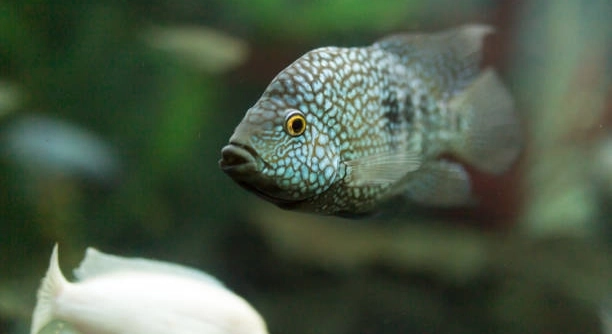
Temperature changes can influence Dempsey health in subtle ways that are often overlooked. From minor fluctuations in daily room conditions to seasonal shifts, these variations can affect their activity levels, appetite, and overall well-being in noticeable ways.
Temperature shifts directly impact Dempsey health by affecting their metabolism, immune function, and stress responses. Sudden changes can lead to lethargy, decreased feeding, or illness. Maintaining stable environmental conditions is essential for promoting growth, immunity, and consistent behavioral patterns.
Monitoring temperature carefully ensures your Dempsey remains healthy and active, helping you prevent potential health issues before they escalate. Proper care starts with understanding how environmental factors influence their daily life.
Sudden Temperature Drops
A sudden drop in temperature can be stressful for Dempseys. Their metabolism slows, making them less active and reducing their appetite. Prolonged exposure to cold can weaken their immune system, leaving them more vulnerable to infections. I’ve noticed that even small shifts in the room can make them hide more and move less. Keeping their environment consistently warm helps them stay lively. Heating pads or regulated lamps can provide steady warmth without causing burns. Monitoring daily fluctuations is crucial, especially during seasonal transitions when nights get colder. A steady, comfortable temperature supports healthy digestion, activity, and energy levels. Sudden changes may seem minor, but for Dempseys, consistency matters more than extreme warmth. Observing their behavior can also signal if the temperature needs adjusting. If they appear sluggish or hide frequently, it’s often a sign that the environment is too cold. Simple adjustments can prevent long-term health problems and keep them active and responsive.
Even a brief cold period can reduce appetite and make them more prone to stress-related illnesses.
Consistently maintaining warmth prevents energy loss and supports proper digestion. Temperature regulation encourages normal feeding patterns, alertness, and overall resilience. Small interventions like a reliable heat source or monitoring room changes make a significant difference, ensuring Dempseys remain energetic and less susceptible to illness. It also helps their immune system function optimally, reducing the risk of disease from weakened defenses. Watching for subtle signs like hiding, decreased movement, or reduced interest in food allows you to act quickly. Avoiding rapid environmental shifts is key, and creating a stable, predictable habitat supports long-term health, growth, and behavior. Simple tools and consistent observation help maintain an optimal environment that encourages natural activity levels and prevents the stress that temperature changes often bring.
Rapid Temperature Increases
Even short periods of high heat can make Dempseys uncomfortable and stressed.
Excessive heat increases water loss and can lead to dehydration. Their activity decreases, and they may spend more time in cooler, shaded areas. Prolonged heat exposure strains internal organs, affects digestion, and can trigger heat-related illnesses. Observing signs like lethargy, panting, or unusual hiding can indicate stress from rising temperatures. Maintaining proper airflow, shade, and hydration is critical. Using fans, water dishes, and avoiding direct sunlight helps regulate their body temperature. Gradual adjustments instead of sudden changes prevent shock to their system. Temperature management is as important as diet and enclosure setup. Keeping conditions stable ensures they continue feeding normally, remain active, and avoid heat-induced stress. Planning for seasonal heat waves with proactive cooling measures can prevent serious health issues. Simple steps like monitoring room temperature and providing shaded spaces are enough to keep Dempseys safe and comfortable, even when outside temperatures fluctuate. Proper care through consistent observation and adjustments promotes long-term wellness.
Nighttime Temperature Fluctuations
Nighttime drops can be sharper than daytime changes, affecting Dempseys’ comfort. They may become less active and eat less if temperatures dip too low. Proper bedding and gentle heating help maintain stability through the night. Monitoring nocturnal temperatures prevents sudden stress and keeps them healthy.
Temperature swings at night influence metabolism and stress levels. Dempseys often slow down when it gets cooler, which can impact digestion and activity. Providing insulated bedding or a regulated heat source allows them to maintain normal body temperature. A gradual, steady night environment reduces energy loss and keeps them alert and active during the day. Sudden cold can trigger hiding behavior and less feeding, which over time affects overall health and growth. Observing their night behavior is as important as daytime care to prevent unnoticed stress.
Maintaining a consistent night temperature also supports immune function. When the environment remains stable, Dempseys are less prone to infections and stress-related illnesses. Even small temperature drops can accumulate effects over weeks, so attention to nightly conditions is crucial. Proper insulation, gentle heating, and checking ambient room temperatures help avoid cold shocks. This approach ensures they wake up active, eat properly, and remain energetic throughout the day. Long-term stability contributes to better growth and general well-being.
Seasonal Temperature Changes
Gradual seasonal shifts can subtly affect Dempseys. They may eat more or less depending on warmth or cold, and energy levels can vary. Observing these patterns helps adjust their care and environment effectively.
Seasonal temperature changes impact metabolism, appetite, and activity. Warmer months can increase energy and feeding, while cooler periods may slow them down. Adjusting heating, shade, and humidity according to the season prevents stress and supports normal behavior. Seasonal variation can also influence shedding cycles and hydration needs. A consistent plan for environmental adjustments helps maintain optimal health. Monitoring their reactions to changing seasons ensures timely interventions and prevents long-term issues. These changes are natural, but attention and preparation make a noticeable difference.
During seasonal transitions, stability in their enclosure is essential. Gradual adjustments in heating, ventilation, and humidity help Dempseys adapt without stress. Sudden seasonal shifts without preparation can cause lethargy, decreased feeding, and higher susceptibility to illness. Maintaining water availability, monitoring behavior, and providing shaded or warmer areas according to the season ensures they remain active and healthy. Observing how they respond to these gradual shifts allows careful management of environmental conditions. Proper planning for each season supports consistent growth, immunity, and overall well-being throughout the year.
Sudden Heat Waves
Rapid increases in temperature can make Dempseys sluggish. They may hide more and reduce feeding if the environment becomes too warm. Ensuring shaded areas and proper ventilation helps them stay comfortable during these periods.
Heat waves can cause dehydration and stress. Providing extra water and maintaining airflow helps regulate their body temperature. Observing behavior closely ensures they do not overheat, keeping activity and health stable.
Humidity and Temperature
Humidity levels interact with temperature to affect Dempsey health. High heat combined with high humidity can strain their respiratory system and disrupt normal activity. Maintaining a balance between warmth and moisture is essential to prevent stress and support healthy digestion and hydration.
Morning and Evening Shifts
Temperature changes during early morning and late evening can confuse Dempseys’ internal rhythm. Small adjustments in heating during these periods help maintain consistent activity and feeding patterns.
FAQ
How do I know if temperature is affecting my Dempsey’s health?
Changes in activity, appetite, or behavior often indicate stress from temperature shifts. If your Dempsey hides more, moves less, or refuses food, it’s usually a sign that the environment is too hot or too cold. Watching daily routines helps identify subtle changes early.
What is the ideal temperature range for Dempseys?
Dempseys thrive in stable, moderate temperatures, typically between 75°F and 85°F. Sudden deviations outside this range can cause stress, impact feeding, or make them lethargic. Maintaining a consistent environment with gradual adjustments is key for health and proper metabolism.
Can temperature fluctuations cause illness?
Yes, sudden or extreme changes can weaken immunity. Cold stress may make them more prone to infections, while heat stress can lead to dehydration and organ strain. Gradual, monitored temperature changes reduce the risk of illness.
How do I manage temperature during seasonal changes?
Adjust heating or cooling gradually to match natural seasonal shifts. Using heaters, lamps, shade, or ventilation helps maintain comfort. Observing their behavior and appetite during these periods ensures they remain active and stress-free.
Do nighttime temperatures matter?
Yes, nighttime drops can slow metabolism and reduce feeding. Providing gentle heat or insulated bedding helps maintain warmth, preventing energy loss and potential health issues. Nighttime stability is as important as daytime temperature control.
How can I protect my Dempsey during heat waves?
Provide shaded areas, airflow, and extra water. Monitoring for signs of overheating, like panting or lethargy, is critical. Small interventions like fans or adjusting lamps can prevent stress and maintain normal activity.
Can rapid temperature drops be dangerous?
Sudden cold can cause hiding, decreased feeding, and weakened immunity. Using a steady heat source and monitoring daily fluctuations keeps them comfortable and prevents stress-related illnesses.
Does humidity affect temperature stress?
High humidity combined with heat can strain breathing and reduce activity. Maintaining balanced humidity supports digestion, hydration, and comfort, preventing additional stress on your Dempsey’s system.
Should I adjust feeding during temperature shifts?
Yes, activity and appetite often fluctuate with temperature. Providing consistent, accessible food ensures they continue eating even if their metabolism slows or accelerates. Monitoring intake helps prevent weight loss or overfeeding.
Are morning and evening temperature changes significant?
Yes, early morning and late evening shifts can disrupt internal rhythms. Minor adjustments in heating during these times help maintain feeding patterns and overall activity. Observing behavior during these periods ensures stability.
What tools help monitor temperature effectively?
Reliable thermometers, thermostats, and timers for lamps or heating pads ensure a consistent environment. Checking multiple points in the enclosure allows precise adjustments for comfort and health.
How often should I check the temperature?
Daily checks are recommended, especially during seasonal changes or heat waves. Frequent monitoring helps detect issues before they impact appetite, activity, or overall health.
Can small, consistent adjustments prevent stress?
Yes, gradual changes reduce shock to metabolism and behavior. Sudden extremes are far more harmful than minor, consistent adjustments, which help maintain normal feeding and activity.
Is it important to observe behavior along with temperature?
Absolutely. Temperature alone doesn’t tell the whole story. Watching hiding, feeding, and movement patterns allows you to make informed adjustments to keep your Dempsey healthy.
What should I do if my Dempsey shows signs of stress?
Address temperature first by providing warmth, shade, or humidity adjustments. Monitor hydration and feeding closely. Small, consistent interventions often restore normal behavior without medical issues.
How long does it take for Dempseys to adjust to temperature changes?
Gradual changes are easier for them to adapt to, usually within a few days to a week. Sudden shifts may take longer and can temporarily affect appetite and activity. Patience and consistent monitoring are key.
Can improper temperature affect growth?
Yes, prolonged stress from inconsistent temperatures slows metabolism and digestion, impacting growth and overall health. Stable conditions support steady weight gain, activity, and normal development.
Are there long-term effects from repeated temperature stress?
Chronic exposure to fluctuations can weaken immunity, reduce feeding, and increase susceptibility to illness. Maintaining a stable environment prevents these long-term health issues and supports longevity.
Should I combine temperature management with other care factors?
Yes, temperature works with diet, hydration, and enclosure setup. A well-balanced environment reduces stress, supports growth, and encourages normal behavior, ensuring your Dempsey remains healthy and active.
What is the most important takeaway about temperature and Dempsey health?
Consistency matters most. Gradual, monitored adjustments and observing behavior are key to preventing stress, illness, and growth issues, helping maintain their energy, appetite, and overall well-being.
This FAQ provides practical guidance to manage temperature effectively, ensuring Dempseys remain healthy through daily and seasonal changes while reducing stress and maintaining consistent behavior.
Final Thoughts
Temperature plays a major role in maintaining Dempsey health. Even small fluctuations in their environment can influence activity levels, feeding patterns, and overall well-being. Consistency is key, whether it is a slight drop at night or a sudden heat wave during the day. Maintaining a stable temperature helps their metabolism stay balanced and prevents stress that can affect immunity. Observing their behavior daily allows early identification of any issues caused by temperature changes. Signs like hiding, decreased movement, or reduced appetite often indicate the environment is not ideal. Simple adjustments such as using gentle heat sources, providing shaded areas, or monitoring room temperature can make a significant difference in keeping them healthy and active. Paying attention to these details helps prevent long-term health problems and supports normal growth. Temperature management is not just about comfort; it directly impacts how your Dempsey eats, moves, and interacts with its surroundings.
Humidity and temperature work together to affect Dempsey health. High heat with high humidity can make breathing difficult and cause stress, while cold with low humidity may slow metabolism and feeding. Balancing both elements in their enclosure ensures digestion, hydration, and overall comfort. Seasonal changes often make this balance more challenging, but gradual adjustments help Dempseys adapt without stress. Monitoring both temperature and humidity at different times of the day helps prevent negative effects on behavior and health. During colder months, providing insulated bedding or gentle heat helps maintain activity and proper feeding. In warmer months, shade, airflow, and extra water prevent overheating and dehydration. Consistent care through these adjustments promotes immunity and reduces the risk of illness. Watching how your Dempsey reacts to these changes is important. Their responses guide you to fine-tune the environment and ensure stable conditions that support long-term health and well-being.
Behavior and overall wellness are closely linked to temperature management. Regular observation allows you to spot early signs of stress, such as hiding, lethargy, or reduced appetite. Providing gradual adjustments rather than sudden shifts reduces stress and supports consistent feeding, energy levels, and growth. Even short periods of extreme heat or cold can have lasting effects, so preparation and monitoring are essential. Tools like thermometers, thermostats, and timers help maintain a steady environment without constant intervention. Managing daily and seasonal changes carefully ensures your Dempsey remains active and alert. Stable conditions also support digestion, immunity, and natural behavior, which are all essential for long-term health. By staying attentive to temperature and humidity, you create an environment that allows your Dempsey to thrive while minimizing risks. Consistency, observation, and small adjustments are the most effective ways to maintain their health, making sure they remain energetic, healthy, and well-cared for throughout the year.

Hello,
If you enjoy the content that we create, please consider saying a "Thank You!" by leaving a tip.
Every little bit helps us continue crafting quality advice that supports the health, happiness, and well-being of pets around the world, for pets of all shapes, sizes, and species.
We really appreciate the kindness and support that you show us!