
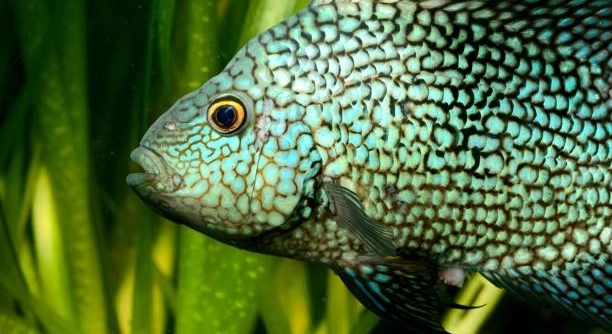
Jack Dempsey fish are known for their active and curious nature in aquariums. They often move substrate around, creating small pits or holes. Observing them can be fascinating for fish keepers who enjoy understanding their behaviors.
Jack Dempsey fish dig primarily due to territorial instincts, feeding habits, and breeding behaviors. These fish move substrate to claim space, search for food hidden in the sand, or prepare areas for spawning to ensure proper egg placement.
Learning about these triggers can help fish owners maintain a healthy tank environment and minimize stress for both the fish and their aquarium companions.
Understanding Territorial Behavior
Jack Dempsey fish often dig to mark their territory. In aquariums, they feel the need to establish control over a space, especially when other fish are nearby. Digging creates pits and cleared areas, signaling dominance. This behavior is instinctive and more noticeable when the tank is crowded or when new fish are introduced. Many fish keepers notice that rearranging decorations or plants can trigger sudden digging, as the fish tries to reclaim or inspect its space. Observing their patterns over time helps in predicting when they are most likely to dig. Territorial behavior also links to stress levels. If a fish feels threatened, it may dig more aggressively, moving substrate or uprooting plants. Providing hiding spots or visual barriers can reduce excessive digging. These strategies mimic natural conditions, helping the fish feel secure while still allowing its natural instincts to show. Tank setup and space play a significant role in managing this behavior.
Territorial digging mostly appears when new fish are added or when the tank layout changes suddenly.
Understanding the triggers helps maintain harmony. Adjusting decorations and giving Jack Dempsey enough space reduces aggressive digging. Regular observation ensures the fish remains healthy, confident, and less stressed in its environment. Recognizing these behaviors also improves tank maintenance, as excessive digging can disrupt plants or decorations. Managing the tank environment properly ensures that the fish’s natural instincts are satisfied without causing damage, keeping both fish and tank stable.
Digging for Food
Jack Dempsey fish move substrate while searching for food hidden beneath the sand or gravel.
These fish sift through substrate to find leftover pellets, worms, or small invertebrates. Digging behavior increases when food is scattered on the bottom, mimicking natural feeding patterns. Observing this behavior reveals their active nature and intelligence, as they remember areas where food is often found. Feeding strategies can influence the amount of digging. For instance, sinking pellets or live food encourages natural foraging, while overfeeding can cause them to dig excessively in search of more. Providing a varied diet ensures the fish get sufficient nutrition while reducing frustration that may lead to constant substrate movement. Careful tank management, like adding flat stones or feeding trays, can direct digging to specific areas, keeping plants and decorations intact. Monitoring how often and where Jack Dempsey digs gives insight into their health and activity level. Adjustments in feeding and tank layout can balance their natural instincts with a well-maintained aquarium, benefiting both the fish and the overall tank ecosystem.
Breeding and Nest Preparation
Jack Dempsey fish dig to prepare nesting sites for spawning.
They clear flat areas in the substrate to lay eggs and create small pits to protect them. This digging is instinctive and often becomes more frequent when the fish are ready to breed. Nest preparation ensures eggs remain safe and accessible.
During breeding, males are particularly active in moving substrate. They may rearrange sand, small rocks, or gravel to make the nest more suitable. Females often inspect the nest before laying eggs. This behavior can sometimes look destructive, but it is natural and necessary for successful reproduction. Observing nest preparation gives insight into the pair’s readiness to spawn and the health of both fish. Providing enough open space and a stable environment supports this behavior.
Tank owners may notice increased digging activity before and during spawning. This behavior can be intense, but it is temporary and linked directly to reproductive instincts.
Environmental Influences
Changes in water flow, lighting, or tank setup can trigger digging behavior.
Jack Dempsey fish respond to their surroundings, and minor adjustments may prompt them to rearrange substrate. Shifts in decorations, plants, or hiding spots encourage them to explore and modify the environment, reflecting natural instincts. Careful monitoring of tank conditions can help manage these behaviors.
Strong currents or uneven substrate may lead to more frequent digging, as the fish attempt to stabilize their area. Sudden changes in lighting or temperature can also increase activity, causing them to move sand or gravel in search of comfort. Providing consistent water parameters and gentle currents reduces stress-related digging. Observing these patterns over time helps anticipate how environmental changes affect behavior. Adjusting tank setup gradually allows Jack Dempsey to adapt without excessive disruption. Maintaining stable conditions benefits both the fish’s natural instincts and overall aquarium health.
Stress and Discomfort
Jack Dempsey fish may dig when they feel stressed or uncomfortable in the tank.
Stress can be caused by overcrowding, aggressive tank mates, or sudden changes in water conditions. Digging helps them cope and regain a sense of control over their environment.
Stress-related digging can appear repetitive or more aggressive than usual. These fish may uproot plants, scatter substrate, or move decorations while trying to establish comfort. Providing hiding spots, stable water parameters, and enough space helps reduce this behavior. Monitoring tank conditions closely can prevent prolonged stress and ensure the fish remain healthy and active.
Social Interactions
Digging can also be influenced by interactions with other fish.
Jack Dempsey fish may dig to assert dominance or respond to rival behaviors in their territory. This behavior is natural and varies depending on tank dynamics.
Feeding Routine
Regular feeding schedules impact how often Jack Dempsey fish dig in the substrate.
These fish often search the bottom for leftover food or treats during feeding times. Adjusting feeding methods and amounts can help manage excessive digging.
FAQ
Why does my Jack Dempsey keep digging even when the tank looks fine?
Digging is a natural behavior for Jack Dempsey fish. Even in a well-maintained tank, they may dig to explore, claim territory, or search for food hidden in the substrate. Subtle changes in environment or even boredom can also trigger this activity.
Is excessive digging a sign of stress or illness?
Sometimes digging can indicate stress, especially if the fish uproots plants constantly or becomes aggressive. Check water parameters, tank mates, and available hiding spots. Poor water quality or overcrowding can increase digging as the fish tries to regain comfort.
Can digging harm other plants or decorations in the tank?
Yes, digging can dislodge plants, decorations, and substrate. Providing sturdy decorations, flat stones, or dedicated digging areas can reduce damage. Observing where the fish usually digs helps in arranging the tank to minimize disruption.
Do Jack Dempseys dig more during breeding season?
Yes, digging increases during breeding. Males clear areas to build nests, move substrate for egg placement, and protect the site. Females may inspect or adjust the nest as well. This behavior is temporary and usually decreases after spawning.
Will feeding less stop digging?
Reducing food alone won’t stop digging. Jack Dempseys also dig to explore and maintain territory. Feeding appropriate amounts and providing sinking pellets or live food encourages natural foraging but doesn’t eliminate substrate movement entirely.
Are some substrates better than others for digging?
Yes, fine sand or soft gravel allows the fish to dig comfortably without injuring themselves. Sharp or coarse gravel can damage their mouths or fins and may make digging less frequent but stressful. Choosing the right substrate improves health and behavior.
Does tank size affect digging behavior?
Absolutely. Smaller tanks can increase digging due to territorial stress. Larger tanks with sufficient hiding spots and open areas reduce the need for constant rearrangement and allow natural behaviors without overcrowding.
Can digging indicate a problem with water conditions?
Yes. Jack Dempseys may dig more if water quality is poor or parameters fluctuate. Check temperature, pH, ammonia, and nitrate levels regularly. Stable conditions help reduce stress-induced digging and keep the fish healthy.
How can I protect plants from being uprooted?
Use heavier substrate near plant roots, add stones around plants, or provide artificial decorations in areas where the fish dig frequently. Observing digging patterns helps identify which spots are most at risk.
Is digging the same for all Jack Dempsey fish?
No, individual personalities and age influence digging. Younger or more active fish may dig more, while older or calmer fish may dig occasionally. Territorial and breeding instincts also affect behavior differently in each fish.
Does lighting affect digging?
Yes, sudden changes in lighting or overly bright tanks can make fish feel exposed, prompting them to dig for shelter or to rearrange substrate to feel secure. Gradual changes and dimmer areas reduce this stress-driven behavior.
Can providing hiding spots reduce digging?
Yes. Caves, plants, or decorations give Jack Dempseys a sense of security. When they feel safe, they dig less aggressively and focus on natural exploration rather than constantly rearranging the tank.
What is the best way to manage digging without limiting natural behavior?
Provide enough space, stable water parameters, proper substrate, and feeding options. Add decorations or stones to direct digging to safe areas. Regular observation allows you to adjust the tank setup while letting the fish maintain its instincts.
Do Jack Dempseys dig more when alone or with other fish?
Both situations can increase digging, but for different reasons. Alone, they dig to explore and occupy themselves. With other fish, they dig to establish territory or assert dominance. Tank layout and size can influence which factor is stronger.
How long does digging behavior usually last during breeding?
Breeding-related digging often lasts until the eggs are laid and fertilized, usually a few days to a week. After this period, activity decreases but may continue occasionally as part of natural territory maintenance.
Can overfeeding increase digging?
Yes. Excess food in the substrate encourages more sifting and searching. Providing the right portion and removing uneaten food reduces unnecessary digging while still allowing natural foraging behavior.
Does substrate color or type affect digging frequency?
Yes. Jack Dempseys may dig more in lighter or finer substrates because it’s easier to see and move. Coarser or darker substrates can reduce digging but may not eliminate it entirely. The goal is to choose a substrate that is safe and comfortable.
Should I separate my fish if digging becomes too aggressive?
Only if digging leads to aggression or injury. Usually, adjusting tank layout, providing hiding spots, or increasing space is sufficient. Separation is a last resort when natural behavior starts causing harm.
Can digging indicate reproductive readiness in females?
Yes. While males do most nest preparation, females may dig slightly to inspect or adjust the area. Noticing this behavior can help predict spawning activity and indicates the pair is preparing.
Is frequent digging harmful to Jack Dempsey fish?
No, digging itself is natural. It only becomes harmful if the substrate or decorations are unsafe. Providing soft substrate and monitoring tank layout ensures the behavior remains healthy and stress-free.
How do I tell if digging is normal or a problem?
Normal digging is periodic, linked to territory, feeding, or breeding. Problematic digging is constant, aggressive, or linked with signs of stress, injury, or poor water conditions. Monitoring patterns and tank environment helps determine if intervention is needed.
Can adding more plants reduce digging?
Yes. Dense plants provide hiding spaces and distractions, reducing the need for constant substrate rearrangement. Choose hardy species that can tolerate occasional digging to maintain tank aesthetics.
What is the best way to redirect digging behavior?
Provide areas with loose substrate, add flat stones or decorations, and scatter food in designated spots. This allows natural digging instincts without damaging plants or decorations. Observing preferred digging spots helps optimize tank setup.
Does tank decoration layout impact digging?
Yes. Open spaces and exposed areas encourage digging, while structured layouts with caves, rocks, and plants reduce unnecessary substrate movement. Rearranging tank items gradually prevents stress and aggressive digging.
Are there differences between male and female digging behavior?
Yes. Males dig more aggressively for territory and nesting, while females dig less, mostly to inspect nests or search for food. Recognizing these differences helps manage tank setup and predict breeding activity.
Does digging affect water clarity?
Yes. Sifting substrate can stir up particles, temporarily reducing water clarity. Using filtration, settling periods, and careful substrate choice can minimize cloudiness while allowing natural digging behavior.
Can digging be a sign of boredom?
Yes. Lack of stimulation or enrichment can lead to increased digging. Providing hiding spots, varied substrate, and occasional feeding enrichment reduces boredom-driven activity and promotes healthy, natural behavior.
Do Jack Dempseys ever stop digging completely?
No. Digging is a natural instinct that continues throughout life, though the frequency may decrease with age or in a well-structured, comfortable tank. Proper setup ensures it doesn’t become destructive.
Can I train my fish to dig less?
Direct training is difficult, but managing environment, substrate, tank size, and enrichment effectively reduces excessive digging without suppressing natural instincts. Consistent observation and gradual adjustments are key to balancing behavior and tank safety.
Is it normal for newly introduced fish to dig more?
Yes. New fish explore territory, feel insecure, and may dig excessively at first. Providing hiding spots and gradually introducing them helps them settle while keeping digging at manageable levels.
Does water temperature influence digging?
Yes. Slight changes in temperature can increase activity, including digging. Keeping water stable and within recommended ranges for Jack Dempsey fish reduces stress-related substrate movement.
How can I minimize damage from digging while keeping fish happy?
Use sturdy plants, heavier substrate near vulnerable areas, provide safe digging zones, and maintain stable water parameters. Observing where the fish dig most often helps plan tank layout effectively.
Are there substrates to avoid completely?
Yes. Sharp gravel or stones can injure the fish’s mouth and fins during digging. Avoid rough or large substrates that make digging uncomfortable or unsafe. Soft sand or fine gravel is ideal.
Do Jack Dempseys dig at night?
Yes, some may continue to dig at night, especially if they feel insecure or are preparing territory. Providing dim areas or hiding spots helps reduce nighttime substrate disturbance.
Can other fish in the tank influence digging?
Yes. Aggressive or territorial tank mates can increase digging as Jack Dempseys defend space or try to assert dominance. Proper tank mate selection reduces stress-induced digging.
Does the size of the Jack Dempsey affect digging behavior?
Yes. Larger or more mature fish tend to dig more aggressively for territory or breeding, while smaller or younger fish dig less. Age, size, and temperament all influence how often and how intensely they move substrate.
Can digging behavior be used to predict spawning?
Yes. Increased digging, nest preparation, and substrate movement often signal breeding readiness, especially in males. Observing these behaviors helps anticipate spawning events.
Are there safe ways to encourage natural digging without damaging the tank?
Yes. Create designated digging zones, use soft substrate, scatter food in specific areas, and add stones or flat decorations. This lets the fish act naturally without harming plants or decorations.
Does stress from overcrowding increase digging?
Yes. Overcrowded tanks raise territorial instincts and stress, leading to excessive substrate movement. Increasing tank size or reducing tank mates helps reduce aggressive digging.
Can water flow changes affect digging?
Yes. Strong currents or uneven flow can prompt substrate rearrangement as the fish try to stabilize their territory. Gentle, consistent flow reduces unnecessary digging and keeps the tank balanced.
Do Jack Dempseys prefer digging in certain parts of the tank?
Yes. They often choose open or exposed areas, near hiding spots, or where they previously found food. Observing these patterns helps plan tank layout and protect plants.
Can providing enrichment reduce digging?
Yes. Hiding spots, decorations, and varied feeding encourage natural exploration and reduce stress-driven digging. Enrichment satisfies instinctive behaviors without harming the tank.
Is it normal for Jack Dempseys to dig daily?
Yes. Daily substrate movement is normal, especially in active or territorial fish. Frequency varies based on age, tank size, environment, and social dynamics. Proper management ensures it remains healthy behavior.
Does digging behavior change with age?
Yes. Younger fish dig more to explore, while older fish may dig less frequently but continue territory and nesting behaviors. Observing age-related changes helps adjust tank management.
Can digging damage aquarium equipment?
Potentially. Filters or heaters near the substrate can be disturbed if digging is aggressive. Positioning equipment securely and using safe substrate minimizes risk while allowing natural behavior.
Is it safe to cover the substrate to prevent digging?
Partially. Covering can reduce substrate movement but may frustrate the fish and cause stress. It’s better to redirect digging with safe zones rather than completely block natural instincts.
Does the number of fish in the tank affect digging intensity?
Yes. Fewer fish may dig out of boredom or territory exploration, while more fish increase competition and aggressive digging. Balancing population and space helps manage behavior naturally.
Can digging indicate aggression toward tank mates?
Yes. If digging is paired with chasing or nipping, it may reflect dominance or territorial aggression. Observing social interactions helps determine whether adjustments are needed.
Does seasonal change affect digging?
Yes. Temperature shifts or lighting changes can trigger digging as the fish adjust to new conditions. Stable environments minimize stress-related substrate movement.
Can adding rocks or caves reduce digging?
Yes. Rocks and caves provide boundaries and safe spaces, encouraging natural behavior while protecting plants and decorations. Observing preferred digging spots helps place these structures effectively.
Is it normal for Jack Dempseys to dig near filtration outlets?
Yes. They may dig near outlets to explore, stabilize substrate, or respond to water flow. Adjusting placement or adding substrate barriers can prevent damage while allowing natural behavior.
Can digging be a form of exercise for Jack Dempseys?
Yes. Substrate movement engages muscles and provides mental stimulation. This activity is natural and helps maintain healthy, active fish.
Do Jack Dempseys stop digging when comfortable in a tank?
Frequency may decrease once they feel secure and territory is established, but occasional digging continues as part of instinctive behavior. Proper setup ensures behavior is safe and manageable.
How can I tell if substrate is causing digging problems?
If digging leads to injury, stress, or constant displacement, the substrate may be too sharp or large. Fine sand or soft gravel prevents harm and supports natural behavior.
Are there signs that digging is excessive?
Excessive digging includes constant substrate movement, uprooted plants, disturbed decorations, and signs of stress or aggression. Observing patterns and tank conditions helps determine intervention needs.
Can substrate depth affect digging?
Yes. Too shallow substrate limits natural behavior, while deep substrate allows more movement. Balancing depth ensures safe, comfortable digging without overwhelming the tank.
Does frequent tank maintenance reduce digging?
Not directly. Regular maintenance keeps water quality high, which reduces stress-induced digging. However, the fish will still dig naturally for territory, food, or breeding.
Can Jack Dempseys learn to dig in designated areas?
Yes. Providing loose substrate zones or feeding spots encourages them to focus digging there. Observation and consistent placement reinforce this natural redirection.
Does tank lighting duration affect digging behavior?
Yes. Longer or sudden lighting changes may increase activity, including substrate movement. Gradual and consistent lighting schedules reduce stress-driven digging.
Can substrate type influence feeding behavior and digging?
Yes. Fine substrates allow easier sifting during feeding, encouraging natural foraging and substrate movement. Coarse or sharp substrates reduce comfort and can limit natural behavior.
Are Jack Dempseys the only cichlids that dig?
No. Many cichlid species dig for territory, food, or breeding. Jack Dempseys show this behavior prominently, but it is common across similar species.
Does water hardness affect digging?
Indirectly. Water hardness impacts plant growth and substrate stability. Soft or unstable substrate may increase digging as the fish adjust the environment to their liking.
Can seasonal lighting changes in the home affect digging?
Yes. Seasonal shifts may change tank light levels, influencing activity and substrate movement. Maintaining consistent lighting reduces stress-induced digging.
Is it normal for Jack Dempseys to dig in planted tanks?
Yes. They often uproot plants to create pits or explore. Choosing hardy plants and protected zones allows natural behavior without damaging the tank.
Does the presence of hiding places reduce substrate movement?
Yes. Caves, rocks, and dense plants make the fish feel secure, decreasing the need to dig for territory or shelter. Proper placement ensures balanced behavior.
Can Jack Dempseys dig to create a more comfortable resting area?
Yes. Flattening areas or clearing substrate helps them rest or sleep comfortably. This is part of their natural instinct to control their environment.
Do Jack Dempseys dig more when stressed by new tank equipment?
Yes. Introducing heaters, filters, or decorations can increase digging temporarily as they explore or feel insecure. Gradual introduction reduces stress and excessive substrate movement.
Does tank water flow direction affect digging?
Yes. Uneven or strong currents may trigger digging to stabilize substrate or adjust territory. Gentle, consistent flow supports natural behavior without causing excessive disruption.
Are there ways to make digging less destructive?
Yes. Soft substrate, sturdy plants, designated digging areas, and proper tank layout reduce damage. Observation allows adjustments to protect decorations and plants.
Can digging indicate a healthy, active fish?
Yes. Regular digging shows instinctive behavior, territory management, and foraging activity. It is a normal and healthy part of Jack Dempsey life in the tank.
Does substrate color affect how much Jack Dempseys dig?
Yes. Lighter or finer substrate may encourage more digging because it is easier to move and inspect. Darker, coarser substrates reduce frequency but don’t stop natural behavior.
Can Jack Dempseys dig excessively out of boredom?
Yes. Lack of enrichment or stimulation can increase substrate movement. Adding hiding spots, decorations, and feeding enrichment reduces boredom-driven digging.
Does tank temperature stability reduce digging?
Yes. Sudden temperature changes can increase activity, including digging. Maintaining consistent temperature reduces stress-induced behavior.
Can digging indicate hunger if feeding is irregular?
Yes. Irregular feeding may lead them to search substrate for leftover food, increasing digging. Consistent feeding routines reduce food-driven substrate movement.
Does tank maintenance routine affect digging frequency?
Indirectly. Frequent cleaning can disturb substrate, prompting digging. Gentle maintenance and careful substrate replacement help manage natural behavior without stress.
Can Jack Dempseys damage themselves while digging?
Yes, if substrate is sharp or decorations unstable. Using soft sand, fine gravel, and sturdy ornaments prevents injury while allowing natural substrate movement.
Is it normal for Jack Dempseys to dig near the tank edges?
Yes. They may explore boundaries or reinforce territory by moving substrate near tank edges. Providing hiding spots and safe boundaries helps manage this behavior.
Do Jack Dempseys dig more when alone?
Yes. They may dig to explore or occupy themselves without other fish nearby. Enrichment and hiding spots reduce boredom-driven digging.
Can substrate layering reduce destructive digging?
Yes. Mixing soft substrate on top of coarser layers provides comfort for digging while keeping deeper layers stable. This supports natural behavior safely.
Does tank cleanliness influence digging?
Yes. Dirty substrate may prompt the fish to move or sift through it in search of food or comfort. Regular cleaning maintains health and reduces stress-related digging.
Can digging be redirected with feeding techniques?
Yes. Sinking pellets or scattering food in designated areas encourages natural foraging and substrate movement without damaging plants or decorations.
Are Jack Dempseys more likely to dig in tanks without companions?
Yes. Solitary fish may dig out of exploration or boredom. Providing enrichment and hiding spots reduces unnecessary digging and supports mental stimulation.
Does aggression toward other fish increase digging frequency?
Yes. Territorial disputes lead to substrate rearrangement as the fish assert dominance. Adequate space and tank layout reduce aggressive digging behavior.
Can seasonal temperature changes trigger digging?
Yes. Even slight changes in water temperature can prompt activity, including substrate movement, as fish adjust to maintain comfort and territory.
Does adding more substrate help manage digging?
Yes. Sufficient substrate allows safe digging while preventing injury or damage. Depth and texture are important to support natural behavior.
Can Jack Dempseys injure themselves on decorations while digging?
Yes. Unstable or sharp decorations
Jack Dempsey fish are naturally active and curious, and digging is one of their most common behaviors. Whether they are moving substrate to search for food, marking territory, or preparing a nest, this behavior is part of their instinct. Observing them dig can be fascinating because it shows how intelligent and aware they are of their surroundings. While it can sometimes feel disruptive to a planted tank or decorations, understanding why they dig helps manage the behavior more effectively. Knowing that digging is not necessarily a problem makes it easier to provide an environment that balances the fish’s natural instincts with the stability of the aquarium.
Providing the right conditions is essential for reducing stress-related digging. A stable water environment, appropriate tank size, and sufficient hiding spaces allow Jack Dempseys to feel secure. Overcrowded tanks or sudden changes in water parameters can increase digging, as the fish try to establish control over their territory. Choosing the proper substrate also plays a role; fine sand or soft gravel makes digging comfortable and safe, while coarse or sharp substrate can be harmful. Watching patterns over time helps tank owners identify triggers, whether they are related to food, breeding, or social dynamics with other fish. These small adjustments make a big difference in keeping the tank harmonious and the fish healthy.
Finally, digging is a natural and healthy part of Jack Dempsey behavior, and it should not be completely discouraged. Instead, it can be guided and managed to prevent damage to plants, decorations, or substrate. Adding designated digging areas, sturdy decorations, or feeding enrichment encourages natural activity while protecting the tank’s layout. Understanding these fish, their instincts, and the reasons behind their actions makes it easier to coexist with them in a home aquarium. Paying attention to their environment, feeding routines, and interactions helps maintain a healthy, balanced tank. When properly managed, digging becomes a sign of active, happy, and healthy Jack Dempseys, and it provides insight into their unique and interesting behavior.

Hello,
If you enjoy the content that we create, please consider saying a "Thank You!" by leaving a tip.
Every little bit helps us continue crafting quality advice that supports the health, happiness, and well-being of pets around the world, for pets of all shapes, sizes, and species.
We really appreciate the kindness and support that you show us!