
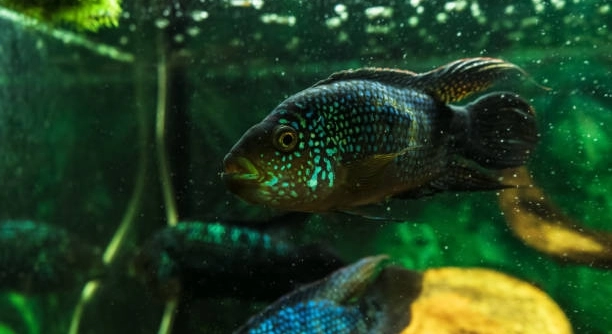
Many aquarium enthusiasts enjoy keeping Jack Dempsey fish because of their vibrant colors and active personalities. These fish are known for their territorial behavior, but some owners notice signs of social interaction and occasional pairing in home tanks. Observing their interactions can be both interesting and rewarding for hobbyists.
Jack Dempsey fish do not form permanent pair bonds in the wild or captivity. While they may exhibit temporary mating pairs during breeding periods, their social structure is generally solitary and territorial, with bonding behavior limited to reproduction-related activities.
Understanding their brief pairing habits can help hobbyists manage breeding setups and tank arrangements effectively. Learning these behaviors also supports healthier, more balanced aquarium environments for your fish.
Understanding Jack Dempsey Pairing Behavior
Jack Dempsey fish may seem like they enjoy company, but their social behavior is limited. In a tank, they are usually aggressive toward other fish, especially during breeding periods. Males establish territories and may chase intruders away, creating clear boundaries. When a female is ready to spawn, a temporary pairing occurs. The male courts the female with displays of color and movement. Once eggs are laid, both parents guard the nest for a short time. After the fry hatch, the pair often loses interest in each other and return to their usual solitary behavior. Observing this process can give insight into their natural instincts, which focus on reproduction rather than long-term companionship. Tank setups should allow space for territories to reduce stress. Proper hiding spots help prevent constant conflicts and give fish a sense of security, making temporary pair interactions smoother. Breeding is the only period when bonding-like behavior is noticeable in Jack Dempseys.
Pairing is brief and strictly related to reproduction. Outside this, Jack Dempseys prefer their own space and can be aggressive.
Managing their tank during breeding means separating other fish and providing flat surfaces for egg laying. Regular monitoring ensures both parents and fry remain safe. Temperature, water quality, and diet play crucial roles in successful spawning. Observing behavior closely helps prevent fights, as males can become overly protective. While they do not form lifelong bonds, careful setup can make breeding periods productive. After fry are free-swimming, separating them prevents aggression. Tank decoration, including rocks or plants, provides safe hiding spaces. Even without permanent pairing, understanding these behaviors allows smoother aquarium management. By anticipating temporary aggression and pairing tendencies, you can reduce stress and improve fish health. Tank size is critical, as overcrowding increases tension. Balanced feeding helps both adults maintain energy during nesting. Overall, temporary pair bonds exist, but long-term social connections do not form naturally in this species.
Temporary Bonding During Breeding
During breeding, males and females interact more closely for a short time. They guard eggs and young, showing protective behavior.
Temporary pair bonds are strictly linked to reproductive needs. Males court females through color changes and displays, creating a brief connection for spawning. Once the eggs are safe, the pair separates. This behavior is natural and does not indicate long-term companionship. Managing tanks during this time requires attention to aggression, tank setup, and environmental factors. Both parents benefit from a space that allows them to guard eggs without stress. Fry should be monitored and moved if necessary to prevent harm from adults. Even though Jack Dempseys do not form lasting bonds, this period demonstrates their instinctive care and territorial nature. Understanding these interactions helps improve breeding success and ensures the health of both adults and offspring. Awareness of temporary bonding is essential for anyone managing these fish, as it prevents unnecessary conflict and promotes healthier tank dynamics. Proper observation and preparation make these short-lived pair interactions smooth and successful.
Tank Setup for Breeding
Providing enough space reduces stress and aggression between Jack Dempseys. Flat rocks and broad surfaces are ideal for egg-laying. Hiding spots help both adults and fry feel secure. Avoid overcrowding to maintain calmer behavior and smoother interactions.
Tank size directly affects behavior. Smaller tanks increase aggression, especially during breeding. A tank of at least 55 gallons is recommended for a breeding pair, allowing room for territories. Use plants or decorations to divide spaces and reduce conflict. Substrate should be flat or sandy to help males create nests. Good water circulation and filtration maintain clean conditions, which encourages spawning. Balanced diet improves overall health, increasing breeding success. Constant monitoring ensures both adults and fry remain safe during the process.
Temperature, pH, and water quality influence breeding success. Keep temperatures around 78–82°F and pH between 6.5 and 7.5. Regular water changes prevent toxins from building up, keeping adults calm and fry healthy. Lighting should mimic natural day and night cycles, helping regulate behavior. Monitor interactions daily, as aggression can rise suddenly, especially from males guarding eggs. Separating other fish reduces risk of injury. Observing parental behavior helps identify when fry may need to be moved for safety. Nutrition is critical, with high-protein foods supporting egg production and fry development. Consistent tank maintenance encourages smoother breeding periods and reduces stress-related issues.
Feeding and Nutrition
High-protein diets are essential during breeding periods to support energy and reproductive health. Fresh, quality foods increase spawning success and fry survival.
Jack Dempseys benefit from varied diets including pellets, frozen, and live foods. Males and females need more protein when preparing to spawn. Regular feeding helps maintain vibrant colors and energy levels necessary for courtship and guarding eggs. Overfeeding should be avoided to prevent water quality issues, which can harm fry and stress adults. Supplemental vitamins can support overall health and reduce disease risk. During fry development, smaller foods like baby brine shrimp or finely crushed pellets encourage growth. Consistency in feeding schedules reduces stress. Avoid sudden changes in diet to prevent digestive problems or aggression. Observing how adults respond to food can indicate health status and readiness for breeding. Maintaining a balanced, protein-rich diet ensures stronger, healthier offspring while supporting adult vitality.
Recognizing Breeding Behavior
Males display brighter colors and flare their fins to attract females. Nest-building behavior includes cleaning flat surfaces and guarding territory aggressively.
Females may show readiness by following the male and showing slight color changes. Spawning often occurs in the early morning, and both adults focus on the nest. Close observation is key to understanding timing.
Caring for Fry
Fry are delicate and require clean, stable water conditions. Small hiding spots reduce stress and protect them from adults.
Feeding should start with finely crushed flakes or baby brine shrimp. Frequent, small meals encourage growth. Monitor water quality carefully to prevent ammonia buildup. Removing fry to a separate tank is sometimes necessary for safety.
Avoiding Aggression
Jack Dempseys are naturally territorial, especially during breeding. Males can attack intruders or even the female after spawning.
Aggression can be minimized by maintaining ample space, providing hiding spots, and separating other fish. Regular observation helps prevent injuries and keeps adults calmer.
FAQ
Do Jack Dempsey fish mate for life?
No, Jack Dempsey fish do not form lifelong bonds. Their interactions with a partner are temporary and strictly tied to reproduction. After spawning, both male and female typically return to solitary behavior. Pairing is only for courtship, egg-laying, and guarding fry.
How long does a Jack Dempsey pair stay together?
A breeding pair may stay together for a few days to a week. During this time, the male protects the nest and the female helps care for the eggs. Once fry hatch and start swimming freely, the pair usually separates. Their connection is never permanent.
Can Jack Dempseys get along with other fish while breeding?
It’s risky. Jack Dempseys are territorial, and aggression rises during breeding. Other fish may be chased or attacked. Providing separate tanks or ample hiding spots is the safest approach to reduce stress and prevent injuries.
What signs indicate a Jack Dempsey is ready to spawn?
Males brighten their colors and flare their fins to appear more attractive. They also clean flat surfaces to prepare nests. Females follow males, and their body colors may shift slightly. These behaviors signal that spawning is about to happen.
How should I prepare the tank for breeding?
Use a tank of at least 55 gallons for a pair, with flat rocks or broad surfaces for egg-laying. Provide hiding spaces for both adults and fry. Keep water clean, maintain stable temperatures around 78–82°F, and monitor pH between 6.5 and 7.5.
What do Jack Dempsey fry eat?
Fry should start with tiny foods such as finely crushed flakes or baby brine shrimp. Feeding small portions several times a day promotes steady growth. Water quality must be maintained to prevent ammonia buildup, which can be fatal for fry.
Do both parents care for the fry?
Yes, but only temporarily. Both male and female guard eggs and newly hatched fry for a short period. The male is more aggressive about protecting the nest, while the female may assist in cleaning and moving fry within the nest.
How can I reduce aggression during breeding?
Provide enough space and hiding spots to minimize territorial fights. Avoid overcrowding and remove other fish from the breeding tank. Monitor interactions daily, as males can become overly aggressive toward females or fry if stressed.
How often do Jack Dempseys breed?
Breeding frequency depends on age, health, and environment. With proper care, a pair can spawn multiple times per year. Nutrition, water conditions, and stress levels influence readiness. Keeping adults healthy increases breeding success.
Can Jack Dempseys bond outside of breeding?
No, these fish are naturally solitary. Outside of reproduction, they prefer their own territory. Pairing behavior is temporary, and long-term companionship does not develop. Understanding this helps prevent frustration and tank conflicts.
Are Jack Dempseys easy to breed at home?
Breeding can be straightforward with proper preparation, but requires attention. Adequate space, hiding spots, temperature, and high-protein diets improve success. Temporary aggression must be managed carefully. Observing behavior and maintaining clean water ensures fry survival.
How can I tell if my Jack Dempseys are stressed?
Signs include dull coloration, hiding constantly, erratic swimming, or aggression beyond normal territorial behavior. Stress can affect spawning success and overall health. Providing proper tank conditions, stable water, and a peaceful environment helps reduce stress.
What is the best diet during breeding?
High-protein foods such as pellets, frozen or live foods support energy and reproductive health. Balanced nutrition ensures bright colors, active courtship, and healthy eggs. Avoid overfeeding to maintain water quality, which is crucial for fry survival.
Do Jack Dempseys fight after spawning?
Sometimes. Males can become aggressive even toward females or fry once spawning is complete. Observing behavior and separating fry if needed prevents injury and keeps the tank safe. Understanding this natural behavior avoids unnecessary stress.
How long until fry are free-swimming?
Fry usually hatch in 3–5 days and begin swimming freely after about a week. During this period, parental care is temporary. Fry require tiny foods and stable water conditions to grow safely into juveniles.
Can I keep multiple Jack Dempseys together outside breeding?
It’s possible if the tank is large enough, but aggression is common. Territorial disputes occur even without breeding, especially among males. Providing hiding spots and visual barriers reduces stress and fighting.
Do Jack Dempseys need special lighting for breeding?
Normal aquarium lighting that mimics day and night cycles is sufficient. Stable light schedules help regulate behavior, encourage spawning, and reduce stress. Bright, fluctuating lights are unnecessary and can cause agitation.
Is it necessary to remove adults after fry hatch?
Sometimes. Males and females may still pose a threat to fry once they are free-swimming. Removing fry to a separate tank ensures safety and improves survival rates. Observation is key to decide the right time.
How important is water quality for breeding success?
Extremely important. Poor water quality can stress adults, harm eggs, and kill fry. Regular water changes, filtration, and monitoring of ammonia, nitrites, and nitrates are essential. Clean, stable conditions support healthier, more successful spawning events.
Can Jack Dempseys live with other species long-term?
They may coexist with other large, robust fish if space allows, but aggression is always possible. Territorial disputes increase during breeding, so separation is often safer. Compatibility depends on tank size, hiding spaces, and monitoring behavior.
What is the best way to monitor spawning progress?
Check nests daily, watch for egg-laying, and note fry development. Observe parents’ behavior and aggression levels. Small adjustments to tank conditions or temporary separation may be needed to protect fry and reduce stress.
How do I encourage a Jack Dempsey to spawn?
Provide a clean, stable tank with sufficient space, flat surfaces, hiding spots, and a high-protein diet. Gradually increase temperature within the recommended range. Maintaining calm and stress-free conditions improves the likelihood of successful spawning.
What are common mistakes during breeding?
Overcrowding, poor water quality, insufficient hiding spots, and ignoring aggression can harm both adults and fry. Feeding irregularly or providing inadequate nutrition can also reduce success. Careful observation and preparation prevent most issues.
How long do Jack Dempseys live?
With proper care, they can live 8–10 years. Healthy adults are more likely to breed successfully. Tank conditions, diet, and stress management influence lifespan. Understanding their needs ensures both longevity and breeding success.
Can Jack Dempseys recognize their fry?
No, they do not recognize individual offspring. Parental care is instinctual and temporary. Fry survival depends on tank setup, feeding, and protection rather than parental recognition.
Do Jack Dempseys show affection outside breeding?
Not really. They are solitary and territorial. Any interaction with other fish is usually driven by competition or courtship. Long-term bonds do not naturally form.
Are there signs of successful spawning?
Yes, eggs laid on flat surfaces, male guarding behavior, and later free-swimming fry indicate success. Monitoring these stages helps determine if intervention is needed for fry safety.
What should I do if aggression becomes extreme?
Separate adults or move fry to another tank. Adding hiding spaces or rearranging decorations can also reduce conflict. Quick action prevents injuries and maintains a safe environment for breeding.
How important is nutrition during fry growth?
Critical. Tiny, frequent meals like baby brine shrimp promote steady development. Balanced nutrition ensures stronger juveniles and prepares them for adult life. Poor feeding can stunt growth and increase mortality.
How often should I monitor water during breeding?
Daily checks are ideal. Monitor temperature, pH, ammonia, nitrites, and nitrates. Any fluctuations can stress adults and fry, reducing survival rates. Consistent maintenance ensures a safe breeding environment.
Can Jack Dempseys breed in community tanks?
It’s challenging. Aggression toward other fish is high during breeding. Dedicated breeding tanks or temporary separation often yield better results. Community tanks increase the risk of injury to both adults and fry.
Are Jack Dempseys easy to handle during breeding?
Handling should be minimal. Disturbing the tank can stress adults and disrupt egg-laying. Observation from outside the tank is safest. Patience ensures successful spawning without conflict.
Do Jack Dempseys need special water parameters for breeding?
Stable water with temperatures around 78–82°F and pH between 6.5–7.5 is ideal. Clean, filtered water reduces stress and supports egg and fry survival. Sudden changes should be avoided.
Can juveniles be raised in the same tank?
Only if adults are removed or aggression is minimal. Otherwise, separate tanks improve survival. Providing small foods and safe spaces supports healthy juvenile growth.
What is the most common reason breeding fails?
Stress from overcrowding, poor water quality, or aggression. Inadequate nutrition or lack of suitable nesting surfaces also reduces success. Proper tank setup and careful observation prevent most failures.
How do I know when fry can eat regular food?
Once fry reach a few weeks old and grow larger, they can transition to finely crushed flakes or pellets. Start gradually to ensure proper digestion and growth.
Do environmental changes affect pairing?
Yes. Stress, poor water, or sudden changes can prevent spawning or disrupt temporary pairs. Stable conditions encourage successful reproduction.
Is it possible for a male to harm the female?
Yes, especially after spawning. Territorial aggression can lead to injury. Observing behavior and providing hiding spots or separating fish prevents harm.
Can Jack Dempseys breed multiple times per year?
Yes, with proper care and stable conditions. Adequate nutrition, tank space, and stress management increase the likelihood of multiple successful spawning events within a year.
How do I prevent fungal infections on eggs?
Maintain clean water and monitor for any dead eggs. Removing spoiled eggs and ensuring proper filtration reduces fungal growth, supporting healthy fry development.
Are there special considerations for water hardness?
Moderate hardness is preferred. Extreme hardness or softness can affect spawning and egg viability. Maintaining consistent conditions ensures better reproductive outcomes.
What should I do if fry mortality is high?
Check water quality, feeding schedules, and tank setup. Consider moving fry to a separate tank to reduce predation or stress from adults. Consistent monitoring improves survival rates.
Can stress prevent spawning altogether?
Yes. Overcrowding, poor nutrition, water fluctuations, or excessive handling can stop spawning. Creating a calm, stable environment encourages natural reproductive behavior.
Do Jack Dempseys interact with each other outside breeding?
Interactions are mostly territorial or aggressive. They do not form social bonds, and any closeness is temporary during mating periods only.
Is it necessary to adjust lighting for fry development?
Regular day-night cycles are sufficient. Extreme or irregular lighting can stress adults and fry. Consistency supports natural behavior and growth.
How long does it take for eggs to hatch?
Typically 3–5 days, depending on temperature and water quality. After hatching, fry remain near the nest for a few more days before free swimming.
Do Jack Dempseys recognize their mate?
Recognition is limited to temporary reproductive interactions. They do not form lasting bonds or social recognition outside breeding.
How can I tell if a male is too aggressive?
Constant chasing, attacking the female, or harming fry signals excessive aggression. Intervention, separation, or added hiding spaces is necessary to prevent injury.
Can Jack Dempseys breed without a dedicated breeding tank?
It’s possible but riskier. Aggression toward other fish or fry increases. A separate breeding setup improves safety and success rates.
What is the best way to feed adults during breeding?
High-protein meals once or twice daily. Avoid overfeeding to maintain water quality. Include variety: pellets, frozen, or live foods. Nutrient-rich diets support courtship, spawning, and parental care.
How much space does each adult need during breeding?
At least 55 gallons for a pair, with room for territories and hiding spots. Adequate space reduces conflict and stress. Smaller tanks increase aggression and lower spawning success.
Do Jack Dempseys show signs of stress in hiding behavior?
Yes, excessive hiding, dull colors, or refusal to eat indicate stress. Address water quality, tank space, and aggression to improve conditions.
How long should I wait between breeding cycles?
Allow several weeks for adults to recover, regain energy, and prepare for the next cycle. Adequate recovery prevents health issues and improves success.
What should I monitor daily during breeding?
Egg development, fry activity, adult aggression, water quality, and feeding. Early detection of problems prevents losses and ensures a smooth spawning process.
Are Jack Dempseys compatible with other cichlids during breeding?
Only cautiously. Aggression rises during breeding, making mixed tanks risky. Dedicated breeding setups are recommended to protect both adults and fry.
Can adults injure fry unintentionally?
Yes. Even protective males may harm fry if overcrowding or stress occurs. Observation and tank management reduce accidental injuries.
Do Jack Dempseys require special care after spawning?
Yes. Monitor aggression, water quality, and fry safety. Adults may need separation if aggression becomes excessive. Regular feeding supports recovery and future breeding.
How can I improve spawning success overall?
Maintain stable water, adequate space, high-protein diets, hiding spots, and minimal disturbance. Observing behavior closely and managing aggression improves survival and fry growth.
Is tank decoration important for breeding success?
Yes. Flat rocks, broad surfaces, and hiding spots support nest building, reduce aggression, and protect fry. Well-placed decorations allow adults to express natural behavior safely.
Can Jack Dempseys adapt to breeding in smaller tanks?
Possible but stressful. Aggression increases, and fry survival may drop. Larger tanks with proper setup provide safer, more successful outcomes.
Do Jack Dempseys show bonding behavior after fry are independent?
No, their interactions end once fry are free-swimming. Pair bonds exist only temporarily during reproductive activities.
Is frequent observation necessary during breeding?
Yes. Daily checks for aggression, water quality, egg and fry health prevent losses. Monitoring allows timely intervention if problems arise.
What role does water temperature play in breeding?
Maintaining 78–82°F encourages spawning, egg development, and fry growth. Sudden fluctuations cause stress and can prevent reproduction.
Can Jack Dempseys breed in community aquariums safely?
Rarely. Aggression toward other fish increases, risking injury. Separate breeding tanks are safer for both adults and fry.
How do I prevent adults from eating fry?
Provide hiding spots, remove fry if necessary, and monitor adults closely. Aggression often peaks once fry begin swimming freely.
Are Jack Dempseys easy to manage during breeding?
With preparation, yes. Tank setup, nutrition, and observation reduce stress and aggression. Careful management ensures higher spawning and fry survival rates.
Do Jack Dempseys need live food for breeding?
Live food helps stimulate breeding behavior but is not strictly necessary. High-quality frozen or pellet foods also support reproductive health and energy.
Can Jack Dempseys breed year-round?
Yes, if environmental conditions, nutrition, and tank stability are maintained. Proper care ensures multiple successful spawning events annually.
How do I know when to move fry to a separate tank?
Once fry are free-swimming and adults show signs of aggression, transferring fry reduces risk of injury. Observation determines the right timing.
Is it necessary to remove leftover eggs?
Yes. Rotten eggs can cause fungal growth and harm healthy eggs or fry. Removing them supports survival.
Do Jack Dempseys interact socially outside reproduction?
Interactions are limited to aggression or territorial disputes. They do not form long-term social bonds.
Can changing tank layout reduce aggression?
Yes. Rearranging decorations and adding hiding spots can diffuse territories, reducing fights and stress.
How often should I feed fry?
Several small meals daily promote steady growth. Tiny foods like baby brine shrimp or crushed flakes are ideal until juveniles grow larger.
Do Jack Dempseys need a dark period at night?
Yes. Normal day-night cycles support natural behavior and reduce stress. Constant bright lighting is unnecessary and can agitate adults.
What is the typical hatching rate for eggs?
Hatching rates vary based on health, nutrition, and water conditions. Under ideal conditions, most eggs will hatch within 3–5 days.
Can adults damage eggs accidentally?
Yes. Males or females may disturb eggs if stressed or overcrowded. Observation and nest protection help prevent losses.
How do I tell if breeding was successful?
Egg presence, male guarding behavior, and free-swimming fry indicate success. Careful monitoring ensures adults and fry remain safe.
Can Jack Dempseys adjust to different water hardness?
Moderate hardness is best. Sudden changes may stress adults and reduce spawning success. Consistency promotes healthy reproduction.
Are Jack Dempseys aggressive toward each other outside breeding?
Yes, especially males. Territorial disputes are common even when not breeding. Proper spacing and hiding spots reduce conflict.
How long do adults guard eggs?
Usually 3–5 days, until fry begin free swimming. Guarding is temporary and strictly linked to reproductive needs.
What is the best way to introduce a breeding pair?
Introduce both adults into a large tank with hiding spots, flat surfaces, and stable water. Avoid sudden interactions with other fish to reduce aggression.
Do Jack Dempseys require special care for eggs?
Maintain clean water, monitor adults, and remove rotten eggs. Proper care ensures higher hatching rates and healthier fry.
Can Jack Dempseys be bred indoors successfully?
Yes, with controlled conditions, proper nutrition, tank size, and observation. Indoor breeding allows careful management of water and aggression.
Is handling adults necessary during breeding?
No. Minimal disturbance is safest. Observation from outside the tank prevents stress and promotes natural behavior.
How often should water be changed during breeding?
Frequent small water changes maintain quality. Daily checks help prevent toxic buildup and support egg and fry health.
Can Jack Dempseys breed with minimal decorations?
Some flat surfaces are necessary for egg-laying. Hiding spots reduce aggression. Completely bare tanks increase stress and reduce success.
Do Jack Dempseys show signs of stress during pairing?
Excessive hiding, dull colors, or constant aggression indicate stress. Adjusting environment and monitoring behavior improves conditions.
What is the main factor for fry survival?
Stable water, protection from adults,
Final Thoughts
Jack Dempsey fish are striking and full of personality, but they are naturally solitary and territorial. Understanding their behavior is key for anyone keeping them in an aquarium, especially during breeding periods. Their interactions with a mate are temporary and focused strictly on reproduction. Outside of spawning, they prefer their own space and do not form lasting bonds. This is an important consideration when planning tank setups or managing multiple fish. Giving each adult enough room to establish a territory reduces stress and aggression, making the environment safer for all inhabitants. Observing their natural instincts closely allows hobbyists to anticipate behaviors and respond appropriately, which helps maintain a balanced and healthy tank environment.
Breeding Jack Dempseys requires attention to water quality, tank size, and nutrition. Adults are more aggressive when they are preparing to spawn, and providing flat surfaces, hiding spots, and a stable environment helps reduce conflict. High-protein diets support energy levels, bright coloration, and reproductive health, while clean, well-monitored water prevents stress and disease. Fry require delicate care, starting with tiny foods and small, frequent meals, along with protected spaces to keep them safe from adults. Separation of fry is sometimes necessary, as adults can accidentally harm them once they start swimming freely. Monitoring behavior during this period ensures both adults and offspring remain healthy.
Even though Jack Dempseys do not form long-term pair bonds, temporary pair behavior during breeding is still fascinating to observe. Their care for eggs and fry shows natural instinctive behavior rather than social connection. Providing a properly prepared tank, consistent feeding, and careful observation makes breeding smoother and more successful. Understanding the limits of their social behavior helps prevent frustration or misunderstandings about their interactions. With patience and attention to their specific needs, it is possible to create a healthy, low-stress environment for both adults and fry. Proper planning, management, and respect for their natural tendencies are the best ways to enjoy the beauty and activity of Jack Dempsey fish in your aquarium.

Hello,
If you enjoy the content that we create, please consider saying a "Thank You!" by leaving a tip.
Every little bit helps us continue crafting quality advice that supports the health, happiness, and well-being of pets around the world, for pets of all shapes, sizes, and species.
We really appreciate the kindness and support that you show us!