
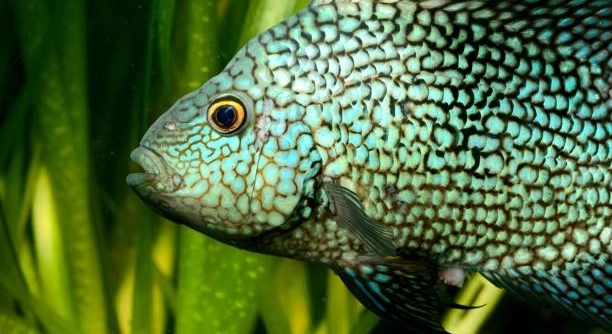
Do you ever notice unusual smells around your Dempsey tank and wonder if they affect your fish’s health? Keeping the water clean and odor-free is important for maintaining a happy, thriving aquarium environment for your Dempseys.
Certain strong or persistent odors in a Dempsey tank can disrupt fish behavior, reduce appetite, and negatively impact overall health. Common sources include decaying food, algae overgrowth, poor filtration, and chemical residues, all of which should be addressed promptly.
Knowing which smells may harm your Dempseys can help prevent stress and illness. These seven scents highlight common issues that can quietly affect your tank’s balance.
Dirty Filter
A dirty filter in a Dempsey tank can produce a strong, foul smell that indicates it’s struggling to process waste. Filters are meant to remove debris, excess food, and fish waste, but over time they become clogged with trapped particles. When this happens, the water circulation slows down, allowing organic matter to decay and release harmful substances like ammonia and nitrites. Ignoring a clogged filter can stress your Dempseys, making them more susceptible to disease and reducing their activity levels. Cleaning the filter regularly and replacing media as recommended keeps the tank balanced and odor-free. I personally noticed that even a small buildup can make the tank smell noticeably bad. Routine maintenance not only improves water quality but also ensures your Dempseys remain active and healthy.
Neglecting filter maintenance causes waste accumulation, lowers water quality, and increases stress for Dempseys, making regular cleaning essential for a stable tank environment.
Keeping up with filter care prevents strong odors and promotes consistent water flow, helping your fish thrive in a cleaner tank.
Stagnant Water
Stagnant water often gives off a musty smell that signals poor circulation.
Without proper movement, debris settles on the bottom and oxygen levels drop, which can stress your Dempseys. A reliable filter and occasional water stirring help prevent stagnation.
Stagnant water creates a breeding ground for bacteria and can quickly lead to cloudy, smelly conditions. Dempseys need well-oxygenated water to stay healthy and energetic, and stagnant areas reduce their overall activity. Adding a gentle current or adjusting the filter output encourages water movement, keeping oxygen levels stable. Regular partial water changes dilute waste buildup and refresh the tank environment. Even small tanks can experience stagnation if decorations block flow, so arranging plants and rocks to allow circulation is important. Monitoring water clarity and movement daily helps detect problems early. With consistent care, the tank remains clean, smells fresh, and supports healthy fish behavior.
Uneaten Live Food
Uneaten live food can quickly start to decompose in a Dempsey tank, creating a strong, unpleasant odor that affects water quality.
Live food such as worms or small crustaceans is nutritious but perishable. When your Dempseys don’t eat all of it, the leftovers sink and begin to rot. This decomposition releases ammonia and other harmful compounds, stressing the fish and reducing oxygen levels in the water. I’ve noticed that even a few uneaten pieces can noticeably affect the tank smell within hours. Using only what your fish can consume in a few minutes and removing leftovers immediately keeps the water cleaner and prevents unnecessary odors.
Regular monitoring and prompt removal of uneaten live food helps maintain water quality, prevents bacterial growth, and ensures your Dempseys stay healthy. Managing portions carefully avoids overfeeding and keeps the tank environment stable.
Chemical Odors
Chemical smells can appear when cleaning products, water conditioners, or treatments are overused or spilled in the tank area.
Even mild household cleaners that touch tank surfaces can release fumes that dissolve into the water. Dempseys are sensitive to chemicals, and exposure can stress them, trigger illness, and affect appetite. I once accidentally left a treated sponge in the tank, and the fish became sluggish almost immediately. Using products specifically designed for aquariums and rinsing all equipment thoroughly prevents unwanted chemicals from entering the water. Avoid spraying sprays, disinfectants, or soaps near the tank, as residues can settle on the water surface and decorations.
Properly handling and storing all aquarium treatments reduces chemical odors, protects your Dempseys, and maintains a safe, balanced environment. Consistent care ensures long-term health and a more pleasant tank experience.
Dead Plant Matter
Dead leaves or plant stems left in the tank can quickly start to decay, producing a sour, musty smell.
Removing decaying plant matter immediately prevents bacteria buildup and keeps water quality stable. Regularly trimming live plants helps maintain a cleaner, healthier environment for your Dempseys.
Uneaten Pellet Food
Uneaten pellets that settle on the bottom of the tank decompose faster than expected. This process releases ammonia and creates a noticeable odor. I’ve seen tanks smell bad within a day if excess pellets are left behind. Feeding only what your Dempseys can consume in a few minutes and cleaning the substrate afterward keeps the tank fresh and prevents health problems.
Moldy Decorations
Decorations that remain wet and accumulate organic debris can develop mold, giving off a strong odor.
What is the main cause of strong smells in a Dempsey tank?
Strong odors in a Dempsey tank usually come from waste buildup, leftover food, or decaying plants. Even a small amount of uneaten food can start to decompose quickly, releasing ammonia and other compounds that produce a noticeable smell. Dirty filters or stagnant water worsen the problem, allowing waste to accumulate and bacteria to grow. Chemical residues from cleaning products or treatments can also introduce smells that are harmful to your fish. I’ve learned that regular water checks, partial water changes, and consistent cleaning help prevent these odors and keep the tank safe for your Dempseys.
How often should I clean my Dempsey tank to prevent odors?
Tank maintenance should happen on a weekly or biweekly schedule, depending on tank size and fish load. Cleaning includes removing uneaten food, vacuuming the substrate, and checking the filter. Changing 20–30% of the water weekly reduces the buildup of ammonia and nitrites. Decorations and plants should also be rinsed and checked for decay, as even small bits of organic matter can create a noticeable smell. I personally find that keeping a simple maintenance checklist prevents oversight and ensures the tank stays fresh. Overcleaning isn’t necessary, but consistency is key.
Can overfeeding cause smells in my Dempsey tank?
Yes, overfeeding is one of the most common reasons for tank odors. Uneaten pellets or live food sink to the bottom and start to rot within hours. This decomposition releases ammonia and encourages bacterial growth, creating a strong, sour smell. Feeding only what your Dempseys can consume in two to three minutes prevents excess food from accumulating. I often weigh or measure portions to avoid overfeeding, and I remove any leftovers promptly. Balanced feeding not only keeps the tank clean but also supports fish health and growth.
Are certain decorations more likely to cause odors?
Yes, porous or synthetic decorations that trap food and waste are prone to developing smells. Natural items like driftwood can leach tannins but usually don’t cause harmful odors if soaked and cleaned properly. Mold or algae growth on decorations can create musty smells, especially if water flow is poor. I regularly inspect all decorations and remove any debris trapped inside. Smooth, non-porous surfaces are easier to clean and maintain, helping prevent odors from forming. Proper placement also ensures good water circulation, which keeps decorations from becoming odor sources.
How can I tell if a smell is dangerous for my Dempseys?
Strong ammonia, sulfur, or rotten food smells are indicators of poor water quality that can harm Dempseys. If fish show signs of stress—such as gasping at the surface, hiding, or sluggish behavior—it’s likely that the smell is linked to unsafe conditions. Testing water parameters for ammonia, nitrites, nitrates, and pH is the best way to confirm if the tank is unsafe. I always act quickly when noticing these smells, performing partial water changes and filter maintenance to protect my fish. Early detection prevents health problems and keeps the tank stable.
Can live plants help reduce odors?
Yes, live plants absorb nutrients that would otherwise feed bacteria or algae. Healthy plants take up nitrates and phosphates, helping to maintain water clarity and reduce smells. Removing dead or decaying plant matter is still essential, but the presence of live plants can naturally improve the tank’s balance. I keep fast-growing plants like hornwort or anacharis, which also provide hiding spots for Dempseys. Proper lighting and trimming prevent plants from becoming a source of decay themselves, keeping the tank fresh and odor-free.
What should I do if chemical smells appear?
Chemical odors usually come from cleaning agents, water treatments, or air fresheners near the tank. These chemicals can dissolve in the water and stress your fish. Immediate action involves removing any contaminated items and performing a partial water change. Using only aquarium-safe products and rinsing equipment thoroughly before adding it to the tank prevents this problem. I once experienced a strong smell after using a household cleaner near my tank, and the fish reacted quickly. After changing the water and improving ventilation, the odor disappeared, and the fish returned to normal behavior.
Can stagnant water alone cause odors?
Yes, stagnant water contributes to musty, unpleasant smells. Without proper circulation, debris settles, oxygen levels drop, and bacteria grow faster. Filters and air pumps help maintain movement, while rearranging decorations can reduce dead spots. Regular water changes and monitoring flow are key to preventing stagnation. I’ve noticed a dramatic improvement in smell once I adjusted the filter and removed blockages in the tank. Healthy water movement keeps Dempseys active and supports the overall balance of the tank ecosystem.
Are smells permanent if left untreated?
No, most smells are a sign of preventable issues. Left untreated, they can indicate worsening water quality and potential health risks for your fish. Regular maintenance, removing decaying matter, and keeping the filter clean resolve odors effectively. I’ve had tanks that smelled strongly due to leftover food, but with consistent care, the smell disappeared within a day. Acting early prevents chronic problems and ensures your Dempseys remain healthy, active, and comfortable in their environment.
How can I maintain a fresh-smelling tank long-term?
Consistent feeding, regular water changes, timely filter maintenance, and removal of decaying material are essential. Monitoring water parameters and ensuring good circulation prevents buildup of waste and odors. Incorporating live plants and carefully managing decorations also helps. I follow a weekly checklist, which keeps the tank fresh and reduces surprises. Over time, these habits make maintenance easier, the tank healthier, and Dempseys more active. Regular observation allows quick correction of small problems before they develop into stronger smells or water quality issues.
This FAQ section provides practical strategies to manage tank odors, protect Dempseys, and maintain a clean, stable environment.
Keeping a Dempsey tank healthy and odor-free requires attention to the small details that often go unnoticed. Many tank smells come from things that seem harmless at first, like uneaten food, decaying plants, or a dirty filter. These issues can build up quickly, producing strong odors that affect water quality and stress your fish. Even minor odors can indicate problems with ammonia or nitrite levels, which can impact your Dempseys’ health if left unchecked. Regular maintenance, including water changes, substrate cleaning, and filter checks, is essential. Paying attention to what goes into the tank—how much you feed and the type of decorations you use—also makes a big difference. I’ve learned over time that a few minutes of daily observation prevents bigger problems later and keeps the tank environment balanced.
Another key factor in maintaining a clean tank is managing live plants and decorations. Dead leaves, stems, or trapped debris can start to decay quickly, producing smells that affect the entire tank. Live plants help absorb excess nutrients and improve water quality, but they also require regular trimming and inspection to prevent decay. Decorations, especially porous ones, can trap food and waste, which can create mold or bacteria growth if not cleaned. Proper placement of decorations and plants ensures good water circulation, which helps prevent stagnant areas where odors can develop. I’ve found that adjusting filters and arranging plants carefully makes a noticeable difference in reducing smells and keeping the water clear. Even simple changes like removing old leaves or rinsing decorations can prevent problems before they start.
Long-term tank health depends on consistent care and observation. Smells in the tank are usually a signal that something needs attention, whether it’s uneaten food, stagnant water, or chemical residues. Acting quickly to address these issues helps prevent stress, illness, and poor water quality. Maintaining a regular schedule for feeding, water changes, and filter cleaning keeps your Dempseys healthy and active. Testing water parameters periodically ensures that ammonia, nitrite, and nitrate levels stay safe. Paying attention to the tank’s environment, including light, circulation, and plant care, helps prevent odors from forming in the first place. With consistent care and small daily habits, a Dempsey tank can remain a stable, fresh, and healthy home for your fish. This approach keeps the tank smelling neutral, the water clear, and the fish happy, which ultimately makes tank maintenance simpler and more rewarding over time.

Hello,
If you enjoy the content that we create, please consider saying a "Thank You!" by leaving a tip.
Every little bit helps us continue crafting quality advice that supports the health, happiness, and well-being of pets around the world, for pets of all shapes, sizes, and species.
We really appreciate the kindness and support that you show us!