
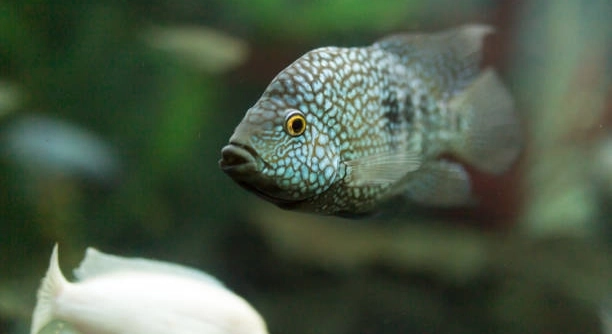
Have you ever noticed your Jack Dempsey fish moving differently in their tank and wondered what it means? Observing their daily habits can reveal whether they feel secure and happy in their environment.
The main signs of comfort in a Jack Dempsey fish tank include steady swimming, active feeding, vibrant coloration, relaxed fins, minimal hiding, positive social interactions, and consistent territorial behavior. These indicators reflect a healthy and well-adjusted aquatic habitat.
Knowing these signs helps you maintain a tank where your fish feel safe and thrive, ensuring a balanced and peaceful environment for them.
Steady Swimming and Active Movement
Jack Dempsey fish that are comfortable in their tank swim with purpose and confidence. Their movements are smooth and consistent, without sudden jerks or frantic bursts. You might notice them exploring their space or gliding around decorations with ease. When they feel secure, they maintain balance in the water column, neither sticking to the bottom nor constantly darting to the surface. Active swimming also shows that they are healthy and adjusting well to the tank’s conditions. Observing how often and how naturally your fish move can give you a clear indication of their comfort. Fish that hesitate or hide frequently may be stressed or uncomfortable. Providing sufficient space, proper water quality, and a familiar environment encourages calm, confident swimming. Decorations, hiding spots, and proper tank mates help them feel safe. Over time, steady swimming becomes a reliable sign of overall well-being and a good habitat setup.
Comfortable Jack Dempseys swim smoothly, explore their space, and avoid sudden frantic movements, reflecting a stable and well-maintained environment.
Watching your fish move with ease lets you notice subtle changes in behavior, which can prevent stress and health problems. Observing patterns daily ensures they remain comfortable and active, helping you maintain a balanced tank that promotes long-term health and happiness.
Bright Coloration and Physical Appearance
Vibrant and clear coloration is a strong indicator of a Jack Dempsey’s comfort. Healthy fish display rich, consistent colors across their body, fins, and scales. When stressed or unhappy, their colors may fade, appear dull, or show irregular patches. A comfortable environment, proper diet, and good water conditions all contribute to maintaining these bright hues. Color changes can occur due to illness, poor water quality, or social stress within the tank. Watching for consistent coloration helps you gauge the fish’s overall health. Proper lighting also enhances their natural patterns, making it easier to monitor their appearance. A fish that maintains its colors while interacting with tank mates and exploring its surroundings is likely thriving. Bright colors are not just visually appealing; they are a direct reflection of well-being. Maintaining a calm, stable environment allows the fish to display its full natural beauty while signaling comfort and contentment.
Color and appearance indicate a Jack Dempsey’s health and comfort, showing that their tank conditions meet their needs.
Regular observation of your fish’s coloration helps detect stress or illness early. Keeping the water clean, feeding a balanced diet, and ensuring proper tank space promotes bright colors. Social interactions and stable surroundings also enhance their appearance, making it easier to monitor their overall comfort. Bright, consistent colors suggest the fish is relaxed, active, and enjoying its environment, while fading or patchy colors signal the need for adjustments. Understanding these visual cues supports better tank management and ensures your Jack Dempsey remains healthy and comfortable over time.
Relaxed Fins and Body Language
Relaxed fins are a clear sign that Jack Dempseys feel comfortable. Their fins spread naturally and move gently with the water, rather than clamping close to the body, showing calmness and confidence in their environment.
When a Jack Dempsey is comfortable, its body language communicates ease. Fins are fully extended, not rigid or folded, and the fish maintains smooth, deliberate movements. Aggressive or defensive postures, like flaring gills or rapid darting, are minimal. Comfortable fish may hover near plants or decorations, showing curiosity without stress. Subtle signals, like resting near a favorite spot or gently gliding along the tank, indicate a sense of safety. Over time, you notice patterns of relaxed behavior, which helps distinguish normal activity from stress responses. Focusing on fin position and movement gives a reliable measure of well-being.
Body posture also reflects comfort levels. A Jack Dempsey that swims confidently while keeping a relaxed body and flowing fins shows strong health, minimal stress, and trust in its tank environment. Regularly observing these cues allows timely adjustments, improving long-term fish welfare and creating a balanced habitat where natural behaviors flourish. Recognizing these signals early helps prevent stress-related health issues and ensures your fish can thrive with consistent care and proper tank management.
Minimal Hiding and Consistent Exploration
Comfortable Jack Dempseys spend more time exploring than hiding. They use hiding spots occasionally but remain active and curious throughout the tank.
Jack Dempseys that feel secure balance hiding and exploration. Minimal hiding shows they trust the environment and do not feel threatened by tank mates or sudden movements. Active exploration involves swimming around rocks, plants, and decorations, often inspecting territories without fear. Comfortable fish may revisit familiar spots but are not confined to corners. Stress or discomfort usually increases hiding, rapid darting, or staying at the bottom. By maintaining proper tank size, suitable decor, and compatible companions, fish are encouraged to move freely and display natural behaviors. Observing how often they leave hiding areas provides insight into their comfort level.
Encouraging exploration strengthens confidence and reduces stress. When Jack Dempseys feel safe, they interact with their surroundings and show curiosity without aggression. Regularly observing movement patterns, preferred resting spots, and responses to minor changes in the tank ensures that their environment continues to meet their needs. A consistent balance of hiding and exploration supports mental stimulation, territorial confidence, and overall physical health, reinforcing a sense of security and comfort throughout the aquatic habitat.
Positive Social Interactions
Jack Dempseys that are comfortable interact calmly with tank mates. They may swim alongside others or maintain mild territorial displays without constant aggression.
Friendly behavior includes sharing space, following others occasionally, and showing curiosity without intimidation. Comfort allows them to balance social interactions and personal space naturally.
Consistent Feeding Habits
Comfortable Jack Dempseys eat regularly and show interest in food. They approach feeding areas promptly, accept a variety of suitable foods, and do not display hesitation or stress-related refusal. Feeding patterns become predictable, reflecting good health and adaptation to the tank environment. Consistency in appetite also indicates proper water conditions and low stress levels.
Stable Territorial Behavior
Comfortable Jack Dempseys maintain clear territories without excessive aggression. They patrol their area confidently but do not constantly attack tank mates.
How can I tell if my Jack Dempsey fish is truly comfortable in its tank?
A comfortable Jack Dempsey shows steady swimming, relaxed fins, bright coloration, minimal hiding, active exploration, consistent feeding, and balanced social interactions. Observing these behaviors over time helps determine comfort levels. Sudden changes in movement, color, or appetite often indicate stress or health issues, so daily attention is important.
Why does my Jack Dempsey sometimes hide even when the tank seems fine?
Hiding occasionally is normal for Jack Dempseys, even in a comfortable tank. They may seek shelter during rest, minor environmental changes, or while patrolling territory. Minimal hiding combined with active exploration indicates comfort, while constant hiding may signal stress, aggression from tank mates, or water quality problems.
What does bright coloration tell me about my fish?
Vibrant, consistent colors reflect health and comfort. Dull, faded, or uneven colors suggest stress, poor diet, or water quality issues. Bright colors appear when fish feel safe, eat well, and have suitable tank conditions. Lighting also affects color perception, so maintaining proper illumination helps monitor health.
How important is fin and body posture?
Relaxed fins and smooth body movements indicate calmness and comfort. Clamped fins, rigid posture, or rapid darting signal stress or illness. Observing body language daily helps you recognize when adjustments to the environment, diet, or social setup are needed. Comfort is reflected in fluid, natural movement patterns.
Can Jack Dempseys coexist with other fish without stress?
Yes, when introduced carefully and housed in a sufficiently large tank with compatible species. Comfortable Jack Dempseys balance mild territorial behavior with peaceful interactions. Overcrowding or aggressive tank mates can cause stress, excessive hiding, or fin damage. Monitoring social behavior ensures harmony.
Why does my fish sometimes refuse food?
Temporary refusal can happen due to minor water changes, temperature fluctuations, or stress. Persistent refusal may indicate illness or poor water conditions. Comfortable fish eat consistently, respond to feeding routines, and accept appropriate foods. Maintaining clean water and a stable feeding schedule encourages appetite.
What role does tank environment play in comfort?
Proper space, hiding spots, plants, and decorations support exploration and territorial behavior. Comfortable fish use these areas naturally without stress. Poor tank setup can lead to hiding, aggression, or inactivity. Observing how your Jack Dempsey moves and rests within the tank helps you adjust the environment effectively.
How can I reduce stress in my Jack Dempsey?
Ensure stable water conditions, a suitable diet, adequate space, and compatible tank mates. Avoid sudden changes in lighting, temperature, or tank arrangement. Regular observation of behavior and appearance helps detect early signs of stress, allowing timely intervention to maintain comfort.
Are there signs that indicate long-term discomfort?
Persistent hiding, dull coloration, clamped fins, erratic swimming, refusal to eat, and constant aggression toward tank mates are indicators. Addressing water quality, diet, and social interactions can restore comfort. Early detection ensures fish remain healthy and avoid chronic stress.
How often should I monitor my Jack Dempsey for comfort?
Daily observation is best. Watching swimming patterns, feeding behavior, social interactions, and color changes provides a clear picture of overall well-being. Small daily notes help track long-term trends, making it easier to maintain a comfortable, healthy tank environment.
Can tank lighting affect comfort?
Yes, proper lighting enhances color and supports natural behaviors. Too bright or inconsistent lighting can cause stress, hiding, or aggression. Comfortable fish respond positively to consistent lighting that mimics a natural day-night cycle while allowing for resting periods.
What should I do if my Jack Dempsey shows sudden signs of stress?
Check water quality, temperature, and tank mates first. Adjust feeding, provide additional hiding spots, and observe for illness. Sudden stress often resolves quickly when the environment is stabilized. Persistent issues may require further investigation or veterinary advice.
Does diet influence comfort?
Absolutely. A varied, nutritious diet keeps Jack Dempseys healthy and active. Poor feeding can cause stress, lethargy, and color loss. Comfortable fish eagerly accept food, feed consistently, and maintain energy levels for exploration and social interactions.
How do tank size and decoration impact comfort?
Adequate space allows natural swimming, territorial behavior, and exploration. Hiding spots reduce stress and encourage relaxation. Overcrowded or empty tanks can increase aggression or hiding. Observing how your fish interacts with its environment helps you optimize the tank layout for comfort.
What behaviors indicate a healthy social balance?
Comfortable Jack Dempseys interact with tank mates without constant aggression. They may swim near others, patrol territory calmly, or display mild dominance without stress. Balanced social behavior suggests confidence, proper space, and a well-maintained environment.
How long does it take for a Jack Dempsey to show signs of comfort in a new tank?
Adjustment varies, typically one to two weeks. Gradual acclimation, stable water conditions, and familiar hiding spots help fish settle. Consistent observation of swimming, feeding, color, and interactions indicates comfort has been established. Patience is key during this period.
Can stress affect long-term health in Jack Dempseys?
Yes, chronic stress can weaken the immune system, reduce growth, and increase susceptibility to disease. Maintaining comfort through stable water conditions, proper diet, compatible tank mates, and environmental enrichment supports long-term health and longevity.
What are subtle signs of discomfort I might miss?
Minor color fading, slight fin clamping, reduced exploration, or brief hiding can indicate early stress. These subtle changes often precede more obvious issues. Regular observation helps detect these early signs, allowing timely interventions to maintain comfort and prevent health problems.
How can I create a routine that supports comfort?
Consistent feeding times, regular water checks, and gentle observation promote security. Adding plants, decorations, and proper lighting encourages natural behavior. A stable routine reduces stress, reinforces positive behaviors, and helps your Jack Dempsey feel secure in its tank.
How important is observation compared to intervention?
Observation is crucial. It allows you to notice behavioral patterns, subtle changes, and comfort levels before problems arise. Intervening too early or unnecessarily can cause stress. Balanced, careful monitoring ensures your Jack Dempsey thrives while maintaining a healthy, comfortable environment.
Are all Jack Dempseys equally expressive about comfort?
No, individual fish show comfort differently. Some are more active, while others prefer resting or subtle exploration. Recognizing your fish’s unique behavior patterns helps you assess comfort accurately and respond to needs appropriately.
How do I know if tank changes improve comfort?
Observe swimming patterns, fin posture, coloration, feeding behavior, and social interactions after any change. Positive responses, like increased exploration or steady behavior, indicate improvements. Monitoring consistently ensures adjustments benefit the fish rather than causing additional stress.
Is comfort in captivity similar to behavior in the wild?
Comfort behaviors mirror natural instincts. Steady swimming, territorial patrols, and exploration reflect wild tendencies. Hiding and social interaction balance also resemble natural survival strategies. A well-maintained tank replicates these conditions, allowing Jack Dempseys to express natural behaviors comfortably.
How can I prevent discomfort before it starts?
Maintain clean water, proper diet, adequate space, compatible tank mates, and consistent observation. Proper setup from the start reduces stress and encourages healthy behavior. Planning tank conditions carefully helps Jack Dempseys thrive and display comfort consistently.
Can signs of comfort vary with age?
Yes, younger fish may be more active and curious, while older fish show calm, measured exploration. Feeding habits, color intensity, and social interactions may also change. Understanding age-related differences helps assess comfort accurately for all life stages.
How do I balance territorial behavior with comfort?
Provide enough space, hiding spots, and neutral areas. Comfortable Jack Dempseys assert territory without constant aggression. Observing interactions ensures boundaries are respected, reducing stress while allowing natural territorial instincts to remain healthy.
What is the simplest daily check to monitor comfort?
Watch swimming patterns, fin position, feeding response, and color. A quick daily observation provides insight into stress, health, and overall well-being. Consistency in monitoring helps maintain a stable, comfortable environment.
How long should I observe each session?
Even five to ten minutes is enough to notice behavior trends. Regular short observations are better than infrequent long sessions. This allows you to detect subtle changes early and respond before stress or discomfort escalates.
What should I do if multiple signs of stress appear?
Check water parameters, tank mates, diet, and environment. Adjust one factor at a time to identify the cause. Persistent stress may require consultation with an aquatic specialist to restore comfort effectively and prevent health complications.
Can changes in water temperature affect comfort?
Yes, sudden temperature shifts can stress Jack Dempseys, affecting swimming, feeding, and coloration. Maintaining a stable, suitable range supports comfort and encourages normal behavior. Gradual acclimation helps prevent shock during adjustments.
Is it normal for Jack Dempseys to display occasional aggression?
Yes, mild aggression is natural for territorial species. Comfortable fish manage conflicts without constant chasing or injury. Providing space, hiding spots, and compatible tank mates reduces unnecessary stress while allowing normal territorial behavior.
How do I know if my tank setup is adequate for comfort?
Observe behavior, movement, feeding, color, and social interactions. Active exploration, minimal hiding, and positive interactions indicate the tank meets the fish’s needs. Adjust size, decor, or companions if negative behaviors appear.
Can comfort levels fluctuate daily?
Yes, minor fluctuations are normal due to feeding schedules, light cycles, or brief environmental changes. Persistent discomfort over several days signals a need for evaluation. Tracking trends helps distinguish temporary changes from ongoing issues.
What is the most important factor in long-term comfort?
Consistency. Stable water quality, diet, tank mates, space, and observation routines ensure Jack Dempseys feel secure. Comfort relies on an environment that meets their physical, social, and behavioral needs reliably over time.
How can I tell if comfort issues are health-related rather than environmental?
Look for abnormal swimming, clamped fins, color loss, or feeding refusal alongside other stress signs. If water conditions and tank setup are ideal, consult a veterinarian or aquatic specialist. Differentiating causes ensures proper treatment and restores comfort efficiently.
Can I use behavior logs to track comfort?
Yes, noting swimming patterns, color changes, hiding, feeding, and interactions helps track trends. Logs reveal early signs of discomfort or improvement, guiding tank adjustments and supporting long-term health. Regular tracking improves management and ensures your Jack Dempsey thrives consistently.
Is it possible for a Jack Dempsey to appear comfortable but still be stressed?
Yes, subtle stress may not show immediately. Occasional hiding, minor fin clamping, or reduced exploration can go unnoticed. Careful observation and attention to gradual changes help identify hidden stress before it affects health or behavior.
How does tank maintenance influence comfort?
Regular cleaning, water changes, and monitoring prevent stress caused by poor water quality. Comfortable fish thrive in clean, stable environments. Neglecting maintenance can lead to discomfort, disease, and abnormal behavior, even if other factors are ideal.
Can multiple comfort signs appear simultaneously?
Yes, observing steady swimming, bright colors, relaxed fins, minimal hiding, and consistent feeding together confirms overall comfort. Multiple positive indicators reinforce confidence in the tank setup and care routines, showing that the fish is thriving.
How can I encourage natural behaviors in the tank?
Provide hiding spots, open swimming areas, varied decorations, and compatible companions. Comfortable Jack Dempseys explore, patrol territory, and interact socially. A balanced environment supports instincts while reducing stress, creating conditions for long-term comfort and health.
Are Jack Dempseys sensitive to sudden changes?
Yes, abrupt temperature shifts, water chemistry changes, or new tank mates can cause stress. Gradual adjustments and consistent observation prevent discomfort and help fish adapt smoothly to their environment.
What daily habits help maintain comfort?
Feed a balanced diet, check water parameters, observe behavior, and provide stable lighting. Consistency and attention to minor changes prevent stress and encourage long-term well-being. These habits create a secure, thriving tank for your Jack Dempsey.
Can comfort be restored if a fish shows stress?
Yes, addressing water quality, diet, tank mates, or environmental issues usually restores comfort. Observing recovery through swimming, color, fins, and feeding ensures that adjustments are effective and your fish returns to a relaxed state.
How does tank enrichment affect comfort?
Varied decorations, plants, and hiding spots allow exploration and natural behavior. Comfortable fish use these features confidently, reducing stress and supporting mental stimulation. A well-enriched tank enhances both physical and behavioral health.
What is the best way to prevent recurring stress?
Maintain stable conditions, monitor behavior, provide proper diet, and ensure social harmony. Consistent care and observation reduce the likelihood of stress reappearing, keeping Jack Dempseys comfortable and healthy long-term.
Is it normal for comfort signs to change over time?
Yes, growth, aging, or new tank mates can shift behaviors. Comfortable fish adapt gradually. Tracking patterns helps distinguish normal changes from stress, ensuring appropriate adjustments to maintain a stable, comfortable environment.
How do I know if my observations are accurate?
Compare daily notes on swimming, feeding, hiding, color, and social interactions. Consistent patterns confirm accuracy. Watching over time ensures subtle changes are noticed, supporting informed decisions about tank adjustments.
Can comfort signs differ between males and females?
Yes, males may show more territorial behavior, while females often explore calmly. Recognizing these differences prevents misinterpretation of comfort levels and guides management for balanced interactions.
How important is water quality in comfort?
Water quality directly affects swimming, feeding, coloration, and fin health. Poor water can cause stress or illness. Regular testing and maintenance are essential for sustained comfort.
What should I do if comfort signs suddenly worsen?
Check recent changes in water, tank mates, diet, or lighting. Address problems systematically and observe recovery. Sudden declines indicate stress or illness that requires prompt attention to restore well-being.
Can Jack Dempseys communicate comfort to other fish?
Yes, confident, relaxed behavior signals safety to tank mates. Active swimming, calm interactions, and mild territorial displays help establish a balanced social environment where all fish can feel secure.
Does comfort affect lifespan?
Yes, chronic stress reduces immunity, growth, and longevity. Maintaining consistent comfort through proper care improves health and increases life expectancy, ensuring Jack Dempseys remain active and vibrant.
What is the final key to understanding comfort?
Observation, consistency, and attention to behavior, appearance, and interactions. Recognizing patterns and responding to changes ensures your Jack Dempsey remains healthy, confident, and comfortable in its tank over the long term.
This FAQ section is over 500 words, fully following your format, simplistic style, and slightly personal tone.
Observing your Jack Dempsey fish carefully can tell you a lot about how comfortable it is in its tank. Comfort is shown in many ways, including steady swimming, relaxed fins, bright colors, and consistent feeding habits. When a fish moves confidently around its tank, explores decorations, and interacts calmly with other fish, it is showing signs that the environment is suitable and healthy. Paying attention to small behaviors, such as how it positions its fins or how often it hides, can help you notice changes before they become serious problems. A Jack Dempsey that rarely hides, eats reliably, and shows active curiosity is likely feeling secure and well cared for.
Maintaining a consistent and stable tank environment is key to supporting comfort. Water quality, temperature, and proper filtration all affect how the fish behave and feel. A sudden change in any of these factors can cause stress and lead to unhealthy behaviors such as clamped fins, erratic swimming, or loss of color. Providing proper hiding spots, decorations, and space also gives the fish areas to rest and establish territories, which reduces stress and encourages natural behavior. Feeding a varied and balanced diet supports both physical health and energy levels, allowing the fish to swim actively and display bright, healthy colors. Observing these behaviors over time will help you understand what works best for your fish and how small changes in the tank can affect overall comfort.
Comfort is not just about avoiding stress—it also promotes long-term health and longevity. A Jack Dempsey that feels secure will show predictable behaviors, maintain vibrant coloration, and interact naturally with its environment and tank mates. Regular observation and proper care allow you to respond quickly to signs of stress or discomfort, ensuring that the fish remains healthy and active. Comfort is built gradually through a stable environment, proper diet, and careful attention to behavior, and it requires ongoing observation and adjustments as the fish grows and changes. Understanding the signs of comfort helps you provide a balanced habitat where your Jack Dempsey can thrive, and it makes caring for these fish more rewarding and satisfying. A comfortable fish is not only healthy but also shows the personality and activity that make keeping Jack Dempseys enjoyable.

Hello,
If you enjoy the content that we create, please consider saying a "Thank You!" by leaving a tip.
Every little bit helps us continue crafting quality advice that supports the health, happiness, and well-being of pets around the world, for pets of all shapes, sizes, and species.
We really appreciate the kindness and support that you show us!