
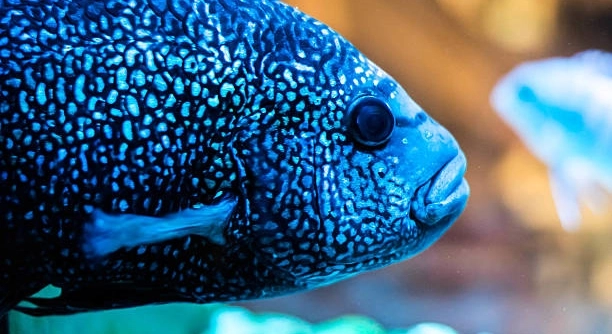
Have you ever noticed your Jack Dempsey fish reacting to its own reflection in the tank? These colorful fish often display unique behaviors when confronted with mirrored images, which can reveal their natural instincts and personality traits.
Jack Dempsey fish respond to reflections primarily with territorial and defensive behaviors. They may flare their fins, chase the reflection, or display aggression, reflecting instinctual reactions to perceived rivals in their environment. Such behavior varies with age, size, and tank conditions.
Observing these responses helps understand their behavior and ensures a balanced environment, supporting both the fish’s well-being and a peaceful aquarium setup.
Understanding Jack Dempsey Fish Behavior
Jack Dempsey fish are naturally territorial and display strong instincts even in home aquariums. Their reactions to reflections are part of this territorial behavior. When a fish sees its own reflection, it often interprets it as a rival intruding on its space. This can trigger a range of responses, including flaring fins, rapid swimming, or aggressive posturing. The intensity of these behaviors depends on the fish’s age, size, and previous experiences. Younger fish may show curiosity, while adults are more likely to act defensively. Tank size and decorations can also influence how often and how intensely the fish reacts. Providing hiding spots and adequate space can help reduce stress. Observing these reactions carefully offers insights into the fish’s temperament and health. Regular monitoring ensures that the aquarium remains balanced and that the fish do not injure themselves during aggressive displays.
Maintaining a stable environment is key to reducing unnecessary stress and overreactions in Jack Dempsey fish.
Reflections are not the only trigger for aggression. Changes in lighting, water temperature, and tank mates can also affect behavior. Aggressive displays may sometimes escalate if the fish feels cornered or stressed. Over time, patterns emerge that can help anticipate responses. For instance, a fish that reacts strongly to its reflection may also assert dominance over other fish in the tank. Consistent observation allows adjustments to tank setup, such as adding plants or rearranging decorations to break lines of sight. This reduces frequent confrontations and promotes calmer interactions. Feeding routines can also impact behavior; fish that feel secure and well-fed are less likely to react aggressively. Understanding these factors enables owners to create a healthier environment. Balancing space, visual barriers, and environmental stability supports both physical health and behavioral well-being. Tracking behavior over weeks helps identify triggers, allowing tailored solutions for each fish’s needs.
Common Reactions to Reflections
Many Jack Dempsey fish respond immediately when they see their reflection, often displaying aggression or defensive movements.
Common reactions include flaring fins, rapid swimming, or attempting to chase the reflection. Some fish may repeatedly strike at the glass, while others show temporary curiosity before calming down. These responses are instinctual, not learned, and vary based on individual temperament and previous experiences. Aggression is often more pronounced in males, especially during breeding periods. Females may show milder defensive displays or increased curiosity without overt aggression. Recognizing these patterns allows owners to distinguish between normal behavior and stress-induced actions. Additionally, these reactions provide insight into the fish’s territorial nature and social hierarchy. While some behaviors may seem alarming, they are natural and part of the species’ way of communicating and asserting dominance. Adjusting tank setup or providing visual barriers can help minimize repeated aggressive encounters. Understanding these behaviors helps in creating a balanced environment where multiple fish can coexist peacefully, reducing injury risks and promoting overall well-being.
Minimizing Stress from Reflections
Adding plants or decorations can break the line of sight and reduce constant exposure to reflections. Proper tank size also helps, giving Jack Dempsey fish space to retreat and feel secure. Consistent lighting and stable water conditions further lower stress levels and prevent repeated aggressive reactions.
Visual barriers like rocks or floating plants help the fish avoid seeing its own reflection too often. Rearranging decorations periodically can prevent the fish from becoming fixated on one spot. Tank size is crucial; a crowded environment increases confrontations and stress. Calm water movement and dimmer lighting can reduce excitement triggered by reflections, helping the fish maintain a relaxed state. Observing behavior after adjustments ensures the environment supports both activity and rest.
Feeding routines play a role in calming aggressive tendencies. Fish that feel safe and well-fed are less likely to react strongly to their reflection. Scheduling meals at consistent times provides predictability, reducing territorial displays linked to hunger. Removing sudden changes in tank setup and maintaining water quality prevents unnecessary agitation. For multi-fish tanks, ensuring enough hiding spots reduces competition and allows fish to manage stress individually. Monitoring behavior over time helps identify which environmental adjustments have the greatest positive effect on minimizing reactions to reflections and supporting overall health.
Recognizing Signs of Excessive Aggression
Constant flaring, chasing reflections repeatedly, or injuries indicate the fish is stressed and requires immediate environmental adjustments.
Excessive aggression can lead to fin damage, weakened immune systems, and overall stress. Fish showing prolonged reactions may be overcrowded or lacking sufficient hiding spots. Water quality issues, sudden changes in temperature, or aggressive tank mates can worsen behavior. Tracking patterns helps distinguish temporary reactions from chronic stress. Providing visual barriers, adjusting lighting, and separating overly aggressive individuals can prevent harm. In some cases, rearranging tank layout or temporarily isolating the fish may be necessary to restore calm. Maintaining clean water and consistent feeding supports recovery while reducing stress-driven aggression.
Behavioral cues like hiding excessively, reduced appetite, or lethargy may accompany repeated aggressive displays. Stress often manifests in physical signs such as torn fins or faded colors. Addressing the root causes, such as reflection exposure or territorial conflicts, is essential. Observing fish behavior across different times of day and tank conditions helps identify triggers. Preventive measures, including adding plants, adjusting tank size, and maintaining water stability, reduce prolonged stress. Ensuring that each fish has personal space and visual barriers fosters a healthier environment. Monitoring over weeks allows owners to fine-tune conditions, supporting both the physical health and mental well-being of Jack Dempsey fish.
Reflection Triggers
Bright lighting and clear glass surfaces make reflections more noticeable, often provoking strong reactions. The angle of the light and tank positioning can increase the fish’s visibility of its own reflection, leading to repeated territorial displays. Adjusting these factors helps reduce unnecessary stress.
Frequent movement near the tank can also trigger reactions. Reflections caused by external light or passing objects may be interpreted as rivals. Minimizing sudden visual disturbances helps the fish stay calm and prevents repeated aggressive responses that could affect overall health and behavior.
Differences Between Males and Females
Male Jack Dempsey fish generally display more intense reactions to reflections than females. They are naturally more territorial, particularly during breeding periods, and often flare fins or chase reflections repeatedly. Females tend to show milder displays or curiosity rather than sustained aggression.
Tank Environment Adjustments
Adding floating plants, rocks, or rearranging decorations can break sightlines and provide retreat spaces. Larger tanks allow the fish to avoid perceived threats, reducing stress. Consistent water quality, stable temperature, and moderate lighting further support calmer behavior. These adjustments make the tank more comfortable for both males and females.
Monitoring Behavior
Keeping a close eye on repeated flaring, chasing, or hiding helps identify stress patterns. Tracking behavior over days ensures timely adjustments to tank conditions.
FAQ
Why does my Jack Dempsey react aggressively to its reflection?
Jack Dempsey fish interpret reflections as rival fish entering their territory. Aggressive displays, such as flaring fins, chasing, or striking the glass, are instinctual. This behavior is more pronounced in males and during breeding periods. Environmental factors, including tank size, lighting, and decorations, influence the intensity of these reactions.
Can reflections harm my fish?
Repeated aggressive responses can stress the fish, leading to fin damage, color fading, or weakened immunity. Chronic stress may also reduce appetite and overall activity levels. Observing these behaviors and making environmental adjustments is crucial to prevent physical or psychological harm.
How can I reduce my fish’s reaction to reflections?
Breaking lines of sight with plants, rocks, or decorations is effective. Floating plants or taller decorations prevent constant visual access to reflections. Rearranging tank elements periodically reduces fixation, while adequate tank size allows retreat. Consistent lighting and calm water movement also minimize triggers.
Do males and females react differently?
Males tend to display stronger aggression, particularly in territorial or breeding contexts. They are more likely to chase and flare at their reflection repeatedly. Females generally show milder responses, often demonstrating curiosity without sustained aggression. Adjusting tank conditions helps both sexes stay calmer.
Does tank location affect reflection reactions?
Yes, tanks near windows or bright lights may create stronger reflections. Light angles and room movement can make reflections more noticeable, provoking aggression. Positioning the tank away from direct sunlight and minimizing passing shadows helps reduce repeated territorial responses.
Will reflections affect social behavior with other fish?
Fish reacting aggressively to their reflection may also assert dominance over tank mates. Over time, this can stress other fish or disrupt social hierarchies. Providing hiding spaces and visual barriers helps reduce conflicts and allows peaceful coexistence.
Can feeding routines influence reactions?
Regular feeding schedules create predictability, which lowers stress. Hungry fish may react more aggressively to reflections as they perceive rival intrusion linked to food or territory. Ensuring a consistent feeding routine helps maintain calmer behavior.
Should I separate my fish if aggression persists?
If repeated attacks against the glass or other fish cause injury, temporary separation may be necessary. Using a divider or separate tank allows recovery and prevents further stress while environmental adjustments are implemented.
How long do reactions usually last?
Initial reactions to reflections may last a few minutes, but repeated exposure can trigger ongoing aggression. Monitoring behavior and making adjustments, like adding barriers or reducing light intensity, helps shorten these responses.
Are there signs my fish is overly stressed?
Look for hiding excessively, reduced appetite, lethargy, faded colors, or torn fins. These signs indicate the fish may be experiencing chronic stress from reflections, environmental factors, or territorial conflicts. Timely intervention improves health and behavior.
Can multiple Jack Dempsey fish coexist in one tank?
Yes, but careful planning is essential. Adequate tank size, visual barriers, and hiding spots are necessary to prevent territorial aggression. Observing interactions and separating overly aggressive individuals when needed ensures a balanced environment for all fish.
Do reflections impact breeding behavior?
Males may become more territorial and aggressive during breeding periods, responding to reflections as rival males. Excessive stress from constant reflection exposure can interfere with normal breeding behavior, so reducing visual access is important during these times.
Is it normal for a fish to stop reacting over time?
Some fish may become accustomed to their reflection if exposure is limited, reducing aggressive responses. Others may maintain strong reactions, particularly if environmental factors or breeding instincts remain prominent. Monitoring over time helps identify whether interventions are needed.
How can I observe without causing stress?
Maintain a calm presence and avoid sudden movements near the tank. Observe from a distance or through indirect angles to prevent triggering defensive reactions. Regular monitoring helps track behavior while minimizing additional stress.
Are there other triggers besides reflections?
Yes, tank mates, sudden lighting changes, water temperature shifts, and overcrowding can all provoke aggression. Reflections are one of many stimuli that trigger instinctual territorial behaviors in Jack Dempsey fish. Addressing all environmental factors improves overall calmness.
Can reflections be used to exercise the fish?
Short, controlled exposure can encourage movement, but repeated or prolonged exposure may increase stress. Use reflections cautiously, ensuring the fish has retreat options and breaks to prevent fatigue or injury.
How often should I rearrange the tank to minimize reactions?
Periodic adjustments every few weeks or months help prevent fixation on a single area and reduce constant aggressive displays. Rearranging plants or decorations provides visual variety and creates safer, calmer spaces.
What water conditions support calmer behavior?
Stable temperature, clean water, and moderate water flow contribute to reduced stress. Drastic changes in water parameters can heighten territorial and aggressive behaviors, making reactions to reflections more intense.
Are some individual fish more reactive than others?
Yes, temperament varies. Some Jack Dempsey fish remain curious and calm, while others react strongly to any perceived rival. Age, sex, and past experiences also play a role in the intensity of their responses.
Can reflections be completely eliminated in a tank?
While it is difficult to remove all reflections, proper tank placement, lighting control, and visual barriers can greatly reduce visibility. Limiting exposure prevents repeated aggression and supports a healthier, more peaceful environment.
How long does it take for adjustments to show results?
Behavioral improvements may appear within days to weeks, depending on the severity of reactions and the effectiveness of environmental changes. Consistent monitoring and incremental adjustments ensure lasting reductions in stress and aggression.
Is it safe to use mirrors for short observation?
Occasional, brief exposure to mirrors can provide insight into behavior, but prolonged use is not recommended. Ensure the fish has escape routes and does not remain fixated to avoid unnecessary stress or injury.
What role do hiding spots play?
Hiding spots give fish a sense of security, allowing retreat from reflections or other stressors. Caves, plants, and rocks reduce aggression and help maintain calm, especially in tanks with multiple fish.
Do reflections affect feeding times?
Yes, fish exposed to reflections during feeding may become territorial or competitive, potentially leading to aggression. Minimizing visual triggers during meals ensures calmer behavior and reduces conflict.
Can repeated exposure make fish aggressive toward owners?
Indirectly, yes. If fish associate movement outside the tank with intrusions, they may flare at hands or objects. Maintaining calm interactions and reducing triggers prevents this learned defensive behavior.
How can I tell if my tank is large enough?
A tank that allows each fish space to swim freely, retreat, and avoid visual conflicts is sufficient. Overcrowding increases stress and aggression, particularly in territorial species like Jack Dempsey fish.
Do reflections affect long-term health?
Chronic stress from constant exposure can weaken immunity, slow growth, and affect color vibrancy. Reducing repeated triggers and maintaining a stable environment supports overall well-being and longevity.
Are there alternatives to glass tanks for reducing reflections?
Matte backgrounds, frosted glass, or acrylic with less reflective properties can minimize reflection visibility. These adjustments, combined with decorations and plants, help reduce repeated territorial responses.
Can juveniles react differently than adults?
Yes, juveniles are often more curious and show short-lived reactions. Adults display stronger territorial aggression, particularly males, and are more likely to repeatedly chase or flare at their reflection.
Does the time of day influence reactions?
Lighting conditions and natural activity cycles affect responses. Reactions may be stronger during peak activity times or when light angles increase visibility of reflections. Adjusting lighting schedules can help moderate responses.
Should I worry about reflections if I have a single fish?
Even solitary fish may react to reflections, causing unnecessary stress. Providing visual barriers and calm tank conditions ensures the fish remains healthy and avoids repetitive aggression.
Can stress from reflections cause illness?
Yes, prolonged stress can weaken the immune system, making fish more susceptible to infections or disease. Maintaining a low-stress environment is essential for health.
Do Jack Dempsey fish ever ignore their reflection?
Some fish may habituate over time if exposure is limited, showing minimal or no reaction. Others maintain strong responses depending on temperament, sex, and environmental factors. Monitoring is key to understanding individual behavior.
Is aggressive behavior always negative?
Not necessarily. Aggression is instinctual and normal, but repeated or severe displays indicate stress or environmental issues. Managing triggers ensures aggression does not harm the fish or tank mates.
Can reflections be useful for observation?
Brief, controlled reflection exposure can reveal natural behaviors, but care must be taken to prevent prolonged stress. Observing reactions helps owners understand territorial instincts and overall temperament.
What should I do if changes don’t reduce aggression?
Consider consulting an experienced aquarist or adjusting tank size, decorations, or water conditions further. Persistent aggression may require separating individuals or implementing additional visual barriers to ensure well-being.
How important is consistency in tank care?
Consistent water quality, feeding, and environmental stability are essential. Sudden changes exacerbate stress and reactions to reflections, while predictability promotes calmer behavior and overall health.
Do reflections affect breeding pairs differently?
Yes, males may become more aggressive toward their reflection, which can interfere with breeding behavior. Reducing visual triggers supports natural pair interactions and reduces stress during reproductive periods.
Are there long-term solutions for reflection stress?
Yes, combining tank adjustments, visual barriers, proper lighting, and monitoring behavior over time provides sustainable reductions in stress and aggression, supporting a healthier environment for Jack Dempsey fish.
How can I track improvements effectively?
Maintain a behavior log, noting reactions, timing, and environmental conditions. This allows for targeted adjustments and helps determine which strategies are most effective in reducing reflection-induced aggression.
Do reflections affect multiple fish differently?
Individual temperament, sex, and hierarchy influence reactions. Some fish may ignore reflections while others react aggressively. Providing adequate space and hiding spots minimizes conflicts and ensures balanced behavior.
Can reflections cause permanent behavioral changes?
Prolonged stress may alter temperament, making fish more aggressive or defensive. Early intervention with environmental adjustments prevents lasting negative effects on behavior and health.
Is it safe to keep Jack Dempsey fish in small tanks with reflections?
Smaller tanks increase stress, aggression, and risk of injury. Adequate space, visual barriers, and environmental stability are necessary to prevent harmful effects from reflections.
How do I know if my adjustments are working?
Observe reduced flaring, chasing, or hiding over days or weeks. Consistent monitoring and incremental changes confirm effective strategies and improved fish well-being.
Can reflections affect nocturnal behavior?
Yes, light sources during night hours may provoke reactions. Controlling lighting and minimizing reflections at all times ensures the fish can rest and reduces stress.
Are some tank materials better for preventing reflections?
Acrylic with matte finishes, frosted backgrounds, or darker substrates reduce reflection visibility. Combined with plants and decorations, these materials help manage repeated aggressive responses.
Should I change feeding locations to reduce aggression?
Placing food in areas away from reflective surfaces prevents territorial displays and reduces stress during mealtime. This promotes calmer behavior and equitable access to food.
Do Jack Dempsey fish communicate aggression through other behaviors?
Yes, color changes, body posture, and fin displays are additional signals of territoriality. Reflections amplify these instincts, but environmental management reduces unnecessary aggression.
Is it normal for fish to flare at their reflection but calm quickly?
Yes, brief responses are instinctual and not harmful. Extended or repeated aggression is the concern and indicates environmental or stress-related issues requiring adjustments.
Can reflections affect multiple tanks in the same room?
Yes, light bouncing off one tank may create reflections in another. Managing room lighting and tank positioning reduces unintended triggers across multiple setups.
What role does water temperature play in reactions?
Sudden changes or extreme temperatures can heighten aggression and stress. Maintaining stable, species-appropriate temperatures helps moderate responses to reflections.
Are younger fish easier to manage with reflections?
Juveniles may be more curious and less territorial, showing shorter, less intense reactions. Environmental adjustments are still important to prevent stress as they mature.
Do reflections influence interaction with other species?
Fish may perceive other species as rivals if reflections trigger heightened territoriality. Providing space and visual barriers helps maintain calm multi-species tanks.
How do I prevent future aggression issues?
Regular monitoring, stable environmental conditions, adequate tank size, hiding spots, and controlled lighting help minimize reflection-related aggression and support long-term fish well-being.
Can reflections be part of enrichment if controlled?
Short, monitored exposure can stimulate activity, but repeated or prolonged encounters increase stress. Controlled reflection use may offer mental stimulation without negative effects.
Are Jack Dempsey fish more sensitive to reflections than other cichlids?
They are highly territorial, making them more likely to react aggressively. Individual temperament varies, but reflections tend to trigger stronger responses compared to less territorial species.
How often should I review tank setup to reduce reflection stress?
Periodic reviews every few weeks help identify potential triggers, adjust decorations, and ensure optimal conditions. Consistent monitoring prevents chronic stress and aggressive behavior.
Do reflections impact overall fish health?
Repeated stress can affect immune function, growth, and coloration. Reducing triggers through environmental adjustments supports both behavioral and physical health.
Can I use mirrors for short-term observation safely?
Yes, brief exposure can help study behavior, but ensure the fish has escape routes and breaks to prevent stress or repeated aggression.
Are all aggressive reactions caused by reflections?
No, territorial disputes, tank mates, feeding, or environmental stressors can also trigger aggression. Reflections are one of many potential stimuli that require management.
Is it better to have one Jack Dempsey per tank to avoid reflection stress?
Single-fish tanks reduce territorial conflicts but do not eliminate reflection reactions. Visual barriers and tank positioning remain important to minimize stress.
How do I know if reflection exposure is too much?
Excessive chasing, flaring, hiding, or injuries indicate that exposure is high. Adjusting barriers, lighting, and tank layout can reduce repeated aggressive responses.
Can frequent water changes help reduce stress?
Yes, stable and clean water supports calmer behavior. Avoid drastic changes, which may trigger aggression or heighten stress when reflections are visible.
What is the safest way to reduce reflection visibility?
Combine visual barriers, dark or matte backgrounds, proper lighting control, and periodic rearrangement of decorations. These adjustments effectively lower repeated aggressive displays.
Are reactions stronger during feeding times?
Yes, hunger and territorial instincts increase responses to reflections. Minimizing visual triggers near feeding areas supports calmer behavior and reduces aggression.
Do Jack Dempsey fish ever stop reacting permanently?
Some may habituate if exposure is limited, but others maintain strong reactions. Individual temperament, sex, and environmental conditions influence whether permanent reduction occurs.
How important is monitoring for long-term management?
Consistent observation allows timely adjustments, helps identify triggers, and ensures that aggression does not escalate into stress-related health issues.
Jack Dempsey fish are naturally territorial and reactive, and reflections in the tank often bring out these instincts. Their responses, ranging from brief curiosity to aggressive chasing or flaring, are part of their natural behavior and should be understood as such. Observing these reactions gives insight into how the fish perceives its environment and interacts with perceived rivals. While it may seem alarming at first, repeated aggressive behavior is often a normal part of their territorial nature, especially in males and during breeding periods. Understanding this helps create realistic expectations for their behavior and allows for proactive steps to maintain a calm environment. Adjustments like adding plants, rocks, or other visual barriers can reduce the frequency and intensity of these reactions, providing the fish with a sense of security and space to retreat when needed.
Environmental stability is key to supporting healthy behavior in Jack Dempsey fish. Maintaining consistent water conditions, temperature, and lighting reduces stress and prevents reactions from escalating unnecessarily. Tank size plays a major role, as smaller tanks can amplify territorial disputes and increase aggression, while larger tanks provide enough space for the fish to move freely and avoid perceived threats. Periodically rearranging decorations or introducing new hiding spots prevents fixation on a single area and minimizes repeated aggression toward reflections. Feeding routines also have an impact; fish that are fed regularly and predictably are less likely to respond aggressively to reflections, as hunger and competition for territory are reduced. By combining environmental stability with thoughtful tank design, owners can create a balanced habitat that supports both the physical and behavioral health of their Jack Dempsey fish.
Monitoring behavior over time is essential for long-term success. Observing how each fish reacts to reflections, other fish, and environmental changes allows owners to identify triggers and adjust conditions accordingly. Signs of stress, such as hiding, fin damage, color fading, or reduced activity, indicate that further adjustments may be necessary. Males, in particular, may require more visual barriers or larger territories to prevent prolonged aggressive displays. Recognizing individual differences in temperament is also important, as some fish remain calm while others react strongly. By staying attentive and making incremental changes, it is possible to reduce unnecessary stress and aggression. Providing adequate space, hiding spots, and environmental stability ensures a healthier, calmer fish, allowing Jack Dempsey fish to thrive in their home aquarium. These steps support both behavioral well-being and long-term health, creating a sustainable and peaceful environment for these vibrant, territorial fish.

Hello,
If you enjoy the content that we create, please consider saying a "Thank You!" by leaving a tip.
Every little bit helps us continue crafting quality advice that supports the health, happiness, and well-being of pets around the world, for pets of all shapes, sizes, and species.
We really appreciate the kindness and support that you show us!