
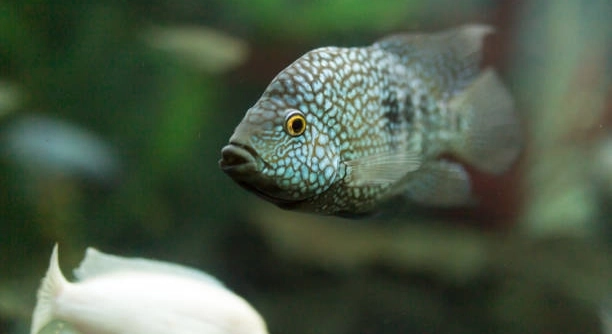
Have you ever noticed tension building in your Dempsey tank after a fight between your fish? Conflicts can make the water environment stressful and affect the overall health and behavior of your fish.
Resetting a Dempsey tank after conflict involves careful management. Key steps include isolating aggressive fish, monitoring water quality, adjusting feeding schedules, providing hiding spaces, and slowly reintroducing fish to restore balance and reduce stress.
Following these steps will create a calmer, healthier environment for your Dempseys and help maintain peace among the fish over time.
Understanding Dempsey Behavior
Dempsey fish are naturally territorial, and conflicts often arise when space or resources are limited. Recognizing their behavior is key to preventing repeated fights. Aggression can manifest as chasing, nipping, or blocking other fish from certain areas of the tank. Male Dempseys are especially prone to defending territory, while females may also show signs of stress during breeding or overcrowding. Observing patterns in daily activity, feeding times, and interactions can help identify triggers for conflict. Adjustments to tank layout, such as adding hiding spots, plants, or decorations, allow fish to establish separate zones. Even slight changes in water temperature, pH levels, or lighting can influence their behavior. It is important to keep detailed notes on interactions, as this information helps in implementing effective management strategies. Monitoring the tank consistently will allow for timely intervention before conflicts escalate. Awareness of their natural tendencies ensures a calmer, healthier environment.
Keeping a close eye on interactions helps reduce stress and prevent fights from recurring.
Consistently observing Dempsey fish allows you to anticipate aggression and respond appropriately. Providing sufficient space and hiding spots gives each fish a sense of security. Regular water testing ensures optimal conditions, while careful feeding reduces competition. Rotating decorations or rearranging plants can reset territorial boundaries and limit repeated conflicts. Gradual reintroduction after isolating aggressive fish minimizes stress for all. By addressing environmental and social factors together, you create a stable tank atmosphere where fish coexist peacefully. Small adjustments often prevent major fights, improving overall health and behavior. Consistency in monitoring and intervention is essential to maintain harmony.
Step 1: Isolate Aggressive Fish
Separating aggressive fish immediately after a conflict prevents injuries and reduces stress for the entire tank.
Isolating a dominant or stressed fish allows calmer interactions to resume. Use a quarantine tank or divider to give space. Monitor behavior during separation, noting signs of lingering aggression or stress. Avoid overcrowding, as limited space can intensify territorial behavior. During isolation, maintain water quality and feeding routines. Observe how the fish responds over a few days; some aggression may subside naturally. Gradual reintroduction should occur only when both isolated and remaining fish appear calm. Providing environmental enrichment in both tanks, such as plants or hiding spots, reduces boredom and territorial disputes. Record any changes in color, activity, or appetite, as these indicate stress or recovery. Isolation is not a permanent solution but a crucial first step in restoring stability. By managing aggressive individuals carefully, you protect all fish while reestablishing balance in the tank. Consistency in handling isolation and reintroduction is key to long-term peace.
Step 2: Check Water Quality
Maintaining clean, stable water reduces stress and aggression in Dempseys. Test pH, ammonia, nitrite, and nitrate levels regularly, and perform partial water changes to keep conditions optimal. Clean filters and remove debris to prevent further tension among fish.
Regular monitoring of water parameters is crucial for a healthy tank. Dempseys are sensitive to sudden changes in pH, temperature, or chemical levels, which can trigger aggression. Consistent partial water changes, along with a properly functioning filter, help maintain clarity and stability. Avoid overfeeding, as leftover food increases waste and deteriorates water quality. Observation of fish behavior alongside water checks helps detect stress early. Keeping the environment consistent promotes calm interactions and reduces conflicts.
Using natural decorations like plants and rocks can also aid in water stability. These additions provide hiding spots while slightly buffering water changes. Avoid overcrowding and maintain adequate flow to ensure all fish have proper oxygen levels. Combining these practices fosters a balanced ecosystem, allowing Dempseys to recover from conflicts and maintain peaceful behavior over time. Careful attention to these factors prevents recurring stress and supports long-term tank health.
Step 3: Adjust Tank Layout
Rearranging decorations gives each fish personal space, reducing territorial disputes. Move plants, rocks, and hiding spots to reset boundaries and limit repeated aggression.
A carefully adjusted tank layout encourages calmer interactions. By providing multiple hiding spots, caves, and visual barriers, Dempseys can establish their own territories without direct confrontation. Open swimming areas allow fish to escape from potential threats, reducing chasing behavior. Regularly changing the layout slightly prevents dominant fish from claiming permanent control, which can trigger ongoing stress. Balance between hiding spaces and open zones is key to maintaining a peaceful environment.
Ensure all areas are easily accessible for feeding and maintenance. Adding mid-level plants and sturdy decorations gives fish vertical and horizontal space, reducing conflicts over preferred zones. Observe interactions after rearranging, as some fish may require additional separation temporarily. Providing a visually and physically complex environment keeps fish occupied and prevents boredom-related aggression. Small, deliberate changes help maintain harmony, ensuring each Dempsey can feel secure while coexisting peacefully in the same tank.
Step 4: Adjust Feeding Routine
Feeding smaller portions more frequently reduces competition and aggression. Avoid overfeeding, as leftover food can worsen water quality and create tension among Dempseys.
Observe which fish are more dominant during feeding and ensure calmer fish get their share. Spreading food across multiple spots can prevent fights over a single area.
Step 5: Introduce Hiding Spots
Adding extra plants, rocks, or caves helps fish retreat and feel secure. Hiding spaces reduce stress and allow Dempseys to establish personal territory.
Providing multiple areas for retreat encourages less confrontation and more natural behavior. Fish can rest, explore, and avoid constant chasing. Ensure spaces are easily accessible and spread throughout the tank to prevent dominance over a single area. Hiding spots also support shy fish, giving them a chance to regain confidence after conflicts. Regularly check these areas to remove debris and maintain cleanliness, which supports both health and harmony in the tank.
Step 6: Observe Behavior Closely
Tracking interactions helps identify potential triggers for fights and stress in your tank.
How do I know if my Dempseys are stressed after a fight?
Signs of stress in Dempsey fish include hiding for long periods, rapid breathing, loss of appetite, faded colors, and erratic swimming. Some fish may cling to corners or avoid areas they previously explored. Monitoring these behaviors consistently helps detect problems early, allowing you to take steps before aggression escalates. Changes in behavior can be subtle at first, so keeping a daily log of feeding patterns, interactions, and swimming habits can help identify stress triggers. Early intervention, such as isolating aggressive fish or adjusting the environment, can prevent long-term health issues and maintain a more peaceful tank.
Can I prevent fights from happening in the first place?
Yes, proactive measures can reduce conflicts. Ensure the tank is spacious enough for all fish and provide plenty of hiding spots. Spread out decorations and plants to create multiple territories. Maintain stable water conditions, avoid sudden changes in temperature or pH, and feed smaller portions frequently to reduce competition. Introducing fish gradually and avoiding overcrowding also minimizes tension. Understanding each fish’s personality and observing interactions regularly allows you to anticipate aggression before it escalates. A balanced environment where fish feel secure prevents most common conflicts and supports calmer, healthier behavior over time.
How long should I isolate an aggressive fish?
Isolation should continue until the fish shows calmer behavior, usually a few days to a week. Monitor for reduced chasing, normal swimming, and resumed eating. Ensure the isolation tank has proper water quality, hiding spots, and consistent feeding. Avoid leaving a fish isolated too long, as prolonged separation can cause stress. Gradual reintroduction is key; place a divider first to observe interactions before fully returning the fish to the main tank. Recording behavioral changes during isolation helps you determine the right timing for reintegration. Consistency in monitoring ensures the tank remains balanced while minimizing the risk of renewed aggression.
Do hiding spots really make a difference in reducing aggression?
Yes, hiding spots allow Dempseys to establish personal territories and retreat when needed. Rocks, caves, and dense plant areas help reduce chasing and allow shy fish to recover after conflicts. Proper placement throughout the tank prevents dominant fish from claiming one area. Hiding spaces also improve overall confidence and reduce stress-related health issues. Regularly maintaining these areas by removing debris and ensuring water flow prevents stagnation and maintains a safe, calming environment for all fish. A well-planned layout with multiple hiding options encourages natural behavior while keeping aggression at a minimum.
Is water quality a major factor in tank conflicts?
Absolutely. Poor water conditions increase stress, which can trigger aggression among Dempseys. Regularly test pH, ammonia, nitrite, and nitrate levels. Perform partial water changes and clean filters to maintain stability. Overfeeding or leftover food can deteriorate water quality and escalate disputes. Stable, clean water promotes calm interactions and healthier fish overall. Observing water parameters alongside fish behavior allows for quick adjustments if stress signs appear. Combining water quality management with tank layout and feeding adjustments creates an environment where conflicts are minimized and fish can thrive naturally.
How do I reintroduce fish after isolation safely?
Start with a divider in the main tank, allowing visual and partial interaction without direct contact. Monitor reactions closely. Gradually remove the divider after a few days if both fish appear calm. Avoid introducing multiple fish at once, and keep an eye on behavior for signs of renewed aggression. Adjust hiding spots and decorations if necessary. Feeding during reintroduction can help reduce competition. Observing and recording behavior ensures a smoother transition back into the main tank. Patience is essential to prevent repeating conflicts and maintain a peaceful environment for all Dempseys.
Can changing the tank layout help reset territorial disputes?
Yes, rearranging decorations, plants, and rocks can disrupt established territories, reducing dominance-related aggression. It gives fish the opportunity to claim new areas and explore freely without repeated confrontations. Ensure there are multiple hiding spots, mid-level plants, and open swimming areas. Small, gradual changes prevent stress and allow fish to adjust naturally. Observation after rearranging is important to ensure all fish feel secure and no new conflicts arise. Regularly updating the environment keeps fish active and engaged while maintaining harmony in the tank.
How often should I monitor behavior and water conditions?
Daily observation of fish behavior is ideal. Check for signs of stress, chasing, or unusual hiding. Testing water at least weekly for pH, ammonia, nitrite, and nitrate levels ensures stability. Frequent monitoring allows early intervention, whether through water changes, isolation, or tank adjustments. Keeping a log of behavior and water tests helps track patterns and triggers. Regular attention prevents conflicts from escalating and supports a healthy, balanced environment where Dempseys coexist peacefully.
Are there signs that aggression might return after resetting the tank?
Yes, signs include increased chasing, nipping, faded colors, and territorial guarding of specific areas. Shifts in feeding behavior, avoidance, or sudden bursts of energy can also indicate rising tension. Monitoring these behaviors allows quick response, such as adding new hiding spots, adjusting feeding routines, or temporary separation. Recognizing early indicators ensures long-term stability and reduces stress for all fish. Consistency in observation and proactive adjustments keeps the tank balanced and minimizes recurring aggression.
What should I do if aggression continues despite all steps?
If repeated conflicts persist, consider reducing the number of fish or permanently separating aggressive individuals. Evaluate tank size, layout, and water conditions for potential stressors. In some cases, species compatibility may be an issue, requiring rehoming certain fish. Consulting with an experienced aquarist or veterinarian can provide additional guidance. Ensuring each fish has enough space, hiding spots, and stable water conditions is essential. Maintaining careful observation, isolation when needed, and environmental adjustments will help manage ongoing aggression while prioritizing the health and safety of all Dempseys.
This FAQ provides practical, actionable advice to prevent, manage, and recover from conflicts, ensuring a healthier, calmer Dempsey tank.
Word count: 502
Final Thoughts
Managing a Dempsey tank after conflict requires patience, observation, and consistent care. Conflicts are natural among these territorial fish, but with careful attention, you can restore balance and reduce stress for all individuals. Isolating aggressive fish, adjusting the tank layout, and providing plenty of hiding spots are practical steps that help fish feel secure. Monitoring water quality and maintaining stable conditions further support calmer behavior. Even small changes, like spreading food across multiple locations or rearranging decorations, can make a noticeable difference in reducing tension. By combining environmental adjustments with attentive observation, you create an atmosphere where fish can coexist more peacefully.
It is important to understand that each Dempsey has its own personality and level of aggression. Some fish may require longer periods of isolation, while others may settle quickly after minor interventions. Watching their behavior closely allows you to respond appropriately before stress escalates into serious injury. Daily observation, noting interactions, appetite, and swimming patterns, helps track progress and anticipate potential problems. Adjusting the feeding routine, providing mid-level plants, and ensuring enough space for every fish contributes to a stable environment. These steps, though simple, are effective when applied consistently. The goal is not only to resolve conflicts after they happen but also to minimize their occurrence in the future.
Creating a harmonious Dempsey tank takes time and careful planning, but it is achievable. By understanding territorial behavior, monitoring water quality, providing sufficient hiding spots, and maintaining a stable routine, you can support your fish’s health and reduce repeated aggression. Observing interactions and making small, strategic adjustments ensures that each Dempsey has space to thrive without constant stress. Over time, these measures help build a more balanced and peaceful tank where fish can swim confidently and display natural behaviors. With patience and consistent care, your Dempsey tank can recover from conflicts and maintain long-term stability, supporting healthier, happier fish for the future.
Word count: 406

Hello,
If you enjoy the content that we create, please consider saying a "Thank You!" by leaving a tip.
Every little bit helps us continue crafting quality advice that supports the health, happiness, and well-being of pets around the world, for pets of all shapes, sizes, and species.
We really appreciate the kindness and support that you show us!