
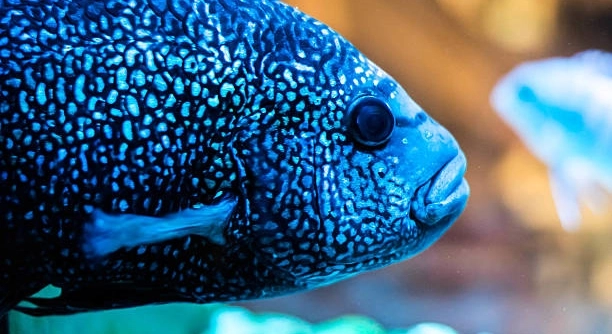
Many aquarium owners notice changes in behavior when tanks become loud, especially with active cichlids like Jack Dempsey fish, making sound exposure an important factor when maintaining a calm, healthy home aquarium environment overall stability.
Jack Dempsey fish are sensitive to noise because vibrations travel efficiently through water, affecting their sensory systems. Prolonged exposure to loud or sudden sounds can elevate stress levels, disrupt feeding patterns, and influence territorial or aggressive behaviors over time significantly.
Noise management plays a quiet role in fish care, and understanding its effects helps create a more stable aquarium environment.
How Noise Affects Jack Dempsey Fish
I noticed early on that Jack Dempsey fish respond quickly to changes around their tank. Noise creates vibrations that move through water without resistance, reaching fish instantly. These vibrations can interfere with their lateral line system, which they rely on to sense movement and pressure. When exposed to constant sound from televisions, speakers, or heavy foot traffic, stress levels increase. Stress often shows through hiding, reduced appetite, and heightened aggression. Over time, this pressure can weaken immune response and slow growth. Even routine household sounds become disruptive when they are sudden or repeated. A tank placed in a busy room exposes fish to unpredictable stimulation. Creating a calmer setting supports consistent behavior and healthier daily activity. Stability matters more than many aquarists realize. I learned that reducing background noise helped maintain calmer swimming patterns and improved feeding consistency during regular care routines within my own home aquarium setup long-term success.
Short bursts of sound are usually less harmful than constant noise. Problems arise when vibration becomes part of the daily environment. Fish have no escape from these conditions, making consistency and predictability far more important than occasional disturbances inside enclosed tanks where sound movement remains amplified constantly and unavoidable stress.
Understanding noise sensitivity allows better tank placement and equipment choices. Filters, air pumps, and heaters all create vibration. Choosing quieter models reduces constant stimulation. Placing padding under tanks helps absorb movement from floors. I prefer keeping my aquarium away from televisions and speakers. Soft background sound is easier for fish to tolerate than sharp or irregular noise. A stable sound environment supports normal feeding, breeding behavior, and resting cycles. These small adjustments improve overall wellbeing without complex changes or expensive upgrades. Over time, this approach creates a calmer tank that feels more balanced daily for both fish and caretaker alike.
Practical Ways to Reduce Noise Stress
Managing sound exposure starts with awareness of your household environment. Simple changes in placement and routine can reduce unnecessary stress. Paying attention to vibration sources helps prevent long-term issues and supports calmer behavior in sensitive cichlid species like Jack Dempsey fish kept in indoor aquariums with shared living spaces nearby.
Start by evaluating where the tank sits in your home. High traffic areas create constant vibration through floors and walls. Moving the aquarium to a quieter room often makes an immediate difference. Equipment choice also matters. Many modern filters are designed to operate quietly, and replacing older models can lower background sound. Secure loose lids and decorations, since rattling amplifies vibration. Using foam mats under the tank stand helps absorb movement. I also limit sudden noises during feeding and maintenance. Turning off nearby devices during care reduces stress responses. Consistency is key. Fish adapt better to predictable environments than changing ones. Maintaining regular light cycles and feeding times further supports calm behavior. When noise is controlled, Jack Dempsey fish display stronger color, steadier swimming, and more reliable eating habits. These observations reinforce how closely sound and wellbeing are linked in a closed aquatic system. From my experience, small adjustments made consistently matter more than drastic changes. A calm environment allows these fish to behave naturally, reducing unnecessary aggression and supporting long-term health within a stable home aquarium. This approach has helped me maintain healthier tanks with fewer behavior-related concerns overall across different setups over many years of consistent aquarium care.
Signs of Noise Stress in Jack Dempsey Fish
Noise stress often appears through clear behavioral changes. Jack Dempsey fish may hide more, patrol aggressively, or stop interacting with tank mates. Appetite can drop, and feeding responses become slower. These signs usually develop gradually rather than appearing after a single loud event. Over time, stress weakens overall health noticeably.
Physical symptoms can accompany behavioral shifts when noise remains constant. Faded coloration often indicates chronic stress and reduced comfort within the tank. Rapid gill movement may appear as the fish struggles to regulate breathing. I have also observed erratic swimming patterns, especially after repeated vibrations. These reactions are not random. They reflect an overstimulated sensory system reacting to pressure changes. Left unaddressed, prolonged stress can weaken immune response and increase susceptibility to disease. Observing these subtle changes early allows adjustments before long-term damage develops. This awareness supports better daily care decisions and calmer tank conditions overall for sensitive fish species.
Noise sensitivity varies between individual fish, but Jack Dempsey cichlids tend to react strongly. Their territorial nature amplifies stress when external pressure disrupts perceived boundaries. I noticed that even moderate vibration increased chasing behavior in my tank. This response drains energy and limits resting periods. Over time, constant alertness reduces feeding efficiency and slows recovery from minor injuries. Managing sound exposure helps preserve natural behavior patterns. A quieter environment supports stable social structure and lowers unnecessary aggression. Consistency allows these fish to settle and maintain balance without constant defensive responses triggered by environmental noise throughout daily aquarium life at home.
Tank Placement and Daily Habits
Tank placement plays a direct role in sound exposure. Aquariums near doors, televisions, or speakers receive constant vibration. Floors transmit movement easily, especially in busy households. I found that relocating my tank to a quieter room reduced visible stress. Keeping consistent routines also matters. Sudden movements during maintenance or feeding can trigger defensive behavior. Predictability helps fish remain calm. Simple changes often improve daily conditions without complex adjustments or expensive equipment upgrades within home aquariums.
Daily habits influence how sound affects fish over time. Loud footsteps, slamming cabinets, and sudden room activity create repeated stress signals. While occasional noise is unavoidable, patterns matter most. I try to approach the tank slowly and avoid tapping on the glass. Equipment maintenance should be gentle and deliberate. Securing hoses and lids prevents unnecessary rattling. Lighting schedules also contribute to stability when paired with quiet surroundings. When fish feel secure, feeding responses improve and aggression decreases. Reducing noise is not about silence, but about control. Stable environments support healthier behavior and long-term wellbeing in Jack Dempsey fish. These practices create consistency that benefits both fish and keeper by reducing stress-related problems over time in shared living spaces at home with active household routines daily.
Sudden Versus Constant Noise Exposure
Sudden loud noises create immediate stress responses in Jack Dempsey fish. Slamming doors, dropped objects, or raised voices send strong vibrations through the tank. These moments often cause rapid darting, hiding, or aggressive displays that disrupt normal behavior patterns and can linger longer than expected after repeated exposure over time.
Repeated exposure to sharp sounds prevents fish from fully relaxing. Recovery time shortens, resting behavior declines, and alertness remains high. I noticed feeding hesitation after noisy periods. These reactions compound daily stress and reduce overall comfort within enclosed aquarium environments where sound movement has no escape for sensitive species cichlids.
Common Household Noise Sources
Household equipment often contributes more noise than expected. Filters, air pumps, and heaters create constant vibration that blends into background stress. Older devices tend to rattle or hum unevenly. I found replacing worn equipment reduced agitation. Securing cords and tubing prevents tapping against glass. Even nearby appliances influence tank conditions. Washing machines, speakers, and televisions transmit low-frequency vibration through walls and floors. These signals travel efficiently through water and remain unavoidable. Choosing quiet equipment and isolating the tank from vibration sources helps maintain stable behavior, healthier feeding routines, and improved long-term comfort within closed home aquarium systems over extended periods.
Long-Term Benefits of a Quieter Tank
Consistent noise reduction supports natural behavior and lowers stress responses. When sound levels remain predictable, Jack Dempsey fish show steadier movement and stronger appetite. Small changes add up over time. Quiet environments allow these cichlids to thrive without constant sensory disruption that affects daily health and stability inside home tanks.
FAQ
Can loud music harm Jack Dempsey fish over time?
Loud music can affect Jack Dempsey fish when exposure is frequent or prolonged. Sound creates vibrations that move directly through water, reaching fish faster than people often expect. When music is played loudly near the tank, stress responses may increase. I noticed more hiding and pacing when speakers were placed nearby. Over time, this stress can interfere with feeding, resting, and overall comfort. Occasional noise is usually manageable, but consistent loud music can disrupt daily stability. Keeping volume moderate and placing speakers away from the aquarium helps maintain a calmer environment that supports healthier behavior patterns.
Are Jack Dempsey fish more sensitive to noise than other fish?
Jack Dempsey fish tend to be more reactive because of their territorial nature and strong sensory awareness. While all fish detect vibration, cichlids often respond more visibly. In my experience, these fish react quickly to sudden pressure changes, showing defensive or alert behavior. Compared to smaller community fish, Jack Dempseys may display stronger aggression or withdrawal under stress. This does not mean they are fragile, but they benefit from controlled surroundings. Managing noise helps reduce unnecessary stimulation and allows their natural confidence to show without constant environmental pressure affecting behavior.
Do aquarium filters and pumps cause stress from noise?
Yes, filters and pumps can contribute to background vibration, especially older or poorly maintained equipment. Even if the sound seems quiet to us, the vibration can still affect fish. I learned that loose parts and uneven placement increase noise levels inside the tank. Choosing quiet-rated equipment and securing hoses reduces this issue. Regular maintenance also helps keep motors running smoothly. While filtration is essential, minimizing mechanical vibration supports a calmer environment. Balanced equipment choice plays a large role in long-term comfort for Jack Dempsey fish.
Can tapping on the glass stress Jack Dempsey fish?
Tapping on the glass creates sudden pressure waves that fish cannot escape. Jack Dempsey fish often react immediately, either darting away or displaying aggressive postures. I avoid tapping entirely after noticing increased agitation afterward. Even brief tapping can trigger stress responses that linger. Repeated exposure may condition fish to remain alert rather than relaxed. Teaching others in the household to avoid tapping helps maintain stability. Gentle movement near the tank is always better than sudden contact that startles fish unexpectedly.
Does tank placement really make a difference with noise exposure?
Tank placement has a significant impact on noise exposure. Aquariums near doors, walkways, or entertainment systems receive constant vibration. I observed noticeable improvement after moving my tank away from a television area. Floors transmit movement easily, especially in busy homes. Placing the tank on a stable surface with padding underneath reduces vibration. Quiet rooms support more predictable behavior. Proper placement limits daily stress without changing equipment or routines, making it one of the easiest adjustments for improving tank conditions.
Can noise affect feeding behavior in Jack Dempsey fish?
Noise often affects feeding behavior more than expected. When stressed, Jack Dempsey fish may hesitate before eating or ignore food entirely. I noticed slower responses during louder periods of the day. Stress shifts focus toward alertness rather than feeding. Over time, inconsistent feeding can impact growth and strength. Reducing noise around feeding times improves response and consistency. Calm surroundings allow fish to focus on food instead of perceived threats. This simple adjustment supports healthier eating habits and more predictable routines.
Is occasional noise less harmful than constant background sound?
Occasional noise is generally easier for fish to tolerate than constant vibration. Jack Dempsey fish can recover from brief disturbances, especially when their environment remains predictable. Constant background noise prevents full relaxation and keeps stress levels elevated. I found that steady humming from nearby equipment caused more issues than short, isolated sounds. Consistency matters more than perfection. Limiting ongoing vibration helps fish establish stable behavior patterns and reduces cumulative stress within the tank over time.
Final Thoughts
Noise is an often overlooked part of aquarium care, yet it plays a steady role in how Jack Dempsey fish behave and cope each day. These fish are not fragile, but they are aware of their surroundings in ways that are easy to underestimate. Sound does not stop at the glass. It travels through water as vibration, reaching fish constantly. When noise becomes part of the background, stress can build quietly. This stress does not always appear dramatic at first. It shows in small changes, like reduced appetite, increased hiding, or subtle aggression. Over time, these changes affect health and stability. Paying attention to sound is not about creating silence. It is about limiting unnecessary pressure so fish can rest, feed, and interact without constant disruption. This perspective shifts noise from being a minor detail to an important part of responsible care.
Creating a calmer environment does not require major changes or expensive upgrades. Simple adjustments often make the biggest difference. Tank placement, equipment choice, and daily habits all influence sound exposure. Moving an aquarium away from busy areas reduces vibration immediately. Choosing well maintained, quiet equipment lowers constant background stress. Gentle movements during feeding and cleaning help fish feel secure. These actions support consistency, which is something Jack Dempsey fish respond to well. In my experience, once noise levels stabilized, behavior became more predictable. Feeding improved, aggression softened, and overall activity appeared more balanced. These results reinforced how closely environmental stability and fish wellbeing are connected. Noise management becomes part of a routine, not an extra task. It blends naturally into regular care without adding complexity.
Understanding noise sensitivity also builds a stronger connection between keeper and fish. Observing how Jack Dempsey fish respond to their environment encourages more thoughtful care. It shifts focus from reacting to problems toward preventing them. When stress is reduced, fish are better equipped to handle normal challenges like minor water changes or social interactions. Over time, this approach supports longevity and consistent health. A stable environment allows natural behavior to emerge without constant defensive responses. Noise control may seem subtle, but its effects are lasting. By recognizing sound as part of the aquatic environment, aquarists can create conditions that support comfort and balance. This awareness leads to healthier tanks and a more rewarding experience built on understanding rather than trial and error.

Hello,
If you enjoy the content that we create, please consider saying a "Thank You!" by leaving a tip.
Every little bit helps us continue crafting quality advice that supports the health, happiness, and well-being of pets around the world, for pets of all shapes, sizes, and species.
We really appreciate the kindness and support that you show us!