
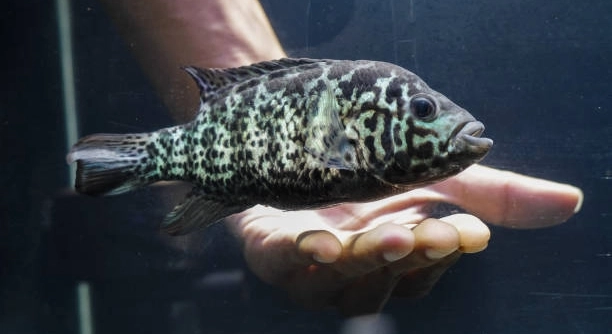
Have you ever noticed your Jack Dempsey fish acting bolder than the others in your tank? Their colors and movements can often reveal their personality. Watching closely helps you understand their behavior and social standing.
A dominant Jack Dempsey fish will display territorial aggression, assert control during feeding, and often intimidate or chase other fish. These behaviors are clear indicators of hierarchy and help maintain order within the aquarium environment.
Recognizing dominance in your fish can prevent conflicts and create a calmer tank. Observing behavior closely ensures a healthier and more balanced aquatic environment.
Aggressive Chasing
Dominant Jack Dempsey fish often chase other fish around the tank. This behavior shows their need to establish control over their space. They may swim quickly and approach any fish that comes near their territory. Chasing is more common during feeding or when new fish are added. Some chases are brief, while others can last longer and cause stress to other tank mates. Watching for repeated chasing helps identify which fish holds dominance. Aggressive chasing is a natural behavior but can lead to injuries if ignored. Providing hiding spaces and monitoring interactions is important. Over time, the dominant fish may settle into a clear hierarchy, reducing constant chasing. Tank size also affects aggression; smaller tanks can increase conflicts. Recognizing and managing this behavior helps maintain balance. Adjusting the number of fish or rearranging decorations can reduce constant stress and make the tank a calmer place for everyone.
Aggressive chasing indicates the fish is asserting dominance over others and claiming territory, especially during feeding or stressful changes in the tank environment.
This behavior is a visible sign of hierarchy. Observing when and how often the chasing occurs helps predict potential conflicts. Knowing the dominant fish prevents harm and allows for better tank management.
Bright Coloration
Dominant Jack Dempsey fish often display more vivid and intense colors compared to others in the tank. Bright coloration is linked to confidence and status, signaling strength to other fish. This color change can become more noticeable during feeding or mating periods. It is not permanent and may fluctuate with mood or stress levels. Less dominant fish often appear paler or retreat when a brightly colored fish approaches. Tank lighting and water conditions can enhance or dull colors, so maintaining a healthy environment is important. Dominance through coloration is subtle but effective, helping reduce physical confrontations. Observing color differences can help you identify which fish controls the tank and which may need more space. Brightly colored fish usually take priority at feeding areas and choose preferred hiding spots. Recognizing this visual cue is valuable for maintaining balance and ensuring all fish remain healthy and stress-free.
Bright colors show the fish’s confidence and position in the hierarchy. They are a visual signal to other fish in the tank.
Maintaining optimal water quality, temperature, and proper diet supports these colors. Dominant fish with vivid colors often dictate feeding times and preferred spaces, influencing tank dynamics. Less dominant fish respond by avoiding confrontation. Recognizing these patterns allows you to manage interactions effectively. Tank decorations can create spaces for retreat, reducing stress for subordinate fish. Over time, you may notice shifts in dominance if health or age affects coloration. Tracking these changes helps ensure the aquarium remains balanced and reduces the risk of injury. Observing both behavior and color offers a complete picture of dominance within the tank.
Guarding Territory
Dominant Jack Dempsey fish protect specific areas of the tank, often near decorations or corners. They patrol constantly and may nip at any fish that comes too close. This behavior helps establish control and maintain a safe zone for themselves.
Territorial guarding is a consistent way a dominant fish asserts authority. They often choose a favorite spot, such as near rocks, plants, or the filter outlet. Other fish usually avoid these areas, recognizing the dominant fish’s claim. The guarding behavior can increase during feeding times or if new fish are introduced, creating tension. Proper tank arrangement, with hiding spots and open swimming areas, can reduce conflicts. Observing which areas are claimed provides insight into the hierarchy.
This behavior also shows the fish’s confidence and assertiveness. Territorial guarding ensures the dominant fish gets access to the best resources. Subordinate fish learn to navigate the tank carefully to avoid confrontation, and this dynamic helps maintain order in the aquarium over time.
Feeding Dominance
Dominant Jack Dempsey fish often eat first and may push others aside during feeding. They assert control over food to reinforce their status.
During feeding, dominant fish quickly approach food and consume the majority before others can get close. This behavior demonstrates control and reinforces their social rank. Subordinate fish usually wait or retreat to avoid confrontation, which may affect their nutrition. Observing feeding patterns helps identify the dominant fish and allows you to adjust feeding strategies, such as spreading food evenly across the tank. Multiple feeding spots or sinking pellets can reduce stress and ensure all fish get adequate nutrition.
Dominance during feeding also affects behavior outside of meal times. Fish that eat first gain energy and confidence, reinforcing their social status. Watching these patterns allows you to manage tank dynamics better, preventing prolonged aggression or stress. Adjusting tank setup and feeding routines helps subordinate fish avoid constant competition, promoting a healthier, more balanced aquarium. Monitoring interactions ensures all fish remain active and well-fed without escalating conflicts.
Displaying Fins
Dominant Jack Dempsey fish often flare their fins to appear larger and more intimidating. This behavior signals strength and warns other fish to keep their distance.
Fin displays are used to communicate dominance without physical confrontation. They help the fish maintain control over territory and feeding areas while minimizing injury risks.
Standing Ground
A dominant fish will hold its position firmly when approached by others. They rarely retreat and often confront intruders directly. This behavior reinforces hierarchy and establishes a clear leader within the tank.
Aggressive Posturing
Dominant Jack Dempsey fish may tilt their bodies, puff up, and swim in short bursts toward other fish. These actions serve as warnings and help maintain social order in the tank.
FAQ
How can I tell if my Jack Dempsey fish is dominant?
Dominant Jack Dempsey fish show behaviors such as chasing other fish, guarding territory, and asserting themselves during feeding. They often display brighter colors, flare their fins, and hold their position when approached. Observing interactions over time helps identify which fish controls the tank hierarchy.
Is aggressive chasing normal for Jack Dempsey fish?
Yes, aggressive chasing is a natural behavior. It shows the dominant fish is establishing control over territory and resources. While it can be stressful for other fish, proper tank size, hiding spots, and monitoring interactions can reduce injury and tension.
Do dominant fish eat more than others?
Often, yes. Dominant fish tend to get first access to food and may push subordinate fish aside. To ensure all fish are fed, spread food across the tank, use sinking pellets, or create multiple feeding spots. This prevents malnutrition and reduces conflicts.
Why does my Jack Dempsey display brighter colors than others?
Brighter coloration is a sign of confidence and dominance. It signals status to other fish, especially during feeding or mating periods. Proper water quality, diet, and lighting enhance these colors, while stress or illness can dull them.
Can dominance behavior harm my other fish?
If unchecked, yes. Constant chasing or aggressive posturing can stress or injure subordinate fish. Providing hiding places, enough space, and observing tank interactions helps maintain balance and reduces the risk of injury.
Do dominant Jack Dempsey fish change over time?
Yes, hierarchy can shift with age, health, or introduction of new fish. A once dominant fish may become less assertive if it weakens, and a subordinate fish may rise in rank. Tracking behavior helps maintain a stable tank environment.
How can I manage a dominant Jack Dempsey fish?
Provide adequate space, multiple hiding spots, and spread food evenly. Monitoring interactions allows you to prevent prolonged stress. Rearranging tank decorations periodically can reduce territorial disputes and keep all fish calmer.
Is flaring fins always a sign of aggression?
Not always. Flaring fins can be a warning to others or a display of confidence. It helps avoid physical fights by communicating dominance visually. Observing context and frequency determines whether intervention is needed.
What tank size is best for reducing dominance conflicts?
Larger tanks give dominant and subordinate fish enough space to coexist. A minimum of 55 gallons is recommended for multiple Jack Dempsey fish, with decorations and hiding spots to reduce stress and aggressive encounters.
Can I keep multiple dominant Jack Dempsey fish together?
Yes, but careful management is required. Providing ample space, hiding spots, and monitoring feeding ensures that conflicts remain minimal. Understanding their behaviors and adjusting tank setup supports a balanced social environment for all fish.
Why does my dominant fish guard certain areas of the tank?
Territorial guarding allows the fish to claim preferred spaces for safety, feeding, or breeding. Other fish learn to avoid these zones, which helps establish a clear hierarchy and reduces physical confrontations in the tank.
Do dominant fish affect the health of subordinate fish?
Indirectly, yes. Subordinate fish may experience stress, lower feeding opportunities, or reduced growth if a dominant fish monopolizes resources. Providing multiple feeding spots, hiding areas, and monitoring tank dynamics helps protect their well-being.
How long does it take to recognize a dominant Jack Dempsey fish?
Behavior patterns such as chasing, guarding, and feeding priority usually become clear within a few weeks. Consistent observation allows you to identify which fish is dominant and take measures to manage the tank effectively.
Can dominance be reduced or controlled?
Yes, through proper tank setup, feeding strategies, and ensuring adequate space. Rearranging decorations, adding hiding spots, and creating multiple feeding areas can reduce stress and aggression, promoting a calmer environment.
Are dominant fish more likely to breed successfully?
Often, yes. Dominant fish usually control prime territories and have first access to mates. Their confidence and status can improve mating opportunities, though all conditions like water quality, diet, and tank setup also play essential roles.
Do Jack Dempsey fish show dominance differently in community tanks?
Yes. In mixed-species tanks, dominant Jack Dempsey fish may chase or intimidate smaller species while showing more cautious behavior toward other aggressive fish. Observing interactions ensures the safety of all tank inhabitants.
Can a dominant fish change its behavior if stressed?
Yes. Stress from poor water conditions, overcrowding, or illness can reduce assertiveness. The fish may become less active, paler, or avoid confrontation. Maintaining stable conditions helps preserve natural dominance behaviors.
How do I prevent injuries from dominant Jack Dempsey fish?
Ensure enough space, provide hiding spots, and monitor interactions. Spreading food and rearranging decorations can reduce aggression. Observing behavior allows early intervention before injuries occur.
Is dominance only shown through aggression?
No. It is also expressed through color intensity, fin displays, feeding order, and territorial guarding. These subtle signals help establish hierarchy without constant physical fights, keeping the tank safer for all fish.
What are signs a subordinate fish is stressed by dominance?
Subordinate fish may hide often, lose appetite, appear paler, or swim erratically. Recognizing these signs early allows you to adjust the tank environment and reduce stress, protecting their health and well-being.
Can dominance be beneficial in a tank?
Yes. A clear hierarchy can reduce continuous conflicts, allowing fish to establish routines and territories. Proper management ensures dominance promotes order rather than stress, contributing to a balanced, healthy aquarium environment.
Final Thoughts
Observing a Jack Dempsey fish in your tank can be both fascinating and informative. Their bold behavior, bright colors, and territorial instincts often make them stand out among other fish. Understanding these behaviors is essential for maintaining a healthy aquarium. Dominance in Jack Dempsey fish is not just about aggression; it involves subtle interactions such as chasing, fin displays, and claiming space. Recognizing these behaviors early allows you to manage your tank more effectively and create an environment where all fish can thrive. Paying attention to their actions over time gives you insight into their social structure and hierarchy, which helps prevent unnecessary stress and conflicts.
Dominant behavior can sometimes feel intimidating, especially when one fish consistently chases or intimidates others. However, these actions are natural ways for Jack Dempsey fish to establish control and maintain order in their environment. Providing a well-arranged tank with hiding spots, decorations, and adequate space can help reduce tension and allow subordinate fish to avoid confrontation. Feeding strategies also play an important role; spreading food across the tank and offering multiple feeding points ensures that all fish get enough nutrition without constant competition. Observing patterns in behavior, such as which fish consistently eats first or guards certain areas, can help you anticipate potential issues and make small adjustments before they escalate.
Taking the time to understand the dynamics of dominance in your tank is a crucial part of responsible fishkeeping. Dominant Jack Dempsey fish can be managed successfully when their behaviors are acknowledged and balanced with proper tank care. By monitoring interactions, adjusting the tank layout, and ensuring all fish have access to food and space, you can maintain a calm and healthy environment. Recognizing signs such as aggressive chasing, bright coloration, fin displays, and territorial guarding allows you to identify dominant fish without causing harm to others. These behaviors are part of the natural social structure of the species, and managing them effectively can improve the overall health, well-being, and longevity of your aquarium inhabitants. Creating an environment where all fish can coexist peacefully requires attention, observation, and sometimes small changes, but it ultimately leads to a more enjoyable and balanced aquarium for both you and your fish.

Hello,
If you enjoy the content that we create, please consider saying a "Thank You!" by leaving a tip.
Every little bit helps us continue crafting quality advice that supports the health, happiness, and well-being of pets around the world, for pets of all shapes, sizes, and species.
We really appreciate the kindness and support that you show us!