
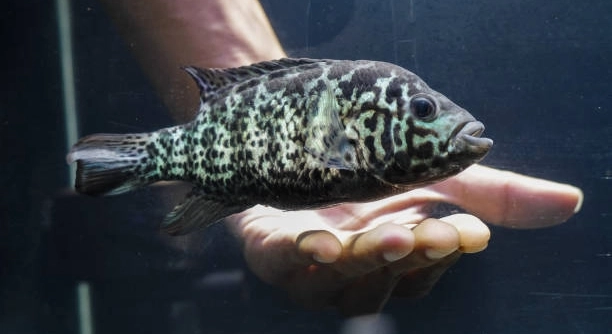
Have you ever noticed changes in your Jack Dempsey fish behavior depending on aquarium lighting, as light levels influence comfort, stress, coloration, and daily activity within a home tank environment for captive freshwater cichlid care.
Jack Dempsey fish generally prefer dim to moderately lit environments, as subdued lighting reduces stress and supports natural behaviors. Bright lighting can cause hiding, color fading, and increased aggression, especially in sparsely decorated aquariums lacking adequate cover and visual security.
Lighting choices affect health, behavior, and appearance, and understanding proper conditions helps create a calmer, more stable aquarium setup overall.
How Lighting Affects Jack Dempsey Behavior
Jack Dempsey fish respond strongly to lighting because it shapes how safe they feel in their surroundings. In dimmer conditions, they tend to swim more openly, display richer colors, and interact with their environment without constant stress. Bright lighting can make them feel exposed, which often leads to hiding behind decorations or becoming defensive. Over time, constant brightness may increase aggression toward tank mates and reduce overall activity. I have noticed calmer behavior when lighting is softened and paired with plants or driftwood. These elements break up light and create shaded areas that mimic natural river habitats. When lighting matches their preferences, feeding routines become smoother, and the fish appears more confident. Proper lighting does not just improve appearance, it supports emotional balance, routine behavior, and long-term well-being in a home aquarium setting. This stability also helps reduce stress-related health issues and supports consistent growth over time for captive fish.
Sudden changes in brightness are especially disruptive. Lights turned on abruptly can startle the fish, while inconsistent schedules interfere with resting patterns. Using timers and gradual lighting transitions helps maintain predictability, which supports calmer behavior and reduces unnecessary tension inside the aquarium on a daily basis for long-term stability overall.
Lighting also influences how Jack Dempsey fish perceive territory. Softer light allows them to establish space without constant visual pressure from reflections or open glass. This can be helpful in tanks with limited room or shared environments. When light is balanced, dominant behaviors are less exaggerated, and interactions appear more controlled. I find that pairing moderate lighting with neutral backgrounds creates a more settled atmosphere. The fish spends less time pacing and more time exploring. Over time, this balance encourages natural rhythms, supports feeding consistency, and makes daily observation more enjoyable and reassuring for keepers focused on stability and care.
Choosing the Right Aquarium Lighting Setup
Selecting the right lighting setup does not require complex equipment. Jack Dempsey fish benefit from moderate LED lighting paired with floating plants or shaded décor. These additions soften brightness, reduce glare, and create visual comfort without sacrificing visibility for routine tank maintenance and observation in home aquariums with ease overall.
Consistency matters more than intensity when it comes to aquarium lighting. Setting a stable light schedule of eight to ten hours helps Jack Dempsey fish regulate activity and rest. Timers remove guesswork and prevent accidental overexposure. Avoid placing tanks near direct sunlight, as this can create harsh lighting swings and unwanted algae growth. Instead, focus on controlled illumination that complements the tank layout. Dark substrates, natural rocks, and driftwood work well with subdued lighting and provide contrast without stress. From personal experience, small adjustments make noticeable differences. Lowering brightness slightly often leads to improved coloration and calmer movement within days. Monitoring behavior is key, as each fish responds differently based on age and environment. The goal is not dimness at all times, but balance. A thoughtfully lit aquarium supports comfort, reduces tension, and allows Jack Dempsey fish to display natural behaviors in a stable, predictable setting that benefits both the fish and the keeper. This approach also simplifies long-term care by promoting consistent feeding habits, clearer observation of health changes, and a calmer atmosphere that makes routine maintenance feel manageable and rewarding for anyone maintaining the tank regularly over time with fewer disruptions and improved overall stability for captive fish.
Signs Your Lighting Is Too Bright
Excessively bright lighting often causes Jack Dempsey fish to hide, lose color, or act defensive. Prolonged exposure may lead to pacing, reduced appetite, and heightened territorial displays. These behaviors suggest discomfort rather than personality changes and should be addressed through lighting adjustments promptly to support calmer behavior and overall health.
When lighting is too intense, Jack Dempsey fish often feel exposed, especially in tanks with limited cover. This exposure increases stress hormones, which can weaken immune response over time. I have noticed that constant brightness leads to frequent hiding and sudden bursts of aggression. These reactions are not random, they are responses to feeling unsafe. Strong reflections from bare glass also confuse territorial boundaries, making the fish more reactive. Over days or weeks, this environment may reduce feeding consistency and interrupt rest cycles. Adjusting light intensity can quickly restore balance and improve daily behavior and tank stability for captive fish.
Bright lighting can also impact coloration, causing Jack Dempsey fish to appear washed out or dull. This change is often stress related rather than genetic. In my experience, colors deepen once lighting is softened and shadows are added. Plants, caves, and driftwood help break direct light and create resting zones. These shaded areas allow the fish to regulate exposure naturally. Without them, the fish remains alert for too long. Overstimulation drains energy and affects digestion. Balanced lighting supports natural rhythms, stable feeding, and more predictable behavior over time. This stability improves health and reduces unnecessary stress responses in captive environments.
Adjusting Light Without Causing Stress
Lowering light intensity should be done gradually to avoid sudden stress responses. Dimming settings or raising the light fixture helps ease the transition. I prefer adjusting brightness in small steps over several days. This gives the fish time to adapt without panic behaviors. Consistent lighting schedules also matter. Timers maintain routine and prevent accidental overexposure. Predictability supports calmer movement, steadier feeding, and improved comfort within the aquarium environment for long term care success and stability.
Once lighting is adjusted, observing behavior becomes essential. Jack Dempsey fish should appear more relaxed, with smoother swimming patterns and less hiding. I usually watch feeding response first, as comfort shows quickly during meals. Improved color saturation and reduced aggression are also positive signs. If changes are minimal, adding visual barriers like plants can help further. Avoid frequent adjustments, as constant changes recreate stress. Stability allows the fish to settle and establish routine. Over time, proper lighting supports immune strength, digestion, and predictable behavior. This makes daily care easier and helps prevent avoidable issues linked to environmental pressure in confined aquarium settings. I find this consistency reassuring and beneficial for long term tank balance overall, especially in home aquariums with limited space and visual cover.
Creating a Comfortable Lighting Balance
Jack Dempsey fish respond best to moderate lighting paired with shaded areas. Using plants, rocks, or caves allows them to control exposure naturally. This setup reduces stress, supports stable behavior, and improves feeding routines while keeping the aquarium visually balanced and comfortable for long term care at home tanks overall.
Lighting should remain consistent each day to avoid unnecessary stress responses. Sudden changes disrupt rest cycles and increase tension. I find timers helpful for maintaining routine. When light levels stay predictable, Jack Dempsey fish appear calmer, more active, and easier to observe during daily care tasks in home aquariums overall.
Why Natural Lighting Conditions Matter
Natural habitats of Jack Dempsey fish feature murky water and filtered sunlight rather than harsh brightness. Replicating this environment helps reduce constant alertness in captivity. I prefer softer lighting because it allows natural behaviors to surface without pressure. Fish spend more time exploring, resting, and feeding normally. Excessive brightness removes the sense of cover they rely on. By softening light and adding structure, the tank feels safer. This balance supports immune health, digestion, and long term stability. Matching lighting to natural conditions also minimizes aggression and improves color depth over time in home aquarium setups for captive cichlids overall stability.
Finding the Right Visual Comfort Level
Balancing brightness is not about dim tanks, but controlled exposure. Jack Dempsey fish benefit from lighting that supports visibility without stress. I aim for moderation paired with cover. This approach keeps behavior predictable, colors rich, and daily care more enjoyable and manageable long term in home aquarium environments overall stability.
FAQ
How do I know if my Jack Dempsey fish is stressed by lighting?
Signs of stress from lighting include hiding excessively, faded colors, and pacing along tank edges. Aggression toward tank mates may increase, and feeding routines can become irregular. I noticed my fish became more withdrawn under bright LED lights. Softening light and adding plants or driftwood usually reduces these behaviors within a few days.
Can Jack Dempsey fish adjust to brighter lighting over time?
They can adapt slowly, but rapid changes cause stress. Gradual adjustments in brightness over several days allow them to acclimate safely. Using dimmers or moving the light fixture higher works well. Even after adaptation, I still prefer moderate lighting with shaded areas for comfort and natural behavior.
What type of lighting is best for Jack Dempsey tanks?
Moderate LED lighting is ideal, paired with floating plants or driftwood to diffuse brightness. Avoid strong direct sunlight, which can create hot spots and algae growth. I find that balanced light improves coloration, reduces hiding, and encourages normal swimming patterns.
Should I use a timer for aquarium lighting?
Yes, a timer ensures consistent light cycles, which supports feeding, resting, and activity patterns. Sudden on-off switching can startle fish. I set my tank lights for eight to ten hours a day, which keeps my Jack Dempsey calmer and more predictable in behavior.
Can lighting affect aggression in Jack Dempsey fish?
Yes, bright or inconsistent lighting can trigger territorial behavior. Soft, moderate lighting with hiding spots helps reduce dominance disputes. I noticed aggression decreased after installing floating plants that created shaded zones and visual breaks.
Do Jack Dempsey fish prefer shaded areas?
Absolutely. They naturally seek cover in rivers with debris or plants. Providing caves, rocks, or dense plants allows them to retreat when needed. I always include shaded spots in my tank, which keeps the fish relaxed and more willing to explore open areas.
How does lighting impact coloration?
Bright, harsh lighting can wash out colors, while moderate, diffused light enhances natural hues. I observed that my Jack Dempsey regained vibrant blue and gold tones once lighting was softened and shaded areas were added. Stable light encourages consistent, healthy coloration over time.
Is natural sunlight good for the tank?
Direct sunlight is not recommended, as it causes uneven brightness, temperature fluctuations, and algae growth. I place my aquarium away from windows and rely on controlled LED lighting for stability and consistency, which is better for both fish health and tank maintenance.
How long should the lights be on each day?
A daily cycle of eight to ten hours works well. Timed light periods replicate natural day and night rhythms. I have found this schedule prevents stress, supports normal feeding, and helps maintain predictable behavior in my Jack Dempsey.
Can lighting influence feeding habits?
Yes, fish are more likely to feed when they feel safe under appropriate lighting. Too bright lights may make them hide during mealtime. I noticed my fish ate more consistently once I installed dimmed lighting and provided shaded areas near feeding spots.
What should I do if my fish hides constantly?
Check lighting first. If it’s too bright, lower intensity or add shaded areas. Observe behavior over several days. I usually pair soft light with floating plants and driftwood, which encourages my Jack Dempsey to explore again and reduces prolonged hiding.
Does lighting affect long-term health?
Indirectly, yes. Stress from inappropriate lighting can weaken immune function, reduce feeding, and increase aggression. Balanced lighting improves comfort, supports digestion, and allows the fish to maintain natural routines. I found that stable lighting contributes to healthier, more vibrant fish over time.
Can I use dimmable lights for flexibility?
Dimmable lights are very helpful for controlling exposure and mimicking natural conditions. I adjust mine gradually during the day, which allows my fish to move comfortably between bright and shaded areas without sudden stress or panic responses.
Are plants necessary for proper lighting balance?
While not strictly required, plants greatly improve lighting comfort. They diffuse bright light, create hiding spots, and mimic natural habitats. I always include a mix of floating and rooted plants, which makes my Jack Dempsey calmer and more visually striking.
What is the biggest mistake with lighting?
Too bright, inconsistent, or sudden changes are the main mistakes. I learned that abrupt lighting changes caused pacing and hiding. Keeping intensity moderate, using timers, and providing shaded areas prevents stress and promotes healthy, predictable behavior consistently.
Can lighting affect interaction with tank mates?
Yes, poor lighting can increase aggression and territorial disputes. Adequate shading and moderate brightness reduce stress, letting Jack Dempsey coexist more peacefully. I noticed calmer interactions once I added driftwood and dimmed the LEDs, making my tank environment more balanced overall.
How quickly do fish respond to improved lighting?
Behavior often improves within a few days to a week. Color, activity, and hiding patterns adjust gradually. In my experience, adding shade and softening brightness made my Jack Dempsey more active and confident within five days.
Does lighting influence breeding behavior?
Indirectly, yes. Comfortable lighting encourages natural routines, including territoriality and courtship behaviors. Overly bright conditions may prevent pairing or nesting. I noticed more consistent mating displays after adjusting to moderate lighting with adequate cover.
Should I monitor light reflection on the tank walls?
Yes, reflections can confuse territorial boundaries and stress fish. I use neutral backgrounds and avoid placing the tank near bright surfaces. Reducing glare helped my Jack Dempsey feel more secure and reduced aggressive displays.
Is LED lighting preferable to fluorescent bulbs?
LEDs offer better control, longevity, and the ability to adjust intensity. I use LEDs because they allow gradual dimming and consistent schedules. This flexibility ensures my fish remain comfortable without sudden exposure to harsh brightness.
Can dim lighting cause problems?
Too little light may limit visibility for observation and affect plant growth if live plants are present. I maintain a balance, keeping light low enough to reduce stress but sufficient to see activity clearly and support plants if included.
How often should lighting setups be reviewed?
Regularly, especially after changes to tank layout or new fish. I check intensity, coverage, and shade placement monthly. This helps ensure Jack Dempsey behavior remains calm, colors stay vibrant, and interactions with tank mates remain healthy.
Do Jack Dempsey fish prefer gradual light transitions?
Yes, gradual increases and decreases mimic natural dawn and dusk. I use timers with soft ramps or manually adjust brightness in stages, which reduces sudden startle responses and helps my fish feel secure throughout the day.
Can reflections from the water surface cause stress?
Yes, strong reflections may make the fish perceive intruders or rivals, triggering defensive behavior. I reduce surface glare with floating plants or positioning the light at an angle, which calms my Jack Dempsey and prevents unnecessary aggression.
Are there signs my fish is comfortable with lighting?
Comfortable fish swim openly, display vibrant colors, and feed consistently. Hiding decreases, and movement appears natural. I track these behaviors daily and adjust if stress signs appear, ensuring my tank remains balanced and safe for long term care.
How does lighting interact with tank decorations?
Lighting enhances or diminishes hiding spots and visual comfort. I position rocks, caves, and plants to create shadows and shaded areas. Proper placement under moderate lighting helps my Jack Dempsey feel secure, reducing stress and supporting natural exploration behaviors.
Can poor lighting affect sleep cycles?
Yes, inconsistent light can disrupt rest patterns, causing daytime lethargy or night activity. I maintain predictable schedules, which helps Jack Dempsey fish settle, remain active during feeding, and rest properly at night, improving overall health and behavior.
What adjustments work best for new tanks?
Start with moderate lighting and plenty of shaded areas. Introduce gradual light changes over the first few weeks. I found this reduces stress for fish acclimating to new surroundings, allowing them to explore confidently while adjusting to their environment.
Is monitoring behavior the best way to gauge lighting success?
Yes, observation is key. Track hiding, color, swimming patterns, and aggression. I record these behaviors regularly, which helps me fine-tune light intensity and placement to create a stable, comfortable environment for my Jack Dempsey over time.
How do lighting and water clarity interact?
Clear water increases perceived brightness, which may stress fish. I balance lighting with filtration and plant coverage. I noticed that slightly tinted or well-planted tanks reduce glare and provide a more comfortable visual environment for Jack Dempsey fish.
Can seasonal changes affect lighting needs?
Yes, natural light fluctuations in a room can alter tank brightness. I adjust LED schedules to compensate for seasonal sunlight changes, ensuring consistent exposure that supports stable behavior and comfort for my fish throughout the year.
Are there specific colors of light that help?
Soft white or slightly blue-toned LEDs mimic natural river conditions. I avoid harsh white or overly bright colors. This range enhances coloration and reduces stress while allowing comfortable observation and feeding routines in the aquarium.
Do Jack Dempsey fish prefer gradual dimming at night?
Yes, gentle dimming signals nightfall and supports rest cycles. I reduce light over 15–30 minutes, which prevents sudden darkness, reduces panic responses, and promotes calm, predictable nocturnal behavior in my tank.
Can lighting improve interaction with tank mates?
Balanced lighting reduces tension and aggressive displays. I noticed calmer cohabitation when brightness was moderated and shaded areas added, helping Jack Dempsey fish coexist peacefully and exhibit natural, less defensive behaviors in shared tanks.
Does lighting affect stress hormone levels?
Indirectly, yes. Excessive brightness or abrupt changes elevate stress hormones, which impact immunity, appetite, and growth. I maintain stable moderate lighting, which helps regulate these responses and supports long-term health and well-being for my fish.
How important is consistency compared to intensity?
Consistency is just as critical as light strength. Regular schedules, gradual transitions, and predictable exposure maintain calm behavior and support normal feeding, activity, and rest. I prioritize routine and steady conditions over maximum brightness for healthier Jack Dempsey fish overall.
Should I observe fish during different times of the day?
Yes, behavior changes throughout the day provide insight into comfort levels. I watch feeding, resting, and social interactions at multiple points to ensure lighting conditions are suitable and adjust if stress signs appear consistently.
Can artificial lighting mimic natural cycles effectively?
Yes, properly set LED or dimmable lights with timers can simulate dawn, daylight, and dusk. I use this setup, which helps Jack Dempsey fish maintain natural behaviors, rest cycles, and visual comfort without relying on direct sunlight exposure.
Is it better to have variable or fixed lighting?
Moderate variability with gradual transitions works best. Sudden changes create stress. I maintain a predictable schedule with soft shifts in intensity, which supports calm movement, predictable feeding, and overall well-being for my fish.
How do plants and decorations affect perceived brightness?
They diffuse light and create shadows, reducing glare. I position floating and rooted plants strategically to break bright areas. My Jack Dempsey fish immediately become calmer and spend more time exploring rather than hiding.
Can lighting influence breeding or spawning success?
Indirectly, yes. Comfortable lighting encourages natural routines and reduces stress, both of which are important for courtship and nesting. I noticed more consistent spawning behaviors after adjusting light to moderate levels with shaded areas for privacy.
Should I change lighting when adding new fish?
Gradual adjustment is essential. New tank mates may feel exposed under bright light. I usually soften lighting and provide extra cover during acclimation, which reduces hiding, aggression, and stress for both existing and new fish.
Does water movement interact with lighting effects?
Yes, ripples and reflections can increase perceived brightness and stress. I moderate flow near brightly lit areas and use plants to diffuse reflections. This combination makes my Jack Dempsey feel more secure and supports calm behavior.
How often should I review lighting after adjustments?
Weekly checks for the first month are ideal. Observe behavior, color, and hiding patterns. I fine-tune intensity or add shaded areas if stress persists. Regular monitoring ensures long-term comfort and stability for Jack Dempsey fish in the tank environment.
Can lighting affect color contrast with decorations?
Yes, harsh lighting may wash out both fish and décor. Balanced moderate light enhances visual contrast, making colors of fish and background features appear richer while reducing stress responses. I always pair soft lighting with natural décor for optimal visual and emotional balance.
What is the simplest way to improve lighting for Jack Dempsey fish?
Start with moderate brightness, provide shaded areas, use a timer, and observe behavior. I found these steps consistently reduce hiding, aggression, and stress while supporting natural colors, daily routines, and long-term comfort in my aquarium.
Jack Dempsey fish are sensitive to their lighting environment, and the way you set up your aquarium can have a big impact on their comfort, behavior, and overall health. Too much brightness can cause stress, hiding, or aggression, while too little light may affect visibility and make the tank feel unnatural. I have seen firsthand how moderate, consistent lighting paired with shaded areas like plants, driftwood, and rocks can completely change the behavior of these fish. They begin to swim more openly, display richer colors, and interact with their surroundings in a more confident way. Simple adjustments, such as using a dimmer, raising the light fixture, or adding floating plants, can reduce stress immediately. Consistency matters just as much as intensity. Keeping a predictable light schedule with timers ensures your fish have a clear sense of day and night cycles, supporting normal feeding, resting, and activity patterns. In my experience, Jack Dempsey fish are calmer and more predictable when their environment feels stable and safe.
Observing behavior is key to understanding how your fish respond to lighting. Pay attention to hiding patterns, aggression, color changes, and feeding habits. If a fish is constantly retreating or losing color, it may be a sign that the light is too bright or too harsh. I have often adjusted lighting gradually over a few days, reducing intensity while adding shaded spots, and the change in behavior can be noticeable within a week. Swimming becomes smoother, feeding more consistent, and aggression towards tank mates tends to decrease. Even small tweaks, like repositioning a rock or adding a floating plant, can make a noticeable difference. It is important to remember that Jack Dempsey fish are territorial by nature, and proper lighting helps them feel secure within their space. This sense of security allows them to display more natural behaviors, maintain their vibrant coloration, and coexist peacefully with other fish in the tank.
Long-term care of Jack Dempsey fish is easier when lighting is managed thoughtfully. A balanced approach not only reduces stress and supports natural behavior but also promotes better health and a more enjoyable aquarium experience. Providing shaded areas, maintaining consistent light schedules, and avoiding sudden changes are simple strategies that improve their well-being. I have found that when these fish feel secure under moderate lighting, they are more active, eat reliably, and show less defensive or erratic behavior. Even their coloration becomes more vivid and consistent over time. Lighting is not just about visibility or aesthetics—it is an important part of creating an environment that matches their natural needs and allows them to thrive. By paying attention to intensity, duration, and the placement of lights in relation to decorations and plants, you can help your Jack Dempsey fish feel comfortable and secure. This approach leads to a healthier, calmer, and more visually appealing aquarium where the fish can display their natural behaviors consistently. Proper lighting ultimately benefits both the fish and the keeper, making daily maintenance easier and creating a more balanced, stable, and visually enjoyable tank environment overall.

Hello,
If you enjoy the content that we create, please consider saying a "Thank You!" by leaving a tip.
Every little bit helps us continue crafting quality advice that supports the health, happiness, and well-being of pets around the world, for pets of all shapes, sizes, and species.
We really appreciate the kindness and support that you show us!