
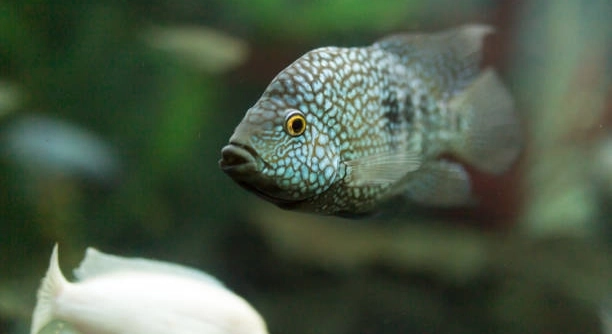
Jack Dempsey fish are known for their vibrant colors and energetic personalities. Observing them in home aquariums often reveals behaviors that seem unusual or cautious, especially around reflective surfaces. Many owners notice their reactions are not always predictable.
Jack Dempsey fish generally display aggression or avoidance toward reflections. This behavior is rooted in territorial instincts, as the fish perceive their own reflection as a rival. Such reactions are typical and do not indicate health or environmental problems.
Learning how these fish respond to reflections can help owners create a calmer environment and manage tank dynamics more effectively. Small adjustments in tank setup often make a noticeable difference in their behavior.
Signs Your Jack Dempsey Is Stressed by Reflections
Stress in Jack Dempsey fish often appears as repeated aggressive displays toward mirrors, glass, or shiny objects in the tank. Fish may charge at their reflection, flare fins, and show intensified colors for extended periods. Over time, these behaviors can lead to fatigue, reduced appetite, and even injury if the fish repeatedly strikes hard surfaces. It is important to watch for subtle signs too, such as hiding more than usual or resting near the bottom of the tank. Environmental factors like water quality, temperature, and tank size can amplify stress responses. Providing adequate space and a stable environment helps the fish feel safe, even if reflections appear occasionally. Simple adjustments, like changing tank placement or adding plants, can prevent prolonged exposure to reflections and reduce the likelihood of stress. Observing daily behavior allows owners to identify stress triggers and address them before they become serious issues.
Stress can affect health, so small changes often lead to big improvements.
Noticing patterns in behavior helps tailor the tank environment to minimize stress. Plants, rocks, and hiding areas give the fish security and reduce aggressive reactions to reflections. Adjusting tank placement or lighting can further improve their comfort and well-being.
Creating a Reflection-Free Aquarium Environment
Removing or covering reflective surfaces reduces stress and improves Jack Dempsey behavior.
Solid backgrounds, like dark-colored panels behind the tank, help eliminate mirrored images that trigger aggression. Positioning the tank away from windows or bright lights prevents glare that can create reflections. Decorating with rocks, driftwood, and dense plants breaks up sightlines and provides visual boundaries, giving the fish clear territory and hiding spots. Adjustable lighting and careful placement of equipment reduce shiny surfaces inside the tank. Observing how the fish responds to these adjustments allows for fine-tuning. Even small changes, like covering filters or moving thermometers, can make a noticeable difference. Creating a calmer environment supports natural behavior and reduces stress-related health risks. Consistent monitoring and strategic tank setup allow Jack Dempseys to thrive while minimizing unnecessary confrontations with reflections, ensuring a healthier and more peaceful aquarium.
Reducing Aggression Toward Reflections
Controlling reflections can significantly lower aggressive behavior in Jack Dempsey fish. Adjusting tank placement, lighting, and decorations creates a calmer environment, helping the fish focus on normal behaviors rather than reacting to mirrored images.
Adding dense plants and driftwood breaks visual lines in the tank. These elements give the fish areas to explore, hide, and establish territory without encountering repeated reflections. Reducing shiny equipment exposure, like moving heaters or filters behind plants, prevents unnecessary stress. Over time, consistent environmental adjustments can result in calmer, more stable behavior, allowing the fish to display natural movement and interactions.
Regular observation is key. Watching how the fish responds to different setups allows for fine-tuning. Each Jack Dempsey has unique reactions, so experimenting with hiding spots, tank placement, and plant density helps create a balanced environment. Adjusting gradually ensures the fish adapts without sudden stress, improving overall health and well-being while minimizing unnecessary aggression.
Feeding and Reflection Interactions
Proper feeding can reduce stress caused by reflections. A well-fed fish is less likely to attack its reflection aggressively, as hunger can heighten territorial instincts.
Feeding schedules matter. Consistent timing and portion sizes prevent over- or underfeeding, which can influence aggression. Nutritional balance is important too. A varied diet with high-quality pellets, occasional live or frozen food, and supplements keeps Jack Dempseys healthy, supporting calm behavior. When fish are satisfied and not competing for food, they are less likely to overreact to visual triggers in the tank.
Placing feeding areas away from reflective surfaces further reduces tension. If the fish associates reflections with territory disputes near food, aggression may persist. Offering multiple feeding spots or spreading food evenly allows the fish to eat without feeling challenged. Monitoring feeding behavior over time shows which tank adjustments work best. Combining proper nutrition, consistent routines, and strategic tank layout helps maintain a stable environment where Jack Dempseys remain active and healthy without unnecessary stress from reflections.
Tank Placement and Lighting
Positioning the tank away from direct sunlight reduces reflections that trigger aggression in Jack Dempsey fish. Bright light can create glare on glass surfaces, making the fish perceive rivals where none exist.
Using dimmer or diffused lighting inside the tank helps maintain a calmer environment. Shaded areas and soft light prevent stress responses, allowing fish to focus on exploring their space naturally.
Using Decorations Strategically
Rocks, driftwood, and dense plants act as barriers that block reflective surfaces and provide hiding spots. These decorations create natural boundaries that help Jack Dempseys establish territory without encountering repeated mirrored images. Placing taller plants or structures near tank walls is especially effective.
Observation and Adjustment
Monitoring fish behavior over several days helps determine which areas of the tank trigger aggression.
Small adjustments, like moving plants or repositioning equipment, allow owners to reduce stressful reflections. Observing how Jack Dempseys respond to each change ensures the environment remains stable and safe.
FAQ
Do Jack Dempsey fish always react to reflections?
Not all Jack Dempseys react strongly, but most will show some level of aggression or caution. Male fish tend to be more territorial, while females might ignore reflections more often. Behavior can vary depending on the fish’s age, tank size, and environment.
Why do reflections make Jack Dempseys aggressive?
Reflections are mistaken for rivals. These fish are territorial by nature, and any perceived competitor triggers displays like flaring fins, bright colors, and chasing behavior. This is a normal survival instinct rather than a sign of illness or stress in healthy fish.
Can reflections harm my Jack Dempsey?
Yes, repeated aggressive interactions with reflections can cause stress, fatigue, and even physical damage if the fish strikes hard surfaces. Stress can reduce appetite and weaken the immune system, making the fish more vulnerable to disease.
How can I reduce reflection stress in my tank?
Minimize shiny surfaces and glare by adjusting tank placement and lighting. Use solid backgrounds, plants, and decorations to break up sightlines. Reposition equipment like filters, heaters, or thermometers behind plants to prevent reflective spots.
Do tank size and setup affect reactions to reflections?
Absolutely. Smaller tanks increase stress because the fish has less space to retreat. Crowded or sparsely decorated tanks leave fewer hiding spots, making reflections more noticeable. Adding plants, rocks, and driftwood allows the fish to explore and feel secure.
Does feeding influence aggression toward reflections?
Yes, well-fed Jack Dempseys are less likely to react aggressively. Hunger can heighten territorial instincts, making reflections more stressful. Maintaining a consistent feeding routine with a balanced diet helps reduce unnecessary aggression and keeps the fish calmer.
Will Jack Dempseys eventually ignore reflections?
Some fish may adapt over time, especially if reflections are minimized and the environment is stable. However, territorial instincts never fully disappear. Consistent observation and environmental adjustments help the fish stay calmer and prevent stress-related issues.
Are male and female reactions different?
Males generally react more aggressively due to territorial behavior, while females may show minor interest or ignore reflections. Differences depend on individual personalities, tank conditions, and the presence of other fish. Understanding these differences helps in tank management.
Can reflections affect breeding behavior?
Reflections can interfere with normal interactions between male and female fish. Aggression toward a mirrored image may distract males or increase stress, potentially reducing successful mating behavior. Reducing reflective surfaces supports a healthier breeding environment.
Do Jack Dempseys react to other reflective surfaces besides the tank glass?
Yes, anything shiny near the tank, such as equipment, ornaments, or nearby windows, can trigger responses. It’s important to consider all possible reflective sources and adjust them to maintain a calmer environment.
Is it necessary to completely eliminate reflections?
Complete elimination isn’t always required, but reducing reflections significantly helps. Strategic decoration, plant placement, and tank positioning minimize stress and allow fish to focus on natural behaviors rather than imaginary rivals.
How long does it take for Jack Dempseys to adjust to changes?
Adjustment varies by individual. Some fish calm down within days, while others may need weeks. Gradual environmental changes prevent additional stress and allow the fish to adapt without sudden disruptions.
Can reflections affect juvenile Jack Dempseys differently than adults?
Juveniles may react less aggressively but are still sensitive to mirrored images. Smaller fish might hide more than attack, but stress can still impact growth and health. Proper tank setup and decorations are important for all ages.
Are there any tools to test if reflections stress my fish?
Observing behavior over time is the most effective method. Noting repeated fin flaring, chasing, or hiding can indicate stress from reflections. Adjusting the environment and monitoring changes confirms whether the issue is resolved.
Does water clarity influence reactions to reflections?
Yes, clearer water makes reflections more visible and increases the likelihood of aggressive behavior. Slightly diffused lighting and minor cloudiness from natural filtration can reduce the intensity of reflections without harming water quality.
Can other fish species in the tank influence reactions?
Yes, the presence of other territorial or aggressive species may amplify stress. Jack Dempseys might become more reactive if they feel competition for space, food, or dominance, including from their own reflections. Proper tank planning is crucial for multi-species setups.
Is reflection stress reversible?
Yes, reducing exposure and improving the environment usually allows fish to calm down. Consistent observation, strategic decoration, and controlled lighting restore natural behavior and reduce aggression over time.
How do I know if stress from reflections is affecting health?
Signs include loss of appetite, lethargy, frequent hiding, fin damage, or sudden color changes. Addressing reflection issues quickly can prevent long-term health problems and maintain active, vibrant fish.
Can reflections trigger long-term behavioral changes?
If exposure is consistent and extreme, repeated aggression may lead to heightened territoriality or anxiety. Early intervention through tank adjustments, hiding spots, and controlled lighting prevents lasting stress patterns.
Are there any natural ways to calm Jack Dempseys besides tank adjustments?
Providing plants, driftwood, and rocks gives natural hiding areas. Feeding routines and stable water conditions support overall calm behavior. Avoiding sudden changes in environment or equipment also helps the fish remain relaxed and confident.
Is aggression toward reflections more common in certain tank setups?
Yes, bare or highly reflective tanks increase frequency of aggressive reactions. Heavily planted, spacious, and well-decorated tanks reduce the visual impact of reflections and give fish safe areas to retreat.
Can stress from reflections affect lifespan?
Chronic stress can weaken immune response, reduce appetite, and increase vulnerability to disease. Minimizing reflection stress contributes to healthier, longer-living Jack Dempseys.
Do Jack Dempseys recognize themselves in reflections?
No, they do not have self-recognition. All reactions are instinctive territorial responses rather than awareness of their own image. Understanding this helps owners interpret aggressive behavior accurately.
Are there specific types of decorations that work best?
Dense plants, layered rocks, and driftwood work well. Tall plants near walls block mirrored images, while open swimming areas provide exercise and visibility. A mix of hiding spots and open spaces balances security and activity.
How often should I adjust decorations to reduce reflection stress?
Initial placement is most important, but small tweaks over time help. Watch fish behavior weekly and make gradual adjustments if reflections appear or aggression increases.
Can reflections affect multiple fish in a tank differently?
Yes, dominant individuals may react more aggressively, while submissive fish may hide. Each fish’s personality and territorial instincts influence how reflections impact their behavior.
Is it okay to use background covers to reduce reflections?
Yes, solid or dark-colored backgrounds are highly effective. They prevent mirrored surfaces from appearing and reduce unnecessary stress, especially in small or highly reflective tanks.
Does tank location in a room matter?
Yes, placing the tank away from windows, shiny surfaces, and high-traffic areas minimizes reflections and sudden visual disturbances. Stability in location helps maintain calm behavior.
Can reflections affect breeding success long-term?
Persistent stress from reflections can interfere with mating, egg-laying, and parental care. Reducing reflections and providing hiding spots encourages natural reproductive behavior.
Is it normal for aggression to spike temporarily when decorations are moved?
Yes, rearranging the tank may trigger temporary territorial responses. Fish often re-establish boundaries. Gradual changes help reduce prolonged stress while allowing adaptation.
Are there commercial products to reduce reflections?
Yes, matte backgrounds, frosted panels, or anti-glare films can help. These tools reduce visual triggers without altering the tank environment significantly.
Do reflections affect juvenile schooling behavior?
Juveniles may cluster or hide more when reflections appear. Providing plants and open areas helps them move freely and reduces stress-induced grouping behaviors.
How can I monitor improvement after changes?
Track aggression frequency, hiding behavior, appetite, and general activity over days or weeks. Reduced fin flaring and calmer swimming indicate positive effects of environmental adjustments.
Is reflection stress more severe in smaller tanks?
Yes, limited space increases encounters with mirrored surfaces, intensifying aggression. Proper tank size, hiding spots, and decorations are key to minimizing stress.
Are reflections more stressful during certain times of day?
Bright daylight or strong artificial light can make reflections more visible. Adjusting lighting schedules or using softer illumination reduces stress peaks throughout the day.
Can other fish species’ reflections impact Jack Dempseys?
Yes, if other fish are nearby, reflections may appear as additional rivals, increasing stress. Careful tank planning and placement help reduce this effect.
Does water movement affect reflection stress?
Yes, strong currents can distort reflections, sometimes reducing aggression, but can also create stress if fish struggle to establish territory. Gentle, consistent flow works best.
Is it necessary to monitor reflections continuously?
Not continuously, but regular observation ensures environmental adjustments are effective and fish remain calm. Weekly checks help catch emerging stress before it becomes serious.
Can repeated stress from reflections affect behavior toward real fish?
Yes, fish may become overly aggressive or defensive toward tank mates. Reducing reflection stress encourages normal social and territorial interactions.
Do Jack Dempseys calm down if reflections are covered gradually?
Yes, gradual removal or covering of reflections allows fish to adapt without sudden stress, promoting long-term calmer behavior and better health.
Is reflection stress more intense in male fish?
Yes, males display stronger territorial aggression and flaring behaviors. Adjustments in the tank help minimize visual triggers and prevent conflict.
Can reflections trigger aggression at feeding time?
Yes, if reflections appear near food, fish may combine territorial defense with feeding, increasing stress and potential conflict. Separate feeding areas help reduce this behavior.
Do reflections affect nighttime behavior?
Reflections are usually less noticeable at night with dim lighting. Fish may feel calmer, but sudden light sources can still trigger brief aggressive responses.
Are there long-term solutions for reducing reflection stress?
Strategic tank decoration, solid backgrounds, careful lighting, and consistent observation provide long-term relief. Regular monitoring ensures the environment continues to support calm, healthy behavior.
Can reflections be completely harmless?
In some cases, fish may ignore faint or distorted reflections. However, most Jack Dempseys will respond to clear, strong images, so monitoring remains important.
Do reflections influence interaction with other tank mates?
Yes, stress from reflections can make fish defensive or aggressive toward others. Providing visual barriers and hiding spaces ensures healthier social dynamics.
How does water clarity influence reflection intensity?
Clear water makes reflections sharper, increasing likelihood of aggression. Slightly diffused lighting or minor natural cloudiness can help reduce these visual triggers.
Is reflection stress reversible if addressed early?
Yes, early intervention through tank adjustments, hiding spots, and lighting changes usually restores normal behavior and reduces stress effectively.
Can reflections affect fish health indirectly?
Yes, chronic stress weakens immunity, reduces appetite, and increases disease susceptibility. Minimizing reflections supports overall physical and behavioral health.
Do Jack Dempseys eventually stop reacting to reflections completely?
They may calm down, but territorial instincts remain. Continuous management of reflections ensures long-term comfort without eliminating natural behaviors.
Are some tank shapes more prone to reflection stress?
Flat glass tanks create stronger reflections, while curved or frosted glass reduces sharp mirrored images. Choosing the right tank design helps minimize stress.
How do I know if my adjustments are working?
Calmer swimming, less fin flaring, and more exploration indicate improvements. Gradual changes and careful observation confirm effectiveness.
Can reflections affect both adults and juveniles equally?
Adults show stronger aggression, while juveniles may hide more. Both experience stress, so tank adjustments benefit all ages.
Do reflections affect breeding pairs differently than single fish?
Yes, pairs may experience interference in mating and territorial displays. Reducing mirrored images ensures reproductive behaviors proceed normally.
Is it possible to completely eliminate aggression from reflections?
Complete elimination is unlikely due to natural instincts. The goal is reducing exposure and stress, creating a stable environment that minimizes unnecessary aggression.
Can reflections influence the social hierarchy in a tank?
Yes, perceived rivals from reflections may alter dominance behavior, causing temporary shifts in territorial dynamics. Providing clear boundaries helps maintain balance.
Are certain types of glass more reflective?
Thicker or highly polished glass produces clearer reflections. Matte coatings or frosted panels help reduce mirrored surfaces and associated stress.
Can reflections affect feeding behavior long-term?
Yes, prolonged stress may reduce appetite or increase competition for food. Proper feeding areas and environmental adjustments mitigate this effect.
Do Jack Dempseys ever learn that reflections aren’t real?
No, they lack self-recognition. Reactions are instinctive, not learned awareness. Reducing exposure is the only way to manage stress effectively.
Are there differences in reactions between wild-caught and captive-bred fish?
Wild-caught fish may show stronger territorial aggression due to natural instincts, while captive-bred fish may be slightly more adaptable. Tank setup and observation remain important for both.
Can reflection stress cause health problems over months?
Yes, chronic stress can lead to weight loss, weakened immunity, and fin damage. Early intervention prevents long-term health issues and maintains vitality.
Do reflections affect sleeping behavior?
Bright reflections can disturb rest, causing fish to remain alert or hide during night hours. Dimmed lighting supports normal rest patterns.
Are reflections more noticeable in smaller tanks?
Yes, limited space increases encounters, making reactions more frequent. Adequate tank size and decorations help reduce stress triggers.
Can reflections affect water quality indirectly?
Indirectly, yes. Aggressive behavior may increase waste and disturb substrate, potentially impacting water chemistry. Proper filtration and maintenance mitigate this risk.
Do Jack Dempseys react to their reflection more during breeding season?
Yes, territorial instincts intensify during breeding, making reflections more likely to trigger aggression. Reducing mirrored surfaces helps maintain calm.
Can reflections impact multiple tanks in the same room?
Yes, if tanks are placed near each other, reflections from one tank can affect fish in another. Proper spacing and placement reduce this risk.
Is reaction intensity consistent for each fish?
No, each fish has a unique temperament. Some may ignore reflections, while others react strongly. Observation is key to understanding individual behavior.
Can reflections influence long-term tank dynamics?
Yes, persistent aggression from reflections may affect social hierarchy, feeding behavior, and activity levels. Adjustments prevent lasting negative effects.
Do Jack Dempseys ever become aggressive toward their own reflection without mirrors?
Yes, shiny surfaces, glass, or light patterns can trigger similar responses. Minimizing reflective stimuli is essential to reduce stress consistently.
Are certain tank materials better for reducing reflection stress?
Matte backgrounds, frosted glass, or acrylic tanks reduce mirror-like surfaces, helping maintain a calmer environment.
Does reflection stress affect swimming patterns?
Yes, stressed fish may pace, dart repeatedly, or avoid areas with reflections. Creating visual barriers encourages natural movement and exploration.
Can reflections cause aggressive displays without physical contact?
Yes, fin flaring, color changes, and rapid swimming often occur even without contact, showing that visual triggers alone can stress Jack Dempseys.
How do I balance natural behavior with reflection management?
Provide open swimming areas, hiding spots, and minimal reflective surfaces. This allows territorial behavior to occur naturally without excessive stress from mirrored images.
Do reflections affect fish differently depending on their diet?
Not directly, but hungry fish may show stronger aggression. Balanced nutrition and consistent feeding reduce territorial disputes triggered by reflections.
Are there seasonal variations in reflection reactions?
Yes, during warmer months or breeding periods, territorial instincts are stronger, making reflections more likely to trigger aggressive responses.
Can reflection stress cause sudden behavioral changes?
Yes, abrupt aggression, hiding, or pacing may appear if new reflective surfaces are introduced. Gradual adjustments prevent sudden stress spikes.
Do Jack Dempseys ever interact with reflections playfully?
Rarely. Interactions are almost always territorial, showing dominance or defense rather than playful behavior.
Can reflections in decorations be as stressful as tank walls?
Yes, shiny ornaments or equipment inside the tank can trigger the same aggressive response as glass reflections. Placement matters.
Are there long-term monitoring strategies for reflection stress?
Weekly observation, behavior logs, and incremental adjustments ensure consistent management. Tracking aggression, feeding, and hiding patterns confirms the environment is working effectively.
Do reflections affect juvenile growth?
Stress from reflections can impact feeding and energy use, indirectly affecting growth. Proper tank setup and hiding spots support healthy development.
Can reflection stress cause aggression toward humans?
No, aggression is directed at perceived rivals, not people. Fish may appear startled but are not attacking owners intentionally.
Do Jack Dempseys recognize multiple reflections at once?
Yes, they may respond to each mirrored image as a separate rival. Multiple reflections can increase aggression if visual barriers are insufficient.
Are there behavioral signs that indicate reflections are no longer stressful?
Calmer swimming, reduced fin flaring, regular feeding, and exploration indicate that the fish is adapting and stress levels have decreased.
Is reflection stress more severe in certain color morphs?
Color does not affect instinctual aggression, though bright males may display more visibly. Behavioral response is consistent across morphs.
Can reflections cause changes in social hierarchy long-term?
Yes, repeated perception of rivals can alter dominance relationships. Adjusting tank layout and hiding spots prevents persistent shifts.
Do Jack Dempseys react differently to partial reflections?
Partial or distorted reflections may trigger weaker aggression but can still cause stress. Reducing all reflective surfaces is ideal.
Are there environmental cues that reduce reflection reactions naturally?
Natural hiding areas, moderate lighting, and sufficient swimming space help fish feel secure, minimizing aggressive responses.
Can reflections affect the interaction between juvenile and adult fish?
Yes, adults may react aggressively toward reflections while juveniles hide, influencing social dynamics. Strategic decoration helps maintain harmony.
Do reflections cause long-term anxiety in Jack Dempseys?
Chronic exposure can increase stress levels and defensive behavior, though timely intervention usually prevents lasting effects.
Are reactions to reflections predictable?
Mostly, but individual temperament, tank conditions, and timing influence intensity. Observation helps anticipate and manage behavior.
Can reflection stress lead to fin damage?
Yes, repeated aggressive striking against surfaces may cause tears or fraying, especially in small tanks without adequate barriers.
Do reflections affect feeding hierarchy among tank mates?
Yes, dominant fish may defend perceived territory near reflections, impacting subordinate fish’s access to food. Proper placement reduces conflicts.
Are reflections more noticeable in crystal-clear tanks?
Yes, clear water enhances mirror-like surfaces, making reactions more likely. Adjusting lighting and adding visual barriers helps reduce stress.
**Do Jack Dempseys react differently to natural versus artificial light reflections?
Final Thoughts
Jack Dempsey fish are naturally territorial, and their reactions to reflections are a normal part of their behavior. These reactions are instinctive rather than intentional. When they see their own image, they often mistake it for a rival intruding in their space. This can lead to displays such as fin flaring, chasing, and intensified colors. While it may seem concerning at first, understanding that this is a typical response helps owners approach the situation calmly. Most of the time, these behaviors are not harmful if the environment is properly managed. Observing daily patterns and noting which areas trigger repeated aggression can give insight into how reflections affect each fish. Adjusting the tank setup, lighting, and placement of decorations can reduce exposure to reflective surfaces and minimize stress. By paying attention to these factors, owners can support a healthier and more relaxed environment.
Providing hiding spots and barriers in the tank is an effective way to help Jack Dempseys cope with reflections. Plants, rocks, and driftwood create visual breaks that allow the fish to establish territories without encountering repeated mirrored images. Dense plant clusters or tall decorations near tank walls are especially useful for blocking reflections and creating safe zones. These adjustments also encourage natural exploration and activity, which is beneficial for the fish’s physical and mental well-being. Consistent feeding schedules with a balanced diet further reduce aggressive tendencies. Hungry fish are more likely to become territorial, while a well-fed Jack Dempsey tends to remain calmer. Over time, combining stable nutrition, strategic decoration, and reduced reflective surfaces can result in a noticeably calmer fish, less prone to unnecessary displays of aggression. Monitoring the fish’s behavior allows owners to refine the environment gradually, ensuring that changes are effective and the fish feel secure.
It is important to remember that not all stress caused by reflections can be eliminated completely. Jack Dempseys retain their territorial instincts throughout their lives, and occasional reactions to reflections may still occur. The goal is to reduce these triggers as much as possible and create an environment that allows the fish to behave naturally without unnecessary stress. Gradual adjustments to lighting, tank placement, and decorations give the fish time to adapt while maintaining a sense of safety. Observing behavior over days and weeks helps determine what works best for each individual. By combining careful observation with thoughtful tank management, owners can create a balanced, healthy, and comfortable environment for Jack Dempseys. While reflections may never fully disappear from their awareness, these strategies help reduce aggression, support overall health, and allow the fish to thrive in a home aquarium.

Hello,
If you enjoy the content that we create, please consider saying a "Thank You!" by leaving a tip.
Every little bit helps us continue crafting quality advice that supports the health, happiness, and well-being of pets around the world, for pets of all shapes, sizes, and species.
We really appreciate the kindness and support that you show us!