
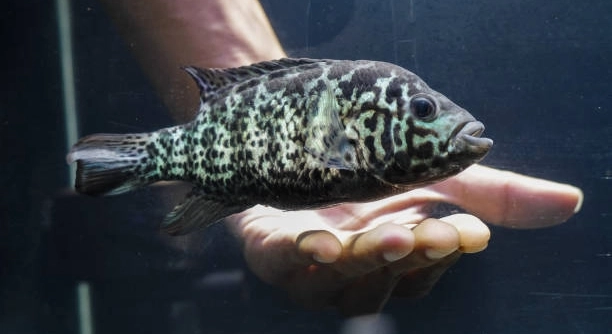
Keeping Jack Dempsey fish calm during their first days matters for health, color, and behavior, especially in home aquariums where stress can slow adjustment and trigger aggression or hiding for new owners and keepers alike.
The effective way to help Jack Dempsey fish settle faster is by providing stable water parameters, adequate space, subdued lighting, and consistent feeding. Reducing environmental stress supports physiological balance, limits territorial responses, and promotes faster acclimation within a stable setting.
Small adjustments in setup and routine can create noticeable changes, helping your fish feel secure, confident, and settled sooner comfortably.
Create a Calm and Stable Environment
Jack Dempsey fish respond strongly to their surroundings, so stability should be your first focus. I always start by checking tank size, filtration, and layout before introducing the fish. A spacious aquarium reduces territorial tension and allows natural movement. Strong but gentle filtration keeps water clean without creating excessive current. Decorations like rocks and caves provide shelter, which helps the fish feel protected instead of exposed. Lighting should remain soft during the first days, as harsh brightness increases stress and skittish behavior. Keeping the tank away from loud areas also matters more than many realize. Sudden noises and vibrations can cause hiding and aggression. Consistent water parameters are equally important. Stable temperature, pH, and hardness allow the fish to regulate stress responses and adjust faster. When the environment remains predictable, Jack Dempsey fish tend to explore sooner, eat more confidently, and display calmer behavior overall within home aquarium settings consistently.
Stability reduces stress signals and limits aggressive responses during the adjustment period. When water quality, lighting, and surroundings remain consistent, Jack Dempsey fish conserve energy for growth, immune function, and feeding behaviors rather than constant defensive reactions. This support speeds acclimation and supports calmer long-term tank behavior for captive fish.
During the first week, limit changes as much as possible. Avoid rearranging decorations, switching foods frequently, or adding tank mates too soon. I prefer offering the same high-quality food at consistent times each day to establish routine. Observation matters more than interaction early on. Watch for steady breathing, interest in food, and gradual exploration. Minor hiding is normal, but constant pacing or color darkening can indicate lingering stress. Gentle consistency builds confidence. Once the fish shows stable behavior, small adjustments can be introduced slowly, giving the Jack Dempsey time to remain comfortable while adapting within a controlled home aquarium environment.
Control Feeding and Human Interaction
Feeding practices play a direct role in how quickly Jack Dempsey fish settle. Overfeeding or inconsistent schedules increase waste and tension. Controlled portions, predictable timing, and minimal disturbance during meals help reinforce safety and routine during the early adjustment phase, especially in newly established or recently modified aquariums at home.
Human activity around the tank can influence settling speed more than expected. In the beginning, avoid tapping on the glass or making sudden movements nearby. I keep maintenance tasks brief and consistent, performing water checks at the same time each day. Feeding should be calm, without chasing the fish or hovering excessively. Jack Dempsey fish are observant and quickly associate patterns with safety or stress. A predictable presence helps them recognize that activity outside the tank is not a threat. Introducing hands into the aquarium should be limited during early days unless necessary for health or water quality. If tank mates are planned, delay introductions until the Jack Dempsey displays steady feeding and relaxed swimming. Rushing additions often leads to dominance displays and prolonged hiding. Patience supports better long-term behavior. When interaction remains controlled and intentional, the fish adjusts at its own pace, resulting in stronger coloration, stable appetite, and reduced aggressive responses over time. This approach allows trust to develop gradually without overwhelming stimuli. Consistency from the keeper creates structure the fish can rely on daily. Over time, this steady rhythm encourages confidence, visible comfort, and a calmer presence within the aquarium environment for long-term stability, health, and balance.
Maintain Consistent Water Parameters
Consistent water parameters help Jack Dempsey fish feel secure during early adjustment. Stable temperature, pH, and hardness prevent unnecessary stress responses. Sudden changes force the fish to constantly adapt, slowing settling and increasing defensive behavior in confined aquarium conditions. This stability supports appetite, coloration, and predictable daily behavior patterns overall.
Before adding the fish, test and adjust water values to match its needs. I always recommend using a reliable heater and thermometer to prevent temperature swings. Perform small, regular water changes rather than large ones. This keeps chemistry balanced without shocking the fish. Avoid adjusting pH with chemicals unless absolutely necessary. Natural stability matters more than chasing exact numbers. Monitor ammonia and nitrite closely, especially in newer tanks. Even slight spikes can delay settling and trigger hiding or aggression. When water remains predictable, the fish spends less energy coping and more time exploring and feeding calmly within the aquarium system.
Consistency should continue after the first week as well. Avoid skipping maintenance or making sudden upgrades. New filters, substrates, or lighting changes should be introduced gradually. I have noticed calmer behavior when adjustments are spaced out over time. Observe the fish daily for color stability, steady breathing, and relaxed swimming patterns. These signs suggest the environment feels safe. If stress appears, pause changes and allow recovery time. Stable water conditions create a foundation that supports immune health, territorial balance, and long-term comfort for Jack Dempsey fish in home aquariums under consistent care routines daily over extended periods without disruption occurring.
Limit Tank Mate Introductions
Adding other fish too quickly often slows the settling process. Jack Dempsey fish establish territory early and need time to feel secure alone. I prefer allowing several weeks before introducing companions. This reduces dominance displays and constant chasing. Solitary adjustment helps the fish learn the tank layout, claim hiding spaces, and develop a steady feeding response without competition or pressure from unfamiliar tank mates. This approach supports calmer long-term social behavior within shared aquarium settings.
Once the Jack Dempsey shows stable behavior, tank mates can be added carefully. Choose species that tolerate similar water conditions and can handle assertive behavior. Introduce them during feeding time to reduce immediate tension. Rearranging decorations slightly can break established territory lines, but keep changes minimal. I watch interactions closely during the first days, ready to separate fish if aggression escalates. Avoid overcrowding, as limited space increases stress for all inhabitants. Gradual introductions allow the Jack Dempsey to adjust socially without feeling threatened. This patience results in fewer conflicts, improved coloration, and a more balanced aquarium environment over time for long-term stability, healthier behavior patterns, and reduced maintenance issues. This method supports coexistence while preserving established territories and minimizing stress-related setbacks in mixed community tanks.
Use Proper Lighting Levels
Lighting affects stress levels more than many expect. Bright, constant light can overwhelm Jack Dempsey fish during early days. I keep lighting dimmed or shortened to reduce exposure. This allows the fish to rest, observe surroundings calmly, and adjust without feeling threatened or constantly visible within the aquarium environment safely.
A consistent light schedule also matters. Sudden changes confuse the fish and delay settling. I recommend using a timer to keep lighting predictable. Eight to ten hours daily is enough. Darkness periods encourage rest, reduce pacing, and support natural behavior patterns during adjustment for newly introduced Jack Dempsey fish tanks.
Provide Adequate Hiding Spaces
Hiding spaces help Jack Dempsey fish feel secure quickly. Caves, rocks, and sturdy decorations give the fish control over exposure. I prefer multiple hiding areas placed across the tank. This prevents cornering and reduces territorial stress. When shelter is available, the fish chooses when to observe and when to retreat. That control lowers aggression and improves feeding confidence. Avoid sharp edges or unstable structures that could cause injury. Each hiding spot should feel solid and dark enough to block light. With shelter, the fish spends less time pacing and more time resting, resulting in steadier behavior and faster adjustment overall.
Reduce Sudden Movement and Noise
External activity around the tank influences settling speed. Loud sounds, vibrations, and sudden movement can startle Jack Dempsey fish. I keep the aquarium away from speakers and busy walkways. Calm surroundings allow the fish to relax, observe safely, and adjust without constant stimulation or fear during early acclimation periods inside.
How long does it usually take for a Jack Dempsey fish to settle into a new tank?
Most Jack Dempsey fish begin settling within one to two weeks when conditions remain stable. In my experience, the first few days are the most sensitive. During this time, hiding, darker coloration, and reduced movement are common. As long as the fish eats and breathes steadily, this behavior is normal. Stability speeds the process more than anything else. Consistent lighting, feeding times, and water parameters allow the fish to relax. Some individuals adjust faster, especially juveniles, while larger adults may take longer due to stronger territorial instincts. Patience is essential, as rushing changes often delays comfort.
Is hiding behavior normal after introducing a Jack Dempsey fish?
Yes, hiding is expected and often healthy. Jack Dempsey fish rely on shelter to feel secure in unfamiliar surroundings. I consider hiding a sign that the fish is observing and learning rather than panicking. What matters is gradual progress. Over time, the fish should emerge more often, especially during feeding. Constant hiding beyond several weeks can suggest ongoing stress. In those cases, reviewing tank size, lighting, and noise levels usually helps. Providing multiple caves prevents the fish from feeling trapped and supports confidence.
Should I feed my Jack Dempsey fish immediately after adding it to the tank?
Feeding can begin within the first 24 hours, but appetite may be low. I usually offer a small amount and remove uneaten food quickly. Skipping food for a day is not harmful and can reduce waste while the fish adjusts. Once feeding starts regularly, stick to a consistent schedule. Overfeeding early often causes water quality issues, which slow settling. High-quality pellets or frozen foods work well, as long as portions remain controlled.
Why does my Jack Dempsey fish show aggressive behavior during the first days?
Aggression often stems from stress and uncertainty. New surroundings trigger defensive responses as the fish attempts to establish territory. I have noticed this behavior decreases once the environment feels predictable. Reducing lighting, limiting interaction, and avoiding tank mates early all help. Aggression directed at glass reflections is also common. Adding background coverage or dimming lights usually resolves this. Persistent aggression may indicate insufficient space or lack of hiding areas.
Can I perform water changes while my Jack Dempsey fish is still settling?
Small water changes are safe and often beneficial. I recommend changes of ten to fifteen percent to maintain quality without disrupting stability. Large changes can cause parameter shifts that slow adjustment. Always match temperature closely. During the first week, consistency matters more than perfection. If ammonia or nitrite rises, address it carefully with smaller, more frequent changes rather than drastic action.
Does tank size affect how fast a Jack Dempsey fish settles?
Tank size plays a major role. Larger tanks provide space to retreat and explore, which reduces stress. In smaller tanks, the fish feels exposed and defensive. I have seen noticeably calmer behavior in setups that exceed minimum size recommendations. More space allows better territory definition and smoother adjustment. Crowded tanks increase pacing and aggression, delaying comfort.
Is it better to keep the Jack Dempsey alone at first?
Yes, isolation during early adjustment is helpful. I prefer allowing the fish to settle alone before introducing others. This prevents competition and territorial disputes during a sensitive period. Once behavior stabilizes and feeding becomes consistent, companions can be added slowly. This approach results in fewer conflicts and stronger long-term balance.
Why does my Jack Dempsey fish change color while settling?
Color changes reflect mood and stress levels. Darkening often occurs during adjustment and usually fades as the fish relaxes. I view gradual color improvement as a positive sign. Sudden paling or blotchy patterns can suggest stress from lighting or water issues. Maintaining stable conditions allows natural coloration to return over time.
How can I tell if my Jack Dempsey fish has fully settled?
A settled fish displays steady swimming, consistent feeding, and balanced coloration. It explores the tank confidently and reacts calmly to movement outside the glass. In my tanks, settled Jack Dempsey fish establish routine quickly and show predictable behavior. These signs indicate comfort and readiness for gradual changes, such as tank mate introductions or minor adjustments.
Final Thoughts
Helping a Jack Dempsey fish settle faster comes down to consistency, patience, and thoughtful setup choices. Every adjustment you make influences how safe the fish feels in its environment. Stable water parameters, controlled lighting, limited noise, and predictable routines all work together to reduce stress. When these elements remain steady, the fish does not need to constantly react or defend itself. Instead, it can focus on eating, resting, and learning its surroundings. I have found that rushing changes often creates setbacks, even when intentions are good. Allowing the fish time to adjust without frequent interference leads to smoother behavior and better long-term results. A calm environment supports not only faster settling but also healthier development over time.
Observation plays an important role throughout this process. Watching how the fish swims, feeds, and reacts provides valuable insight into its comfort level. Subtle changes in color, posture, or activity often signal how well the environment is meeting its needs. I prefer adjusting only one factor at a time if something seems off. This makes it easier to identify what helps and what does not. Jack Dempsey fish are responsive and intelligent, but they also rely heavily on environmental cues. When those cues remain predictable, the fish adapts more confidently. Small, consistent actions tend to produce better outcomes than major changes made too quickly.
Long-term success depends on maintaining the same principles even after the fish has settled. Stability should remain a priority beyond the initial adjustment period. Continued consistency supports balanced behavior, reduced aggression, and stronger overall health. Over time, this approach creates a more enjoyable and manageable aquarium experience. I have noticed that Jack Dempsey fish raised in stable conditions often display richer coloration and calmer presence. These results come from patience rather than shortcuts. By respecting the fish’s need for structure and gradual change, you create an environment that supports both immediate comfort and lasting well-being.

Hello,
If you enjoy the content that we create, please consider saying a "Thank You!" by leaving a tip.
Every little bit helps us continue crafting quality advice that supports the health, happiness, and well-being of pets around the world, for pets of all shapes, sizes, and species.
We really appreciate the kindness and support that you show us!