
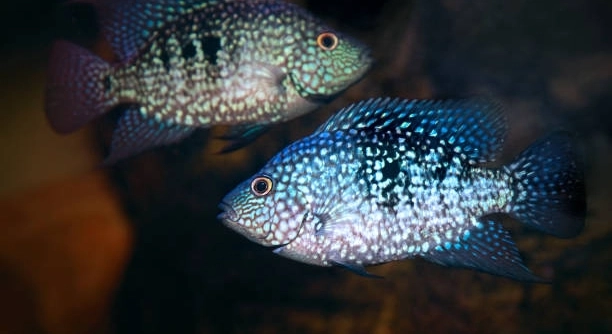
Have you ever noticed your Jack Dempsey fish acting restless or aggressive in the tank? Maintaining a stable and comfortable environment is important for their wellbeing. Small changes can make a significant difference in their behavior and stress levels.
Implementing proper tank adjustments such as regulating water temperature, controlling lighting, providing adequate space, and including hiding spots can reduce stress in Jack Dempsey fish. Consistent water quality and a well-structured environment support calmer, healthier behavior in captivity.
Learning how simple modifications influence their mood can improve both their health and your enjoyment. These practical tips can help create a peaceful, balanced aquarium environment.
Adjust Water Temperature Carefully
Jack Dempsey fish thrive in water that stays between 75 and 82°F. Sudden changes in temperature can make them anxious or aggressive. A reliable heater and thermometer help maintain a steady temperature. Avoid placing the tank near vents, windows, or areas with fluctuating temperatures. Gradual adjustments are key if you need to change the temperature for seasonal differences. Consistent warmth helps their metabolism stay balanced, reducing erratic behavior. Temperature swings can also stress their immune system, making them more prone to illness. By keeping conditions stable, the fish feel secure and are more likely to explore and interact calmly. Observing their behavior after minor adjustments can give clues about whether the temperature is comfortable. Even small drops at night can cause noticeable stress. It’s important to invest in quality equipment to ensure reliability and stability. Routine checks and careful monitoring create a safe, calm environment for your Jack Dempsey.
Consistent water temperature directly affects the fish’s stress levels and overall health, promoting calmer, more predictable behavior in the tank.
Monitoring the temperature daily helps prevent sudden fluctuations. Simple practices like adjusting heaters slowly and avoiding drafts can improve their comfort. This also reduces potential illnesses caused by stress, ensuring the fish remain active yet relaxed.
Provide Hiding Spots
Hiding spots give Jack Dempsey fish a sense of security. Rocks, caves, and plants allow them to retreat when they feel threatened. Without cover, they may feel exposed, which increases aggression and stress. Hiding areas should be evenly distributed to avoid territorial disputes and provide multiple safe zones. Soft decorations or natural driftwood can mimic their natural habitat, helping them feel more at ease. Plants, both real and artificial, offer shade and shelter, allowing them to regulate their activity levels throughout the day. It is important to leave open swimming space as well, so they do not feel confined. By observing which spots are preferred, adjustments can be made to improve comfort. Overcrowding the tank with decorations can have the opposite effect, causing stress instead of alleviating it. Maintaining a balance between hiding spots and swimming areas is essential for promoting calmer, healthier behavior.
Adding hiding spots not only reduces stress but also encourages natural behaviors. Fish become more confident and less prone to sudden aggression.
Strategically placing caves, plants, and rocks creates safe zones that help reduce conflict. Combining this with open areas allows Jack Dempsey fish to move freely while still feeling secure. Over time, they settle into routines and display calmer, more relaxed behavior throughout the tank.
Control Light Exposure
Jack Dempsey fish respond well to a consistent light schedule. Too much bright light can cause stress and hide their natural colors. Using a timer helps maintain a steady day-night cycle. Dimmer lighting or shaded areas in the tank can create a calmer environment.
Gradually adjusting light intensity helps the fish adapt without sudden stress. Strong lighting can trigger hiding or aggressive behavior, while consistent moderate lighting promotes normal activity. Observing their daily routines under different lighting conditions can guide adjustments. Natural-looking light, combined with shaded zones, helps mimic their native environment. Artificial lights should be on for 8–10 hours daily, avoiding abrupt on-and-off changes. Overly bright tanks can lead to erratic swimming and increased aggression. By controlling light, the fish remain calmer and display more relaxed, predictable behavior. This simple adjustment improves their comfort and overall wellbeing.
Providing varied light levels also allows the fish to choose comfortable areas. Combining light control with hiding spots helps Jack Dempsey feel secure, reducing stress and territorial disputes. Over time, calmer lighting conditions result in more stable interactions and less aggressive activity in the tank.
Maintain Proper Tank Size
A tank that is too small increases stress and aggression among Jack Dempsey fish. At least a 55-gallon tank is recommended for one adult, with more space for additional fish. Larger tanks allow them to swim freely and establish territories.
Overcrowding leads to constant competition and unpredictable behavior. Providing enough space reduces tension and supports natural swimming patterns. Decorations and plants should not limit open swimming areas. A spacious tank promotes calm interactions, prevents dominance struggles, and improves overall health. Fish feel secure when they can move without feeling threatened, reducing stress-induced illnesses. Observing their movement and behavior can indicate whether the space meets their needs. Adequate room also helps maintain water quality, as overcrowded tanks accumulate waste faster. Proper tank size directly contributes to calmer, healthier Jack Dempsey fish, improving both their activity levels and social behavior.
Ensuring enough space allows fish to retreat from each other when needed. By balancing territory and open swimming areas, aggression is minimized. Thoughtful tank planning encourages natural behaviors while keeping the environment calm, stable, and enjoyable to maintain.
Keep Water Clean
Regular water changes are essential for Jack Dempsey fish. Dirty water increases stress and can lead to disease. Using a quality filter and performing partial water changes weekly helps maintain stable water conditions and reduces harmful buildup.
Testing water parameters like ammonia, nitrite, and pH ensures a healthy environment. Balanced water chemistry keeps fish active yet calm. Clear, clean water prevents stress-induced behavior and supports overall health, allowing the fish to thrive in a more natural and comfortable setting.
Monitor pH Levels
Jack Dempsey fish prefer slightly acidic to neutral water, around 6.5 to 7.5 pH. Sudden shifts can stress them. Consistent pH levels help regulate their metabolism, reduce aggression, and support normal activity.
Maintaining a stable pH involves using water conditioners, regular testing, and avoiding mixing incompatible water sources. Fluctuating pH levels can trigger erratic swimming, hiding, or territorial disputes. By monitoring and adjusting pH carefully, the tank environment becomes predictable and safe. Stability in water chemistry promotes calmer behavior, healthier fish, and more consistent interactions in the tank. Proper pH management also supports their immune system, reducing susceptibility to common ailments.
FAQ
How often should I change the water in my Jack Dempsey tank?
Regular water changes are crucial to keeping Jack Dempsey fish calm and healthy. A partial water change of about 20–25% once a week is recommended. This helps remove excess waste, leftover food, and toxins that build up over time. Weekly water changes prevent spikes in ammonia, nitrites, and nitrates, which can stress your fish. Consistency matters more than frequency—changing too much water at once can shock the fish, while neglecting changes allows harmful substances to accumulate. Using a siphon to remove debris from the tank bottom also helps maintain cleaner water.
What is the ideal tank size for one or more Jack Dempsey fish?
A single adult Jack Dempsey requires at least a 55-gallon tank. If you plan to keep more than one, add at least 20–30 gallons per additional fish to provide enough swimming space and reduce territorial aggression. Overcrowding can make the fish stressed, aggressive, and more prone to illness. Larger tanks also allow for proper decoration placement, hiding spots, and open swimming areas, which are important for calm behavior.
Which water temperature keeps Jack Dempsey fish calm?
Jack Dempsey fish prefer water temperatures between 75°F and 82°F. Sudden changes outside this range can trigger stress and aggressive behavior. Using a reliable heater and thermometer ensures stable temperature conditions. Gradual adjustments are necessary if you need to change temperatures seasonally. Consistent warmth supports metabolism, immune function, and activity levels.
How do hiding spots affect Jack Dempsey fish behavior?
Providing hiding spots reduces stress and gives fish a sense of security. Rocks, caves, and plants allow them to retreat when they feel threatened. Lack of cover can increase aggression and anxiety. Even spacing of hiding spots prevents territorial disputes and creates multiple safe zones. Soft decorations and plants mimic natural environments, while leaving open swimming space prevents confinement. Overcrowding the tank with decorations can increase stress, so balance is essential.
How important is lighting in a Jack Dempsey tank?
Light exposure has a big impact on their mood and activity. Too much bright light can cause stress, while consistent moderate lighting promotes calm behavior. Using a timer ensures a steady day-night cycle. Dim areas or shaded zones give fish options to rest and regulate activity. Abrupt changes in lighting can startle them, so gradual adjustments are ideal. Controlled lighting combined with hiding spots allows the fish to feel secure and reduce erratic behavior.
What pH levels are best for Jack Dempsey fish?
Slightly acidic to neutral water, around 6.5 to 7.5 pH, is ideal. Sudden shifts can stress the fish and trigger aggressive or erratic behavior. Monitoring pH with a test kit and using water conditioners when necessary maintains stability. Avoid mixing incompatible water sources that may alter pH. Consistent pH levels support metabolism, immune function, and calmer behavior.
Can water quality affect aggression in Jack Dempsey fish?
Yes, poor water quality increases stress, leading to aggressive behavior. Ammonia, nitrite, and nitrate spikes can trigger hiding, chasing, or territorial fights. Clean water, stable pH, and appropriate temperature all work together to reduce stress. Regular testing and partial water changes are essential for maintaining a calm environment.
How often should I check water parameters?
Testing water parameters weekly is a good practice. Check temperature, pH, ammonia, nitrites, and nitrates regularly. Keeping a simple log can help identify trends or sudden changes before they affect the fish. Early detection of imbalances allows adjustments that prevent stress and maintain calm behavior.
Do Jack Dempsey fish need plants in the tank?
Plants are helpful but not strictly required. They provide hiding spots, reduce light intensity, and mimic a natural environment. Live plants can also improve water quality by absorbing nitrates. Artificial plants work as well, but they do not contribute to water chemistry. The key is offering areas where fish can feel secure without overcrowding the tank.
What are signs that my Jack Dempsey is stressed?
Signs of stress include hiding constantly, rapid breathing, aggressive behavior, loss of appetite, and faded colors. Erratic swimming, rubbing against surfaces, or spending too much time at the tank bottom are also common indicators. Observing these behaviors can help you identify issues with water quality, lighting, temperature, or tank size. Addressing these factors promptly ensures calmer and healthier fish.
This FAQ provides clear answers to common questions, helping create a stable environment for Jack Dempsey fish. Maintaining water quality, temperature, hiding spots, proper tank size, and lighting all contribute to calmer, healthier fish and a more enjoyable tank.
Word count: 507
Final Thoughts
Creating a calm environment for Jack Dempsey fish requires consistent attention to several key factors in their tank. Maintaining stable water temperature, proper pH levels, and clean water are the foundation of a healthy habitat. Sudden changes in these conditions can increase stress, trigger aggressive behavior, and even affect the fish’s immune system. Regular monitoring with thermometers and test kits ensures the water remains within the ideal range. Partial water changes, typically once a week, remove waste and toxins while keeping the chemistry balanced. Using a reliable filter helps maintain clarity and reduces the buildup of harmful substances. Keeping these elements consistent allows the fish to feel secure, which directly contributes to calmer, more predictable behavior. Observing the fish daily can provide insight into whether adjustments are needed, and making changes gradually is always better than abrupt shifts.
Providing enough space and well-placed hiding spots also plays a significant role in reducing stress. Jack Dempsey fish are territorial, so overcrowding can lead to disputes and erratic behavior. A larger tank allows them to establish territories and swim freely without feeling threatened. Hiding spots such as rocks, caves, or dense plants offer a retreat for fish that feel exposed or anxious. Even artificial decorations can help if arranged thoughtfully, but too many obstacles may have the opposite effect and increase tension. Ensuring a balance between open swimming areas and cover creates a sense of security and encourages natural behavior. When the fish have room to move and spaces to retreat, they are less likely to display aggression or hide excessively, resulting in a calmer tank overall. Proper tank layout is as important as water quality for maintaining a peaceful environment.
Lighting and daily routines also influence the fish’s mood and activity. Consistent light schedules with moderate brightness prevent stress caused by sudden changes. Using timers ensures that the fish experience a predictable day-night cycle, while shaded areas give them options to rest. Jack Dempsey fish also respond positively to gradual adjustments in their environment, whether that is water temperature, tank decorations, or light intensity. By combining stable water conditions, appropriate space, hiding spots, and controlled lighting, the tank becomes a comfortable habitat. These adjustments do not require complicated equipment, but they do require attention and care. Over time, calmer fish display healthier behavior, more vibrant colors, and reduced aggression. Maintaining a predictable, balanced environment is key to the overall wellbeing of Jack Dempsey fish and helps create an aquarium that is both enjoyable and peaceful.
Word count: 414

Hello,
If you enjoy the content that we create, please consider saying a "Thank You!" by leaving a tip.
Every little bit helps us continue crafting quality advice that supports the health, happiness, and well-being of pets around the world, for pets of all shapes, sizes, and species.
We really appreciate the kindness and support that you show us!