
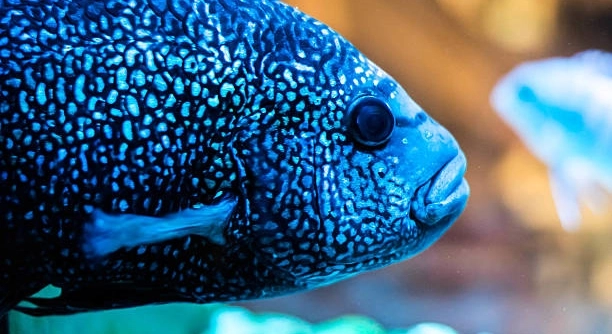
Have you ever noticed how some fish seem to act differently from others in the same tank? Jack Dempsey fish are often admired for their vibrant colors and strong personalities, making them stand out in any aquarium.
Jack Dempsey fish do exhibit distinct personalities. They can show aggression, curiosity, and social behaviors that vary between individuals, responding differently to tank mates, feeding routines, and environmental changes, indicating that their behavior is more than instinctual.
Observing their reactions and interactions can reveal surprising traits and behaviors that keep many fish enthusiasts fascinated and engaged.
Recognizing Individual Behaviors
Jack Dempsey fish can behave very differently, even when they live in the same tank. Some are bold and will swim near you when you approach, while others hide behind rocks or plants. These differences can show up in feeding habits, interactions with other fish, and reactions to changes in their environment. Noticing these behaviors can help you understand their preferences and moods. It is common for some to be more territorial, guarding certain areas of the tank aggressively, while others are calmer and more passive. Over time, patterns emerge, and you can start predicting how a fish will respond in certain situations. Observing them closely allows you to provide a more suitable environment, reducing stress and promoting healthier behavior. Paying attention to these small differences can make caring for them more rewarding. Even subtle actions, like a tilt of the head or a sudden dart, can indicate personality traits unique to each fish.
Recognizing these traits early helps maintain harmony in a tank with multiple fish.
Tracking their individual habits makes daily care easier and ensures each Jack Dempsey fish thrives in a balanced environment. Consistency in feeding, water temperature, and tank layout supports their natural behaviors and reduces conflicts. Some fish enjoy exploring new spaces, while others stick to familiar areas, showing how comfort zones affect interactions. Even the way they approach food can indicate confidence or caution. Over time, patterns become predictable, allowing for better management of aggression and social dynamics. This understanding can prevent stress-related illnesses and create a more stable aquarium environment, encouraging natural behaviors and growth. Observing these interactions closely can be both informative and satisfying, helping you respond appropriately to each fish’s needs.
Social Interactions and Tank Dynamics
Jack Dempsey fish can be aggressive toward other fish in shared tanks.
Aggression varies based on size, temperament, and territory. Some establish dominance early, chasing others away, while others coexist quietly if the space allows. Observing these patterns helps prevent injuries and maintain peace in the tank.
To manage social interactions effectively, it is important to structure the tank with adequate hiding spaces, plants, and decorations. These areas allow shy fish to retreat when dominant fish become territorial. Keeping a balanced number of males and females can also influence aggression, as overcrowding may lead to constant conflict. Feeding routines play a role as well; providing multiple feeding spots reduces competition and encourages calmer behavior. Monitoring interactions daily helps you identify problem fish and intervene before stress affects their health. Over time, even aggressive fish can settle into predictable roles within the tank. Understanding the social structure of your Jack Dempsey fish allows you to maintain a stable environment, minimizing conflict while promoting natural behaviors. With careful observation and small adjustments, each fish can coexist more comfortably, letting you appreciate their personalities without constant tension.
Feeding Habits and Preferences
Jack Dempsey fish often show clear preferences when it comes to food. Some rush to eat immediately, while others wait and observe. They may favor live foods, pellets, or vegetables, and their choices can reveal confidence or caution in their personality.
Feeding patterns can vary widely. Some fish are bold, darting quickly for each bite, while others are more hesitant, testing the environment before approaching. Over time, you can notice favorites, like certain types of live worms or specific flakes. These habits help indicate temperament, energy levels, and even health. Tracking these patterns allows adjustments in feeding schedules, ensuring every fish gets enough without creating unnecessary competition. Observing these preferences also provides insight into individual quirks and helps maintain a balanced diet.
Changes in feeding behavior often signal stress, illness, or shifts in social hierarchy. A fish that suddenly stops eating may be intimidated by tank mates or uncomfortable with a new environment. Some may take longer to adapt to different foods, showing patience or caution. Others can become aggressive if food is limited, chasing weaker fish away. Providing variety and enough space during feeding minimizes conflict and supports healthier behavior. Paying attention to these habits strengthens your understanding of each fish’s personality and promotes a calmer tank environment.
Environmental Influence on Behavior
Tank setup greatly affects Jack Dempsey behavior. Rocks, plants, and hiding spaces reduce stress and support natural activity. Proper temperature and water quality are equally important for maintaining stable behavior.
A well-structured tank encourages exploration and reduces unnecessary aggression. Hiding spots allow shy fish to retreat, while open areas let bolder fish patrol territory without constant conflict. Lighting and water flow also influence activity levels, with calmer areas promoting rest and stronger currents encouraging movement. Changes in the environment, even small ones, can alter how fish behave toward each other. By observing reactions to adjustments, you can identify preferences and personality traits. Environmental management is essential to maintaining balance, reducing stress, and allowing Jack Dempsey fish to display their natural behaviors.
Environmental stress can trigger sudden aggression or withdrawal. If a dominant fish feels its territory is threatened, it may chase others more frequently. Sudden changes, like adding new decorations or moving plants, can confuse fish and disrupt established routines. Maintaining consistent water parameters and a stable layout supports predictable behavior and helps all fish feel secure. Individual responses to environmental changes reveal personality differences, showing which fish adapt quickly and which require more time. Monitoring these reactions provides insight into preferences, temperament, and social hierarchy, enabling better care and a calmer, more harmonious tank overall.
Interaction with Owners
Jack Dempsey fish often recognize and respond to their owners. Some swim close during feeding, while others observe quietly from a distance. Their reactions can reflect curiosity, trust, or caution, showing subtle personality traits.
They can become familiar with routines and may anticipate feeding times. Over time, some even follow hand movements near the tank. This recognition is a result of consistent interaction and signals growing comfort and interest in their environment.
Territorial Behavior
Jack Dempsey fish establish territories and defend them aggressively. Dominant individuals patrol areas, chase intruders, and mark favorite spots, while others avoid conflict. Territory size and placement influence social structure and interactions within the tank. Careful observation helps manage conflicts and maintain balance.
Stress Responses
Changes in the tank can trigger stress in Jack Dempsey fish. They may hide, freeze, or become aggressive, indicating discomfort or insecurity. Recognizing these behaviors helps prevent long-term health issues and maintain a stable environment.
FAQ
Do Jack Dempsey fish get along with other fish?
They can get along, but it depends on tank size and companions. Larger tanks with plenty of hiding spaces reduce conflicts. Peaceful species that stay out of their territory are best. Aggressive or similarly territorial fish may lead to constant chasing and stress.
How can I tell if my Jack Dempsey fish is stressed?
Signs include hiding constantly, refusing food, rapid gill movement, or sudden aggression. Color fading or clamped fins also indicate stress. Maintaining stable water conditions, proper tank layout, and consistent feeding routines helps reduce stress levels. Observation is key to spotting early changes.
What foods do Jack Dempsey fish prefer?
They enjoy a mix of live foods, frozen options, and high-quality pellets. Live foods like worms or small crustaceans bring out natural hunting behavior. Vegetables and flakes can be offered occasionally to vary the diet. Each fish may show distinct preferences.
How big should a tank be for Jack Dempsey fish?
A minimum of 55 gallons is recommended for a single adult. Larger tanks are necessary for multiple fish to prevent territorial disputes. Plenty of hiding spots and open swimming areas help maintain balance and reduce stress.
Do Jack Dempsey fish recognize their owners?
Yes, many can recognize regular caretakers. They may swim near the glass during feeding or follow hand movements. This recognition develops through consistent interaction and observation of routines. Bold individuals show more interest, while shy ones may take longer to respond.
How aggressive are Jack Dempsey fish?
Aggression varies. Males tend to be more territorial, especially during breeding. Some individuals are naturally calmer, while others actively chase intruders. Careful monitoring of interactions and tank setup can help manage aggression and prevent injuries.
How do I encourage natural behaviors in my Jack Dempsey fish?
Provide a structured environment with rocks, caves, and plants. Feed a varied diet that includes live or frozen food to stimulate hunting instincts. Allow enough space for swimming and patrolling territories. Consistency in routine helps them feel secure and express their natural habits.
Can Jack Dempsey fish change personality over time?
Yes, behavior can evolve with age, tank conditions, and social environment. Young fish may be shy but grow bolder as they mature. Changes in tank mates or decorations can also influence confidence and territorial behavior. Careful observation helps track these developments.
What are common health concerns for Jack Dempsey fish?
Stress, poor water quality, and aggression-related injuries are common. Ich and bacterial infections can appear if hygiene is neglected. Regular water changes, proper filtration, and observing for early signs of illness reduce risks and support longevity.
How often should I interact with my Jack Dempsey fish?
Daily interaction is beneficial, mostly during feeding or maintenance. Consistency builds recognition and trust. Avoid sudden changes or disturbances, especially for shy individuals. Observing without touching allows insight into personality without causing stress.
Can Jack Dempsey fish live alone?
Yes, they can thrive alone in a properly sized tank. Single housing reduces aggression concerns but requires enrichment, hiding spots, and stimulation to prevent boredom and encourage natural behaviors.
How long do Jack Dempsey fish live?
With proper care, they can live 8 to 10 years or more. Stable water conditions, balanced diet, and attention to behavior contribute to a long, healthy life. Monitoring personality and adjusting care supports their well-being.
Do they remember feeding times?
Yes, many learn routines and anticipate feeding. They may approach the glass or specific areas of the tank when food is near. Regular schedules help them feel secure and maintain predictable behavior.
Is it necessary to separate aggressive individuals?
Sometimes. If one fish dominates or injures others, temporary separation or rearranging tank décor can reduce tension. Observation and timely intervention prevent long-term stress or injury, maintaining a healthier environment for all fish.
How can I tell a Jack Dempsey fish is happy?
Signs include vibrant color, active swimming, regular feeding, and interaction with the environment. Calm coexistence with tank mates and exploration of hiding spots indicate comfort and well-being. Behavioral changes often reflect mood and health.
Do Jack Dempsey fish form bonds with tank mates?
They may establish social hierarchies or tolerate specific companions. Dominant fish often patrol territories, while others coexist quietly. Bonds are based on mutual tolerance rather than affection, but observing interactions can reveal interesting dynamics.
What is the best way to introduce new Jack Dempsey fish?
Quarantine new fish first to prevent disease. Gradually introduce them to the main tank with hiding spots available. Monitor interactions carefully, separating individuals if aggression escalates. Proper planning reduces stress for all fish involved.
Can Jack Dempsey fish be trained?
They can learn simple routines, like approaching during feeding. Repetition and consistency encourage recognition and predictable behavior. Advanced tricks are limited, but observation and interaction can reveal intelligence and responsiveness.
How does water quality affect behavior?
Poor water leads to stress, aggression, and health problems. Stable temperature, pH, and cleanliness support normal activity. Observing behavior changes often signals water issues before visible illness appears. Maintaining ideal conditions is essential for calm, healthy fish.
Do Jack Dempsey fish react differently to humans compared to other animals?
Yes, they typically respond more to humans, especially caretakers, than to non-fish pets. They recognize hand movements, feeding routines, and daily presence. This reaction reflects recognition and curiosity, which varies by individual personality.
Are male and female behaviors different?
Males are usually more territorial and colorful, especially during breeding. Females may be less aggressive and more cautious. Observing differences helps manage tank dynamics and provides insight into natural behaviors.
How much space do they need for swimming?
Ample open areas are crucial. While hiding spots reduce stress, Jack Dempsey fish also need room to patrol territories, explore, and exercise. Balanced tank design supports both safety and natural activity, reflecting personality traits and reducing aggression.
Do they interact with objects in the tank?
Yes, they explore decorations, rocks, and plants. Some rearrange or guard areas. Interaction depends on personality, with bolder fish more likely to investigate, while cautious individuals stay near familiar spots. Tracking these habits helps understand each fish’s preferences.
Can Jack Dempsey fish recognize feeding cues from other fish?
Yes, they often respond to the behavior of tank mates, especially dominant individuals. Watching who eats first or where food is placed can trigger reactions. This demonstrates observation skills and social awareness, adding another layer to personality assessment.
Is aggression linked to size?
Larger fish tend to dominate smaller ones, establishing territories. Size often correlates with confidence and boldness, but personality also plays a role. Careful observation and tank arrangement help prevent conflicts caused by size differences.
Do they interact with reflections in the tank?
Some may mistake reflections for other fish, displaying aggression or curiosity. This reaction varies individually and can indicate territorial instincts or confidence. Minimizing reflective surfaces can reduce unnecessary stress.
How can I tell if a shy fish is adapting?
A shy fish gradually explores new areas, feeds more confidently, and interacts with tank mates. Small movements out of hiding spots and curiosity about the environment show increasing comfort and adjustment over time.
Do they respond to changes in light?
Yes, lighting affects activity levels. Bright light may encourage hiding, while moderate lighting supports exploration. Gradual adjustments help them adapt without stress. Observing responses can reveal personality traits like boldness or caution.
Can they show affection toward humans?
Affection is subtle, often seen as recognition or curiosity rather than true attachment. Following movements, approaching during feeding, or showing interest in routines demonstrates comfort and familiarity. Individual differences determine how pronounced these behaviors are.
Do Jack Dempsey fish have favorite spots in the tank?
Yes, each fish often claims specific areas. Dominant fish patrol territories, while others choose quiet corners or shelters. These preferences reflect comfort zones and social hierarchy, giving insight into their personalities.
How quickly do they adjust to new environments?
Adjustment varies. Bold individuals explore quickly, while cautious fish may take days or weeks. Providing stable conditions, hiding places, and gentle observation supports smoother transitions and reduces stress during acclimation.
Can they coexist with non-aggressive species long-term?
Yes, if tank size is sufficient and territories are respected. Proper planning, feeding, and monitoring ensure peaceful coexistence. Observing interactions over time allows for adjustments to maintain harmony.
Are they more active at certain times of day?
Activity peaks often occur around feeding times or when the environment changes slightly. Individual patterns vary, with some more nocturnal and others exploring throughout the day. Recognizing routines helps plan care and observation effectively.
Do they respond to sounds or vibrations?
Yes, vibrations or sudden movements may trigger curiosity or defensive behavior. Repeated exposure to predictable noises often reduces stress. Observing reactions helps identify cautious or bold personalities.
Is it normal for them to rearrange decorations?
Yes, some fish move objects while exploring or defending territory. This behavior reflects confidence, territorial instincts, and engagement with their environment. Watching patterns can reveal dominant individuals and preferred areas.
How can I encourage healthy social dynamics?
Provide hiding spots, open swimming areas, and enough food for all. Introduce new fish gradually and monitor interactions. Understanding personality traits helps balance aggression, dominance, and compatibility for a calmer tank.
Do Jack Dempsey fish remember past conflicts?
They may recognize past rivals and react differently. Memory appears tied to territorial behavior, dominance, and repeated interactions. Careful observation of reactions can reveal how experiences shape personality.
How does age affect behavior?
Young fish are often more playful or cautious, while adults establish territories and show stronger personalities. Age influences confidence, activity levels, and social interactions, requiring adjustments in care and observation.
Can personality traits predict breeding success?
Yes, confident and territorial individuals are more likely to claim nesting areas and engage in breeding behaviors. Shy or passive fish may avoid competition, affecting mating opportunities. Observing behavior helps identify suitable breeding pairs.
Do they react differently to humans versus other fish?
Humans elicit recognition and curiosity, especially during feeding. Responses to other fish focus on territory, dominance, and social structure. Individual differences determine how each fish balances interactions with humans and tank mates.
Can Jack Dempsey fish become less aggressive over time?
Yes, aggression can decrease with age, social acclimation, and stable tank conditions. Providing consistent routines, enough space, and balanced tank mates encourages calmer behavior and reduces conflict over time.
How do I track individual personalities in a tank?
Observe feeding, territorial behavior, exploration, reactions to humans, and social interactions. Note differences in boldness, curiosity, and aggression. Tracking patterns over weeks reveals personality traits and informs tank management and care decisions.
Do they show signs of boredom?
Yes, inactivity, lack of exploration, or repeated swimming patterns can indicate boredom. Providing enrichment, hiding spots, and varied feeding stimulates activity and supports mental well-being.
Can Jack Dempsey fish live in community tanks long-term?
Yes, if tank size is adequate, species are compatible, and environmental enrichment is provided. Monitoring aggression and adjusting territories or décor ensures peaceful coexistence over time.
How important is routine for Jack Dempsey fish?
Routine builds recognition, reduces stress, and supports healthy behavior. Regular feeding, consistent maintenance, and stable conditions help fish adapt, express personality, and maintain overall well-being.
Do they respond to mirrors or reflections?
Reactions vary. Some may display aggression or curiosity, mistaking reflections for rivals. Others ignore them. Monitoring responses can indicate territorial instincts and confidence levels.
How do water changes affect behavior?
Gradual, regular water changes maintain comfort and reduce stress. Sudden or drastic changes can trigger hiding, aggression, or loss of appetite. Observing reactions helps gauge adaptability and tolerance to environmental shifts.
Are there differences in activity between day and night?
Yes, some fish are more active during feeding times or light changes, while others explore quietly at night. Tracking patterns provides insight into individual energy levels and behavior preferences.
Do Jack Dempsey fish interact with plants?
Yes, they may hide, patrol, or rearrange plants. Bold individuals explore more, while cautious fish use plants for shelter. Watching interactions reveals preferences and territorial behavior.
Can they recognize tank mates after separation?
Yes, familiar fish may reestablish hierarchy quickly after reintroduction. Past interactions influence behavior, with dominant fish reclaiming territory and others adjusting to avoid conflict.
How sensitive are they to tank vibrations?
Highly sensitive, especially to sudden movements or tapping. Repeated exposure to predictable vibrations can reduce stress. Sensitivity varies, reflecting boldness or caution.
Do they show curiosity toward new objects?
Yes, some inspect or interact with unfamiliar items immediately, while others observe cautiously. Personality traits determine how quickly they engage with novelty, reflecting confidence or caution.
Can Jack Dempsey fish be aggressive toward humans?
Generally no, though they may nip at fingers during feeding if overly excited or territorial. Most interactions are harmless and reflect curiosity rather than true aggression.
Is it normal for them to chase each other?
Yes, chasing establishes dominance, enforces territory, or responds to social hierarchy. Observing frequency and intensity helps manage tank dynamics and reduce stress.
Do they prefer specific hiding spots?
Yes, each fish selects areas that feel safe, often influenced by size, confidence, and social rank. Recognizing these spots aids in understanding individual personalities.
How can I tell if a fish is bored or restless?
Repetitive swimming, hiding, or lack of engagement with food or environment indicates boredom. Providing enrichment, hiding spots, and interaction encourages natural behaviors.
Do Jack Dempsey fish show memory skills?
Yes, they remember feeding routines, territory boundaries, and interactions with tank mates. Observing behavior over time reveals recognition, learning, and adaptation.
Can environmental changes improve personality expression?
Yes, adding hiding spots, rearranging decorations, or varying food can encourage exploration, confidence, and social interaction. These adjustments allow fish to express individuality more fully.
Are all Jack Dempsey fish equally social?
No, personalities vary. Some are bold and curious, others shy or cautious. Social tendencies affect feeding behavior, territory, and interactions, influencing tank dynamics and care needs.
How long does it take to observe personality traits?
Traits appear gradually. Within weeks, feeding habits, social behavior, and reactions to humans reveal patterns. Consistent observation helps identify differences and manage tank harmony.
Do they prefer structured or open tanks?
Balanced tanks with open swimming areas and hiding spots suit their personalities. Bold fish patrol, shy fish hide, and structured spaces reduce stress while supporting natural behavior.
Can they form temporary alliances with other fish?
Yes, often based on shared territory or mutual tolerance. Dominant fish lead, while others coexist quietly. Alliances are situational and can shift with tank dynamics.
Do Jack Dempsey fish react to temperature changes?
Yes, sudden drops or rises can trigger hiding, lethargy, or aggression. Stable temperature supports predictable behavior and reduces stress. Gradual adjustments help them adapt safely.
Is it normal for them to explore new tank areas cautiously?
Yes, cautious exploration reflects personality and comfort levels. Bold individuals investigate quickly, while shy fish move slowly and test safety before venturing.
Do they interact differently with males and females?
Yes, males tend to assert dominance, especially over other males. Females are often less aggressive but may still defend territory or nesting areas. Observing interactions reveals social structure and behavior patterns.
Can diet changes affect personality expression?
Yes, food variety stimulates activity and natural hunting behavior. Preferences reveal boldness or caution. Sudden changes may cause hesitation or stress, so gradual adjustments are best.
Do they react differently to morning versus evening feeding?
Yes, activity and boldness can vary with timing. Some fish respond more actively in the morning, others prefer evening routines. Observing patterns helps maintain consistent care.
Can repeated observation improve understanding of each fish?
Absolutely. Tracking feeding, social behavior, and environmental interactions over time reveals individual personalities, helping tailor care and create a stable, engaging tank.
Do Jack Dempsey fish show signs of curiosity?
Yes, bold fish inspect new objects, areas, or tank mates quickly. Shy fish observe first and approach slowly. Curiosity reflects confidence and temperament.
Is aggression linked to food competition?
Yes, limited food can trigger chasing or nipping. Providing multiple feeding spots and adequate portions reduces conflict and supports calmer interactions.
Do they respond to hand signals or gestures?
Some recognize hand movements associated with feeding or maintenance. Responses vary by personality, with bolder fish approaching and shy ones observing from a distance.
Can personality traits affect lifespan?
Indirectly. Aggressive or highly stressed fish may face injuries or health issues. Calm, adaptable individuals often experience fewer conflicts and live longer, healthier lives.
How can I encourage shy fish to be more confident?
Provide hiding spots, gradual exposure to humans, and gentle routines. Positive reinforcement during feeding and low-stress interactions encourages exploration and confidence over time.
Do they interact differently with different types of tank mates?
Yes, compatibility affects social behavior. Non-aggressive, similar-sized fish coexist more peacefully, while territorial or aggressive species may trigger chasing or hiding. Observing interactions guides tank management.
Are Jack Dempsey fish more active during feeding or rest periods?
Activity peaks during feeding and moderate environmental changes. Rest periods see reduced movement and hiding, reflecting comfort, energy levels, and social behavior.
Can they adapt to new tank decorations quickly?
Adaptation varies. Bold fish explore immediately, while shy individuals require time. Gradual introduction and stable placement reduce stress and encourage natural exploration.
Do they show problem-solving behavior?
Yes, some manipulate objects, explore new routes, or find hiding spots. These behaviors indicate curiosity, learning ability, and personality traits like boldness or caution.
How can I prevent aggression in a shared tank?
Provide space, hiding spots, and proper feeding. Observe interactions, separate overly aggressive fish if needed, and maintain stable water conditions to minimize stress-related conflict.
Do they prefer vertical or horizontal spaces?
Both. They patrol horizontally for territory but may explore vertical areas for hiding or observation. Personality influences how actively they use different zones.
Are Jack Dempsey fish good at recognizing other tank mates?
Yes, they can remember individuals, dominance patterns, and past interactions. Recognition affects behavior, feeding order, and territorial responses.
Do they interact differently when breeding?
Yes, breeding increases territoriality, aggression, and nest defense. Males become more dominant, while females focus on nesting and caring for eggs. Personality influences readiness and behavior during this period.
**Can they sense water changes before humans notice?
Jack Dempsey fish are more than just colorful additions to a tank. They have distinct personalities that can be observed through their behavior, feeding habits, and social interactions. Some are bold and assertive, swimming near you during feeding or exploring every corner of the tank. Others are more cautious, hiding behind rocks or staying in familiar areas until they feel safe. These differences make each fish unique, and learning to recognize their traits can make caring for them easier and more rewarding. Over time, observing their personalities allows you to anticipate behavior, manage tank dynamics, and provide an environment that suits both bold and shy individuals.
Their social interactions are also a key part of their personality. Jack Dempsey fish can be territorial, establishing spaces and defending them against intruders. Dominant fish may chase others, while more passive individuals find quiet areas to avoid conflict. Understanding these patterns helps maintain harmony in a tank, especially when multiple fish share the same space. Providing hiding spots, open swimming areas, and consistent routines reduces stress and encourages natural behaviors. Even small details, like how a fish approaches food or reacts to a new object, can reveal subtle differences in personality. By paying attention to these traits, you can support healthy interactions and create a stable environment for all fish.
Environmental factors, feeding routines, and consistent care also shape their behavior. Changes in tank layout, water quality, or lighting can affect mood, activity, and aggression levels. Observing how each fish reacts to adjustments helps you understand preferences and tolerances. Daily interaction during feeding or maintenance builds recognition and comfort, while monitoring stress signals ensures timely adjustments to prevent health problems. Over the years, their behavior may change with age, social dynamics, or environmental conditions, showing how adaptable they can be. Caring for Jack Dempsey fish is not just about keeping them alive but about recognizing individuality, supporting natural behaviors, and responding to their needs thoughtfully. Each fish has its own way of exploring, interacting, and reacting, and appreciating these differences can make the experience of keeping them much more engaging and meaningful.

Hello,
If you enjoy the content that we create, please consider saying a "Thank You!" by leaving a tip.
Every little bit helps us continue crafting quality advice that supports the health, happiness, and well-being of pets around the world, for pets of all shapes, sizes, and species.
We really appreciate the kindness and support that you show us!