
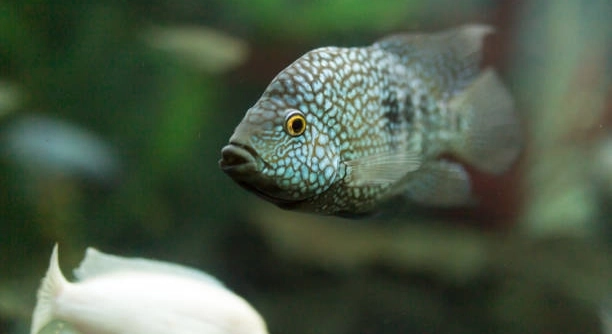
Jack Dempsey fish are known for their vibrant colors and active behavior, making them popular in home aquariums. However, their aggressive tendencies can create challenges for both beginners and experienced fish keepers managing a community tank environment.
Fighting in Jack Dempsey fish is primarily triggered by territorial disputes, competition for food, and stress caused by overcrowding or incompatible tank mates. Proper tank size, hiding spaces, and careful selection of companions can significantly reduce aggression.
Understanding these triggers will help maintain a peaceful aquarium and promote the fish’s health and natural behavior over time. Proper management ensures a more balanced environment for all tank inhabitants.
Understanding Territorial Behavior
Jack Dempsey fish are naturally territorial, especially in confined spaces. They establish areas in the tank and defend them vigorously against perceived intruders. Even fish of similar size can trigger fights if they enter another’s space. This behavior often increases during feeding or breeding periods. By observing these patterns, I noticed that creating clear boundaries with decorations or plants can help reduce tension. Overcrowding intensifies aggression, making it essential to provide enough room for each fish. Hiding spots such as caves or dense plants give the fish places to retreat, reducing stress. Regular tank maintenance and rearranging decorations occasionally can also prevent dominant fish from fully claiming a single area. Juvenile Jack Dempseys may display minor aggression, but it tends to escalate as they grow. Recognizing the signs early allows me to intervene before serious injuries occur, keeping the aquarium more balanced.
Territorial disputes are the most frequent trigger for aggressive behavior among Jack Dempsey fish, especially in smaller tanks.
Providing adequate space, visual barriers, and structured environments helps minimize conflict and ensures a more stable tank dynamic, promoting healthier interactions.
Impact of Tank Conditions
Improper tank conditions can significantly increase aggression in Jack Dempsey fish. Poor water quality, incorrect temperature, or insufficient oxygen levels can stress them, making them more prone to fighting. I’ve seen how even minor fluctuations in pH or ammonia levels can heighten irritability. A crowded tank with too many fish amplifies competition for food and space, often leading to repeated confrontations. Lighting also affects behavior; overly bright or constant light can cause stress, while natural day-night cycles help maintain calmness. Feeding schedules matter too, as irregular or insufficient feeding can provoke aggressive competition. Observing my own tank, I found that consistent maintenance and monitoring water parameters reduced frequent skirmishes. Proper acclimation of new fish is crucial to avoid sudden conflicts. Introducing them gradually and ensuring compatible sizes and temperaments decreases stress for all tank residents. These adjustments create a more harmonious environment and allow Jack Dempseys to display natural behaviors without unnecessary fighting.
Maintaining ideal tank conditions is essential for reducing aggression and supporting overall fish health.
Attention to water quality, tank layout, and fish population balance prevents stress and frequent fights, ensuring a calmer, safer environment for Jack Dempsey fish.
Feeding and Aggression
Feeding routines greatly influence Jack Dempsey behavior. Uneven feeding or limited portions can lead to competition, sparking fights. I noticed that providing food in multiple locations reduces tension and prevents dominant fish from monopolizing meals. Consistency in timing also helps maintain calm behavior.
Offering varied diets with high-quality pellets, frozen foods, and occasional live treats keeps Jack Dempseys healthy and satisfied. When food is scattered, it prevents one fish from controlling the entire feeding area, which often reduces aggressive interactions. Observing my tank, I realized that evenly distributed portions allowed weaker or smaller fish to eat without constant harassment, creating a fairer environment. Feeding multiple times a day in smaller amounts also minimizes sudden bursts of aggression.
Overfeeding can also trigger aggression. When fish are bloated or sluggish, they become more irritable. Limiting portions while maintaining a nutritious diet ensures their energy levels remain balanced. I found that pairing feeding with calming tank conditions significantly reduced conflicts and made the fish more predictable during interactions.
Breeding Behavior
During breeding periods, Jack Dempseys become intensely protective of their chosen territory and potential offspring. I observed that even minor intrusions by other fish led to immediate aggressive displays, including chasing, ramming, and nipping.
Spawning triggers a combination of hormonal changes and instinctive defense mechanisms. Males guard the nest while females may become more assertive within the area. In my experience, separating other fish during this period or providing additional hiding spaces is essential. Tank decorations like caves, rocks, or dense plants help both parents feel secure and reduce accidental confrontations. Without adequate preparation, breeding can escalate fights and stress within the tank. Careful observation and management ensure the pair can reproduce safely while keeping other fish calm.
Incompatible Tank Mates
Certain fish species can provoke Jack Dempseys into aggressive behavior. I noticed that smaller, fast-moving fish often trigger chasing and nipping, while equally aggressive species can lead to prolonged fights. Careful selection of tank mates is essential for harmony.
Peaceful, slow-moving fish tend to coexist better with Jack Dempseys. I found that providing clear territories and visual barriers also reduces conflict, allowing multiple species to share the tank without constant stress or injury.
Stress and Environmental Factors
Stress is a major contributor to fighting in Jack Dempseys. Sudden changes in water temperature, poor water quality, or excessive noise can make them more irritable. In my tank, I saw how consistent maintenance, stable conditions, and minimal disturbances significantly lowered aggression levels.
Size and Growth Differences
Large size differences between fish often trigger dominance disputes. Smaller Jack Dempseys may be bullied or chased, while larger ones assert control over space and resources. Monitoring growth and adjusting tank arrangements helps reduce tension and maintain balance among all fish.
FAQ
What are the most common triggers for fighting in Jack Dempsey fish?
The most frequent triggers are territorial disputes, competition for food, and stress from overcrowding or poor tank conditions. In my experience, even small changes in environment or the introduction of new fish can provoke fights. Creating clear territories with plants, rocks, or caves often reduces tension.
How can tank size affect aggression?
Smaller tanks increase the likelihood of conflicts because fish have less space to establish personal territories. I found that providing at least 55 gallons for a pair and adding extra room for additional fish helps reduce frequent chasing and stress-related behavior.
Does feeding influence aggression?
Yes, feeding routines play a significant role. Inconsistent feeding or offering limited portions encourages competition and fighting. I make sure to spread food in multiple areas and feed smaller amounts several times a day to prevent dominant fish from controlling the meal.
Can tank decorations help reduce fighting?
Absolutely. Visual barriers and hiding spots such as caves, driftwood, and dense plants give fish areas to retreat. In my tank, rearranging decorations occasionally prevents one fish from claiming the entire space, which helps keep aggressive tendencies in check.
How do breeding behaviors impact aggression?
During breeding, Jack Dempseys become extremely protective of their territory and eggs. I’ve observed males chasing almost anything that approaches the nest. Separating other fish or adding more hiding spaces is crucial to prevent injury and maintain a safer tank environment during this time.
Are some tank mates more suitable than others?
Yes, peaceful, slow-moving fish generally coexist better. Fast, small fish often trigger chasing, while other aggressive species can lead to prolonged fights. I’ve found that pairing Jack Dempseys with similar-sized but calm fish reduces conflicts and stress for all tank inhabitants.
Does water quality affect fighting behavior?
Poor water quality is a major stressor. Fluctuations in pH, high ammonia, or sudden temperature changes can make Jack Dempseys irritable and more prone to aggression. Regular monitoring and maintenance in my tank kept water parameters stable, which noticeably lowered the frequency of fights.
Can overcrowding increase aggression?
Yes, overcrowding intensifies competition for food and space. In my experience, maintaining proper fish-to-tank ratios is essential. Overcrowded tanks not only trigger fighting but also increase stress and susceptibility to disease. Adequate space and clear territories help manage these issues effectively.
What role does size difference play in fights?
Significant size differences often lead to dominance issues. Larger Jack Dempseys may bully smaller ones, restricting access to food or preferred areas. I monitor growth and, if necessary, rearrange tank sections to give smaller fish safe zones, helping maintain a more balanced environment.
Can environmental stressors influence aggression?
Yes, stress from sudden light changes, excessive noise, or frequent disturbances can provoke fights. I keep the tank in a quiet area, maintain consistent lighting schedules, and minimize unnecessary handling, which reduced aggressive displays and created a calmer environment for all the fish.
How can I safely introduce new Jack Dempsey fish?
Introducing new fish gradually is important. I use a quarantine or separate introduction tank first. Observing interactions through a divider allows the new fish to acclimate while preventing immediate confrontations. This approach has worked well in my tank, reducing initial aggression and stress.
Is it normal for Jack Dempseys to fight occasionally?
Yes, occasional fights are natural. These fish have strong territorial instincts and hierarchical behaviors. In my tank, minor chases or nips are normal as long as there is no injury. Understanding this helps set realistic expectations while managing tank harmony effectively.
How can I reduce long-term aggression in Jack Dempseys?
Consistent tank maintenance, appropriate tank size, careful selection of tank mates, and structured feeding routines all help. I also provide hiding spaces and monitor interactions. These measures reduce stress, support natural behaviors, and create a more peaceful, balanced environment over time.
What signs indicate that aggression is becoming a problem?
Persistent chasing, visible injuries, torn fins, and constant hiding are warning signs. In my experience, addressing these immediately by adjusting tank layout, separating overly aggressive fish, or reviewing environmental conditions prevents escalation and promotes the health of all tank residents.
Final Thoughts
Managing aggression in Jack Dempsey fish requires careful observation and consistent care. These fish have strong territorial instincts, and even small changes in their environment can trigger fights. I have learned that providing enough space, proper hiding spots, and a well-structured tank layout reduces stress and limits aggressive behavior. Overcrowding and poor water conditions are common contributors to conflicts, so maintaining clean water, stable temperatures, and proper filtration is essential. I have seen how fish respond positively to a calm, predictable environment. Adding plants, rocks, or caves not only creates visual boundaries but also allows fish to retreat when tensions rise. Regularly monitoring interactions between tank mates helps prevent minor disputes from escalating into serious injuries. Understanding the natural behaviors of Jack Dempseys allows me to anticipate aggression and take preventive measures, creating a more harmonious tank.
Feeding habits also play a critical role in controlling fights. Uneven feeding or offering large portions in one spot often leads to dominant fish monopolizing the food and chasing smaller or less aggressive tank mates. I found that distributing food across multiple locations and feeding smaller amounts several times a day keeps everyone satisfied. A varied diet, including high-quality pellets, frozen foods, and occasional live treats, supports their health and reduces irritability. Overfeeding, however, can make fish sluggish and more prone to irritability, so balancing nutrition and quantity is important. Breeding periods require special attention, as Jack Dempseys become particularly protective of their nest and territory. Providing additional hiding spaces and, if necessary, separating other fish during breeding helps prevent injuries and stress. These adjustments have helped me maintain a peaceful environment while allowing the fish to display their natural behaviors.
Long-term management of aggression involves a combination of observation, planning, and environmental control. Tank size, compatible tank mates, and the arrangement of decorations all influence how Jack Dempseys interact. I have learned that even minor improvements, like adding visual barriers or rearranging the tank periodically, can reduce dominance disputes. Monitoring water quality and maintaining stable conditions is equally important, as stressed fish are more likely to fight. Gradual introductions of new fish and attention to size differences also help prevent bullying and territorial disputes. Occasional minor skirmishes are normal, but consistent management ensures they do not escalate. By taking a structured approach, I have been able to reduce aggression, protect smaller fish, and maintain a healthier, more balanced tank. Understanding these factors has made caring for Jack Dempseys more predictable and rewarding, while allowing them to thrive in a controlled, peaceful environment.

Hello,
If you enjoy the content that we create, please consider saying a "Thank You!" by leaving a tip.
Every little bit helps us continue crafting quality advice that supports the health, happiness, and well-being of pets around the world, for pets of all shapes, sizes, and species.
We really appreciate the kindness and support that you show us!