
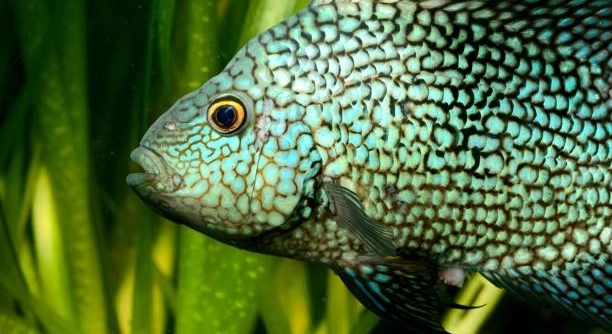
Have you ever wondered how some fish manage to capture attention with both their colors and behavior? Jack Dempsey fish are one such species, admired for their vibrant scales and lively presence in freshwater aquariums.
Jack Dempsey fish are known for their bright coloration, territorial instincts, rapid growth, and active social behavior. These traits make them fascinating to observe and care for, offering both visual appeal and unique interactions in controlled aquarium environments.
Learning these facts will help you appreciate their personality and care needs, revealing more than just their striking appearance in tanks.
Vibrant Colors and Changing Patterns
Jack Dempsey fish are striking for their vivid colors, which can range from blue-green to gold and purple. Their appearance often changes based on mood, health, or environment, making each fish look unique. Stress or excitement can darken their scales, while calm and well-fed fish show brighter hues. This color variability is not only beautiful but also indicates their current state. In aquariums, observing these changes can help you understand their behavior better. Lighting, water quality, and tank mates all influence how their colors display. Mature males usually show more intense coloration, especially during breeding. Their scales reflect light in ways that enhance these colors, creating a shimmering effect that adds depth to their presence. The changing patterns are subtle at times but become more apparent as the fish ages. Watching them interact reveals more of these variations over time.
These color changes are natural indicators of their mood, health, and environment, offering clues for proper care and observation.
Maintaining optimal water conditions, balanced feeding, and minimal stress ensures their colors stay vibrant. Observing these shifts can also deepen understanding of their behavior, dominance, and social interactions. It is fascinating to see how lighting angles and tank decorations can highlight certain hues. Juveniles may appear duller, but their true colors develop fully with age. Recognizing these patterns helps identify health issues early, such as dullness from illness or stress. Tank placement matters too; areas with proper hiding spots allow them to feel secure, which in turn maintains brighter colors. Seasonal or hormonal changes can also influence coloration. Overall, paying attention to these details creates a more engaging and visually appealing aquarium while supporting the fish’s well-being.
Territorial Behavior
Jack Dempsey fish are naturally territorial and can be aggressive toward other fish, especially in confined spaces.
This behavior is a way to establish dominance, protect their area, and ensure resources are available.
When setting up a tank, it is important to provide hiding spots and visual barriers to minimize conflicts. They may chase or nip at other fish, particularly during breeding periods. Separating aggressive individuals or choosing compatible tank mates helps maintain balance. Observing their interactions can reveal hierarchy and social dynamics within the aquarium. Over time, they may become familiar with their space and other inhabitants, reducing frequent aggression. Proper tank size and structure are crucial, as overcrowding increases stress and fights. Juveniles are less aggressive, but adults show more territorial instincts. Understanding this behavior allows better planning for tank layouts, feeding schedules, and community selection. Consistency in care and environment reduces stress, helping them display natural behavior without excessive harm to themselves or others.
Rapid Growth
Jack Dempsey fish grow quickly when provided with proper care and nutrition. Young fish can double in size within months, making tank preparation and monitoring essential for their well-being.
They require a high-protein diet to support muscle development and energy needs. Juveniles grow faster with frequent, small meals, while adults need balanced feeding to maintain health. Growth rate depends on water quality, temperature, and tank space. Overcrowded tanks can slow development, while stress reduces appetite and stunts growth. Observing their size changes helps track health and identify potential issues early. Regular water changes and consistent feeding routines support steady growth and strong immunity.
Tank size must increase as the fish grows to prevent stress and aggression. Providing hiding spots and structured spaces encourages natural movement and reduces competition. Monitoring growth helps maintain a healthy community. Growth patterns also indicate proper nutrition and environmental stability. Young fish develop faster in optimal conditions, reaching maturity sooner, while older fish benefit from careful feeding to sustain vitality and coloration. Paying attention to these factors ensures healthy development and minimizes risks associated with rapid growth.
Breeding and Parental Care
Jack Dempsey fish are attentive parents, protecting their eggs and fry diligently. Their care increases survival rates and demonstrates natural instincts in captivity.
Males and females work together to guard the nest, removing debris and chasing away intruders. Eggs are laid on flat surfaces, and both parents fan them to provide oxygen. After hatching, fry are guided to safe areas, with parents remaining alert to threats. This behavior can last several weeks, showcasing strong parental dedication. Observing their protective actions offers insight into social and reproductive behavior. Breeding requires proper tank conditions, including stable water parameters and a suitable substrate. Excessive disturbance can stress the pair and reduce success rates.
Providing hiding spots for fry helps reduce stress from tank mates and ensures higher survival. Maintaining clean water and consistent feeding supports both adults and offspring during this period. Watching their interactions can be rewarding, as each parent contributes differently: one may defend while the other tends to eggs. Tank structure influences success, as open areas allow better monitoring, while decorations offer shelter. Preparing for breeding involves balancing space, diet, and minimal disturbances to encourage natural behavior. Proper care during this time ensures a healthy, thriving batch of fry.
Social Interactions
Jack Dempsey fish show complex social behaviors within the tank. They communicate through body language, color changes, and subtle movements to establish hierarchy and boundaries.
Observing these interactions helps identify dominant and submissive fish. Understanding their social structure can reduce conflicts and maintain harmony in the aquarium.
Feeding Habits
They are omnivores with a preference for protein-rich foods, including pellets, live, and frozen options. Consistent feeding schedules support health and growth. Juveniles require smaller, more frequent meals, while adults benefit from balanced portions to prevent obesity. Overfeeding can cause water quality issues and stress.
Nocturnal Activity
Jack Dempsey fish often become more active during low-light conditions, displaying hunting and exploration behaviors. Their movements at night reveal instincts not seen during the day, offering insight into natural patterns and energy levels.
Lifespan
With proper care, these fish can live up to eight to ten years in captivity, making long-term planning for their tank essential.
FAQ
What do Jack Dempsey fish eat?
Jack Dempsey fish are omnivores, and their diet should include high-protein foods like pellets, live insects, and frozen options. They also enjoy occasional vegetables. Feeding them consistently in small portions ensures healthy growth and prevents water quality issues caused by leftover food. Juveniles need more frequent meals, while adults thrive on balanced daily portions.
How big do Jack Dempsey fish get?
Adult Jack Dempsey fish typically reach 10 to 15 inches in length, depending on tank conditions, diet, and care. Proper nutrition and adequate tank size help them grow steadily. Overcrowding or poor water quality can stunt growth, so monitoring their environment is essential for healthy development.
Are Jack Dempsey fish aggressive?
Yes, they are naturally territorial. Aggression is strongest during breeding or when defending space. Providing hiding spots, visual barriers, and a large tank helps reduce fights. Juveniles are usually calmer, but adults will assert dominance. Understanding their behavior allows for better tank planning and harmonious cohabitation.
Can Jack Dempsey fish live with other fish?
They can live with other species if the tank is large and compatible tank mates are chosen. Avoid slow-moving or small fish that may be harassed. Adding decorations and hiding spaces minimizes aggression. Monitoring interactions regularly ensures the safety of all fish in the aquarium.
How often should I change the water?
Regular water changes are critical. Replacing 20-25% of the water weekly maintains quality and reduces stress. Jack Dempsey fish are sensitive to poor water conditions, which can affect health, coloration, and behavior. Testing water parameters frequently ensures a stable environment.
Do Jack Dempsey fish breed in home aquariums?
Yes, they breed readily under proper conditions. A stable tank with clean water, appropriate substrate, and a secure space encourages spawning. Both parents guard eggs and fry diligently. Observing their protective behavior can be rewarding, but stress or frequent disturbances may reduce breeding success.
How long do Jack Dempsey fish live?
With proper care, they live 8 to 10 years. Long-term survival depends on consistent feeding, clean water, and stress-free conditions. Monitoring tank size and social interactions also supports longevity. Their lifespan allows for years of observing unique behaviors and developing strong bonds with their environment.
Why do their colors change?
Color changes reflect mood, health, and environmental factors. Stress or poor water conditions can darken scales, while calm, healthy fish show vibrant hues. Lighting, diet, and tank setup influence appearance. Watching these shifts helps identify problems and supports their well-being, while also showcasing their natural beauty.
What tank size is needed?
A minimum of 55 gallons is recommended for a single adult Jack Dempsey. Larger tanks reduce territorial aggression and provide space for exploration. Juveniles can start in smaller tanks but will require upgrades as they grow. Proper tank structure, with hiding spots and open swimming areas, supports both health and natural behavior.
How can I tell if my Jack Dempsey is healthy?
Healthy fish are active, alert, and show bright coloration. Eating regularly and interacting with their environment indicates good health. Watch for signs of stress, illness, or abnormal behavior, such as lethargy, faded colors, or fin damage. Maintaining water quality, proper diet, and minimal disturbances ensures their long-term wellness.
Do they need special lighting?
Lighting isn’t critical but enhances their colors. Moderate lighting supports their natural activity patterns without causing stress. Low-light periods allow them to rest, while brighter areas encourage vibrant coloration. A balanced light schedule mimics natural day-night cycles and promotes healthy behavior.
Can I keep more than one Jack Dempsey together?
Yes, but only in a sufficiently large tank. Males are more aggressive, so careful monitoring is needed. Providing multiple hiding spots and structured territory divisions reduces conflict. Juveniles are easier to keep together, but adult introductions should be gradual to prevent fights.
Is water temperature important?
Yes, they thrive between 72-86°F. Stable temperatures prevent stress and support metabolism, coloration, and immune function. Sudden changes can cause illness or aggression. Using a reliable heater and thermometer ensures a consistent environment for optimal health and behavior.
How do I reduce aggression in a community tank?
Use large tanks, visual barriers, and plenty of hiding spots. Choose tank mates of similar size and temperament. Monitoring interactions and separating overly aggressive individuals helps maintain harmony. Environmental enrichment, including decorations and plants, also diverts attention and reduces fights.
Can Jack Dempsey fish recognize their owners?
They can become familiar with feeding routines and human presence. While they don’t show affection like mammals, they respond to consistent interaction, often approaching the tank during feeding times. This behavior demonstrates memory and awareness of their surroundings.
Are Jack Dempsey fish easy to care for?
They require attention to water quality, tank size, diet, and social behavior. While hardy if cared for properly, beginners should research their needs before adding them to an aquarium. Consistent maintenance ensures health, vibrant colors, and predictable behavior, making care manageable with planning.
What should I do if my fish is stressed?
Signs of stress include darkened colors, hiding, or reduced appetite. Adjusting water parameters, reducing tank disturbances, and providing hiding spots can help. Observing behavior and maintaining stable conditions supports recovery and prevents long-term health issues.
Can they be fed frozen or live foods exclusively?
A mix of high-quality pellets, frozen, and live foods is best. Exclusive feeding may cause nutritional imbalances. Variety ensures proper protein intake, supports growth, and maintains vibrant colors. Proper portion control prevents overfeeding and water quality problems.
Do they need a specific pH level?
They prefer slightly alkaline water, around 7.0–8.0. Stable pH supports digestion, coloration, and overall health. Sudden fluctuations can cause stress or illness. Regular testing and minor adjustments maintain ideal conditions.
Is tank decoration important?
Yes, rocks, caves, and plants provide hiding spots and territory markers. Decorations reduce aggression and encourage natural behaviors. They also help fry hide and allow fish to feel secure while exploring. Proper arrangement supports both social structure and aesthetic appeal.
How do I know they are ready to breed?
Signs include intensified coloration, territorial displays, and nest preparation. Males often guard chosen areas, and females may become rounder from egg production. Providing clean water, proper substrate, and minimal disturbance encourages successful spawning.
Can they eat vegetables?
Yes, they can eat blanched vegetables like peas, zucchini, or spinach. While protein is essential, vegetables add fiber and nutrients. Feeding small portions occasionally supports digestion and overall health without replacing primary protein sources.
Are they sensitive to water changes?
They tolerate regular water changes well if done gradually. Sudden or large changes can stress them. Consistent partial water replacements maintain quality, prevent disease, and support their activity, coloration, and growth.
Do Jack Dempsey fish show personality?
Yes, they display curiosity, territoriality, and social awareness. Each fish behaves slightly differently, showing preferences for areas in the tank, interactions with other fish, and responses to feeding routines. Observing them reveals these distinct traits over time.
What is the best substrate for breeding?
Flat rocks or smooth surfaces are ideal for egg laying. Substrates should be easy to clean and allow parents to guard eggs effectively. Avoid rough or sharp materials that could harm the fry or damage eggs. Proper substrate supports successful spawning.
How often should I feed them?
Juveniles should be fed two to three times daily in small portions. Adults can be fed once or twice daily with balanced amounts. Consistency helps maintain growth, health, and vibrant colors while preventing overfeeding or water contamination.
Can they survive in tap water?
Yes, if properly treated. Tap water should be dechlorinated, and temperature, pH, and hardness adjusted to their needs. Testing regularly ensures safe conditions and prevents stress or illness caused by harmful chemicals.
What are common health issues?
They may face fin rot, parasites, or stress-related illnesses. Poor water quality, overcrowding, and improper diet are often contributing factors. Early detection and treatment, along with proper maintenance, reduce risks and support long-term health.
Is it safe to keep them in a planted tank?
Yes, but choose sturdy plants. Jack Dempsey may dig or rearrange decorations, so robust plants like Java fern or Anubias work well. Plants provide hiding spots and contribute to water quality while supporting natural behavior.
How do I introduce new tank mates?
Introduce slowly and monitor interactions closely. Use a divider initially if needed. Choosing similar-sized, non-aggressive fish reduces conflict. Gradual introduction allows adjustment and minimizes stress for both the Jack Dempsey and other fish.
Can they recognize tank structures?
Yes, they become familiar with rocks, plants, and hiding spots, using them for territory and exploration. Changing decorations frequently can stress them, while consistent setup supports natural behavior and comfort.
Do they prefer dim or bright lighting?
Moderate lighting works best, highlighting colors without causing stress. Low-light areas allow rest and natural activity cycles. Too bright lighting can trigger aggression or hiding, while balanced lighting promotes healthy behavior and visual appeal.
What is the best water hardness?
They prefer moderate hardness, around 8–12 dGH. Stable hardness supports osmoregulation, coloration, and overall health. Sudden changes can stress the fish or affect breeding success. Regular testing helps maintain ideal conditions for growth and behavior.
How can I encourage natural behavior?
Provide hiding spots, open swimming areas, and a varied diet. Minimal disturbances, stable water conditions, and proper tank mates encourage exploration, territorial displays, and social interactions. Observing these behaviors enhances enjoyment and supports their well-being.
Can they live alone?
Yes, they can thrive individually, reducing aggression issues. A single fish in a properly sized tank can display natural behaviors, enjoy exploration, and develop a strong personality. Alone or in a community, care requirements remain the same.
What signs indicate breeding readiness in males and females?
Males intensify coloration and defend territory, while females become rounder with eggs. Both prepare nests and show increased activity around chosen areas. Providing a calm, well-maintained environment maximizes spawning success.
Are they compatible with cichlids?
Compatibility depends on size, temperament, and tank space. Some cichlids can coexist, while others trigger aggression. Monitoring interactions and providing adequate territory divisions ensures a balanced community. Choosing similarly sized, moderately aggressive species works best.
Can I handle them directly?
Handling is not recommended. They are territorial and can stress easily. Use nets or containers when necessary, and avoid frequent contact. Minimizing handling protects both the fish and caretaker while maintaining natural behavior.
Do they require a filter?
Yes, a reliable filter ensures clean water, removes debris, and maintains oxygen levels. Proper filtration supports health, growth, and coloration. Regular maintenance of the filter prevents clogging and keeps the tank environment stable.
What is their ideal diet composition?
Protein-rich foods should make up most of the diet, complemented by occasional vegetables. This combination supports growth, coloration, and reproductive health. Balanced feeding routines prevent obesity and maintain energy levels.
Can they live in brackish water?
No, they prefer freshwater environments. Brackish or saltwater can stress them, causing health issues. Maintaining freshwater conditions with proper pH and hardness ensures long-term survival.
Do they dig in the substrate?
Yes, digging is natural behavior for territory marking and nest preparation. Provide durable substrate and avoid delicate plants. Observing this behavior allows insight into their instincts and helps prevent damage to decorations.
How do I prevent aggression toward fry?
Provide hiding spots and separate fry from adults when necessary. Dense plants, rocks, or breeding boxes reduce predation. Monitoring adult behavior ensures safety and supports higher survival rates for young fish.
What water temperature encourages breeding?
Temperatures around 78–82°F promote spawning. Stable warmth supports egg development, fry growth, and adult health. Using a heater ensures consistent conditions to increase breeding success.
Can Jack Dempsey fish adapt to new tanks easily?
They can adapt gradually with proper acclimation. Slow introduction to water parameters, temperature, and tankmates reduces stress. Monitoring behavior during this period ensures successful adjustment.
Do they recognize feeding routines?
Yes, they learn to anticipate feeding times and respond to cues. Regular schedules enhance appetite, activity, and engagement. Predictable feeding builds trust without direct interaction.
How do I clean their tank safely?
Use siphons for substrate, partial water changes, and non-toxic cleaning tools. Avoid harsh chemicals that can harm fish. Maintaining a clean environment supports health, coloration, and behavior.
Are Jack Dempsey fish noisy?
They do not produce audible sounds, but their movement and territorial displays can create minor vibrations. Observing these behaviors provides insight into activity levels and social interactions.
Can they be stressed by other species?
Yes, aggressive or overly active tank mates can cause stress. Providing sufficient space, hiding spots, and compatible species reduces anxiety and promotes natural behavior. Monitoring interactions prevents long-term health issues.
Do they need supplemental vitamins?
A balanced diet usually provides necessary nutrients. Occasional supplements can enhance coloration or immune function, but excessive use is unnecessary. High-quality foods typically meet their needs effectively.
Is lighting necessary for breeding?
Moderate lighting encourages natural activity but is not critical. Consistent light cycles support spawning behaviors and help adults care for eggs and fry without causing stress.
Can they live with plants?
Yes, but they may uproot or dig around them. Sturdy plants provide hiding spots and improve water quality, supporting natural behavior and reducing aggression.
How do I monitor their health daily?
Observe coloration, appetite, swimming behavior, and interactions with tankmates. Early detection of stress or illness allows prompt care. Consistent observation ensures long-term well-being and vibrant appearance.
Are Jack Dempsey fish intelligent?
They show recognition, memory, and problem-solving skills. Learning feeding routines, navigating the tank, and interacting with other fish demonstrates cognitive ability. Intelligence varies among individuals but is notable for freshwater species.
What signs indicate water quality problems?
Cloudy water, odor, unusual algae growth, or fish stress indicate issues. Frequent testing, proper filtration, and partial water changes maintain stability and prevent health problems.
Can they coexist with snails or shrimp?
Small invertebrates may be eaten. Larger, robust species can survive if tank space and hiding spots are sufficient. Monitoring interactions is essential to prevent predation.
Do they prefer soft or hard water?
Moderate hardness is ideal, with stable parameters. Extreme soft or hard water can stress them, affecting coloration, behavior, and breeding success. Regular testing ensures optimal conditions.
Can Jack Dempsey fish recover from illness?
Yes, with proper care, treatment, and clean water. Early intervention, diet adjustments, and stable conditions increase recovery chances. Observing behavior helps detect issues promptly.
How do I prevent aggression between males?
Provide large tanks, multiple hiding spots, and structured territories. Separating overly dominant individuals prevents fights. Juveniles are easier to raise together, while adults require careful monitoring to reduce conflicts.
Are they compatible with goldfish?
No, differences in temperature, behavior, and aggression make cohabitation unsuitable. Jack Dempsey thrive in warmer, tropical setups, while goldfish prefer cooler water. Keeping them separate ensures safety and health.
Do they need aeration?
Yes, supplemental aeration supports oxygen levels, especially in larger or heavily stocked tanks. Bubblers or proper filtration maintain healthy water conditions and reduce stress.
Can they show bonding with other fish?
They recognize tankmates and establish social hierarchies. While not affectionate, repeated interaction with compatible fish fosters predictable behavior and reduced aggression. Observing patterns provides insight into their social instincts.
How do I treat fin damage or injuries?
Isolate affected fish if needed, maintain clean water, and apply appropriate treatments. Monitoring recovery prevents infection. Proper diet and environment support healing and overall health.
Can Jack Dempsey fish jump?
Yes, they may jump when startled or exploring. Secure lids prevent escape. Awareness of this behavior helps maintain safety while allowing natural movement.
Are they suitable for beginners?
They require attention to water quality, tank size, diet, and social behavior. While hardy, beginners should research care requirements thoroughly to maintain health and reduce stress. Proper preparation ensures a rewarding experience.
What is the best tank setup for fry?
Separate fry tanks with hiding spots, stable water parameters, and gentle filtration improve survival. Providing small, frequent feedings supports growth. Close observation ensures safety and development during early stages.
Do Jack Dempsey fish need frequent observation?
Yes, monitoring behavior, health, and interactions ensures timely intervention. Daily observation helps detect stress, illness, or aggression, supporting long-term well-being and vibrant coloration.
Can they adapt to different water conditions?
Gradually, yes. Sudden changes cause stress or illness. Slow acclimation to temperature, pH, and hardness ensures survival and reduces health risks.
How can I encourage activity?
Provide ample swimming space, hiding spots, and environmental enrichment. Varied diet and structured territory encourage natural behaviors. Observing responses to these conditions reveals personality and energy levels.
Is algae harmful to them?
Not directly, but excessive growth can reduce water quality and oxygen levels. Regular cleaning and balanced lighting prevent negative effects while maintaining a healthy environment.
Can they recognize their reflection?
They may react to their reflection with territorial displays. This behavior reflects instinct rather than self-awareness, offering insight into natural aggression and social instincts.
How do I prevent overfeeding?
Feed small portions appropriate for size and age. Remove uneaten food promptly. Consistent routines maintain water quality and prevent obesity or digestive issues.
Do they prefer open or structured tanks?
A mix of open swimming areas and structured hiding spots works best. It supports exploration, territoriality, and reduces aggression while providing security.
Are Jack Dempsey fish hardy?
They are moderately hardy but require stable water, diet, and social environment. Proper care prevents illness, stress, and premature death. Monitoring conditions ensures resilience.
How do I treat common parasites?
Use aquarium-safe medications following instructions. Isolate affected fish if necessary. Maintaining clean water and reducing stress supports recovery and prevents spread.
Can they survive without a heater?
In tropical climates, mild fluctuations may be tolerated, but stable warm water is essential for health, growth, and breeding. A reliable heater ensures consistent conditions.
Do they need water conditioners?
Yes, conditioners remove chlorine, chloramine, and harmful metals. Treated water supports health, stress reduction, and proper physiological function.
Are they active swimmers?
Yes, they explore the tank actively, establishing territory and
Jack Dempsey fish are remarkable for their vibrant colors, active behavior, and complex social interactions. They stand out in freshwater aquariums because of their unique combination of beauty and personality. Observing them over time reveals subtle patterns in movement, feeding, and social behavior that are fascinating to follow. Their color changes are not only visually appealing but also serve as a reflection of their mood and health. A healthy fish will display bright, shimmering scales, while stress or illness can cause darkening or dullness. These changes make them interesting to watch and provide useful clues for maintaining their well-being. Their growth and development are also rewarding to see, as juveniles gradually reach maturity and begin to show more defined patterns, colors, and behaviors. Careful attention to tank conditions, diet, and social environment ensures they thrive and continue to display their full potential.
Breeding Jack Dempsey fish is another aspect that highlights their natural instincts and dedication to parental care. Both males and females participate in guarding eggs and fry, fanning them for oxygen, and protecting them from potential threats. This level of parental involvement is unusual for many aquarium fish and demonstrates their adaptability in captivity. Observing a pair during spawning can be an educational experience, showing how instincts guide their actions. Providing proper tank conditions, such as clean water, suitable substrate, and sufficient hiding spots, increases the chances of successful breeding. It also emphasizes the importance of understanding their natural behaviors to meet their needs in captivity. Even in a community tank, creating a balanced environment with compatible species and structured territory can reduce aggression and stress. Their territorial tendencies are a natural part of their behavior, and providing space and environmental enrichment ensures they coexist peacefully while still expressing these instincts.
Overall, caring for Jack Dempsey fish requires attention to detail, patience, and consistency, but the effort is well worth it. Maintaining proper water quality, providing a balanced diet, monitoring growth and health, and understanding their social and territorial behaviors are all crucial components of care. They are hardy fish, but stability in their environment and thoughtful planning are necessary for long-term health and vibrant coloration. Observing their interactions, feeding routines, and subtle behavioral cues adds depth to the experience, making it both educational and enjoyable. For anyone willing to provide the right conditions, Jack Dempsey fish offer years of entertainment and insight into freshwater fish behavior. Their combination of intelligence, personality, and beauty makes them a valuable addition to an aquarium. Focusing on their needs and creating a supportive environment allows these fish to thrive while revealing the full extent of their fascinating traits. With consistent care and attention, they not only survive but flourish, making them a rewarding species for aquarists to observe and enjoy.

Hello,
If you enjoy the content that we create, please consider saying a "Thank You!" by leaving a tip.
Every little bit helps us continue crafting quality advice that supports the health, happiness, and well-being of pets around the world, for pets of all shapes, sizes, and species.
We really appreciate the kindness and support that you show us!