
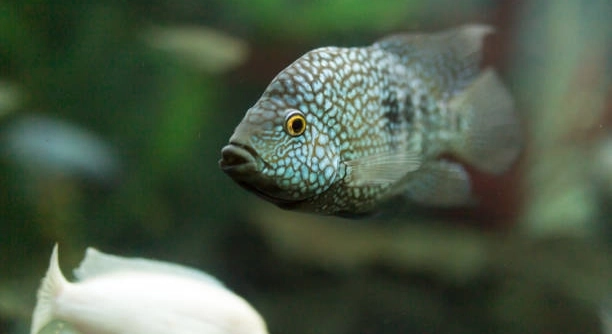
Have you ever noticed subtle changes in your Jack Dempsey fish and wondered if she might be pregnant? Observing her behavior and appearance carefully can reveal signs that indicate pregnancy before any fry are visible in the tank.
A Jack Dempsey fish shows pregnancy through a rounded abdomen, slightly darker coloration, and slower swimming patterns. These physical and behavioral changes are consistent indicators of an impending spawning event, allowing aquarists to identify pregnant females accurately and early.
Recognizing these signs ensures you can provide a safe environment for the developing fry and support the mother’s health during this critical period.
Physical Signs of Pregnancy in Jack Dempsey Fish
Pregnant Jack Dempsey fish show several visible changes in their body shape and appearance. The most noticeable is the rounded belly, which becomes more prominent as the pregnancy progresses. Females may also develop a slightly darker or more vibrant coloration along their sides and near the anal area. These changes are gradual and can be easier to spot when compared with the fish’s usual shape and tone. In addition to body shape, the overall posture and swimming patterns often shift. Pregnant females may move more slowly or stay near hiding spots within the tank. They can also appear less active, conserving energy as their bodies prepare for spawning. Observing the fins is another helpful indicator; they may appear slightly clamped or closer to the body, reflecting a state of rest or protection. Paying attention to these subtle signs allows timely recognition of pregnancy.
Behavioral changes are also key indicators and often accompany physical signs in pregnant females.
Noticing these behavioral cues can prevent unnecessary stress and help you manage the tank environment effectively for both the mother and her future fry. Consistent observation allows you to adjust feeding, reduce aggressive interactions, and prepare breeding areas. Pregnancy in Jack Dempsey fish is a sensitive period, and providing quiet, stable conditions encourages healthy development. By identifying changes early, you can avoid complications and ensure the female remains strong throughout her pregnancy. Monitoring daily, comparing her behavior to previous patterns, and adjusting care as needed creates the best possible environment for a safe spawning process.
Preparing the Tank for a Pregnant Jack Dempsey
Before the female gives birth, tank conditions must be optimized to support her and the developing fry.
A well-prepared tank provides hiding spaces and maintains water stability, reducing stress and protecting both mother and young.
Setting up the tank involves adding flat rocks, caves, and gentle plants to create secure areas. Maintaining stable water temperature and proper filtration is essential for healthy development. Avoid aggressive tankmates and reduce sudden changes that could disturb the female. Feeding smaller, frequent meals helps maintain her energy without overfeeding, which can harm water quality. Monitoring water parameters such as pH, hardness, and ammonia levels ensures a safe environment. Observing interactions with other fish is crucial, as aggression can stress the pregnant female and increase the risk of health issues. Preparing the tank thoughtfully improves the chances of successful spawning and helps the fry survive their early days.
Would you like me to continue with the next sections following the same structure?
Feeding Tips for Pregnant Jack Dempsey
Pregnant Jack Dempsey fish need nutrient-rich foods in smaller, more frequent portions. High-quality pellets, live or frozen brine shrimp, and bloodworms provide essential proteins and vitamins that support both the mother’s health and the development of the fry.
Balanced feeding ensures the female maintains energy without overloading the tank. Overfeeding can quickly degrade water quality, stressing the fish and increasing the risk of disease. Feeding several small meals throughout the day is better than one large portion. Including a mix of proteins and vegetables helps strengthen the immune system and promotes proper growth of the fry inside. Observing how much the fish eats allows adjustment of portions to avoid leftover food. This careful approach helps maintain clean water and reduces stress for both the mother and other tank inhabitants.
It is also important to remove uneaten food promptly. Leftover food can pollute the water, creating ammonia spikes that are harmful during pregnancy. Using feeding tongs or a small net to remove excess helps maintain clean conditions. Rotating different types of protein-rich foods keeps the female healthy and encourages consistent appetite. Over time, she becomes accustomed to the feeding schedule, reducing aggressive behavior during mealtime. A stable feeding routine, combined with monitoring water parameters, ensures the pregnant Jack Dempsey thrives and supports the survival of her fry.
Monitoring Health During Pregnancy
Observe the female daily for signs of stress, illness, or abnormal behavior.
Checking fins, eyes, and body condition regularly helps catch problems early. Any changes in color, lethargy, or swelling beyond normal pregnancy patterns should be addressed quickly to prevent complications.
Monitoring water quality is equally important, as poor conditions can affect both mother and fry. Ammonia, nitrite, and nitrate levels should remain within safe limits. Adjusting tank maintenance routines, such as more frequent water changes or improved filtration, supports health during pregnancy. Keep an eye on interactions with other fish; aggressive tankmates can cause injury or stress. Noting feeding habits and energy levels allows timely intervention if issues arise. Consistent observation ensures a healthy pregnancy and increases the likelihood of successful fry development.
Signs of Impending Fry
The female’s abdomen becomes noticeably larger and rounder as she nears spawning. Her swimming slows, and she spends more time near hiding spots, signaling that the fry will arrive soon.
Color changes may appear, especially around the belly and fins. She may also become more reclusive, avoiding other fish while preparing to give birth.
Creating a Safe Breeding Area
Flat rocks, caves, and plants provide secure spaces for the female to lay eggs and protect the fry. Gentle water flow and stable temperature are essential for safe spawning. Removing aggressive tankmates prevents stress and potential injury, ensuring both mother and fry remain healthy during this delicate period.
Post-Spawning Care
After the fry are released, remove the female temporarily if aggression develops. Maintaining clean water and feeding appropriate foods supports the fry’s early growth and survival.
FAQ
How long is a Jack Dempsey fish pregnant?
The typical pregnancy, or more accurately, the time before a female releases fry, lasts about three to four weeks. This period can vary slightly depending on the fish’s age, health, diet, and tank conditions. Warmer, stable water temperatures tend to accelerate development, while stress or poor nutrition can slow it. Observing her body shape and behavior during this time helps anticipate when the fry will appear, allowing you to prepare the tank appropriately.
How can I tell the difference between a pregnant female and a well-fed one?
A well-fed Jack Dempsey may have a slightly round belly, but pregnancy shows distinct changes. The abdomen grows more uniformly, the body appears heavier toward the rear, and there may be subtle color darkening near the anal area. Behavior also differs: pregnant females move more slowly, hide more frequently, and may avoid interactions with other fish, unlike a healthy, well-fed fish that remains active and swims freely throughout the tank. Tracking these signs over several days provides the most reliable indication of pregnancy.
What should I feed a pregnant Jack Dempsey?
Pregnant females need a diet rich in proteins and essential nutrients. High-quality pellets, bloodworms, brine shrimp, and occasional vegetables support her health and the development of the fry. Feeding smaller, more frequent portions is better than one large meal. Overfeeding can pollute the tank and stress the fish, so remove uneaten food promptly. A varied diet also strengthens her immune system and prepares her body for the energy demands of releasing fry. Monitoring her appetite and adjusting portions helps maintain both health and water quality.
Can I keep other fish in the tank during pregnancy?
Other fish can remain in the tank if they are peaceful and do not harass the female. Aggressive or territorial tankmates should be removed temporarily, as stress can lead to health problems or even miscarriage of the fry. Providing hiding spaces and monitoring interactions reduces tension and helps the female feel secure. During the later stages of pregnancy, she may become more reclusive, so extra care is necessary to maintain a calm environment. Safe cohabitants can help maintain normal tank activity without endangering the pregnant fish.
What should I do after the fry are born?
Once the fry are released, observe the female carefully. Some females may show aggression toward their fry, and in such cases, temporarily removing her from the tank prevents harm. Maintaining clean water and stable conditions is essential for fry survival. Feeding the fry small, nutrient-rich foods like baby brine shrimp or finely crushed flakes encourages growth. Gradually increasing food size as they grow supports healthy development. Frequent monitoring and careful maintenance during this stage significantly improve the fry’s chances of thriving in the tank.
How do I prevent stress during pregnancy?
Stress can negatively impact both the female and the developing fry. Maintain stable water temperature, provide hiding spaces, and reduce sudden movements or loud noises around the tank. Avoid frequent handling or major tank changes. Monitoring water parameters, feeding consistently, and separating aggressive fish also helps maintain calm conditions. Observing the female’s behavior allows timely adjustments to reduce stress, ensuring a healthier pregnancy and better outcomes for the fry.
Are there signs of health issues to watch for?
Watch for unusual swelling, discoloration beyond typical pregnancy changes, lethargy, or loss of appetite. Rapid breathing or erratic swimming may indicate stress or illness. Maintaining clean water and a proper diet is crucial. Early intervention, such as adjusting tank conditions or consulting an aquatic health guide, can prevent complications and protect both the mother and the fry. Regular observation is key to addressing issues promptly.
How often should I monitor the pregnant female?
Daily observation is recommended. Checking her swimming behavior, appetite, and interactions ensures early detection of stress or illness. Monitoring allows adjustments in feeding, tank setup, and water quality to support a healthy pregnancy. Consistency in observation helps anticipate fry release and prevents unexpected problems.
Can temperature affect pregnancy duration?
Yes. Warmer, stable water speeds up development, while cooler or fluctuating temperatures can delay fry release. Keeping the tank temperature consistent within the recommended range for Jack Dempsey fish ensures predictable pregnancy progression. Avoid sudden temperature changes that may stress the female and impact the fry’s health.
Is it normal for a pregnant female to hide a lot?
Yes. Increased hiding is a natural behavior during pregnancy. It helps reduce stress and protects her from potential threats, including other fish. Providing secure spots like caves, plants, and flat rocks allows her to rest and prepare for spawning without disturbance, which supports both her health and the fry’s survival.
Would you like me to continue with the next headers after this FAQ section?
Final Thoughts
Observing a Jack Dempsey fish during pregnancy requires patience and attention to detail. The physical changes, such as a rounded abdomen and slight darkening of the body, are subtle but consistent indicators that the female is ready to release fry. Alongside these visible signs, behavioral changes provide additional clues. Pregnant females tend to hide more often, swim more slowly, and reduce interactions with other fish in the tank. These adjustments are natural responses to protect themselves and their developing young. Paying attention to both appearance and behavior allows you to anticipate the arrival of the fry and prepare the tank accordingly. By recognizing these signals early, you can provide the care necessary to support a safe and healthy pregnancy, which is essential for both the female and her offspring.
Proper tank preparation plays a crucial role in ensuring a successful pregnancy and survival of the fry. Creating secure spaces using flat rocks, caves, or gentle plants gives the female a sense of safety and encourages natural spawning behavior. Maintaining stable water conditions, including temperature, pH, and hardness, reduces stress and promotes overall health. Feeding the female a diet rich in proteins and essential nutrients supports her energy needs while minimizing the risk of water pollution from uneaten food. Smaller, frequent meals are ideal to prevent overfeeding while providing adequate nutrition. Monitoring interactions with other fish is also important, as aggressive or territorial tankmates can create stress that negatively affects both the mother and her fry. By taking these measures, you create an environment where the female can focus on developing and releasing her young, improving survival rates and promoting healthy growth.
After the fry are born, continued attention is necessary to ensure their well-being and proper development. Some females may show aggression toward their offspring, requiring temporary separation to prevent harm. Providing clean water, consistent feeding, and appropriate hiding spots supports fry growth and reduces risk of illness. Observing the fry closely in their early days helps identify potential health issues early, allowing timely intervention. Careful monitoring of water quality, temperature, and interactions with other fish remains important throughout this period. By maintaining consistent care and observation, both the mother and her fry are more likely to thrive in a stable, safe environment. Ultimately, understanding the signs of pregnancy, preparing the tank properly, and providing attentive post-spawning care ensures the health of the female and the successful growth of the next generation of Jack Dempsey fish.

Hello,
If you enjoy the content that we create, please consider saying a "Thank You!" by leaving a tip.
Every little bit helps us continue crafting quality advice that supports the health, happiness, and well-being of pets around the world, for pets of all shapes, sizes, and species.
We really appreciate the kindness and support that you show us!