
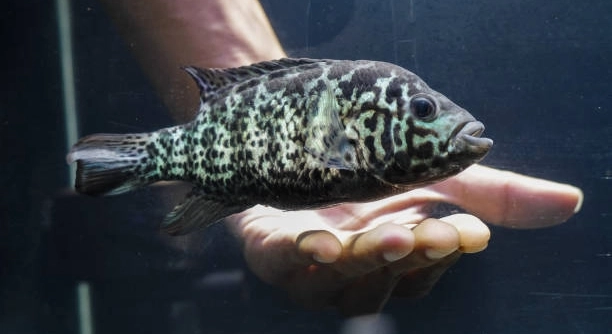
Have you ever set up a Jack Dempsey tank and wondered which items might cause problems for your fish? These tanks require careful attention to maintain the health and safety of these beautiful but sensitive fish.
Certain items should never be placed in a Jack Dempsey tank, as they can alter water chemistry, introduce toxins, or stress the fish. Avoiding harmful materials ensures a stable, safe environment that promotes the fish’s health and longevity.
Understanding what to keep out of the tank helps prevent future issues and keeps your Jack Dempseys thriving in a healthy habitat.
Sharp or Rough Decorations
Sharp or rough decorations can injure Jack Dempseys. These fish are strong but can easily tear their fins or scrape their bodies on jagged surfaces. Broken fins may lead to infections and long-term health issues if left untreated. Even small scratches can make your fish more susceptible to disease.
Avoid rocks or ornaments with sharp edges. Smooth surfaces are always safer.
It’s best to choose decorations made specifically for aquariums, with rounded edges and non-toxic finishes. Driftwood, smooth river stones, and ceramic ornaments designed for fish tanks are ideal. Avoid natural items that haven’t been treated or cleaned for aquarium use, as they may harbor bacteria or fungi. Providing hiding spaces is important, but always check the surfaces first. Regularly inspect decorations for chips or cracks that could cause harm over time. Your Jack Dempseys will explore and swim around these decorations safely, reducing stress and supporting natural behavior. Safe decorations contribute significantly to maintaining a stable and healthy tank environment for these colorful fish.
Plastic Plants
Plastic plants may look appealing, but they can pose risks to Jack Dempseys. The rigid edges can tear fins, and low-quality plastics may leach harmful chemicals into the water.
Over time, these plants may degrade and affect water quality. Choose silk or live plants instead, which are softer and safer.
Live plants not only provide a natural environment but also improve water quality by absorbing nitrates. Silk plants are smooth and mimic natural foliage without sharp points. Regularly rinse any artificial plants to remove dust or residues that could pollute the tank. Jack Dempseys like to dig, and rough plastics can easily break, creating debris that may be ingested. Proper placement ensures the fish have hiding spaces without risking injury. Observing your fish around decorations helps identify any problem areas before accidents occur. Safe planting ensures both the tank’s aesthetics and the well-being of the fish. A thoughtful combination of live and silk plants provides shelter, reduces stress, and enhances the overall health of the tank environment.
Chemical Treatments
Chemical treatments not intended for Jack Dempseys can harm them. Even small doses of medications for other fish species may disrupt water balance or stress your fish.
Always check labels and verify compatibility before adding any chemicals to the tank. Overuse of treatments can upset the delicate ecosystem, affecting beneficial bacteria and water parameters. Even water conditioners or pH adjusters meant for general use may be too strong if not carefully measured. Using only products designed for cichlids or consulting an experienced aquarium guide helps maintain a safe environment. Sudden changes in water chemistry can weaken the fish’s immune system, making them more prone to disease. Controlled, minimal use of necessary treatments ensures your Jack Dempseys remain healthy and active while preserving the balance of the tank.
Even common household chemicals, like cleaners or sprays, should never come near the tank. Residues can dissolve in water and poison the fish almost immediately. Proper storage and strict separation of household chemicals from aquarium supplies prevent accidents and long-term harm. Always rinse hands thoroughly after handling any chemicals before touching the tank, as residues on your skin can transfer to the water. Observing water quality closely after any treatment helps detect issues early, ensuring fish remain safe. Consistent care and cautious chemical use protect both fish and the tank’s ecosystem.
Copper Items
Copper decorations or equipment can be extremely toxic to Jack Dempseys. Even small amounts of copper leaching into the water can damage gills and organs, leading to fatal consequences. Avoid copper entirely in your tank setup.
Metal items not designed for aquariums may corrode and release copper or other harmful metals. Tools, ornaments, or fittings that contain copper should never contact the water. Jack Dempseys are sensitive to metal toxicity, and effects may appear quickly, including lethargy, abnormal swimming, or discoloration. Once copper enters the tank, it’s difficult to remove completely without performing multiple water changes, which may stress the fish further. Using stainless steel, plastic, or glass-safe items eliminates this risk. Regularly inspect equipment for corrosion or discoloration to prevent contamination. Keeping copper out from the start ensures a safer, stable environment for your fish, supporting long-term health and growth.
Small or Sharp Gravel
Small or sharp gravel can injure Jack Dempseys while they dig or move around the tank. Broken fins, scrapes, and internal injuries are common when the substrate is too rough.
Choose smooth, rounded gravel or sand to protect their delicate fins and avoid accidental ingestion.
Household Items
Household items like decorations, stones, or containers not designed for aquariums can leach chemicals into the water. Even painted or coated surfaces may release toxins harmful to Jack Dempseys, affecting their health over time. Avoid introducing anything untested or untreated into the tank.
Aggressive Tank Mates
Jack Dempseys are territorial fish, and adding aggressive or incompatible tank mates can cause stress and injuries. Conflicts over space or food can quickly escalate, resulting in fin damage or constant stress that impacts overall health and growth.
Aluminum or Metal Objects
Aluminum or untreated metal objects can corrode in water and release harmful substances. These metals are toxic to Jack Dempseys and can compromise water quality, making the tank unsafe for long-term habitation.
FAQ
What happens if I accidentally put a sharp decoration in my Jack Dempsey tank?
Sharp decorations can tear fins or scrape your fish’s body. Even minor cuts increase the risk of infection. Removing the item immediately and monitoring the fish for signs of injury or stress helps prevent long-term damage. Injured fins may take weeks to fully heal, and maintaining clean water is crucial during recovery.
Can live plants ever harm Jack Dempseys?
Live plants are generally safe, but some species have strong roots that can irritate digging fish. Ensure plants are suitable for cichlids, securely anchored, and trimmed regularly. Plants also help improve water quality and provide hiding spots, reducing stress and supporting natural behavior.
Are silk plants completely safe for Jack Dempseys?
Silk plants are safer than plastic, but edges can still fray over time. Regular inspection for loose threads or sharp points is important. Choosing high-quality silk plants ensures durability and a soft environment that prevents fin damage while still offering hiding areas.
Why is copper so dangerous for Jack Dempseys?
Copper can poison fish even in small amounts. It affects gills, liver, and other internal organs, often causing rapid deterioration of health. Avoid any copper-containing decorations or equipment, and never introduce household metals that may corrode in water.
Can chemicals for other fish species be used in a Jack Dempsey tank?
Most chemicals are formulated for general freshwater fish but may be too strong for cichlids. Overuse can disrupt water chemistry, harm beneficial bacteria, and stress the fish. Always check compatibility and dosage, using only products proven safe for Jack Dempseys.
What substrate is best for Jack Dempseys?
Smooth gravel or sand is ideal. Avoid small, sharp gravel that can injure fins or be ingested accidentally. Sand allows natural digging behavior and is easier to clean. Proper substrate supports healthy behavior while reducing risk of injury and digestive issues.
Can tank decorations affect water quality?
Yes, decorations made from untreated wood, metals, or painted items can leach toxins. Non-aquarium-safe items may release harmful substances slowly, affecting fish health. Choosing decorations labeled safe for aquariums prevents chemical buildup and helps maintain stable water conditions.
How can I tell if a tank item is unsafe?
Check for sharp edges, rust, or coatings that could peel. Any item not labeled as aquarium-safe should be avoided. Observe your fish after adding new items for signs of stress, hiding, or unusual swimming patterns. Quick removal prevents harm.
Are small or colorful stones okay for Jack Dempseys?
Only if they are smooth and non-toxic. Brightly painted or coated stones may contain chemicals that leach into water. Natural, rounded stones or sand provide a safer environment and encourage natural behaviors like digging and territorial marking.
What should I do if my Jack Dempsey gets stressed from a new tank item?
Remove the item immediately and monitor water conditions. Stress can weaken the immune system, so maintain clean water and provide hiding spots. Observation is key—any repeated stress requires adjusting the tank setup to ensure a safe, calm environment.
Is it safe to use household objects for decoration?
Household items are rarely safe unless designed for aquarium use. Metals, plastics, and painted surfaces may release harmful substances. Stick to aquarium-grade materials to prevent poisoning, water contamination, and injury to your Jack Dempseys.
How often should I check tank decorations?
Regular inspection is important, ideally every few weeks. Look for chips, sharp edges, or corrosion. Damaged items should be removed or replaced promptly to prevent injuries and maintain water quality. Safe maintenance supports long-term fish health and reduces accidents.
Can improper tank items affect Jack Dempsey behavior?
Yes, unsafe decorations or incompatible items can cause stress, aggression, or hiding. Fish may become lethargic, refuse food, or show signs of injury. Safe, well-chosen items help maintain normal activity, territorial behavior, and overall health.
Are there safe alternatives to plastic or metal decorations?
Yes, driftwood, smooth river stones, and ceramic aquarium-safe ornaments are excellent alternatives. Live or silk plants add natural cover without causing harm. Prioritizing non-toxic, smooth materials reduces injury risk while creating a visually appealing tank.
How do I clean decorations without harming Jack Dempseys?
Rinse decorations with warm water and scrub gently with a soft brush. Avoid soap or chemicals, which can leave residues harmful to fish. Periodic cleaning removes algae and debris while preserving safety, ensuring decorations remain a healthy part of the environment.
What signs indicate an item is affecting water quality?
Cloudy water, unusual odor, or sudden fish stress are warning signs. Test water parameters regularly. Any negative changes after adding a new item may indicate contamination or chemical leaching, requiring immediate removal and water correction.
How can I prevent injuries from decorations?
Use smooth, rounded items, inspect regularly, and remove sharp or broken pieces. Avoid metals and untreated wood. Providing sufficient hiding spaces and observing fish interactions ensures safety and reduces stress or aggression within the tank.
Do Jack Dempseys ever outgrow their decorations?
Yes, as they grow, fish may bump into items or dig aggressively, causing damage to themselves or the tank setup. Adjust decorations to accommodate size and behavior, ensuring safety and maintaining proper swimming space for healthy development.
Are ornaments with paint safe for long-term use?
Painted ornaments may chip or release chemicals over time, harming Jack Dempseys. Only use decorations labeled aquarium-safe and designed for long-term water exposure. Non-toxic, durable materials protect both water quality and fish health.
What is the safest way to introduce new tank items?
Rinse thoroughly, check for edges or coatings, and add one item at a time. Observe the fish for reactions over several days to ensure it does not cause stress or injury. Careful introduction maintains a stable, safe environment.
This FAQ section addresses common concerns while keeping your Jack Dempseys safe, healthy, and comfortable in their tank. Regular observation and careful choice of decorations, substrate, and chemicals are essential for long-term success.
Jack Dempseys are beautiful and active fish that require a carefully maintained environment to thrive. The items you place in their tank can have a big impact on their health and behavior. Sharp decorations, untreated metals, and certain chemicals can injure or stress the fish, while small gravel or painted objects may affect water quality over time. Providing a safe tank environment starts with choosing materials designed for aquarium use. Smooth gravel or sand, driftwood, ceramic ornaments, and silk or live plants are ideal choices that allow the fish to explore, hide, and swim naturally without risk of harm. Careful selection of items ensures your Jack Dempseys remain healthy, reduces the chance of injuries, and supports a stable, balanced tank ecosystem.
Maintaining water quality and monitoring fish behavior are just as important as the items in the tank. Even safe decorations can collect debris or encourage algae growth if not cleaned regularly, which can negatively affect water parameters. Chemicals meant for other fish species may seem helpful, but they can stress Jack Dempseys or disrupt beneficial bacteria. Avoid introducing household items or metals like copper and aluminum, as these can leach toxins into the water and cause serious health issues. Consistent observation, testing water regularly, and adjusting the tank setup when needed helps prevent problems before they become serious. Over time, you will develop a better understanding of what works best in your specific tank and how your fish respond to their environment. This careful attention supports both their physical health and natural behaviors, helping them remain active, vibrant, and strong.
It is also important to consider the long-term needs of Jack Dempseys as they grow. Decorations and plants that seem suitable for young fish may become unsafe as they dig more aggressively or move around larger areas of the tank. Regularly inspecting decorations for cracks, sharp edges, or chemical wear prevents accidents and ensures a safe environment. Observing fish for stress or abnormal behavior after adding new items can help identify potential problems early. Taking time to plan the tank layout with safety, durability, and fish comfort in mind creates a more harmonious environment for your Jack Dempseys. By combining careful item selection, proper maintenance, and attentive observation, you can create a tank that supports the health, growth, and natural behavior of your fish. A well-maintained tank ensures that your Jack Dempseys not only survive but thrive for years, providing enjoyment and a healthy aquatic environment.

Hello,
If you enjoy the content that we create, please consider saying a "Thank You!" by leaving a tip.
Every little bit helps us continue crafting quality advice that supports the health, happiness, and well-being of pets around the world, for pets of all shapes, sizes, and species.
We really appreciate the kindness and support that you show us!