
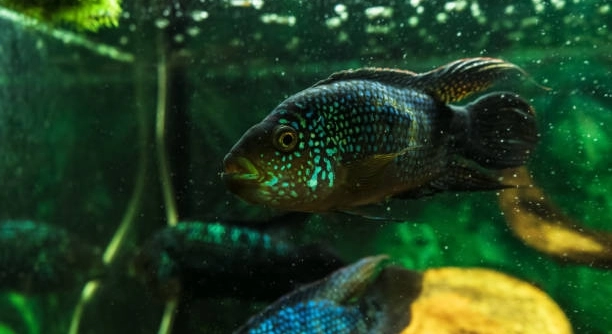
Have you ever noticed your Jack Dempsey swimming nervously in its tank and wondered what it might be feeling? These fish are known for their bold personalities, but they can show subtle signs when stressed or threatened. Observing their behavior closely helps maintain a calm environment.
Jack Dempsey fish exhibit several indicators of feeling threatened, including rapid gill movement, flared fins, darkening body color, and hiding. These behaviors are natural stress responses, allowing the fish to protect themselves and signal caution to other tank inhabitants.
Understanding these signs is important for creating a safe and comfortable habitat. Recognizing stress early ensures your Jack Dempsey remains healthy and thrives in its environment.
Recognizing Signs of Threat in Jack Dempsey Fish
Jack Dempsey fish can display a variety of behaviors when they feel threatened. One of the most noticeable signs is sudden color change. Their bodies may darken, signaling stress or discomfort. Flared fins are another clear indicator, showing that the fish is preparing to defend itself. Rapid gill movement or heavy breathing often occurs when oxygen intake increases due to stress. Hiding behind rocks or decorations is common, as they seek protection from perceived danger. Aggressive swimming or lunging at tank mates can also appear, especially if the fish feels its territory is being invaded. Observing these actions helps identify stress before it becomes severe. Providing plenty of hiding spots, maintaining clean water, and avoiding sudden disturbances can reduce these threats. Regularly monitoring their behavior allows you to adjust tank conditions and create a more secure environment, keeping your Jack Dempsey calmer and healthier over time.
Properly identifying stress behaviors early can prevent long-term health problems and keep your fish active and thriving.
Monitoring subtle cues like eye movement and body posture can give insight into your fish’s comfort level. These small observations help ensure a safe tank environment, reducing incidents of stress-induced aggression or illness.
Environmental Factors That Increase Threat Perception
Tank size and layout play a significant role in how secure Jack Dempsey fish feel. Overcrowded tanks can increase tension, causing fish to feel constantly threatened. Lack of hiding places or poorly placed decorations can leave them exposed, leading to stress behaviors. Water quality is another critical factor. High ammonia or nitrate levels create discomfort, making fish more reactive to disturbances. Sudden changes in temperature or lighting can also trigger threat responses. Incompatible tank mates that are aggressive or overly active may provoke defensive actions. Even routine maintenance, if done abruptly, can startle the fish. Ensuring stable, clean water, adequate space, and strategically placed shelters reduces stress and promotes natural, calm behavior. Consistent feeding schedules and gentle interaction further reinforce a sense of security, allowing Jack Dempsey to thrive without displaying constant threat signals. By carefully managing these factors, their tank environment becomes predictable and safe.
Maintaining stable conditions in the tank not only prevents stress but also supports long-term health and behavior.
Proper tank setup and routine observation create an environment where Jack Dempsey fish feel secure. Noticing and addressing stressors promptly ensures your fish remain calm, active, and exhibit natural behavior, avoiding unnecessary aggression and health problems.
Common Behavioral Responses
When Jack Dempsey fish feel threatened, they often retreat to corners or behind decorations. Sudden darting movements or aggressive posturing toward other fish are typical. Observing these behaviors helps you understand their comfort levels and adjust the tank environment accordingly.
Aggression can appear as chasing, nipping, or flaring fins toward other tank mates. This is often a territorial response triggered by perceived intrusion. Excessive hiding, reduced activity, or staying near the water surface are signs of stress. Changes in eating habits may also occur, with fish refusing food or feeding less frequently. Monitoring these behaviors consistently allows you to notice patterns and respond before stress affects health. Properly placed hiding spots and gentle handling reduce aggression and help the fish feel secure.
Some Jack Dempsey fish may also shake or tremble when threatened. These subtle movements indicate heightened alertness and readiness to defend themselves. Understanding these signals is key to maintaining a peaceful tank environment. Observing interactions between tank mates carefully can prevent conflicts and injuries. Providing enough space, visual barriers, and stable conditions allows these fish to feel safe and reduces the frequency of threatening behaviors. Consistent monitoring ensures you can intervene promptly if signs of stress or aggression escalate.
Physical Indicators of Stress
Color changes are among the most visible signs that a Jack Dempsey feels threatened. Darkened or blotchy scales often indicate stress, while paler areas may appear when the fish is exhausted or overwhelmed. Rapid breathing, noticeable gill movement, and fin clamping are additional physical indicators. These signs suggest the fish is struggling to cope with its environment or nearby tank mates. Regular observation of physical changes can alert you to problems before they worsen. Stress over long periods can compromise the immune system, leading to illness. Adjusting tank conditions and minimizing disturbances helps maintain a healthy and stable environment for your fish.
Physical reactions can also include trembling, jerky movements, and erratic swimming. These behaviors are direct responses to perceived threats and indicate that the fish is attempting to protect itself. Providing shelters, maintaining clean water, and ensuring appropriate tank mates reduce stress levels. Observing how fish respond to routine activities, such as feeding or maintenance, helps you fine-tune the environment. Over time, noticing these cues becomes easier, allowing you to anticipate stress and prevent harm. A calm, stable tank reduces the likelihood of repeated stress responses, promoting overall well-being and natural behavior patterns.
Triggering Situations in the Tank
Sudden movements outside the tank or tapping on the glass can startle Jack Dempsey fish. Loud noises, rapid changes in lighting, or unfamiliar objects introduced into the tank often trigger defensive behaviors. Recognizing these triggers helps in reducing stress.
Territorial disputes with other fish can also provoke threat responses. Overcrowding or aggressive tank mates increase tension and lead to chasing, flaring fins, or hiding. Careful observation of interactions allows you to manage space and maintain harmony.
Feeding and Threat Perception
Feeding time can sometimes heighten a Jack Dempsey’s sense of threat. Competing for food with other fish may cause sudden aggression or nervous movements. Ensuring enough food and a consistent feeding routine reduces stress and helps them feel secure while eating.
Creating a Safe Environment
Providing hiding spots, plants, or rocks gives Jack Dempsey fish places to retreat when threatened. These shelters allow them to feel protected and reduce stress, supporting calmer behavior.
FAQ
How can I tell if my Jack Dempsey is stressed?
Stress in Jack Dempsey fish can be observed through several behaviors and physical signs. Darkening or blotchy coloration, clamped fins, rapid gill movement, and trembling are common indicators. Hiding frequently or staying near the tank surface also suggests discomfort. Changes in appetite, such as refusing food or eating less than usual, often accompany stress. Aggressive chasing or sudden lunging at other fish is another sign that the fish is feeling threatened. Keeping track of these behaviors over time helps you identify recurring triggers and adjust the environment to reduce stress.
What environmental factors cause threat responses in Jack Dempsey fish?
Several factors in the tank can make Jack Dempsey fish feel threatened. Overcrowding limits space, increasing tension between tank mates and triggering aggression. Poor water quality, including high ammonia, nitrite, or nitrate levels, creates discomfort and can provoke defensive behavior. Sudden changes in lighting, temperature, or decorations can startle the fish, causing color changes or rapid swimming. Aggressive or overly active tank mates also contribute to stress. Ensuring stable water conditions, providing adequate hiding spots, and carefully selecting compatible tank mates significantly reduces the likelihood of threat responses. Observing the tank regularly allows you to identify and remove stressors.
How do Jack Dempsey fish show aggression when threatened?
Aggression is a common response when Jack Dempsey fish feel threatened. They may flare their fins, chase or nip at other fish, and display rapid, erratic swimming. Some may even circle certain areas of the tank aggressively to assert territorial control. Hiding less and swimming more boldly can also indicate a defensive stance. During feeding, aggressive behaviors may become more intense if food is scarce or if tank mates are nearby. Providing sufficient space, separate feeding areas, and visual barriers like plants or rocks helps mitigate aggression and creates a calmer environment.
Can changes in color indicate threat or stress?
Yes, color changes are a strong indicator of stress in Jack Dempsey fish. Darker colors often signal that the fish is feeling threatened or anxious, while paler areas may appear if the fish is exhausted or overwhelmed. Rapid color shifts can also occur when the fish perceives sudden movement or disturbance in the tank. Monitoring these changes, alongside behaviors like fin clamping or hiding, gives a clearer picture of the fish’s emotional state. Stable lighting, clean water, and minimal sudden disturbances help maintain natural coloration and reduce stress-related color changes.
What should I do if my Jack Dempsey is constantly hiding?
Hiding is a natural response when a Jack Dempsey fish feels threatened, but constant hiding indicates ongoing stress. Make sure the tank provides adequate hiding spots without overcrowding. Check water quality, temperature, and lighting for stability. Observe interactions with other fish to ensure no tank mate is overly aggressive. Adjusting the environment to reduce triggers often encourages the fish to explore more and return to normal activity levels. Avoid sudden movements or tapping on the tank, and maintain a consistent feeding schedule to build a sense of security.
Are there signs of stress during feeding?
Yes, feeding can reveal signs of stress in Jack Dempsey fish. Aggression toward other fish, darting movements, and refusal to eat are common behaviors when they feel threatened. Competition for food may intensify stress, leading to chasing or fin flaring. Ensuring each fish has access to sufficient food and feeding in multiple spots reduces tension. Maintaining a consistent feeding routine helps the fish anticipate mealtime calmly. Watching how the fish behaves during feeding also provides insight into overall stress levels, allowing adjustments to the environment or feeding methods for a healthier, calmer tank.
How do I prevent threat responses in Jack Dempsey fish?
Preventing threat responses involves creating a stable and secure environment. Provide adequate space, hiding spots, and visual barriers to reduce territorial disputes. Monitor water quality, temperature, and lighting for stability. Choose compatible tank mates and avoid sudden changes in the tank setup. Gentle handling during maintenance and consistent feeding schedules help build a predictable environment. Observing fish behavior regularly ensures early detection of stress and allows prompt adjustments. Over time, these measures encourage calmer, healthier fish, reduce aggressive encounters, and support natural behavior patterns in the tank.
Can long-term stress affect health?
Long-term stress significantly impacts a Jack Dempsey fish’s health. Persistent threat responses weaken the immune system, making fish more susceptible to disease and infections. Prolonged hiding, poor appetite, or erratic behavior can result in malnutrition or stunted growth. Continuous exposure to stress may also shorten lifespan and reduce overall vitality. Maintaining a stable tank environment, providing sufficient hiding spots, and reducing interactions with aggressive tank mates helps mitigate long-term stress. Early recognition of warning signs is essential to prevent serious health issues and ensure the fish remain active and thrive over time.
How do tank mates influence threat perception?
Tank mates play a critical role in how Jack Dempsey fish perceive threats. Aggressive or overly active fish can provoke defensive behavior, including chasing, fin flaring, or hiding. Peaceful, similarly sized fish reduce stress and promote a stable environment. Overcrowding increases tension and competition for space or food. Carefully selecting compatible species and monitoring interactions allows Jack Dempsey to feel secure. Providing visual barriers and sufficient territory for each fish minimizes conflict and promotes calm behavior. Regular observation ensures that tank dynamics remain balanced and threat responses are minimized, supporting healthier, more confident fish.
What role does water quality play in stress?
Water quality directly impacts the comfort and stress levels of Jack Dempsey fish. Poor water conditions, such as elevated ammonia, nitrite, or nitrate, create irritation and increase threat responses. Fluctuating pH, temperature, or hardness can also induce stress, leading to hiding, aggression, or color changes. Maintaining clean, stable water with regular testing and partial water changes ensures a healthy environment. Proper filtration, aeration, and monitoring reduce stress, prevent illness, and allow natural behaviors to flourish. Observing behavior in combination with water testing helps identify environmental problems before they affect fish health.
How can I encourage calm behavior in my Jack Dempsey?
Calm behavior is encouraged by reducing stress triggers and providing a secure environment. Adequate space, hiding spots, and visual barriers help the fish feel protected. Stable water quality, consistent feeding routines, and gentle tank maintenance build a predictable, safe atmosphere. Choosing compatible tank mates and minimizing sudden changes further reduces threat perception. Over time, these measures promote confidence, natural swimming, and relaxed interactions. Watching for early signs of stress and adjusting the tank accordingly helps maintain a calm, healthy, and thriving Jack Dempsey population.
What are the early warning signs of threat responses?
Early warning signs include subtle color changes, fin clamping, and increased hiding. Rapid gill movements, slight trembling, or darting at tank mates also indicate discomfort. Noticing these cues early allows for adjustments in environment or interactions. Addressing these signs promptly prevents escalation into aggressive or unhealthy behavior, supporting long-term fish well-being.
Final Thoughts
Jack Dempsey fish are fascinating creatures, but they are also sensitive to their surroundings. Their natural instincts make them react strongly when they feel threatened. Observing their behavior closely is important because it allows you to understand what they are experiencing. Small changes in their body language, color, or movement can tell you a lot about their comfort level. For instance, a fish that suddenly darkens or hides frequently is likely experiencing stress. Recognizing these signs early is essential because prolonged stress can affect their health, appetite, and overall behavior. By paying attention to these cues, you can take practical steps to create a calmer and safer tank environment.
Maintaining the right conditions in the tank is key to reducing threat responses. Proper water quality, consistent temperature, and regular cleaning help ensure that your fish feel secure. The layout of the tank also matters. Providing plenty of hiding spots, plants, and visual barriers allows Jack Dempsey fish to retreat when they feel threatened, which helps them regain a sense of safety. Tank size should be sufficient to prevent overcrowding, and tank mates should be chosen carefully to avoid aggression or tension. Even small actions, like avoiding sudden movements near the tank or tapping on the glass, can make a big difference. These simple measures create a predictable environment where your fish can thrive. Over time, a stable setup encourages natural, calm behavior and minimizes signs of stress or aggression.
Understanding Jack Dempsey fish behavior also requires patience and observation. Their responses can vary depending on their personality, age, and previous experiences. Some fish are more territorial and assertive, while others are more cautious and prone to hiding. By watching how they interact with their environment and other tank mates, you learn how to adjust care routines effectively. Feeding schedules, water changes, and tank maintenance should all be performed in a consistent, gentle manner to avoid startling them. Paying attention to both subtle and obvious signals allows you to support their well-being fully. When you provide the right conditions, monitor their behavior, and respond appropriately, Jack Dempsey fish become more confident and healthy. Creating a secure and stable tank not only improves their quality of life but also enhances your experience as a fish keeper, allowing you to enjoy observing their natural behavior without unnecessary stress.

Hello,
If you enjoy the content that we create, please consider saying a "Thank You!" by leaving a tip.
Every little bit helps us continue crafting quality advice that supports the health, happiness, and well-being of pets around the world, for pets of all shapes, sizes, and species.
We really appreciate the kindness and support that you show us!