
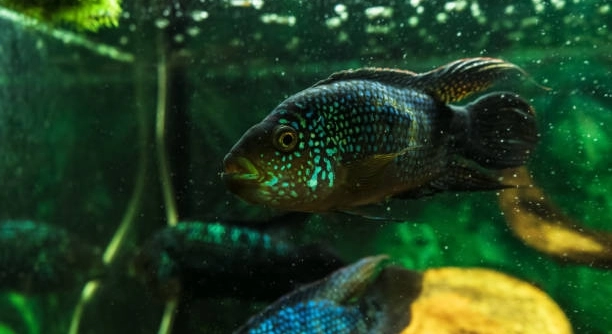
Raising Jack Dempsey fry can feel rewarding yet delicate, especially during early growth stages. Proper feeding habits support steady development, strong immunity, and calmer behavior while helping new keepers feel confident and prepared each day.
Jack Dempsey fry should be fed small portions three to five times daily to match rapid metabolism. Frequent feeding supports growth and reduces aggression. Portions must be minimal, spaced, and adjusted as fry mature to prevent waste and quality decline.
Schedules, portion sizes, and food choices shape survival rates, coloration, and confidence, creating a smoother path from fry to juveniles.
Feeding Frequency During Early Growth
I learned early that Jack Dempsey fry thrive on consistency rather than large meals. During the first weeks, their bodies burn energy quickly, requiring frequent but controlled feeding. Offering small portions several times daily helps maintain steady growth without stressing digestion. Newly hatched fry respond best to fine foods like baby brine shrimp, microworms, or powdered fry blends. Each feeding should be finished within minutes to limit waste and protect water quality. Skipped meals can slow development, while excess food can foul the tank rapidly. Observing their behavior after feeding offers clues about adjustments. Active swimming and full bellies suggest balance, while leftover food signals the need to reduce portions. This routine builds healthier juveniles and reduces losses during fragile stages. With patience and simple structure, feeding becomes less stressful, allowing me to focus on clean water, stable temperatures, and watching subtle changes in size and color daily over time.
Young fry benefit from evenly spaced feedings rather than irregular schedules. I stick to morning, afternoon, and evening times to create stability. This rhythm supports digestion, limits aggression, and makes daily care predictable, especially in busy households. Consistency also helps me notice changes faster when something feels off with fry.
As fry grow, feeding frequency slowly decreases while portions increase slightly. Around four to six weeks, three daily feedings are usually enough. Foods can expand to crushed flakes, finely chopped pellets, and frozen options. I transition gradually to avoid digestive stress. Monitoring growth rates helps guide timing. Uneven sizes may require separating faster growers. Clean water remains essential, as heavier feeding increases waste. Regular siphoning and gentle filtration keep conditions stable. Balanced feeding during this stage shapes stronger coloration, better fin development, and calmer tank behavior later. These adjustments made my care routine feel calmer and more controlled overall daily.
Common Feeding Mistakes to Avoid
Overfeeding is the most common mistake when raising Jack Dempsey fry. Excess food clouds water, stresses developing organs, and encourages uneven growth. Feeding more often does not replace proper portions, and restraint is necessary even when fry appear eager. I learned this after correcting cloudy tanks and slow recovery periods.
Another issue involves feeding foods that are too large or nutritionally weak. Fry require protein rich options that fit their small mouths. Large particles often sink uneaten, breaking down and harming water quality. I avoid rushing transitions and watch how easily food is consumed. Skipping observation leads to missed warning signs like bloating or sluggish movement. Inconsistent schedules can also disrupt growth patterns, especially during early weeks. I found that sticking to a routine reduced stress for both the fish and me. Clean water supports feeding success, so maintenance cannot be separated from diet. Gentle filtration, frequent water changes, and careful portioning work together. When feeding is controlled, fry grow more evenly, display stronger activity, and show fewer losses over time. Small adjustments make a noticeable difference in overall results. I pay close attention to tank conditions after each feeding. Temperature swings, poor aeration, or overcrowding can amplify feeding problems. Separating sizes helps reduce competition. Patience matters, as growth varies naturally. By correcting small errors early, long term stability improves, and care feels simpler and more rewarding overall. These habits developed gradually and supported healthier fry outcomes without constant adjustments or guesswork during routine maintenance and daily observation periods consistently.
Adjusting Feeding as Fry Mature
I reduce feedings as fry mature, shifting from frequent snacks to structured meals. Growth slows slightly, digestion strengthens, and portions increase carefully. This balance prevents waste buildup while supporting steady size gains, better fin formation, and calmer tank behavior during juvenile development over time with consistent observation and routine care.
As fry reach several weeks old, I begin spacing meals further apart. Three daily feedings usually meet nutritional needs without overwhelming filtration. Portions become slightly larger, yet still small enough to finish quickly. At this stage, crushed flakes and soft pellets help transition away from live foods. I watch body shape closely, aiming for rounded bellies without bloating. Uneven growth may signal competition or feeding imbalance. Separating sizes can restore balance and reduce stress. Stable water conditions support digestion, so feeding adjustments always pair with careful maintenance and observation during this sensitive stage of juvenile development and long term stability.
Reducing feedings too quickly can stall growth, while delaying adjustments leads to water quality decline. I prefer gradual changes over sudden shifts. Observing waste levels, activity, and coloration guides timing. Fry that hover listlessly often need refinement in feeding structure. Consistent schedules help regulate appetite and digestion. Automatic feeders are avoided during this phase, as manual feeding allows better control. Each tank develops differently, so flexibility matters. Adapting feeding routines alongside growth ensures fry remain strong, responsive, and evenly developed throughout their early juvenile period with fewer losses and improved long term outcomes overall under attentive daily care and monitoring.
Choosing the Right Foods
Food selection shapes growth speed and health. I focus on protein rich options sized correctly for fry mouths. Live and frozen foods encourage strong feeding responses, while dry foods add consistency. Rotating options prevents nutritional gaps. Poor quality foods often create excess waste. Matching food texture to mouth size improves intake, digestion, and water clarity during daily feeding routines especially when stocking levels increase slightly over time within controlled tank conditions and stable environments overall.
Newly hatched fry benefit most from baby brine shrimp and microworms due to digestibility. As growth continues, finely crushed flakes and softened pellets become appropriate. I avoid fillers and low protein formulas that slow development. Feeding variety supports immune strength and coloration. Preparation matters, soaking dry foods prevents floating and air intake. Frozen foods are thawed fully to reduce shock. Portion control remains critical, regardless of food type. Uneaten particles must be removed promptly. Observing feeding response helps refine choices. When fry eat eagerly and evenly, food selection is working as intended. I adjust options slowly, watching waste levels, activity, and growth patterns daily to avoid setbacks and maintain stable conditions that support long term fry health without unnecessary stress or losses over time periods.
Water Quality and Feeding Balance
Clean water directly affects how often fry should be fed. Heavy feeding without maintenance leads to waste buildup, stress, and slower growth. I pair each feeding increase with extra siphoning and partial water changes to keep conditions stable and digestion efficient. This routine reduces losses and supports consistent daily development.
Overlooking water quality often causes feeding problems to appear worse than they are. Cloudy water limits oxygen and irritates fry. I learned that fewer feedings with cleaner water outperform frequent meals in poor conditions. Stable parameters allow nutrients to be absorbed properly during each feeding period consistently over time safely.
Tank Size and Stocking Density
Tank size and stocking density influence feeding success more than expected. Crowded fry compete aggressively, leading to uneven growth and stress. I keep numbers conservative to ensure equal access to food. More space allows fry to spread out and feed calmly. When tanks feel crowded, I notice faster waste buildup and missed meals. Separating batches by size improves feeding response and reduces losses. Adequate space also supports stable water parameters, which directly affects digestion. Feeding routines become easier when fry are not forced to compete constantly for limited resources. This balance supports healthier growth patterns overall long term tank stability.
Observing Feeding Behavior
Observation remains the most reliable feeding tool. I watch how quickly food disappears and how fry behave afterward. Active swimming and full bellies signal balance. Leftovers or sluggish movement tell me adjustments are needed immediately. Daily attention prevents small issues from becoming serious losses later during early growth stages consistently.
FAQ
How often should Jack Dempsey fry be fed each day?
Jack Dempsey fry do best with frequent, small feedings due to their fast metabolism. In the first few weeks, feeding three to five times daily supports steady growth without overwhelming digestion. I keep portions tiny, offering only what they finish quickly. As they grow, frequency can slowly decrease while portions increase. Consistency matters more than exact timing. Even spacing prevents hunger stress and reduces aggressive behavior. Skipping meals too often slows development, while feeding too heavily creates waste issues. Finding balance comes from daily observation rather than strict rules.
What happens if Jack Dempsey fry are overfed?
Overfeeding leads to poor water quality, which directly impacts fry health. Excess food breaks down quickly, raising ammonia levels and lowering oxygen. I noticed fry become sluggish and less responsive when water quality drops. Overfeeding can also cause bloating and uneven growth. Fry may appear full, yet still suffer internally. Reducing portions usually solves the issue faster than adding filtration. Clean water allows proper nutrient absorption. Feeding less but maintaining quality often results in stronger, more active fry within days.
Can Jack Dempsey fry survive on flakes alone?
Fry can survive on finely crushed flakes, but growth may be slower without added protein sources. I prefer combining flakes with live or frozen foods during early stages. Baby brine shrimp and microworms promote faster growth and stronger immune response. Flakes become more useful as fry mature and mouth size increases. Quality matters, as low protein formulas lead to poor results. Variety ensures balanced nutrition. Using flakes alone requires close monitoring to avoid deficiencies and uneven development.
How do I know if fry are eating enough?
I watch belly size and behavior after feeding. Slightly rounded bellies and active swimming indicate proper intake. Fry that hover near the bottom or ignore food often need adjustments. Uneaten food is another sign portions are too large. Growth should appear steady rather than sudden. Comparing size over time helps track progress. Daily observation reveals patterns quickly. Adjustments should be small and gradual to avoid stress.
Should feeding change as fry grow larger?
Yes, feeding must evolve with growth. As fry mature, digestion improves and metabolism slows slightly. I reduce feeding frequency while increasing portion size gradually. Around one month old, three meals daily are usually enough. Food texture also changes, moving toward crushed pellets and flakes. Sudden changes can stall growth. Gradual transitions support stability. Matching feeding habits to growth stage keeps development steady.
Is live food necessary for Jack Dempsey fry?
Live food is not mandatory, but it offers clear benefits. Fry respond strongly to movement, which improves feeding response. I found survival rates improved when live foods were included early. Live options are easier to digest and support natural growth patterns. Frozen alternatives can substitute if prepared properly. Dry foods alone require more attention. Including live foods early simplifies feeding routines and reduces waste issues.
How does tank cleanliness affect feeding schedules?
Tank cleanliness determines how often fry can be fed safely. Heavy feeding demands frequent water changes. When water stays clean, fry digest food more efficiently. Poor conditions reduce appetite and growth. I always pair increased feeding with extra maintenance. Siphoning debris after meals prevents buildup. Clean tanks allow flexibility in feeding frequency. Ignoring cleanliness limits how much fry can eat without harm.
Why are some fry growing faster than others?
Uneven growth is common and often linked to competition. Larger fry dominate feeding areas, leaving smaller ones behind. I separate sizes to restore balance. Feeding frequency alone cannot fix size gaps. Tank space and food distribution matter. Genetics also play a role. Early separation reduces stress and losses. Observing feeding behavior helps identify issues early.
Can automatic feeders be used for fry?
I avoid automatic feeders during early stages. Fry need precise portions that machines cannot adjust well. Overfeeding risks increase significantly. Manual feeding allows observation and control. Automatic feeders may work later for juveniles, but early fry benefit from hands-on care. Personal involvement improves results and reduces guesswork.
What signs suggest feeding adjustments are needed?
Cloudy water, leftover food, sluggish movement, and bloating all signal problems. I respond quickly when these appear. Feeding less often or reducing portions usually helps. Ignoring early signs leads to losses. Healthy fry remain active and responsive. Feeding routines should feel calm and predictable. Observation guides every adjustment I make.
Final Thoughts
Feeding Jack Dempsey fry is less about strict rules and more about steady awareness. What worked best for me was paying attention to small details each day rather than chasing perfect schedules. Fry grow quickly, and their needs shift often, especially in the first weeks. Frequent, small feedings paired with clean water create a stable base for healthy development. When feeding felt overwhelming, I reminded myself that consistency mattered more than perfection. Fry respond well to calm routines, predictable care, and gradual changes. Rushing adjustments or reacting too quickly often caused more stress than improvement. Keeping things simple helped me stay focused on growth, behavior, and water conditions without overcomplicating the process.
As fry mature, feeding becomes easier to manage, but observation remains important. Reducing feedings slowly while adjusting portions prevents setbacks. Food quality, portion control, and tank cleanliness continue to work together, even as fry become juveniles. I learned that feeding alone never solves problems if water quality is ignored. Clean tanks allow fry to use nutrients properly, while poor conditions cancel out even the best diets. Watching how fry eat, swim, and rest offers constant feedback. These signs guide better decisions than charts or rigid timelines. Each group of fry develops at its own pace, and flexibility helps support that natural variation without frustration.
Overall, successful feeding comes from balance. Too much food creates stress, while too little slows growth. Live, frozen, and dry foods each serve a role when used thoughtfully. Spacing meals evenly, maintaining water quality, and adjusting as fry grow builds confidence over time. I found that patience was the most useful tool. Losses decrease when care feels calm and deliberate. Feeding stops feeling like guesswork and becomes a steady rhythm. With attention and restraint, Jack Dempsey fry grow stronger, more even, and more resilient. The process becomes less about constant correction and more about supporting healthy habits that carry forward into adulthood.

Hello,
If you enjoy the content that we create, please consider saying a "Thank You!" by leaving a tip.
Every little bit helps us continue crafting quality advice that supports the health, happiness, and well-being of pets around the world, for pets of all shapes, sizes, and species.
We really appreciate the kindness and support that you show us!