
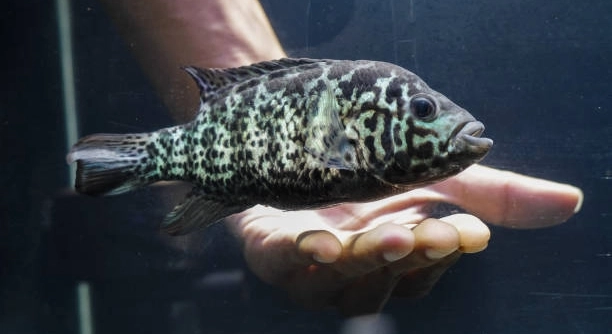
Keeping a Jack Dempsey fish can be rewarding, yet sudden aggression may disrupt the balance of your aquarium and daily routine for attentive fish keepers seeking a calmer environment at home with proper care practices.
Calming an angry Jack Dempsey fish involves optimizing tank conditions, reducing environmental stressors, and maintaining consistent care routines. Proper space, stable water parameters, compatible tank mates, and predictable feeding schedules collectively lower aggression levels and promote behavioral responses over time.
Learning these practical methods helps create a peaceful aquarium while supporting your fish overall comfort, stability, and long-term well-being daily.
Provide Adequate Tank Space
Jack Dempsey fish become aggressive when they feel cramped or overstimulated within their environment. Providing adequate tank space allows natural movement, reduces territorial behavior, and supports healthier interaction patterns. A larger aquarium helps distribute visual boundaries and minimizes constant confrontation. I have found that spacious tanks create calmer routines and fewer sudden displays of dominance. Decorations should be arranged to break lines of sight while still leaving open swimming areas. Overcrowding increases stress hormones, which directly influences aggression levels. By allowing room to retreat, the fish feels less pressure to defend every inch. Proper tank size also improves water stability, which further supports calmer behavior. Consistent spacing encourages predictable activity and reduces sudden outbursts. This approach forms the foundation of a peaceful setup. Over time, this balance supports steady habits, clearer coloration, improved appetite, and a more relaxed presence throughout daily observation and maintenance routines for long term success overall.
A tank of at least fifty five gallons gives this species room to settle without constant tension. Larger setups are easier to maintain and reduce reactive behavior caused by crowding stress. This adjustment alone often leads to visible calmness within weeks of consistent conditions and predictable daily maintenance schedules applied.
When upgrading tank size, gradual transitions are important. Sudden changes can trigger defensive reactions rather than calm responses. I prefer adjusting decor slowly while monitoring behavior closely. Adding caves, rocks, and plants should follow a balanced layout that avoids overcrowding. Lighting should remain moderate to prevent overstimulation. Stable temperature and filtration reinforce calm behavior during adjustments. Feeding routines should remain unchanged during this period. Consistency reassures the fish and supports adaptation without added pressure.
Maintain Stable Water Conditions
Unstable water parameters can intensify aggressive behavior in Jack Dempsey fish. Consistent temperature, clean filtration, and balanced chemistry help reduce internal stress responses significantly.
Water quality directly affects mood and activity levels in cichlids. Fluctuations in temperature, pH, or ammonia create discomfort that often presents as aggression. I make a habit of testing water weekly and performing small, regular water changes. Reliable filtration prevents waste buildup and supports oxygen levels. Keeping the temperature steady within the recommended range helps maintain metabolic balance. Sudden changes should always be avoided, as they disrupt internal regulation. When water conditions remain predictable, the fish shows fewer defensive displays. Clear water also improves visibility, reducing startle responses. This steady environment encourages calm swimming patterns and longer resting periods. Over time, consistent water care supports stable behavior and healthier overall development.
Choose Compatible Tank Mates
Jack Dempsey fish react strongly to constant threats from incompatible tank mates. Aggressive or fast moving species increase tension and trigger defensive behavior. Selecting calmer, similarly sized fish reduces visual stress and lowers the need for constant territory protection inside the aquarium for daily stability and reduced confrontations overall consistently.
Compatible tank mates help create predictable social patterns within the aquarium. I avoid pairing Jack Dempseys with fin nippers or highly territorial cichlids. Instead, medium sized, calm species allow shared space without constant displays. Proper grouping reduces chasing, limits physical contact, and supports natural exploration. Introducing new fish should be done slowly using visual barriers when possible. Observation during early days helps prevent escalation. Feeding evenly across the tank also minimizes competition. When social balance improves, the Jack Dempsey spends more time swimming calmly rather than guarding one area aggressively. This adjustment promotes consistent behavior and visible relaxation over time.
Stress from poor social pairing often builds gradually and shows through aggression. I have noticed reduced color darkening once compatibility improves. Less flaring and fewer sudden charges indicate comfort. Maintaining stable group dynamics requires patience and occasional adjustments. Removing problematic fish may be necessary. Rearranging decor can reset territory boundaries and reduce fixation. Monitoring interactions daily ensures early signs are addressed. A calm social structure supports healthier feeding, better rest cycles, and longer periods of relaxed behavior throughout the aquarium. This balance lowers stress hormones and improves overall tank harmony consistently over extended periods with attentive care routines applied carefully.
Adjust Feeding Practices
Feeding routines directly influence aggression levels in Jack Dempsey fish. Irregular schedules or excessive portions increase competition and defensive behavior. I stick to consistent feeding times and measured amounts. High quality pellets and varied protein sources meet nutritional needs without overstimulation. Spreading food across the tank prevents guarding. Calm feeding conditions reduce rapid movements and support predictable, relaxed responses during daily care routines that reinforce stability and reduce unnecessary excitement over time steadily overall behavior.
Overfeeding often leads to restlessness and heightened territorial behavior. I have learned that smaller portions offered once or twice daily work best. Allowing food to sink slowly encourages steady movement rather than frantic chasing. Skipping occasional feedings can also help reset expectations. Consistency matters more than quantity. Observing feeding reactions provides insight into stress levels. Aggressive lunging usually signals imbalance. Adjusting portions gradually prevents sudden behavioral shifts. Proper nutrition supports immune health and energy regulation. When feeding remains calm and predictable, the Jack Dempsey maintains a more balanced temperament and interacts with its environment in a controlled manner. This approach reduces conflict, supports digestion, and helps establish daily rhythms that promote long term behavioral stability within well maintained aquariums under consistent care practices over time.
Reduce Visual Stress
Excessive visual stimulation can keep a Jack Dempsey fish in a constant defensive state. Bright lights, constant movement, and uncovered tank sides increase alert behavior. Reducing light intensity and limiting sudden activity nearby helps the fish remain calm and focused on routine movement throughout the day and night cycles consistently.
Background stress often comes from busy rooms or frequent disturbances. I place tanks away from televisions, doors, and speakers. Using a solid background on the aquarium glass also limits reflections. These changes reduce perceived threats and allow the fish to settle without constant vigilance during normal daily activity periods indoors.
Rearrange Tank Decor
Rearranging tank decor can interrupt territorial fixation in Jack Dempsey fish. Moving rocks, caves, and wood pieces resets claimed areas and reduces aggressive guarding. I change layouts slowly, keeping hiding spots available. This adjustment encourages exploration instead of defense. Balanced decor spacing improves swimming flow and lowers confrontation. After rearranging, behavior often softens within days. Monitoring reactions is important, as excessive changes may increase stress. Subtle shifts work best. This method supports calmer interactions, better use of space, and renewed comfort without altering tank size or social structure over extended care periods with consistent observation and patience applied carefully daily.
Limit Mirror Effects
Reflections can trigger repeated aggression in Jack Dempsey fish. Exposed glass sides may appear as rival intruders. Covering unused sides with backgrounds or plants reduces this response. I noticed fewer flares once reflections were minimized, allowing calmer swimming patterns and longer resting periods during normal daylight hours and evening routines.
FAQ
Why is my Jack Dempsey fish suddenly more aggressive than usual?
Sudden aggression is often linked to environmental changes rather than personality shifts. Water fluctuations, new tank mates, or rearranged decor can increase stress quickly. I have noticed behavior changes within days of missed maintenance. Even small temperature shifts matter. Returning conditions to stable levels usually helps restore calm behavior over time.
Can poor water quality really affect my fish mood?
Yes, water quality has a direct impact on behavior. Elevated ammonia or unstable pH causes discomfort that often shows as aggression. I test water weekly to avoid this issue. Clean water supports proper oxygen levels and metabolic balance. When water stays stable, the fish reacts less defensively.
Does tank size influence aggressive behavior?
Tank size plays a major role in stress levels. Limited space forces constant territory defense. I found that upgrading to a larger tank reduced chasing and flaring noticeably. More space allows retreat and exploration. This reduces the need for dominance displays and supports calmer daily routines.
How often should I feed my Jack Dempsey to reduce aggression?
Feeding once or twice daily in measured portions works best. Overfeeding increases energy spikes and competition. I keep feeding times consistent to create predictable behavior. Spreading food across the tank prevents guarding. Calm feeding reduces excitement and aggressive reactions.
Are Jack Dempsey fish aggressive by nature?
They are naturally territorial but not uncontrollable. Aggression increases when needs are unmet. Proper space, stable water, and compatible tank mates help manage behavior. I see calmer patterns when care routines remain consistent. Their behavior reflects the environment provided.
Can lighting affect my fish stress levels?
Lighting has a strong effect on alertness. Bright or irregular lighting increases vigilance. I use moderate lighting on a set schedule. This supports natural rest cycles. Reduced glare helps prevent constant monitoring behavior. A calm light environment promotes steady movement.
Is it normal for aggression to increase during tank cleaning?
Yes, temporary aggression during cleaning is common. Disturbing decor and water movement can cause short term stress. I clean gently and avoid full rearrangements. Behavior usually settles within hours. Consistent cleaning routines reduce this response over time.
Do reflections really cause aggressive behavior?
Reflections can appear as rivals. Uncovered glass sides often trigger repeated flaring. I noticed improvement after adding backgrounds. Reducing mirror effects lowers perceived threats. This simple adjustment supports calmer swimming and longer resting periods.
Should I remove aggressive tank mates immediately?
Immediate removal is not always necessary, but observation is important. Persistent chasing or injury signals incompatibility. I separate fish if behavior does not improve after adjustments. Social balance matters. Removing one fish can restore stability quickly.
Can rearranging decor help long term aggression?
Yes, decor changes reset territory boundaries. I move items gradually to avoid added stress. This encourages exploration instead of guarding. When done carefully, aggression often decreases. Subtle changes work better than frequent major shifts.
Does temperature affect aggression levels?
Temperature changes affect metabolism and mood. High temperatures may increase activity and tension. I keep temperatures stable within recommended ranges. Sudden changes should be avoided. Consistent warmth supports predictable behavior and energy balance.
How long does it take to see calmer behavior after changes?
Behavior improvement varies. Some changes show results within days, others take weeks. I track behavior patterns rather than expecting instant results. Consistency is key. Gradual improvement usually indicates reduced stress and better adaptation.
Can stress cause color changes in Jack Dempsey fish?
Yes, stress often darkens coloration. I notice brighter, more even colors when conditions improve. Color shifts act as visual indicators. Monitoring these changes helps assess comfort levels. Stable care supports healthier appearance.
Is aggression a sign of illness?
Aggression alone does not confirm illness, but sudden changes warrant observation. Loss of appetite or lethargy alongside aggression may signal issues. I monitor closely and test water first. Most cases relate to environmental stress rather than disease.
What is the most effective way to keep aggression low long term?
Consistency across all care areas matters most. Stable water, proper space, predictable feeding, and low visual stress work together. I focus on routine rather than constant changes. This approach supports calm behavior and long term stability.
Final Thoughts
Calming an angry Jack Dempsey fish is not about changing one single factor. It is about creating an environment that feels stable, predictable, and supportive over time. Small adjustments often make the biggest difference. Tank size, water quality, lighting, decor placement, and feeding routines all work together to influence behavior. When these elements remain consistent, stress levels naturally decrease. I have learned that reacting too quickly or making frequent changes often causes more tension. Patience allows the fish to adjust without feeling threatened. Aggression usually signals discomfort rather than bad temperament. Paying attention to patterns helps identify what needs improvement. A calm aquarium is built through steady care rather than constant correction. When conditions improve, behavior often follows without forceful intervention.
Observing daily behavior provides valuable insight. Changes in swimming patterns, color intensity, and feeding response reflect comfort levels clearly. I rely on these signs more than assumptions. When the fish spends more time exploring and less time guarding, progress is evident. Consistent routines help establish trust in the environment. Feeding at the same time, maintaining water parameters, and limiting sudden disruptions all contribute to calmer behavior. It is important to remember that Jack Dempsey fish are territorial by nature, yet they respond well to balanced care. Aggression does not disappear overnight, but it softens as stress reduces. Each improvement builds upon the last. Over time, the aquarium becomes a stable space rather than a constant source of stimulation. This steady approach supports long term behavioral balance.
Long term success comes from understanding that every aquarium setup is unique. What works well in one tank may need adjustment in another. I focus on gradual refinement instead of drastic changes. This method allows the fish to adapt without feeling pressured. Maintenance becomes easier when aggression decreases, and daily observation feels more rewarding. A calm Jack Dempsey fish displays stronger coloration, consistent appetite, and relaxed movement. These signs indicate comfort and stability. Creating this environment requires commitment, but the results are noticeable and lasting. When care routines align with the fish natural needs, behavior becomes manageable and predictable. This balance supports both the fish well being and a more enjoyable aquarium experience overall.

Hello,
If you enjoy the content that we create, please consider saying a "Thank You!" by leaving a tip.
Every little bit helps us continue crafting quality advice that supports the health, happiness, and well-being of pets around the world, for pets of all shapes, sizes, and species.
We really appreciate the kindness and support that you show us!