
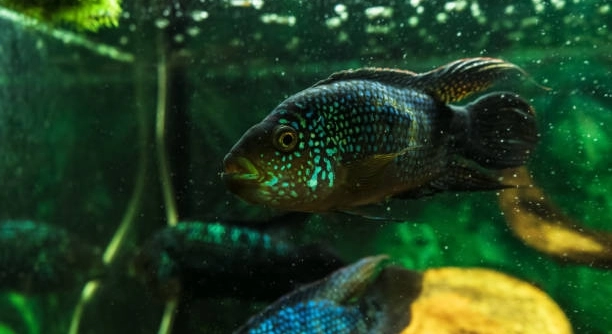
Jack Dempsey fish are striking and lively additions to home aquariums, but their care can be challenging. Many owners encounter issues that affect their health, behavior, and overall well-being, often without realizing the causes behind these problems.
Jack Dempsey fish can experience stress due to poor water quality, overcrowding, aggressive tank mates, inadequate diet, sudden temperature changes, lack of hiding spaces, and improper tank maintenance. Addressing these factors systematically reduces stress and promotes healthier, more active fish.
Understanding these stressors can improve your fish’s life significantly. Each factor plays a role in keeping your Jack Dempsey healthy and thriving.
Inadequate Diet
A balanced diet is essential for Jack Dempsey fish to remain healthy and active. Feeding only one type of food can lead to nutrient deficiencies, dull coloration, and weakened immunity. These fish thrive on a mix of high-quality pellets, live or frozen foods like bloodworms and brine shrimp, and occasional vegetables. Overfeeding is equally harmful, causing water contamination and obesity. Portion control and scheduled feeding maintain their digestive health and energy levels. Observing their eating habits helps identify stress or illness early, as loss of appetite is a common sign of discomfort. Fresh, varied food supports vibrant colors, strong growth, and active behavior. Supplementing with vitamins or minerals is sometimes necessary, especially in tanks with limited natural enrichment. Paying attention to feeding practices and ensuring the right nutrients are delivered consistently can significantly reduce stress and support long-term health.
Proper nutrition keeps Jack Dempsey fish strong and vibrant. Variety matters.
Feeding should be consistent but moderate. Avoid leftovers and monitor behavior. Mix pellet and live foods for balanced nutrition.
Sudden Temperature Changes
Temperature stability is crucial for Jack Dempsey fish, as fluctuations can trigger stress and illness. Sudden drops or spikes in water temperature affect metabolism, immune response, and behavior.
Maintaining a steady temperature using a reliable heater prevents shock. Gradual adjustments are necessary during seasonal changes or water replacements.
Even small temperature swings can reduce activity, trigger hiding, or make fish more vulnerable to disease. Monitoring with an accurate thermometer helps catch issues early. Positioning the heater properly ensures even heat distribution throughout the tank. During water changes, using pre-heated water avoids sudden shifts. Covering the tank minimizes heat loss and protects against drafts. Consistent temperature promotes regular feeding, stable behavior, and overall health. Over time, maintaining a stable environment reduces stress, prevents illness, and keeps Jack Dempsey fish displaying their natural, vibrant behavior. Adjusting slowly and monitoring daily ensures a safe, comfortable habitat.
Lack of Hiding Spaces
Hiding spaces reduce stress by giving Jack Dempsey fish places to feel secure. Without shelter, they can become anxious, aggressive, or withdrawn. Rocks, plants, and driftwood help create territories and resting areas.
Providing adequate hiding spots supports natural behavior and reduces conflict. Dense plants or caves allow fish to retreat when threatened or stressed. Even simple decorations can make a significant difference in comfort and confidence. These spaces also help during feeding or breeding, giving each fish a chance to feel safe. A well-structured tank encourages exploration while minimizing constant exposure to stressors.
Regularly adjusting the arrangement keeps the environment engaging. Rotating plants or adding new decorations can prevent boredom and maintain mental stimulation. Observing the fish ensures they use hiding spaces appropriately. Ensuring both open swimming areas and secure retreats balances activity and safety. Well-planned shelter supports healthier interactions among tank mates, reduces territorial aggression, and allows Jack Dempsey fish to express natural behaviors without constant tension, improving overall well-being.
Improper Tank Maintenance
Routine tank maintenance is essential to prevent stress and health issues. Skipping cleanings or filter care leads to poor water conditions and disease.
Regular water changes, substrate cleaning, and filter checks are necessary. Consistent monitoring ensures parameters stay stable, reducing stress-related behaviors.
Neglecting tank maintenance can cause ammonia spikes, algae overgrowth, and bacterial infections. Uneaten food and debris accumulate in corners and substrate, creating unhealthy conditions. Regular cleaning helps prevent these problems while maintaining water clarity and oxygen levels. Filters should be rinsed in aquarium water to preserve beneficial bacteria. Partial water changes of 20–30% weekly help maintain stable conditions. Observing the tank during maintenance allows early detection of issues such as unusual behavior or physical signs of illness. Keeping the environment clean ensures Jack Dempsey fish remain active, colorful, and healthy, while also preventing aggression triggered by stress. Consistency in care fosters a stable and thriving habitat.
Overcrowding
Too many fish in one tank increases stress and aggression among Jack Dempsey fish. Limited space leads to constant territorial disputes and reduced swimming areas.
Overcrowding also impacts water quality, as more waste accumulates faster. Ensuring proper tank size and population balance keeps fish calmer and healthier.
Sudden Light Changes
Rapid changes in lighting can startle Jack Dempsey fish, causing stress and hiding behavior. Gradual adjustments help them adapt.
Using timers or dimming lights slowly prevents sudden shocks. Consistent day-night cycles support natural rhythms, reduce anxiety, and maintain normal feeding and activity patterns.
Disease Outbreaks
Illness is a major stress factor for Jack Dempsey fish. Poor water, diet, or aggressive interactions increase susceptibility. Early detection and quarantine are essential.
Monitoring for unusual spots, fin damage, or lethargy allows prompt treatment. Quarantining new or sick fish prevents disease spread. Regular maintenance, balanced diet, and stable conditions support immunity. Prompt intervention reduces stress and prevents long-term health issues.
Inconsistent Feeding
Irregular feeding schedules can unsettle Jack Dempsey fish and cause stress. Consistency supports metabolism and behavior.
Providing food at the same times daily encourages routine. Avoid skipping or overfeeding meals, ensuring fish remain healthy and active.
FAQ
What is the ideal tank size for a Jack Dempsey fish?
Jack Dempsey fish need ample space to swim and establish territories. A single adult requires at least a 55-gallon tank. For multiple fish, 75 gallons or more is recommended to reduce aggression and overcrowding. Proper spacing helps maintain water quality and allows natural behavior.
How often should I change the water?
Water changes should be done weekly, replacing about 20–30% of the tank. Frequent partial changes maintain stable water parameters and prevent ammonia or nitrate buildup. Using dechlorinated, temperature-matched water ensures minimal stress during changes.
What temperature should I keep the tank at?
The ideal temperature range for Jack Dempsey fish is 75–82°F (24–28°C). Stability is key, as sudden shifts can cause stress, reduce immunity, and trigger hiding or aggression. A reliable heater and thermometer help maintain consistent conditions.
What foods are best for Jack Dempsey fish?
They thrive on a mix of high-quality pellets, live or frozen foods like bloodworms, brine shrimp, and occasional vegetables. A varied diet supports color, growth, and overall health. Overfeeding should be avoided to maintain water quality.
How can I reduce aggression in the tank?
Provide hiding spaces, maintain proper tank size, and choose compatible tank mates. Avoid overcrowding, and observe fish behavior regularly. Adjusting the layout or separating aggressive individuals prevents stress and injury.
How do I know if my Jack Dempsey fish is stressed?
Signs include faded coloration, hiding, loss of appetite, erratic swimming, and aggression. Stress can result from poor water, improper diet, or tank conditions. Observing daily behavior helps catch problems early and allows for corrective action.
Should I quarantine new fish before adding them?
Yes, quarantining new fish for at least 2–4 weeks prevents introducing disease to the main tank. Monitor for signs of illness like spots, fin damage, or lethargy before mixing them with established fish.
Can Jack Dempsey fish live with other species?
They can, but careful selection is essential. Avoid smaller or overly aggressive fish. Choose medium to large, non-aggressive species that can tolerate similar water conditions. Proper hiding spaces reduce conflict.
What are common diseases I should watch for?
Ich, fin rot, and bacterial infections are common. Poor water quality, stress, and injuries increase susceptibility. Early detection and treatment, along with maintaining clean water, prevent severe outbreaks.
How important is tank decoration for their well-being?
Decorations like rocks, driftwood, and plants create hiding spaces and territories. These reduce stress, allow natural behaviors, and help prevent aggression. A well-planned layout encourages activity while providing security.
How can I maintain water quality efficiently?
Use a reliable filter, perform regular partial water changes, remove uneaten food, and clean substrate. Monitoring ammonia, nitrite, nitrate, and pH levels keeps conditions stable and stress low.
Can stress affect their lifespan?
Yes, prolonged stress weakens the immune system, increases susceptibility to disease, and can shorten lifespan. Maintaining stable water, a proper diet, and a well-structured environment ensures healthier, longer-living fish.
How do I handle breeding stress?
Breeding increases territorial behavior and aggression. Provide ample hiding spots, separate breeding pairs if needed, and maintain optimal water conditions. Reducing external stressors ensures safer reproduction and healthier fry.
Is lighting important for Jack Dempsey fish?
Consistent lighting supports natural rhythms and reduces anxiety. Avoid sudden changes. Using timers or gradual dimming during transitions prevents stress and encourages normal feeding and activity.
Can diet changes cause stress?
Sudden diet changes may upset digestion and behavior. Introduce new foods gradually, mixing them with familiar options. Balanced nutrition ensures growth, coloration, and overall well-being without causing unnecessary stress.
How do I know if my tank is overcrowded?
Signs include constant chasing, reduced swimming space, poor water quality, and heightened aggression. Proper stocking density, around one adult per 20 gallons, maintains a calmer, healthier environment.
Are Jack Dempsey fish sensitive to water chemistry?
Yes, they prefer slightly hard, neutral to slightly alkaline water (pH 6.5–8.0). Sudden changes in pH, hardness, or temperature can stress them. Regular testing and gradual adjustments prevent health issues.
Can Jack Dempsey fish recover from stress?
Yes, with proper care. Stabilizing water, providing hiding spaces, correcting diet, and minimizing aggression allows fish to regain normal behavior. Recovery may take days to weeks depending on the severity of stress.
What is the best way to observe stress without disturbing the fish?
Watch from a distance and note changes in swimming patterns, coloration, and interactions with tank mates. Avoid tapping the glass or making sudden movements that could increase anxiety.
How can I prevent future stress in my tank?
Maintain water quality, proper diet, consistent lighting, hiding spaces, and compatible tank mates. Regular monitoring and adjustments ensure a stable, comfortable environment, promoting long-term health and activity.
This FAQ addresses common concerns and practical steps to reduce stress and maintain the health of Jack Dempsey fish, ensuring a calm, thriving aquarium environment.
Final Thoughts
Jack Dempsey fish are beautiful and lively, but they require careful attention to thrive. Stress can affect their health, behavior, and appearance, so understanding the main stress factors is important. Maintaining clean, stable water is the foundation of their well-being. Regular testing for ammonia, nitrite, nitrate, and pH levels, along with proper filtration and partial water changes, helps prevent illness and supports their immune system. Temperature stability is equally important, as sudden fluctuations can cause shock or stress. A reliable heater and thermometer allow you to maintain consistent conditions. Paying attention to small details, like removing uneaten food and cleaning substrate, also reduces potential stressors in the tank. A stable environment encourages natural behavior and keeps your fish active and vibrant.
Diet plays a major role in reducing stress and promoting health. Feeding a variety of high-quality pellets, live or frozen foods, and occasional vegetables ensures that Jack Dempsey fish receive the nutrients they need. Overfeeding or irregular feeding schedules can cause digestive problems and water quality issues, which in turn increase stress. Observing their eating habits helps detect early signs of illness, such as loss of appetite or unusual behavior. Providing consistent feeding times and balanced nutrition supports their growth, coloration, and activity levels. Tank decoration and layout are also important for their mental and physical well-being. Rocks, plants, and driftwood create hiding spots and establish territories, which help reduce aggression and give fish a sense of security. Regularly adjusting the arrangement or adding new decorations can keep the environment stimulating while ensuring fish feel safe.
Interactions with other fish and the overall tank setup can further impact stress levels. Jack Dempsey fish are territorial, so careful selection of tank mates is essential. Avoid overcrowding and provide adequate swimming space to minimize conflict. Observing behavior regularly helps identify aggression or stress before it becomes serious. Hiding spots and visual barriers reduce territorial disputes, while consistent lighting supports their natural rhythms. Quarantining new fish prevents disease introduction, and early detection of illness reduces long-term stress. Proper tank maintenance, feeding, and monitoring work together to create a stable environment where Jack Dempsey fish can thrive. Paying attention to these factors ensures your fish remain healthy, active, and vibrant, giving them the best chance at a long and stress-free life.

Hello,
If you enjoy the content that we create, please consider saying a "Thank You!" by leaving a tip.
Every little bit helps us continue crafting quality advice that supports the health, happiness, and well-being of pets around the world, for pets of all shapes, sizes, and species.
We really appreciate the kindness and support that you show us!