
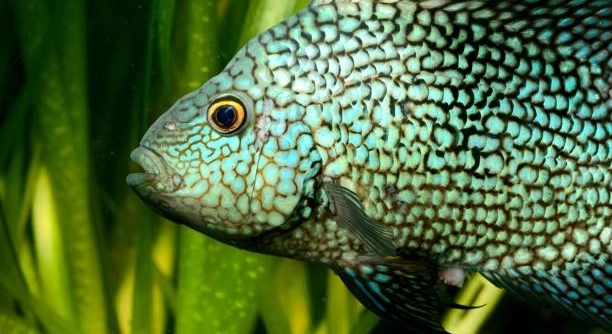
Have you ever wondered how to keep your Jack Dempsey fish calm and happy in a home aquarium? Managing their space and surroundings can make a big difference in their daily behavior and interactions.
Creating a peaceful tank for Jack Dempseys requires careful attention to tank size, hiding spots, water quality, and compatible tank mates. Proper arrangement and monitoring reduce stress, aggression, and territorial disputes, promoting healthier and more harmonious fish behavior.
Understanding these basic steps will make maintaining a calm environment easier. Small adjustments in the tank setup can lead to big improvements in your fish’s well-being.
Choosing the Right Tank Size
Jack Dempseys are active and territorial fish, so the tank size plays a major role in keeping them peaceful. A small tank can increase stress and aggression, leading to constant fighting among fish. Ideally, a single adult Jack Dempsey needs at least a 55-gallon tank, while multiple fish require 75 gallons or more. Bigger tanks give them space to swim freely, claim territories, and reduce the likelihood of conflict. Additionally, larger tanks make it easier to maintain stable water conditions, which is crucial for their health. Positioning decorations, rocks, and plants carefully can also create natural barriers, giving each fish a private area. Even small visual barriers can help limit aggression. When planning a tank, consider not only the current fish but also potential growth, as Jack Dempseys can reach 10-12 inches. A spacious environment sets the foundation for a calmer, healthier aquarium, ensuring your fish have both comfort and security.
Larger tanks naturally reduce stress and give each fish space, making daily interactions calmer and more manageable.
Space alone is not enough; how you arrange the tank matters just as much. Hiding spots and open swimming areas balance security and freedom, helping each fish feel at ease. Proper planning prevents conflicts and encourages natural behavior. Careful layout supports both health and peace.
Providing Hiding Spots
Hiding spots are essential for Jack Dempseys. They help fish feel safe and reduce aggression. Rocks, caves, and plants give them areas to retreat and rest.
Hiding spots break up line-of-sight between fish, preventing constant staring or chasing. They also mimic natural habitats, supporting normal behavior. Multiple secure areas ensure that dominant fish do not control the entire tank, giving shy fish a place to relax without stress. Placement is important: balance open swimming zones with secluded spots. Natural decorations like driftwood or tall plants create shelter while maintaining visual appeal. These retreats are particularly useful during feeding or when introducing new tank mates. Regular observation ensures hiding spots remain effective and clean. The presence of adequate shelters promotes harmony, allowing all fish to establish their own territories without fear. Over time, Jack Dempseys become more confident and less aggressive, making daily tank life easier for both the fish and the keeper. Creating multiple layers and textures adds interest and safety, resulting in a well-organized, peaceful tank.
Maintaining Water Quality
Stable water quality keeps Jack Dempseys healthy and calm. Regular testing and partial water changes prevent stress and aggression.
Filtration and consistent maintenance are key to reducing ammonia, nitrites, and nitrates. Jack Dempseys are sensitive to poor water conditions, which can trigger disease and irritability. Using a reliable filter, performing weekly water changes, and monitoring temperature and pH levels creates a stable environment. Clean water helps fish feel secure, supports their immune system, and encourages natural behavior. Overfeeding should be avoided, as leftover food can quickly degrade water quality. Keeping up with maintenance makes the tank predictable and safe for all fish, reducing conflict and stress.
Water changes should be measured and gradual to prevent shocking the fish. Sudden shifts in water parameters can increase aggression and harm health. Using a siphon for substrate cleaning and replacing 20-25% of water weekly is effective. Adding water conditioners ensures chlorine and chloramine are removed, protecting gills and skin. Monitoring temperature and pH daily or every few days allows for timely adjustments. Even small fluctuations can make Jack Dempseys restless or territorial. Consistency in routine creates a sense of stability, encouraging peaceful behavior. Proper maintenance is not just about cleanliness—it directly impacts the mood and safety of the fish.
Choosing Compatible Tank Mates
Jack Dempseys need companions that can handle their temperament. Avoid overly small or passive fish that may be bullied.
Selecting tank mates requires careful observation of behavior and size. Medium to large cichlids, certain catfish, and robust tetras can coexist if the tank is spacious and hiding spots are abundant. Introducing new fish gradually and monitoring interactions helps prevent attacks. Aggressive or highly territorial species can escalate conflicts, so choosing calm but assertive fish is ideal. Avoid overcrowding, as limited space intensifies disputes. Proper pairing allows Jack Dempseys to show natural behavior without harming others, fostering a more stable aquarium.
Tank mate selection also considers water parameters, feeding habits, and activity levels. Compatible species should tolerate similar pH, hardness, and temperature. Avoid fin-nipping species, as Jack Dempseys may respond aggressively. Matching activity levels prevents stress from constant chasing or hiding. Gradual acclimation of new fish reduces shock and aggression. Observing the group for a few days ensures harmony before adding more. Choosing the right companions not only minimizes conflict but encourages social interactions that appear natural and balanced. A thoughtful approach leads to a peaceful, thriving community tank.
Controlling Feeding Habits
Overfeeding can increase aggression among Jack Dempseys. Stick to a consistent schedule and measured portions.
Providing high-quality food in controlled amounts reduces competition and stress. Uneaten food should be removed promptly to maintain water quality and prevent disputes. Consistency in feeding creates a calmer, more predictable environment for all fish.
Adding Plants and Decorations
Live or artificial plants and decorations provide structure in the tank. They create boundaries and give Jack Dempseys areas to explore. Hiding spots reduce territorial conflicts and support natural behavior. Proper placement balances open swimming areas with sheltered zones.
Monitoring Fish Behavior
Regular observation helps detect early signs of stress or aggression. Sudden changes in behavior may indicate issues with tank setup or companions.
FAQ
How often should I feed my Jack Dempsey?
Jack Dempseys do well with a controlled feeding schedule. Feeding once or twice daily is usually sufficient. Provide only what they can finish in a few minutes. Overfeeding can lead to poor water quality, obesity, and increased aggression. High-quality pellets, frozen, or live foods support healthy growth. Observing their appetite helps adjust portions. Avoid leaving uneaten food in the tank, as it can decay and raise ammonia levels. Consistency in feeding times creates a sense of routine, which reduces stress and encourages calmer behavior in your fish.
Can Jack Dempseys live with other fish?
Yes, but careful selection is necessary. Jack Dempseys are territorial and may bully smaller, passive fish. Medium to large cichlids, catfish, and robust tetras can work as companions if the tank is large enough. Hiding spots and decorations help break line-of-sight, reducing conflict. Gradual introduction of new fish allows Jack Dempseys to adjust without escalating aggression. Avoid fin-nippers or overly timid species, as they can trigger attacks or stress. Monitoring interactions daily ensures any issues are caught early, maintaining a peaceful tank environment for all inhabitants.
How do I prevent aggression between Jack Dempseys?
Aggression often comes from limited space or territorial disputes. Using a large tank, providing multiple hiding spots, and arranging decorations strategically can reduce confrontations. Feeding separately or simultaneously in different areas prevents competition. Observing behavior and separating overly aggressive individuals is sometimes necessary. Consistent water quality and a stable environment also help minimize stress-related aggression. Avoid sudden changes in tank setup, as this can trigger disputes. Giving each fish enough personal space and resources encourages natural behavior without constant fighting. Small adjustments in layout and tank management can make a noticeable difference.
What water conditions are best for Jack Dempseys?
Jack Dempseys thrive in slightly hard water with a pH between 6.5 and 8.0. Temperatures around 74-80°F (23-27°C) are ideal. Stable parameters are crucial, as rapid changes stress the fish. Regular testing and partial water changes maintain safe levels of ammonia, nitrites, and nitrates. Using a reliable filter and adding water conditioners helps remove chlorine and chloramine. Keeping water conditions consistent prevents disease and reduces aggression. Observing fish daily for signs of stress, such as hiding or erratic swimming, indicates whether adjustments are needed. Proper water care directly impacts health and tank harmony.
Do Jack Dempseys need live plants?
Live plants are optional but beneficial. They create natural hiding spots, reduce aggression, and improve water quality by absorbing nitrates. Hardy plants like Anubias, Java fern, and Amazon sword are ideal since Jack Dempseys may uproot delicate species. Artificial plants also work if arranged to provide shelter and break line-of-sight. Plant placement should balance open swimming areas with secure retreats. Multiple layers of plants or decorations allow shy fish to avoid dominant individuals. A well-planted tank mimics their natural habitat, encourages exploration, and contributes to a calmer aquarium overall.
How do I introduce new fish to a Jack Dempsey tank?
Introduce new fish gradually using a quarantine or floating acclimation method. This allows both the Jack Dempseys and new fish to adjust without sudden stress. Monitor interactions closely during the first few days. Make sure hiding spots are available to prevent bullying. Avoid adding multiple new fish at once, as it can overwhelm the existing hierarchy and trigger fights. Feeding in different areas and observing behavior carefully reduces potential aggression. Patience and careful monitoring during introductions help maintain peace and stability, ensuring all fish coexist safely in the tank.
Why does my Jack Dempsey seem stressed?
Stress can result from overcrowding, poor water quality, or lack of hiding spots. Aggressive tank mates, sudden changes in temperature, or inconsistent feeding schedules also contribute. Signs include hiding, erratic swimming, or loss of appetite. Improving tank conditions, adding decorations, maintaining water quality, and monitoring companions usually reduces stress. Observing behavior daily allows early intervention before health issues develop. A stable, well-planned environment keeps Jack Dempseys calm and encourages natural behavior, promoting long-term health and a more peaceful tank overall.
Can I keep multiple Jack Dempseys together?
Yes, if the tank is large enough and territory is managed carefully. Each fish should have personal space, with ample hiding spots and visual barriers. Overcrowding increases aggression, so a 75-gallon tank or larger is recommended for multiple adults. Observing social dynamics is essential. Separating overly aggressive fish may be necessary to prevent injuries. Proper tank layout, decorations, and consistent feeding reduce territorial disputes. Gradual introductions, monitoring, and maintaining stable water conditions ensure that multiple Jack Dempseys can coexist peacefully, allowing natural interactions without excessive fighting or stress.
What are common mistakes with Jack Dempsey tanks?
Common mistakes include overfeeding, overcrowding, poor water maintenance, and inadequate hiding spots. Selecting incompatible tank mates also leads to aggression. Ignoring behavioral cues or sudden environmental changes can increase stress. Consistency in tank care, proper layout, and careful monitoring help prevent these issues, creating a calm and healthy aquarium. Proper planning and observation are more effective than reacting to problems after they arise. Taking time to understand their needs ensures Jack Dempseys thrive and maintain a peaceful, stable environment.
This FAQ covers key concerns and practical advice for keeping Jack Dempseys calm and healthy, making tank management easier and more predictable.
Final Thoughts
Keeping Jack Dempseys peaceful in a home aquarium takes planning and attention to detail. They are naturally territorial and active, so a well-thought-out tank is important for their health and behavior. Choosing a large tank with enough space for swimming and personal territories reduces aggression and helps them feel secure. Decorations, hiding spots, and plants are not just for looks—they create structure and safe areas where fish can retreat if needed. A tank with open areas and secluded spots balances exploration with security, supporting calmer interactions between fish. When each fish has its own space, daily life in the tank becomes much smoother.
Water quality and consistency are equally important. Jack Dempseys are sensitive to changes in temperature, pH, and ammonia levels, which can quickly cause stress or illness. Regular testing, partial water changes, and reliable filtration keep the tank stable and safe. Removing leftover food and monitoring feeding amounts also prevents water issues. Even small fluctuations in water parameters can affect mood and aggression, so consistency is key. By maintaining clean water and stable conditions, you create a reliable environment where fish can thrive. This reduces stress, encourages natural behavior, and helps your Jack Dempseys stay healthy over time.
Finally, choosing compatible tank mates and observing behavior regularly ensures harmony in the aquarium. Aggression can happen even with careful planning, so it’s important to notice signs of stress or conflict early. Gradual introductions, proper hiding spots, and careful placement of decorations minimize disputes. Feeding routines and structured care add predictability, which helps Jack Dempseys remain calm. By combining proper tank size, water maintenance, structured environment, and attentive monitoring, you can provide a safe and peaceful space for your fish. These steps make daily aquarium care easier and allow Jack Dempseys to live more comfortably while expressing their natural behaviors. A well-managed tank creates a healthier and more enjoyable environment for both the fish and the keeper.

Hello,
If you enjoy the content that we create, please consider saying a "Thank You!" by leaving a tip.
Every little bit helps us continue crafting quality advice that supports the health, happiness, and well-being of pets around the world, for pets of all shapes, sizes, and species.
We really appreciate the kindness and support that you show us!