
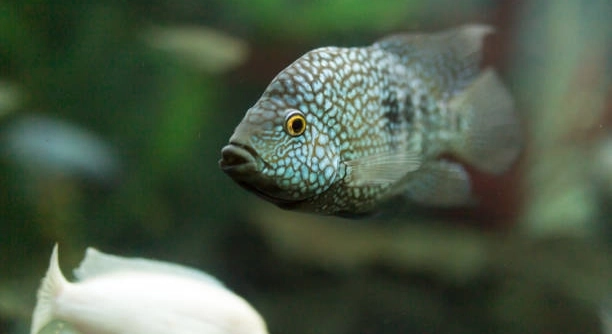
Setting up a tank for Jack Dempsey fish can seem overwhelming for first-time aquarium owners. These fish are vibrant and active, requiring specific care. Proper preparation helps ensure a healthy environment for them to thrive and grow.
The most effective way to set up a tank for Jack Dempsey fish is to provide a spacious aquarium with stable water conditions. Use a filtration system, maintain temperature between 75-82°F, and include hiding spots for security.
Knowing how to arrange their habitat correctly will improve the fish’s health and behavior, making daily care more manageable and rewarding for any aquarium owner.
Decorating the Tank for Jack Dempsey Fish
Jack Dempsey fish appreciate a tank with hiding spots and structured areas. Rocks, driftwood, and caves create shelter and reduce aggression, giving fish places to retreat when feeling stressed. Live or artificial plants provide cover and improve aesthetics. Avoid overcrowding decorations to leave enough swimming space.
Adding a few well-placed decorations enhances the tank’s appearance and supports fish behavior.
When arranging decorations, think about creating territories and visual boundaries. Juvenile fish enjoy exploring small crevices, while adults use caves to feel safe. Rounded rocks prevent injuries, and securely anchored driftwood stops tipping hazards. Plants help maintain water quality by absorbing nutrients, and they can soften aggressive interactions by breaking sight lines. Sand or fine gravel is preferable for the substrate, allowing natural digging without harming the fish. Carefully chosen and positioned decorations not only improve the tank visually but also create a healthier and less stressful environment for Jack Dempseys, supporting natural behavior and reducing the risk of territorial disputes.
Feeding and Diet
Jack Dempsey fish require a varied diet for proper growth and health.
Offer a mix of high-quality pellets, frozen or live foods, and occasional vegetables. Feed small amounts two to three times daily, removing uneaten food promptly.
A balanced diet ensures strong coloration, active behavior, and proper growth. Live or frozen foods such as bloodworms and brine shrimp provide protein, while sinking pellets offer essential vitamins and minerals. Supplementing with vegetables like spinach or peas adds fiber and prevents digestive issues. Avoid overfeeding, as leftover food can pollute the water and increase the risk of illness. Rotate food types to keep the fish interested and maintain nutritional balance. Feeding consistently while monitoring consumption helps identify health problems early, such as loss of appetite or unusual behavior. By providing a varied and controlled diet, Jack Dempsey fish remain vibrant, active, and resilient in a stable tank environment.
Monitoring Water Quality
Regular water testing is essential for Jack Dempsey fish. Test ammonia, nitrite, nitrate, pH, and hardness weekly to maintain a stable environment.
Consistent water checks prevent health issues and stress. Sudden changes in pH or ammonia spikes can harm the fish.
Using test kits helps track water parameters. Adjustments may include partial water changes, adding buffers, or cleaning filters. Observing the fish’s behavior also signals water problems, such as gasping at the surface or lethargy. Maintaining stability ensures long-term health and supports vibrant coloration.
Tank Mates
Jack Dempsey fish can be aggressive, so choosing compatible tank mates is important. Avoid small or timid species.
Suitable tank mates include other medium to large cichlids with similar temperaments. Monitor interactions closely.
Provide hiding spots and territory markers to reduce conflict. Overcrowding increases aggression, so maintain adequate space. Pairing fish of similar size helps prevent bullying and injury. Gradually introducing new tank mates allows Jack Dempseys to adjust without excessive stress. Avoid species that are too passive, as they may be targeted, and aggressive pairs should be introduced carefully to balance the tank. Choosing tank mates thoughtfully ensures a safer and more stable aquarium environment for all fish.
Lighting and Temperature Control
Jack Dempsey fish thrive under moderate lighting. Avoid overly bright lights that stress them.
Maintain water temperature consistently between 75-82°F using a reliable heater. Sudden fluctuations can weaken their immune system and affect behavior.
Cleaning and Maintenance
Perform regular partial water changes of 20-30% weekly. Remove uneaten food and debris from the substrate to prevent water quality issues.
Clean filters according to manufacturer instructions, but avoid removing all beneficial bacteria. Proper maintenance supports stable water conditions and reduces the risk of disease. Consistency in cleaning helps Jack Dempseys stay healthy, active, and vibrant.
Observing Fish Behavior
Watch for changes in behavior, appetite, or coloration. Early detection of stress or illness allows timely action.
Regular observation helps identify aggression, illness, or environmental problems. Note any hiding, lethargy, or rapid gill movement. Responding quickly prevents minor issues from becoming serious, keeping your fish healthy and the tank balanced.
FAQ
How often should I feed my Jack Dempsey fish?
Feed adult Jack Dempsey fish two to three times daily, offering only what they can eat in a few minutes. Overfeeding can pollute the tank and lead to obesity or digestive problems. Include a mix of high-quality pellets, frozen or live foods, and occasional vegetables for balanced nutrition. Monitor how much they consume and remove leftovers immediately.
What water parameters are best for Jack Dempsey fish?
Jack Dempseys prefer slightly acidic to neutral water with a pH of 6.5-7.5. Water hardness should be moderate, and temperature should remain steady between 75-82°F. Regular testing for ammonia, nitrites, and nitrates ensures safe conditions. Sudden changes can stress the fish and make them prone to disease.
Can Jack Dempsey fish live with other fish?
Yes, but choose tank mates carefully. Avoid small, timid fish that may be bullied. Suitable companions include other medium to large cichlids with similar temperaments. Introduce new fish gradually and provide hiding spots to reduce territorial aggression. Keep the tank spacious to minimize conflicts.
How large should the tank be?
A minimum of 55 gallons is recommended for a single adult Jack Dempsey. Larger tanks are better if keeping multiple fish. Sufficient space allows for swimming, reduces stress, and helps maintain stable water quality. Overcrowding increases aggression and the risk of health problems.
How often should I clean the tank?
Perform partial water changes of 20-30% weekly. Clean the substrate by removing debris and leftover food. Rinse or replace filter media according to the manufacturer’s instructions, but avoid removing all beneficial bacteria. Regular maintenance prevents toxin buildup and keeps the fish healthy.
What decorations are suitable for their tank?
Provide hiding spots with rocks, driftwood, and caves. Plants, either live or artificial, can reduce stress and create boundaries. Use smooth materials to prevent injuries. Avoid overcrowding the tank to maintain swimming space and allow territories to form naturally.
What should I do if my Jack Dempsey shows stress?
Signs of stress include hiding constantly, rapid gill movement, or loss of appetite. Check water quality, temperature, and tank mates. Adjust decorations or provide additional hiding spots. Consistent care and observation help address problems before they become serious.
Can I keep more than one Jack Dempsey together?
Yes, but monitor for aggression. Provide ample space, separate territories with decorations, and introduce fish of similar size. Avoid pairing aggressive individuals without supervision. Proper tank setup reduces fighting and promotes a stable environment.
What type of food promotes vibrant colors?
A varied diet with high-quality pellets, live or frozen protein sources, and occasional vegetables enhances coloration. Foods rich in carotenoids, such as shrimp or spirulina supplements, can intensify red and gold tones. Rotate food types for balanced nutrition and interest.
How long do Jack Dempsey fish typically live?
With proper care, they can live 8-10 years, sometimes longer. Stable water conditions, a balanced diet, and regular maintenance support longevity. Avoid frequent stress, overcrowding, or poor water quality, which can shorten their lifespan.
How do I prevent aggression in the tank?
Provide plenty of hiding spots and structured areas to establish territories. Keep compatible tank mates and avoid overcrowding. Observe behavior regularly and separate aggressive individuals if needed. Creating boundaries and giving each fish space helps reduce conflict.
What are common signs of illness?
Watch for clamped fins, discoloration, rapid gill movement, lethargy, or refusal to eat. Skin lesions or unusual swimming patterns can indicate disease. Early detection through observation and water testing allows timely treatment and reduces mortality risk.
How can I maintain stable water temperature?
Use a reliable heater with a thermostat and monitor daily. Avoid placing the tank near drafts, vents, or direct sunlight. Sudden temperature swings can stress fish and weaken their immune system. Consistency ensures healthy behavior and growth.
Is it necessary to test water regularly?
Yes, weekly testing of pH, ammonia, nitrite, and nitrate levels prevents problems. Regular monitoring ensures the tank environment stays safe and stable. Early detection allows adjustments before the fish are affected.
How do I acclimate new Jack Dempsey fish?
Float the sealed bag in the tank for 15-20 minutes to match temperature. Gradually mix tank water into the bag over 30-60 minutes. Avoid sudden water changes and carefully release the fish to reduce stress and prevent shock.
What substrate is best for Jack Dempsey fish?
Fine sand or smooth gravel is ideal. Jack Dempseys like to dig, and sharp or rough substrates can cause injuries. A suitable substrate also supports plants and decorations while maintaining a natural environment.
How do I reduce nitrate buildup?
Perform regular partial water changes and avoid overfeeding. Use live plants to absorb excess nutrients. Maintain efficient filtration and clean the substrate to remove debris. Consistent care keeps nitrate levels low and prevents health issues.
Can Jack Dempsey fish tolerate varying water conditions?
They are moderately hardy but thrive best under stable conditions. Frequent changes in temperature, pH, or hardness can stress them and increase susceptibility to disease. Stability is essential for growth, behavior, and coloration.
How do I tell if my fish are comfortable in their tank?
Active swimming, bright coloration, regular feeding, and exploring hiding spots indicate comfort. Lethargy, hiding, or aggression signals problems. Observing daily behavior helps ensure the tank setup meets their needs and keeps them healthy and active.
What should I avoid in a Jack Dempsey tank?
Avoid small or overly passive tank mates, overcrowding, sharp decorations, and sudden changes in water conditions. Excessive light or poor filtration can also cause stress. Keeping conditions stable and providing space promotes health and natural behavior.
How often should I replace filter media?
Follow the manufacturer’s instructions, usually every 4-6 weeks. Rinse media in tank water to preserve beneficial bacteria. Replacing too often can disrupt the biological filtration, but neglecting it can reduce efficiency and water quality.
Can Jack Dempsey fish jump out of the tank?
Yes, they may jump when stressed or startled. Use a secure lid to prevent escapes and injuries. Providing hiding spots and stable conditions reduces stress-related jumping.
What’s the best way to introduce plants?
Anchor plants securely in substrate or decorations. Choose hardy species that tolerate digging. Monitor for uprooting, and trim dead leaves to maintain water quality. Live plants improve aesthetics and support a natural environment.
How do I handle aggression between Jack Dempseys?
Separate overly aggressive individuals or provide additional hiding spots and visual barriers. Ensure adequate space and compatible tank mates. Observing interactions helps prevent injury and maintains a stable tank dynamic.
Can I use tap water directly in the tank?
No, treat tap water with a conditioner to remove chlorine and chloramine. Testing and adjusting pH or hardness may also be necessary to match the tank’s conditions and ensure fish health.
How do I know when the fish are stressed?
Signs include rapid gill movement, hiding, clamped fins, loss of appetite, or color fading. Observing these behaviors allows early intervention to prevent illness or aggression.
What type of tank lid is recommended?
A secure lid is necessary to prevent jumping. Choose a lid that fits tightly while allowing ventilation and access for feeding or maintenance. Safety is important for both fish and household.
Are Jack Dempsey fish compatible with community tanks?
They can coexist with other medium to large cichlids, but careful monitoring is essential. Avoid small, passive fish, and ensure enough space and hiding spots to reduce territorial conflicts. Proper planning supports a stable, balanced community tank.
How can I keep their colors vibrant?
Provide a balanced diet with protein-rich foods and carotenoid supplements. Maintain stable water conditions and reduce stress. Healthy, active fish display stronger coloration, especially when they feel secure in their environment.
What is the best way to handle the fish during maintenance?
Minimize handling whenever possible. Use a soft net gently if needed, and avoid sudden movements. Stress can weaken the immune system, so careful handling protects their health and reduces injury risk.
How do I prevent disease in the tank?
Maintain clean water, stable parameters, and a balanced diet. Quarantine new fish, avoid overfeeding, and observe daily behavior. Early intervention and consistent care are key to disease prevention.
Can I breed Jack Dempsey fish at home?
Yes, but they require a larger tank, proper pairing, and suitable conditions. Provide flat surfaces for eggs and separate fry from adults to prevent predation. Breeding requires careful monitoring and preparation.
How do I introduce a new Jack Dempsey to an existing tank?
Float the new fish in a bag for temperature acclimation. Gradually mix tank water over time. Introduce slowly and monitor interactions to reduce aggression and stress. Proper acclimation helps the fish adjust safely.
What signs indicate the tank setup is appropriate?
Active swimming, healthy appetite, vibrant color, and reduced aggression indicate a well-setup tank. Observing natural behaviors regularly confirms that space, decorations, and water quality are suitable for Jack Dempseys.
How important is hiding space for Jack Dempsey fish?
Hiding spots reduce stress and aggression. They allow fish to establish territories and retreat when threatened. Proper shelter supports natural behavior, promotes health, and prevents injury in a shared tank environment.
Can Jack Dempsey fish live in a planted tank?
Yes, they enjoy hiding among plants. Choose hardy species that tolerate digging, and anchor them well. Plants improve water quality, aesthetics, and provide cover, enhancing overall tank health.
How do I prevent overfeeding?
Feed small amounts two to three times daily, removing leftovers immediately. Monitor how much the fish eat in a few minutes. Overfeeding pollutes water and can cause obesity or digestive issues.
How can I monitor fish health effectively?
Observe daily for color changes, appetite, swimming behavior, and fin condition. Regular testing of water parameters supports early detection of stress or disease, allowing timely intervention.
What is the best lighting schedule for Jack Dempseys?
Moderate lighting for 8-10 hours daily is ideal. Avoid bright lights that cause stress. Use a timer for consistency, supporting natural behavior and reducing aggression.
Can I keep juvenile and adult Jack Dempseys together?
Yes, but monitor closely. Adults may bully juveniles. Provide hiding spots and ample space to reduce aggression. Gradual introductions help the fish adjust safely.
How do I handle tank emergencies like power outages?
Keep backup battery-powered air pumps or heaters. Minimize stress and monitor water parameters once power returns. Preparedness ensures fish survive temporary disruptions.
What are the most common mistakes new owners make?
Overcrowding, overfeeding, poor water quality, sudden parameter changes, and incompatible tank mates are frequent errors. Consistent care, proper tank size, and observation prevent these problems and support healthy Jack Dempseys.
How do I manage aggression during feeding time?
Distribute food in multiple areas to reduce competition. Feed small portions and observe interactions. Providing hiding spaces nearby also allows less dominant fish to eat safely.
What is the recommended filtration system?
A filter that supports both mechanical and biological filtration is essential. Choose one rated for your tank size. Proper filtration removes debris and supports beneficial bacteria for stable water conditions.
Can Jack Dempseys tolerate cooler water temporarily?
They can survive short periods outside their preferred range but prolonged exposure below 75°F weakens immunity and slows growth. Maintain stable, appropriate temperatures for long-term health.
How do I introduce a tank mate safely?
Float the new fish to match temperature, gradually mix water, and release carefully. Observe interactions closely and provide hiding spots to minimize aggression. Proper introduction reduces stress and risk of injury.
How do I prevent fin damage?
Use smooth decorations, avoid sharp objects, and reduce aggressive interactions. Providing space, hiding spots, and compatible tank mates helps maintain healthy fins.
Can Jack Dempseys recognize their owners?
They can become familiar with feeding routines and respond to presence, but recognition is limited. Consistent care and interaction build trust over time.
What is the best way to acclimate water chemistry for new fish?
Gradually mix tank water into the transport water over 30-60 minutes to match pH and hardness. Avoid sudden changes that can stress or shock the fish.
How do I treat common illnesses?
Identify symptoms early, isolate affected fish if possible, and use medications as directed. Maintaining stable water quality and diet helps prevent recurring problems.
How much space do multiple Jack Dempseys need?
Provide at least 75-100 gallons for two or more adults. Adequate space reduces aggression, allows territories, and supports healthy growth and behavior.
Can Jack Dempseys tolerate artificial plants?
Yes, they enjoy hiding in artificial plants. Ensure plants are securely anchored to prevent tipping. Artificial plants still provide cover and break sight lines, reducing stress.
How do I manage water changes efficiently?
Perform weekly partial changes of 20-30%, use a siphon for substrate cleaning, and replace treated water slowly. Consistency keeps water quality high without stressing the fish.
Are Jack Dempseys suitable for beginners?
They are moderately hardy but require stable conditions, proper tank size, and careful selection of tank mates. Consistent care, observation, and maintenance are necessary for success.
How do I prevent algae buildup?
Control lighting, avoid overfeeding, and perform regular water changes. Introduce algae-eating species cautiously, and clean decorations as needed to maintain clarity and balance.
Can Jack Dempseys live with goldfish or tropical community fish?
No, goldfish and small tropical fish are generally too passive or have different temperature needs. Stick with similarly sized, semi-aggressive cichlids for compatibility.
How do I maintain long-term tank stability?
Regular testing, consistent water changes, proper feeding, and monitoring fish behavior all contribute to stable conditions. Avoid sudden changes in water parameters, temperature, or tank structure.
What should I do if a fish becomes ill?
Quarantine immediately, test water, and provide appropriate treatment. Monitor other fish for signs of infection. Early intervention limits disease spread and improves recovery chances.
Can I use tap water directly after treatment?
Yes, after using a water conditioner to remove chlorine and chloramine. Adjust pH or hardness if necessary. Proper treatment ensures safe conditions for Jack Dempseys.
How important is tank size for behavior?
Larger tanks reduce aggression, allow swimming, and support natural behavior. Overcrowding increases stress, fights, and health risks. Proper space is essential for well-being.
How do I prevent digging-related damage?
Use smooth substrates, anchor plants and decorations securely, and provide hiding spots. This allows natural digging behavior without harming the tank or fish.
Are Jack Dempseys compatible with other cichlid species?
Yes, with similarly sized, moderately aggressive cichlids. Ensure adequate space and hiding spots, and monitor interactions to prevent fighting. Proper pairing supports a stable tank.
What should I do if water parameters fluctuate?
Perform partial water changes, check filtration, and avoid sudden adjustments. Stabilizing temperature, pH, and hardness gradually prevents stress and illness.
How do I manage territorial disputes?
Provide decorations to define territories, increase tank size if needed, and separate aggressive individuals. Observing interactions allows timely adjustments to reduce injury risk.
What are signs of successful acclimation for new fish?
Active swimming, feeding normally, and exploring hiding spots indicate proper acclimation. Monitor behavior closely for the first few days to confirm comfort.
Can Jack Dempseys live with plecos or catfish?
Yes, bottom-dwelling species like plecos and larger catfish are generally compatible. Ensure they are large enough to avoid harassment and have sufficient space to coexist.
How do I encourage natural behavior?
Provide hiding spots, proper substrate, and compatible tank mates. Feeding varied diets and maintaining stable water conditions allow natural activity, digging, and territorial behavior.
What is the best way to introduce juveniles?
Separate from adults initially or provide ample hiding spots. Monitor interactions and gradually integrate to reduce stress and aggression.
Can I use a bare-bottom tank for Jack Dempseys?
Yes, it simplifies cleaning and allows easy observation, but they may dig more actively. Include hiding spots to compensate for lack of substrate.
How do I reduce stress during maintenance?
Keep water conditions stable, handle fish minimally, and avoid sudden movements. Perform gradual changes and maintain a calm environment to prevent stress-related health issues.
Are Jack Dempseys sensitive to light intensity?
Yes, they prefer moderate lighting. Too bright lights can cause stress, hiding, or color fading. Use consistent, indirect lighting to maintain comfort and natural behavior.
How do I prevent ammonia spikes?
Maintain proper filtration, avoid overfeeding, and perform regular water changes. Monitor parameters closely, especially after adding new fish or cleaning filters.
What is the best way to handle tank emergencies?
Keep backup heaters and aeration. Monitor water quality and provide oxygen if needed. Quick action prevents stress and health issues during temporary disruptions.
Can Jack Dempseys live in slightly hard water?
Yes, they tolerate moderate hardness. Avoid extreme fluctuations and maintain stable conditions for optimal health and growth.
How do I identify compatible cichlids?
Choose similar-sized species with comparable aggression levels. Observe behavior during introductions and provide hiding spaces to minimize conflict. Avoid very passive or very aggressive species.
What is the recommended diet for juveniles?
Feed smaller portions more frequently. Include high-protein pellets, live or frozen foods, and occasional vegetables. Juveniles need proper nutrition for growth and development.
How do I prevent stress during water changes?
Perform gradual partial changes, match temperature and pH, and avoid disturbing decorations excessively. Quick adjustments or large water replacements can shock fish.
Can Jack Dempseys tolerate tap water with minor adjustments?
Yes, once treated with conditioner and adjusted for pH and hardness. Consistency in parameters is key to preventing stress and illness.
How do I monitor tank stability over time?
Regular testing of pH, ammonia, nitrite, nitrate, and temperature, combined with observation of fish behavior, ensures long-term stability. Early detection of changes allows preventive measures.
How important is daily observation?
Daily observation helps detect early signs of illness, aggression, or stress. Regular monitoring ensures timely intervention and maintains a healthy, stable environment.
Can Jack Dempseys adapt to a new tank quickly?
They acclimate over several hours to days. Gradual water mixing and proper introduction reduce stress and improve adjustment to new surroundings
Jack Dempsey fish are lively and striking, but they need proper care to thrive. Setting up the tank correctly is the first step to keeping them healthy and happy. A spacious aquarium with stable water conditions and a reliable filtration system ensures that these fish have the environment they need. Decorations like rocks, driftwood, and plants provide hiding spots and reduce stress. Paying attention to the tank’s layout not only makes it look appealing but also supports natural behavior and social balance among the fish. Choosing the right substrate and anchoring decorations properly helps prevent injuries while allowing the fish to dig and explore. Temperature and water parameters must be monitored consistently, as sudden changes can harm the fish or trigger illness. Using a heater to maintain warmth between 75-82°F, along with weekly testing for pH, ammonia, nitrites, and nitrates, keeps the water safe and stable. By keeping the environment predictable, the fish can focus on natural behaviors like swimming, feeding, and interacting with their surroundings, rather than being stressed by unpredictable conditions.
Feeding is another important aspect of Jack Dempsey care. These fish need a varied diet to stay healthy and display their full colors. High-quality pellets, live or frozen foods, and occasional vegetables provide the necessary nutrients. Protein-rich foods like bloodworms or brine shrimp enhance growth and energy, while vegetables such as peas or spinach improve digestion. It is important to avoid overfeeding, as leftover food can pollute the water and create a breeding ground for bacteria. Feeding small portions multiple times a day helps the fish consume their food fully and reduces waste. Observing how they eat also provides insight into their health and behavior. A fish that refuses food or seems less active may be experiencing stress or illness. Balanced feeding combined with clean, well-maintained water encourages vibrant coloration, energy, and overall resilience.
Maintaining Jack Dempsey fish involves consistent observation, cleaning, and careful management of the tank. Regular partial water changes, filter maintenance, and monitoring of water quality are essential to prevent problems before they become serious. Choosing compatible tank mates and providing enough space reduces aggression and territorial disputes. Watching fish behavior daily helps identify early signs of stress, illness, or discomfort. Paying attention to details such as lighting, hiding spaces, and proper tank size contributes to a stable, comfortable environment. By combining careful tank setup, proper feeding, and consistent maintenance, Jack Dempsey fish can live healthy, long lives and display their natural beauty. Every step in their care is an investment in their well-being, making the aquarium both a safe home for the fish and an enjoyable experience to maintain.

Hello,
If you enjoy the content that we create, please consider saying a "Thank You!" by leaving a tip.
Every little bit helps us continue crafting quality advice that supports the health, happiness, and well-being of pets around the world, for pets of all shapes, sizes, and species.
We really appreciate the kindness and support that you show us!