
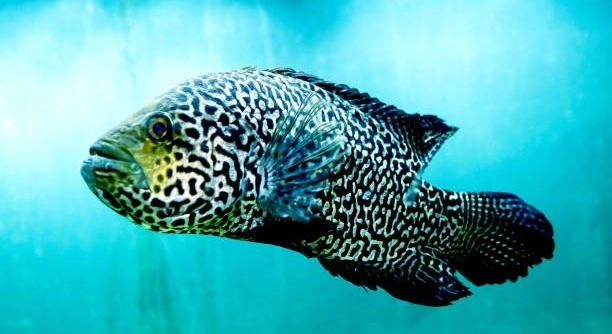
Jack Dempsey fish are known for their vibrant colors and active behavior, making them a popular choice for home aquariums. Keeping them comfortable and healthy requires understanding their natural habits and preferences in captivity.
Jack Dempsey fish generally prefer long tanks over tall tanks. A longer horizontal space allows them to establish territory, swim actively, and display natural behaviors, whereas tall tanks restrict horizontal movement and can increase stress levels, affecting their overall health.
Proper tank setup is crucial for their wellbeing, and knowing the ideal dimensions helps ensure a thriving environment. The following guide explains everything needed for their habitat.
Why Tank Shape Matters for Jack Dempsey Fish
The shape of a tank directly affects a Jack Dempsey’s behavior and health. These fish are territorial and require space to swim horizontally. Long tanks allow them to explore, establish boundaries, and reduce aggressive interactions. In contrast, tall tanks limit lateral movement, which can cause stress and fatigue over time. Providing hiding spots and decorations along the sides encourages natural behavior and helps them feel secure. Substrate choice also plays a role; sand or fine gravel is ideal because it mimics their natural riverbed environment. Overcrowding a tank can worsen stress, so spacing and layout are just as important as the length. Monitoring water quality is easier in a long tank because filtration systems can function efficiently, ensuring oxygen levels stay consistent. Overall, prioritizing a tank that provides more horizontal swimming space improves both physical health and emotional wellbeing for these fish.
Tank shape also impacts feeding patterns and activity levels, with longer tanks supporting more natural swimming routines and reduced stress.
A long tank encourages more dynamic interactions with other tank mates. Jack Dempseys can claim territories, avoid unnecessary conflict, and exhibit natural foraging behavior. Plants and rocks placed strategically along the tank create shaded areas and hiding spots. This design prevents boredom and reduces aggressive tendencies. Moreover, longer tanks allow for stronger filtration systems that maintain cleaner water. Clean water is essential because Jack Dempseys are sensitive to poor water conditions. Monitoring temperature, pH, and ammonia levels becomes simpler in a well-laid-out tank. A proper tank also facilitates regular maintenance, like partial water changes and substrate cleaning. In addition, longer tanks offer better visual appeal, showcasing their vibrant colors and activity. Investing in a tank that meets both size and shape needs ensures the fish can thrive physically and psychologically. Consistent observation helps adjust tank setup over time, creating a balanced and healthy environment for these striking fish.
Recommended Tank Size and Setup
A minimum of 55 gallons is ideal for a single Jack Dempsey, with extra length preferred.
For multiple fish, a 75- to 100-gallon long tank provides enough space to establish territories without causing stress. Avoid tall, narrow tanks as they restrict movement. Include flat rocks and driftwood for hiding spots, and ensure the substrate is soft enough for digging behavior. Live plants or artificial ones along the sides create shaded areas. Proper filtration and regular water changes are critical, as Jack Dempseys are sensitive to ammonia and nitrate buildup. Temperature should stay between 74–80°F with pH around 6.5–7.5. A long, stable tank not only reduces aggression but also allows for natural swimming and exercise, which improves coloration, appetite, and overall health.
Tank Decorations and Hiding Spots
Adding decorations and hiding spots reduces stress and encourages natural behavior in Jack Dempseys. Rocks, driftwood, and plants create boundaries and shaded areas. Avoid overcrowding the tank, and place items along the sides to leave open swimming space in the center.
Strategically placed decorations allow Jack Dempseys to claim territories while remaining active. Flat rocks provide resting spots and surfaces for territorial displays. Driftwood creates shaded areas that mimic their natural environment, helping them feel secure. Plants along the sides can offer shelter without restricting swimming space, and they also improve water quality. Arranging decorations with open areas ensures movement and reduces aggression, making the tank more functional and visually appealing.
Hiding spots also help when introducing new fish to the tank. Juveniles and smaller fish benefit from cover, which reduces bullying and provides safe retreats. Jack Dempseys often explore and rearrange decorations, so flexible setups that allow easy adjustments work best. Open swimming areas combined with secure hiding spots encourage natural activity, reduce stress, and promote healthier fish. This balance is key to maintaining a peaceful, thriving tank.
Water Quality and Maintenance
Consistent water quality is essential for Jack Dempseys, as poor conditions quickly affect their health. Regular testing keeps pH, temperature, and ammonia levels stable, ensuring comfort.
Frequent water changes and proper filtration prevent harmful chemical buildup. Jack Dempseys are sensitive to nitrate and ammonia spikes, which can cause illness or stress. Cleaning the substrate and removing leftover food helps maintain water clarity and overall hygiene. Using a reliable filtration system ensures circulation and oxygenation throughout the tank. Monitoring temperature between 74–80°F and maintaining pH around 6.5–7.5 creates a stable environment that mimics their natural habitat. Consistency in water quality is key to supporting activity, color vibrancy, and long-term health.
Maintenance routines also impact fish behavior and tank longevity. Partial water changes every one to two weeks keep parameters balanced, while deep cleaning of the substrate removes debris that could harm the fish. Filter media should be checked and rinsed as needed to maintain efficiency without disturbing beneficial bacteria. Keeping decorations clean prevents algae buildup, which can reduce oxygen levels. Observation during maintenance allows early detection of health issues or stress. A well-maintained long tank ensures that Jack Dempseys remain active, colorful, and resilient, promoting both their physical and psychological wellbeing over time.
Feeding and Diet
A balanced diet is crucial for Jack Dempseys. High-quality pellets, live or frozen foods, and occasional vegetables keep them healthy. Feed in moderation to prevent water quality issues.
Consistent feeding schedules reduce stress and support growth. Overfeeding can lead to obesity and water contamination. Include variety to meet nutritional needs and maintain vibrant colors.
Tank Mates
Jack Dempseys are territorial and aggressive with smaller or slower fish. Suitable tank mates include other large cichlids or robust species that can handle their temperament.
Choosing compatible tank mates reduces conflict and stress. Avoid overcrowding, and provide enough hiding spots. Observing interactions ensures harmony and maintains a peaceful environment for all fish.
Temperature and pH Requirements
Maintain water temperature between 74–80°F and pH levels around 6.5–7.5. Stability is more important than exact numbers.
Sudden changes in temperature or pH can cause stress, illness, or weakened immune systems. Monitoring these parameters consistently keeps Jack Dempseys active, healthy, and vibrant in long-term tank conditions.
FAQ
Do Jack Dempsey fish grow very large?
Yes, Jack Dempseys can grow up to 10–12 inches in length when fully mature. Their size depends on genetics, diet, and tank conditions. Providing a spacious long tank with proper nutrition helps them reach their full potential while maintaining healthy growth and activity levels.
How many Jack Dempseys can live in one tank?
Tank size and the fish’s temperament determine the number. A single Jack Dempsey does well in a 55-gallon tank. For two or three, a 75- to 100-gallon long tank is necessary. Adequate space and hiding spots prevent territorial fights and reduce stress.
Do they need a long tank over a tall tank?
Yes. Long tanks provide horizontal swimming space, which suits their natural behavior. Tall tanks restrict movement, increasing stress and aggression. Horizontal space allows them to claim territories, explore, and display natural swimming patterns without feeling confined.
What decorations are best for Jack Dempseys?
Flat rocks, driftwood, and plants placed along the sides work best. These create hiding spots, shaded areas, and territorial boundaries. Avoid overcrowding. Open central space allows free swimming. Flexible decorations make it easy to adjust the setup as the fish grows or displays territorial behavior.
What is the ideal water temperature?
Maintain 74–80°F consistently. Sudden fluctuations can stress the fish and make them prone to illness. Using a reliable heater and thermometer ensures stability. Keeping the water within this range supports activity, appetite, and overall health while mimicking their natural environment.
What pH level should be maintained?
A stable pH around 6.5–7.5 is ideal. Extremes outside this range can weaken the immune system and affect feeding behavior. Regular testing and slow adjustments prevent shocks. Stability in pH is more important than exact numbers for long-term wellbeing.
How often should I feed them?
Feed adult Jack Dempseys once or twice a day with controlled portions. Overfeeding can harm water quality and cause obesity. Include pellets, frozen or live foods, and occasional vegetables to provide balanced nutrition. Observe their appetite and adjust accordingly.
Can they be kept with other fish?
Yes, but choose tank mates carefully. Other large cichlids or robust species work best. Avoid small or slow-moving fish that may be bullied. Provide hiding spots and sufficient space to minimize territorial disputes. Observation is key during initial introductions.
How important is tank maintenance?
Maintenance is critical. Regular water changes, substrate cleaning, and filter checks prevent toxin buildup. Jack Dempseys are sensitive to ammonia and nitrates. A clean, stable environment reduces stress, supports natural behavior, and keeps the fish healthy and colorful.
Do Jack Dempseys dig or rearrange decorations?
Yes, digging is natural behavior. They may move substrate, rocks, or plants to create territories. Flexible setups that allow rearrangement help satisfy this instinct. Observing their activity gives insight into their comfort level and territorial boundaries.
How fast do they grow?
Growth varies with diet, tank size, and water quality. Juveniles grow quickly under proper care. Consistent feeding, clean water, and adequate space promote healthy development, vibrant coloration, and strong immune systems.
Are Jack Dempseys aggressive?
They are moderately aggressive, especially in confined spaces or during breeding. Providing a long tank, hiding spots, and proper tank mates reduces conflicts. Aggression is natural for territory establishment and can be managed with space and careful observation.
Can they tolerate different water hardness levels?
They prefer moderately soft to slightly hard water. Extreme hardness or softness can stress them. Regular testing and gradual adjustments maintain optimal conditions, helping Jack Dempseys remain active and healthy over time.
How long do Jack Dempseys live?
With proper care, they can live 8–10 years or more. Long-term health depends on tank size, water quality, diet, and stress management. Consistent maintenance and observing behavior ensure they thrive throughout their lifespan.
What signs indicate stress or illness?
Loss of appetite, faded colors, erratic swimming, or hiding excessively are common indicators. Poor water quality, overcrowding, or incompatible tank mates often cause stress. Early detection and corrective action improve recovery chances.
Is breeding Jack Dempseys difficult?
Breeding requires a compatible pair and a long tank with flat surfaces for eggs. Maintaining stable water conditions, proper diet, and minimal disturbances improves success. Territorial behavior increases during breeding, so extra space is essential.
Can Jack Dempseys live alone?
Yes, they can thrive alone in a properly sized tank. Solitary setups reduce territorial disputes and stress. A single long tank with adequate hiding spots and enrichment ensures a comfortable environment.
Do they require strong lighting?
Moderate lighting is sufficient. Bright light can stress them, especially without shaded areas. Plants or driftwood provide relief from light while enhancing their environment. Proper lighting also highlights their natural colors without causing discomfort.
How often should the filter be cleaned?
Filter maintenance is necessary every 2–4 weeks, depending on tank size and load. Rinse filter media in tank water to preserve beneficial bacteria. Efficient filtration keeps water clear, oxygenated, and safe for the fish.
Can they tolerate fluctuations in tank conditions?
Jack Dempseys are sensitive to sudden changes in temperature, pH, or water quality. Gradual adjustments and consistent monitoring prevent stress, illness, and aggressive behavior, keeping them healthy and active over time.
Are live plants safe with Jack Dempseys?
Yes, but choose sturdy species. They may dig around roots, so plant choice and placement matter. Artificial plants can be used where live plants are disturbed. Both provide hiding spots and improve water quality, supporting overall tank health.
How much space is needed for breeding pairs?
A minimum 75-gallon long tank is recommended for breeding pairs. Extra horizontal space reduces aggression and allows natural territorial displays. Flat rocks and shaded areas support egg laying and protect fry from disturbances.
Do Jack Dempseys need supplemental vitamins or food additives?
Occasional supplements help maintain color and health but are not mandatory with a balanced diet. High-quality pellets, frozen or live foods, and occasional vegetables usually provide adequate nutrition for vibrant growth and immune support.
What are the most common mistakes in keeping them?
Common mistakes include using tall or small tanks, overfeeding, poor water quality, and incompatible tank mates. Ignoring natural behaviors like digging or territoriality also causes stress. Correcting these issues ensures healthy, active fish and a peaceful tank environment.
Can they live in community tanks?
Only with careful selection of large, robust species. Avoid overcrowding and provide hiding spots. Monitoring interactions is essential to prevent stress and aggression, ensuring a balanced tank environment for all inhabitants.
Do Jack Dempseys recognize their owners?
Yes, they can become familiar with regular caretakers. They may follow movement or approach during feeding. While not affectionate like some species, recognition helps them feel secure and respond predictably in their environment.
Is water circulation important?
Moderate water flow is beneficial. It ensures oxygen distribution and prevents stagnant areas. Excessive flow stresses them, while too little reduces water quality. Balanced circulation mimics natural habitats and supports overall health.
How do they react to new tank setups?
They may explore, rearrange decorations, or become territorial. Gradual introduction of changes and monitoring behavior helps them adapt without excessive stress. Adequate space and hiding spots ease transitions to new setups.
Can Jack Dempseys coexist with invertebrates?
Small invertebrates like shrimp or snails are often at risk of being eaten. Only large, fast, or well-protected species can coexist safely. Tank setup and observation are critical to protect invertebrates and maintain harmony.
What is the best substrate for Jack Dempseys?
Sand or fine gravel is ideal. It allows digging behavior and mimics their natural riverbed habitat. Coarse or sharp substrates can injure them, so choosing the right type supports comfort and natural activity.
How do I reduce aggression in a tank?
Provide a long tank, sufficient hiding spots, and compatible tank mates. Avoid overcrowding and observe interactions. Adjusting territory boundaries and decorations helps minimize conflict and stress, promoting a balanced environment for all fish.
Do Jack Dempseys need air stones or extra aeration?
Not necessarily if filtration provides adequate oxygenation. Air stones can be added for additional circulation or visual interest but are not critical when water quality and flow are maintained.
Can their colors fade?
Yes, stress, poor diet, or water issues cause fading. Balanced nutrition, stable water conditions, and low-stress environments help maintain vibrant coloration. Observation and adjustments ensure they remain visually striking.
Are Jack Dempseys suitable for beginners?
They are suitable for intermediate hobbyists. Care requires attention to tank size, water quality, diet, and compatibility. With proper setup and observation, they can thrive, making them rewarding to keep despite some challenges.
How do I know if the tank is large enough?
Fish should have enough horizontal space to swim freely, establish territories, and avoid aggression. Observing behavior and ensuring adequate hiding spots indicate whether the tank meets their needs.
Do they require any special lighting for breeding?
Moderate, stable lighting is sufficient. Avoid sudden changes, which can stress pairs. Shaded areas from plants or decorations protect eggs and fry while supporting natural breeding behavior.
Can Jack Dempseys live in brackish water?
They prefer freshwater environments. Brackish conditions can cause stress or illness. Maintaining clean, stable freshwater with moderate hardness and neutral pH supports long-term health and natural behavior.
Is it necessary to quarantine new fish?
Yes, quarantining prevents disease introduction. New fish should be observed for at least two weeks before adding them to the main tank. This ensures a safe environment for Jack Dempseys and reduces health risks.
How do I encourage natural behavior?
Provide horizontal swimming space, hiding spots, varied substrate, and appropriate tank mates. Observing interactions and adjusting decorations allows exploration, territorial displays, and digging behavior, keeping the fish active and engaged.
What is the ideal filtration system?
A canister or hang-on-back filter suitable for tank size works best. It should provide moderate flow, efficient debris removal, and biological filtration to maintain stable water conditions for Jack Dempseys.
Can they be aggressive during feeding?
Yes, competition can increase aggression. Feeding in multiple spots and monitoring portions reduces conflicts and ensures all fish receive adequate nutrition without stress or bullying.
Do they need supplemental lighting for plants?
Only if live plants are used and require more light. Jack Dempseys do not need specialized lighting. Artificial plants can be used without impacting their environment or health.
Are Jack Dempseys sensitive to temperature drops?
Yes, sudden drops can cause stress or illness. Using a reliable heater and monitoring temperature ensures a stable environment and prevents negative effects on health and behavior.
What is the best way to introduce new tank mates?
Introduce them slowly in a long tank with hiding spots. Observe interactions closely and separate if aggressive behavior occurs. Gradual introduction minimizes stress and territorial disputes.
Do Jack Dempseys need a specific diet for color enhancement?
High-quality pellets and occasional live or frozen foods support vibrant coloration. Supplements are optional if diet is balanced. Stable water conditions and proper care also maintain natural color intensity.
Can they tolerate fluctuating water hardness?
Moderate fluctuations are manageable, but extremes cause stress. Maintaining consistent conditions supports health, activity, and overall wellbeing. Gradual changes prevent shocks to the fish.
Do Jack Dempseys need regular exercise?
Yes, long tanks with open swimming areas encourage activity. Exercise maintains muscle tone, reduces aggression, and promotes overall health, while allowing them to exhibit natural behaviors.
Is tank lighting important for behavior?
Moderate lighting with shaded areas supports natural activity patterns. Bright or harsh light can cause stress, while low light can reduce visibility and color vibrancy. Balanced lighting is ideal.
Do they interact with other fish?
Yes, they establish territories and can display dominance. Compatible tank mates and sufficient space reduce aggression, allowing healthy interactions without stress or injury.
Can they live without decorations?
They can survive, but decorations reduce stress and provide hiding spots. Flat rocks, driftwood, and plants create a more natural and engaging environment, improving behavior and wellbeing.
How do I prevent stress during tank changes?
Introduce changes gradually, maintain water parameters, and provide familiar hiding spots. Avoid overcrowding and sudden adjustments. Observation ensures fish adapt without excessive stress.
Are Jack Dempseys sensitive to light cycles?
Consistent day-night cycles help regulate behavior and activity. Abrupt changes in lighting can cause stress and disrupt natural routines. A regular schedule supports overall health.
Do they require water conditioners?
Yes, conditioners remove chlorine, chloramine, and heavy metals. Treating water ensures safety for Jack Dempseys and supports long-term health, preventing illness and stress.
How often should substrate be cleaned?
Partial cleaning every 1–2 weeks prevents debris buildup. Avoid disturbing too much at once to preserve beneficial bacteria. Proper substrate maintenance supports water quality and natural behavior.
Can Jack Dempseys adapt to new tanks quickly?
They adapt gradually if space, water conditions, and hiding spots are adequate. Observation and minimal stress during acclimation ensure a smooth transition and stable behavior.
Are they sensitive to noise or vibrations?
Yes, sudden noise or vibrations can cause stress. Placing the tank in a quiet, stable area helps maintain calm behavior and overall wellbeing.
Do they need supplemental calcium or minerals?
Not typically required if water parameters and diet are balanced. Occasional supplements can support growth and health but are not essential for most setups.
Can Jack Dempseys live with goldfish or tetras?
No, small or slow-moving fish are at risk of aggression. Large, robust species are safer tank mates. Proper observation prevents injuries and stress.
What is the best tank shape for multiple Jack Dempseys?
A long rectangular tank provides horizontal space for territory establishment and swimming. Avoid tall or narrow tanks that restrict movement and increase conflict.
Do they need frequent observation?
Yes, monitoring behavior, color, and feeding habits helps detect stress, illness, or aggression early. Regular observation ensures timely intervention and maintains a healthy tank environment.
Can Jack Dempseys live in small tanks temporarily?
Short-term housing is possible, but prolonged confinement causes stress and stunted growth. Long-term health requires spacious, horizontally oriented tanks.
Are they sensitive to overcrowding?
Yes, overcrowding increases aggression, stress, and disease risk. Adequate space, hiding spots, and compatible tank mates are essential for maintaining a peaceful and healthy environment.
Do they recognize their reflection?
They may respond aggressively to reflections, mistaking them for rivals. Reducing reflective surfaces or adjusting lighting helps prevent stress and unnecessary territorial displays.
How do I prevent algae buildup?
Regular cleaning, proper lighting, and balanced feeding reduce algae growth. Live plants can compete with algae for nutrients, keeping the tank cleaner and healthier.
Can they tolerate low oxygen levels?
No, low oxygen can stress or harm them. Moderate water flow and proper filtration ensure sufficient oxygenation for activity, health, and overall wellbeing.
Do Jack Dempseys need seasonal changes?
No, stable water conditions year-round are best. Sudden seasonal fluctuations in temperature, pH, or hardness can stress the fish and disrupt natural behavior.
Are they prone to disease?
They are generally hardy but sensitive to poor water quality and stress. Maintaining clean water, stable conditions, and proper diet prevents most common illnesses.
Can they coexist with plecos?
Yes, plecos are usually compatible. Both species benefit from adequate space, hiding spots, and proper feeding. Observation ensures minimal conflict and peaceful cohabitation.
Do they need a specific light spectrum?
No, standard aquarium lighting is sufficient. Moderate lighting highlights color without stressing the fish. Shaded areas provide relief when needed.
How do I know if my Jack Dempsey is healthy?
Bright colors, active swimming, consistent appetite, and territorial displays indicate good health. Dull colors, lethargy, or hiding signal stress or illness. Early action ensures recovery.
Are Jack Dempseys easy to handle?
They are strong and can be aggressive. Handle minimally during maintenance. Nets or containers should be used carefully to prevent injury to both fish and caretaker.
Do they need enrichment?
Yes, decorations, hiding spots, and space to explore reduce boredom and stress. Enrichment encourages natural behaviors, promoting activity, mental stimulation, and overall wellbeing.
Can Jack Dempseys tolerate tap water?
Tap water is safe if treated with a conditioner to remove chlorine, chloramine, and heavy metals. Properly prepared water supports long-term health and stability.
What is the ideal lighting duration?
8–10 hours of light per day mimics natural cycles. Longer periods can encourage algae growth, while too little reduces activity and color vibrancy. Consistency is key.
Do they need a breeding tank?
Yes, breeding pairs require extra space, flat surfaces for eggs, and minimal disturbances. A separate tank increases success rates and protects eggs and fry.
How do I reduce aggression during feeding?
Feed in multiple areas simultaneously. Monitor portions to prevent competition. Providing sufficient space and hiding spots minimizes conflicts and stress.
Are Jack Dempseys sensitive to chemical treatments?
Yes, harsh chemicals can harm them. Use only safe, aquarium-approved products and follow dosing instructions carefully to avoid stress or illness.
Can they adapt to new diets?
Gradual introduction of new foods works best. Mix with familiar items to encourage acceptance while monitoring for appetite and digestion issues.
Do Jack Dempseys need strong currents?
Moderate flow is ideal. Strong currents cause stress, while stagnant water reduces oxygen and circulation. Balanced water movement supports health and natural behavior.
Is a long tank better than a wide tank?
Length is more important than width for horizontal swimming and territory establishment. A long tank reduces aggression and promotes natural activity.
Can they coexist with Oscars?
Yes, Oscars are similarly sized and can tolerate the temperament of Jack Dempseys. Adequate space and hiding spots are necessary to prevent conflicts.
Do they require seasonal feeding adjustments?
Not if water temperature and activity remain consistent. Feeding should match activity levels, with occasional variety for nutrition and color enhancement.
How important is water testing?
Regular testing for pH, ammonia, nitrite, and nitrate prevents health issues. Monitoring ensures timely interventions and maintains a stable, safe environment for Jack Dempseys.
Do they need extra calcium or minerals for bone health?
Final Thoughts
Jack Dempsey fish are striking and active cichlids that require careful attention to tank setup, water quality, and diet. Their natural behavior includes territorial displays, digging, and exploring their environment. Providing a long tank allows them to swim freely and establish territories, which reduces stress and aggressive tendencies. Decorations, plants, and hiding spots give them security while leaving open swimming space for exercise and natural movement. A well-thought-out tank layout not only supports their physical health but also encourages natural behaviors, making them more comfortable and visually appealing. Regular observation of their activity and interactions helps ensure the tank remains a safe and balanced environment.
Maintaining water quality is crucial for their overall health. Jack Dempseys are sensitive to sudden changes in temperature, pH, and ammonia or nitrate levels. Consistent monitoring and routine maintenance, including partial water changes, substrate cleaning, and filter care, help maintain a stable environment. Providing a reliable filtration system and moderate water circulation ensures oxygenation and prevents stagnation. Feeding should be balanced, offering high-quality pellets, live or frozen foods, and occasional vegetables. Overfeeding can harm water quality and lead to health problems, so portion control and variety are essential. Stable and clean water, combined with proper nutrition, supports vibrant colors, strong immune systems, and long-term wellbeing.
Tank mates and compatibility are important considerations for Jack Dempseys. They are naturally aggressive and territorial, so choosing large, robust species is necessary for harmony. Overcrowding should be avoided, and sufficient hiding spots must be provided to prevent conflict. Observing behavior when introducing new fish helps reduce stress and allows timely adjustments to tank setup. While they can live alone, pairing or keeping multiple fish requires careful management of space and territories. By focusing on proper tank shape, water quality, diet, and compatible companions, Jack Dempseys can thrive in captivity. Thoughtful care ensures they remain healthy, active, and colorful, providing a rewarding experience for anyone who keeps them.

Hello,
If you enjoy the content that we create, please consider saying a "Thank You!" by leaving a tip.
Every little bit helps us continue crafting quality advice that supports the health, happiness, and well-being of pets around the world, for pets of all shapes, sizes, and species.
We really appreciate the kindness and support that you show us!