
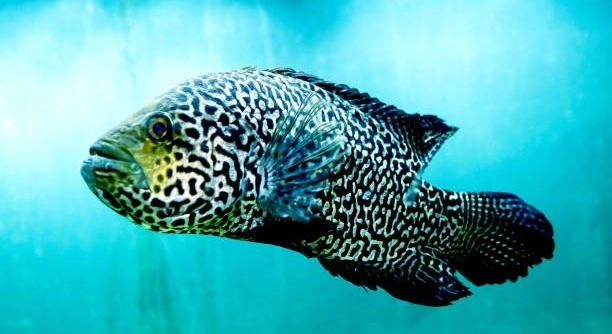
Have you ever wanted to create a home where your Dempsey cichlid feels safe and comfortable? A well-planned aquarium influences their behavior, health, and color, making them active and visually striking in a secure environment.
Setting up a perfect Dempsey habitat involves choosing the right tank size, maintaining stable water conditions, and providing proper filtration. Adding suitable substrate, hiding spots, and decorations encourages natural behavior, while consistent temperature and pH levels support overall fish health.
Following these steps ensures a thriving environment. Proper setup will help your Dempsey feel secure and display its natural beauty confidently.
Choosing the Right Tank Size
Selecting the correct tank size is the first step in creating a suitable habitat for your Dempsey cichlid. These fish are active and territorial, requiring ample space to swim and explore. A tank that is too small can lead to stress, aggression, and stunted growth. Experts recommend a minimum of 55 gallons for a single Dempsey, but larger tanks are preferable, especially if you plan to keep multiple fish. The extra space allows each fish to establish its own territory, reducing conflicts. Tall tanks provide vertical space, while longer tanks offer horizontal swimming room. Consider filtration and maintenance when choosing size, as bigger tanks require more upkeep but offer a more stable environment. Additionally, adequate tank size supports the addition of decorations, plants, and hiding spots that mimic natural conditions, helping your Dempsey feel secure. Planning your tank size carefully ensures a healthy, thriving fish.
A larger tank reduces stress, supports natural behavior, and improves water stability, essential for long-term Dempsey health.
Providing enough room also allows for proper decorations and hiding spots, encouraging natural activity while minimizing aggression among fish.
Water Quality and Filtration
Maintaining excellent water quality is critical for your Dempsey’s health.
Water temperature should stay between 74 and 80°F, with pH around 6.5 to 7.5. Use a reliable filter capable of handling the tank’s volume, removing debris and toxins. Regular water changes, about 20–25% weekly, prevent waste buildup and maintain clarity. Monitoring ammonia, nitrite, and nitrate levels ensures safe conditions, as Dempseys are sensitive to fluctuations. Aeration and circulation improve oxygen availability, benefiting both fish and beneficial bacteria. Choose substrate and decorations that are easy to clean to avoid trapping waste. Overfeeding can also affect water quality, so feed small, measured amounts and remove uneaten food promptly. Combining proper filtration, routine maintenance, and careful monitoring creates a stable environment, reducing stress and promoting growth. Clean water supports vibrant coloration, active behavior, and stronger immunity, making it an essential focus for any Dempsey habitat setup.
Balanced water conditions allow your Dempsey to thrive while reducing health risks and aggression.
Decorating and Hiding Spots
Adding decorations and hiding spots helps Dempseys feel secure and reduces stress. Rocks, caves, and sturdy plants create territories while offering shelter. Avoid sharp edges that could injure them. Proper placement allows swimming space and encourages natural behavior.
Caves and driftwood give your Dempsey a sense of security. Multiple hiding spots prevent aggression, especially if keeping more than one fish. Arrange decorations to create open areas for swimming while leaving corners and shelters for retreats. Live plants or artificial ones can soften the environment and mimic natural habitats. Ensure all items are aquarium-safe and easy to clean, avoiding toxins or sharp surfaces. Proper decoration improves both behavior and appearance, supporting your fish’s well-being.
Creating varied hiding spots encourages exploration and activity. It also reduces conflict among territorial fish. Strategic decoration balances safety, natural stimulation, and open swimming space, enhancing the overall health and confidence of your Dempsey.
Feeding and Nutrition
Providing a balanced diet is essential for Dempsey health. Feed high-quality pellets, supplemented with occasional frozen or live foods, such as brine shrimp or bloodworms. Avoid overfeeding to prevent water contamination and obesity.
Consistency in feeding schedules helps regulate metabolism and supports growth. Offer two to three small meals daily instead of one large portion. Include variety in their diet to maintain strong coloration and overall vitality. Fresh, nutrient-rich foods contribute to immune system strength, supporting disease resistance. Monitor your fish during feeding to ensure all receive enough without leaving excess food to decay. Supplements like vitamins or mineral-enriched foods can further enhance health. Adjust portions based on size, age, and activity level to maintain optimal condition.
A proper feeding routine ensures healthy growth and vibrant colors. It strengthens immunity, reduces stress, and minimizes aggressive behavior, supporting a balanced, thriving habitat.
Lighting and Temperature Control
Proper lighting supports natural behavior and plant growth if live plants are included. Use a timer to maintain consistent day and night cycles. Avoid overly bright light that may stress your Dempsey or encourage algae growth.
Maintaining stable temperature between 74 and 80°F is essential. Use a reliable heater and monitor regularly. Sudden fluctuations can cause stress, weaken the immune system, and affect appetite. Consistency is key for a healthy, active fish.
Substrate Selection
Choose a substrate that is smooth and easy to clean, such as sand or fine gravel. Avoid sharp or rough materials that could injure your Dempsey. Substrate color can influence fish behavior and enhance coloration.
A soft, stable substrate allows natural digging behavior without damaging fins or scales. It also supports the placement of decorations and plants securely. Sand is ideal for burrowing and is easier to clean, while fine gravel provides weight for rocks and décor. Consider substrates that do not alter water chemistry, keeping pH stable. Regular maintenance prevents waste accumulation and keeps the habitat hygienic. Substrate choice directly impacts both health and aesthetics of the tank, making it a vital component of your setup.
Tank Maintenance
Regular maintenance is critical for a clean, healthy habitat. Change 20–25% of water weekly and remove debris promptly. Monitor water parameters consistently to prevent stress and disease.
FAQ
How often should I feed my Dempsey cichlid?
Feeding frequency is important for their health. Offer two to three small meals daily rather than one large portion. This helps regulate metabolism and reduces the risk of overeating or water contamination. Remove uneaten food promptly to maintain clean water. Include a mix of high-quality pellets and occasional frozen or live foods, such as brine shrimp or bloodworms, to provide variety and maintain vibrant coloration. Adjust portion sizes depending on your fish’s age, size, and activity level. Observing your Dempsey during feeding ensures all fish get enough without leaving excess food to decay, keeping both health and water quality optimal.
What is the ideal water temperature for a Dempsey habitat?
Dempseys thrive in temperatures between 74 and 80°F. Using a reliable aquarium heater and thermometer ensures consistent conditions. Sudden temperature fluctuations can stress fish, weaken the immune system, and reduce appetite. Combine stable temperature with proper filtration and aeration for the healthiest environment. Gradual adjustments are necessary if any temperature change is required. Consistency is crucial for active swimming, proper digestion, and natural behavior. Avoid placing the tank near windows or vents where temperature can fluctuate. A well-maintained temperature range supports immune strength, coloration, and overall vitality.
How do I prevent aggression among Dempseys?
Aggression is common because Dempseys are territorial. Providing ample space, decorations, and multiple hiding spots reduces conflicts. A minimum 55-gallon tank is recommended for a single fish, and larger tanks help if keeping more than one. Arrange caves, driftwood, or plants to allow each fish its own area. Avoid overcrowding and monitor interactions regularly. Consistent feeding, water quality, and tank stability also reduce stress-related aggression. Introducing new fish gradually, while ensuring adequate territory for all, further limits disputes. Aggression can be managed effectively with thoughtful tank planning and attentive care.
What substrate is best for a Dempsey tank?
Soft sand or fine gravel is preferred. Sharp or rough materials can injure fins and scales. A smooth substrate allows natural digging behavior without risk. Substrate also supports decorations and plants, adding stability to caves and driftwood. Choose neutral substrates that won’t alter water pH. Regular cleaning prevents waste buildup, maintaining hygiene. Sand is easy to maintain and encourages burrowing, while fine gravel provides stability for décor. Consider color carefully, as it can enhance the fish’s natural coloration. A well-chosen substrate improves both the appearance and health of the tank.
How often should I clean the tank?
Partial water changes of 20–25% weekly are ideal. Remove uneaten food and debris regularly. Monitor ammonia, nitrite, and nitrate levels to ensure safe water conditions. Clean filter media as needed without removing all beneficial bacteria. Substrate vacuuming keeps waste from accumulating and prevents harmful spikes in toxins. Consistent maintenance supports vibrant coloration, healthy behavior, and overall longevity. Avoid deep cleanings that disturb the entire tank, as they can stress your fish. A steady routine keeps the habitat stable, reducing the risk of disease and promoting comfort.
Can I keep plants with Dempseys?
Yes, but choose sturdy plants like Anubias, Java fern, or artificial alternatives. Dempseys may dig or uproot delicate plants. Plant placement should avoid sharp edges and allow open swimming space. Live plants help improve water quality and oxygenation. Secure plants with rocks or substrate to prevent movement. They also provide additional hiding areas, reducing aggression. If using live plants, monitor nutrient levels and remove decaying leaves promptly. Plants enhance the natural feel of the habitat while supporting mental stimulation for your fish. Proper care ensures plants and Dempseys coexist successfully.
What filtration system works best?
A strong, reliable filter capable of handling the tank volume is essential. Dempseys produce significant waste, so mechanical, chemical, and biological filtration are important. Canister filters or high-capacity hang-on-back filters are ideal. Ensure proper water flow without creating strong currents that stress the fish. Clean filters regularly to maintain efficiency but avoid removing all beneficial bacteria at once. Filtration supports stable water parameters, reducing disease risk and keeping fish active and healthy. A well-chosen system balances cleaning power with gentle water movement for optimal conditions.
How can I improve my Dempsey’s coloration?
Diet and water quality are key. Feed high-quality, varied foods rich in protein and carotenoids. Maintain stable water temperature, pH, and cleanliness. Reduce stress through proper tank size, hiding spots, and minimal aggression. Consistency in care enhances natural colors over time. Occasional supplements, such as vitamin-enriched foods, can also help. Avoid overcrowding and sudden changes, which can dull coloration. Decorations and substrate that contrast with the fish may further enhance visual vibrancy. A balanced environment encourages both health and stunning appearance.
Is it okay to keep multiple Dempseys together?
Yes, if the tank is large enough and contains plenty of hiding spots. Dempseys are territorial, so a minimum 75 gallons is recommended for two fish. Gradual introductions and thoughtful placement of caves and decorations reduce fighting. Monitor interactions and separate fish if necessary. Proper feeding and regular maintenance also help minimize stress and aggression. Overcrowding increases conflict, so space management is critical. Multiple fish can coexist with careful planning and attentive observation. A well-structured environment allows natural behavior while maintaining harmony.
How do I handle water pH and hardness?
Maintain pH between 6.5 and 7.5 and keep hardness moderate. Use test kits to monitor levels regularly. Adjust gradually using commercial buffers or natural methods like driftwood and substrate choice. Sudden changes can stress or harm fish. Stable parameters promote growth, health, and reproduction. Water chemistry affects metabolism, coloration, and immune response. Avoid extremes and ensure filtration and water changes maintain balance. Consistent monitoring and adjustments create a safe, comfortable environment for your Dempsey.
What are signs of a healthy Dempsey?
Active swimming, bright colors, clear eyes, and responsive behavior indicate good health. Appetite should be consistent, and fins should be intact. Lack of unusual spots, swelling, or lethargy is also a positive sign. Monitoring behavior daily helps catch problems early. Healthy Dempseys interact with their environment, explore hiding spots, and maintain territorial boundaries without excessive aggression. Water clarity, temperature, and feeding routines all contribute to overall well-being. Early intervention when observing changes ensures long-term health and vitality.
How do I prevent disease in my tank?
Quarantine new fish before introduction, maintain water quality, and avoid overfeeding. Regular water changes and filtration reduce pathogens. Clean substrate and décor to prevent buildup. Avoid overcrowding and minimize stressors. A balanced diet strengthens immunity, helping fish resist infections. Observe behavior and appearance frequently to detect early signs of illness. Prompt treatment prevents spread and protects all tank inhabitants. Vaccination or medications may be used if recommended by a specialist. Consistent maintenance and monitoring are the most effective methods to prevent disease.
What equipment is essential for a Dempsey tank?
A heater, filter, thermometer, substrate, hiding spots, and lighting are basic necessities. Optional items include air pumps, test kits, and decorations. All equipment should be compatible with tank size and water requirements. Proper setup ensures stable conditions, promotes health, and reduces maintenance issues. Quality equipment supports daily care, feeding, and monitoring while creating an environment where your Dempsey can thrive. Choosing durable, aquarium-safe items avoids hazards and enhances both functionality and aesthetics.
How long do Dempseys typically live?
With proper care, Dempseys live 8 to 10 years or longer. Consistent water quality, balanced nutrition, and a well-structured habitat influence lifespan. Stress, poor diet, or improper conditions shorten longevity. Attention to tank size, filtration, hiding spots, and regular maintenance supports healthy growth and life expectancy. Monitoring health and preventing disease contributes significantly to overall lifespan.
Can Dempseys be bred at home?
Yes, but breeding requires careful preparation. Separate male and female, provide ideal water conditions, and maintain excellent nutrition. Prepare spawning sites using rocks or caves. Monitor behavior, as aggression increases during breeding. After eggs are laid, parents may need observation to prevent harm to fry. Consistent care, clean water, and appropriate feeding ensure successful hatching and growth of juveniles. Breeding at home demands patience, attention, and readiness to manage territorial disputes.
What are common mistakes to avoid with Dempseys?
Overcrowding, inconsistent water quality, overfeeding, and lack of hiding spots are frequent errors. Sharp or unsuitable decorations can injure fish. Sudden changes in temperature, pH, or tank layout cause stress. Ignoring filtration, neglecting feeding schedules, or failing to monitor behavior also harm fish. Avoid using chemicals or treatments without guidance. Mistakes often reduce lifespan, dull coloration, and increase aggression or illness. Careful planning, monitoring, and patience prevent most issues, ensuring a thriving habitat.
How do I introduce new fish to an existing Dempsey tank?
Use a quarantine tank first. Gradually acclimate new fish to water parameters. Place them in a net or divider initially to reduce direct contact. Observe reactions closely and rearrange decorations if necessary to establish new territories. Avoid overcrowding and ensure sufficient hiding spots for all. Slow introduction minimizes stress and aggression, helping both existing and new fish adjust. Monitor feeding, behavior, and health during the process to prevent conflicts and maintain water quality. Proper introduction ensures harmony and safety.
How often should I test water parameters?
Weekly testing is recommended for ammonia, nitrite, nitrate, pH, and hardness. Frequent checks help detect problems early. Use reliable test kits and record results to observe trends. Adjustments to filtration, water changes, or chemical buffers can be made based on readings. Consistent testing maintains a safe, stable environment, preventing disease, stress, and aggression. Monitoring parameters supports long-term health, vibrant colors, and proper growth of your Dempsey. Accurate testing is a key part of responsible care.
What signs indicate stress in a Dempsey?
Lethargy, loss of appetite, hiding excessively, pale coloration, or rapid breathing signal stress. Aggression toward tank mates may increase, and fins may fray. Causes include poor water quality, overcrowding, sudden temperature changes, or lack of hiding spots. Identifying stress early allows corrective actions. Adjust water conditions, provide shelters, and review feeding routines. Reducing environmental stressors restores confidence and promotes normal behavior. Monitoring daily ensures early intervention and supports overall well-being.
Are Dempseys compatible with other fish?
They can coexist with similarly sized, semi-aggressive species, but careful selection is necessary. Avoid smaller fish that could be eaten and highly aggressive species that provoke fights. Provide ample space and hiding spots to reduce conflict. Observe interactions regularly. Compatibility depends on tank size, temperament, and territory management. Proper planning allows peaceful cohabitation while maintaining Dempsey health.
How can I encourage natural behavior?
Provide hiding spots, open swimming areas, and varied terrain. Use soft substrate for digging and arrange decorations to simulate territories. Feeding routine, water stability, and minimal stress encourage activity, exploration, and interaction with the environment. Watching your fish exhibit these behaviors indicates comfort and confidence.
Can I keep only one Dempsey?
Yes, a single Dempsey thrives if the tank is adequately sized and enriched with hiding spots and decorations. Solitary care reduces aggression risk but requires attention to stimulation and feeding. Proper care ensures it remains active, healthy, and vibrant.
What routine maintenance is most critical?
Weekly partial water changes, monitoring water parameters, cleaning substrate, and checking filter performance are essential. Remove debris and uneaten food to prevent toxins. Consistent care maintains stability, reduces disease risk, and supports long-term health.
Final Thoughts
Setting up a Dempsey habitat takes planning and attention, but the results are worth the effort. Choosing the right tank size, decorations, and hiding spots ensures your fish feels secure and active. Large tanks allow for proper territory management, reducing stress and aggression, which is especially important when keeping more than one fish. Decorations, such as caves, driftwood, and plants, provide both comfort and stimulation, allowing Dempseys to explore, hide, and display natural behaviors. Smooth substrate supports digging while preventing injury, and the arrangement of items should balance open swimming space with safe retreats. A thoughtfully arranged tank creates an environment where your fish can thrive, showing its natural color and behavior while remaining calm and confident.
Water quality is one of the most critical aspects of a successful Dempsey habitat. Consistent temperature, stable pH, and clean water prevent stress and support overall health. Reliable filtration and regular partial water changes maintain clarity and remove harmful toxins. Monitoring ammonia, nitrite, and nitrate levels ensures the environment remains safe, while aeration supports oxygen availability. Proper feeding routines also influence water quality. Overfeeding can quickly contaminate the tank, so measured portions of high-quality pellets, supplemented with occasional frozen or live foods, keep your fish healthy and water conditions stable. By maintaining these conditions consistently, your Dempsey can live a long, active life with vibrant coloration.
Nutrition, feeding, and observation are equally important in long-term care. A varied diet strengthens immunity, supports growth, and enhances coloration. Watching behavior daily helps detect early signs of stress, illness, or aggression. Addressing issues quickly can prevent bigger problems and keep the habitat balanced. Equipment such as heaters, filters, and lighting should be monitored and maintained to ensure they function properly. Even small adjustments to tank conditions or feeding schedules can make a noticeable difference in fish health. Taking a consistent, careful approach to all aspects of care creates a thriving environment, where your Dempsey remains active, confident, and visually striking. With attention to these key areas—space, water, nutrition, and maintenance—you can create a habitat that supports both physical health and natural behavior for years to come.

Hello,
If you enjoy the content that we create, please consider saying a "Thank You!" by leaving a tip.
Every little bit helps us continue crafting quality advice that supports the health, happiness, and well-being of pets around the world, for pets of all shapes, sizes, and species.
We really appreciate the kindness and support that you show us!