
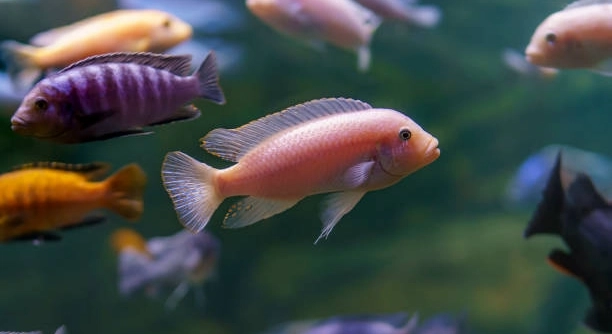
Convict fry are small but striking fish that many aquarium enthusiasts enjoy keeping. Despite their beauty, they often struggle to grow and thrive. Understanding the factors that affect their health is essential for any dedicated fish keeper.
Several common factors can prevent convict fry from thriving, including poor water quality, overcrowding, insufficient nutrition, improper temperature, lack of hiding spaces, stress from aggressive tank mates, and inconsistent feeding schedules. Addressing these issues can significantly improve their growth and survival.
By identifying and correcting these obstacles, you can create a healthier environment for your fry. Each detail matters when aiming to support their growth and long-term well-being.
Poor Water Quality
Maintaining clean water is critical for convict fry. Even small amounts of waste or uneaten food can quickly degrade water quality, leading to stress or disease. Fry are particularly sensitive to ammonia, nitrites, and nitrates, which can stunt growth or even cause death. Frequent water changes and proper filtration help maintain a stable environment. Testing the water regularly ensures that pH, hardness, and temperature remain within safe levels. Avoid overcrowding, as too many fish in a small space can accelerate water contamination. Introducing live plants can also help absorb toxins and provide hiding spots. Keeping a consistent cleaning schedule is important, and sudden changes in water parameters should be avoided, as fry do not adjust easily. Observing their behavior can indicate water problems, such as lethargy or unusual swimming patterns. Proper care and monitoring can prevent common health issues and promote healthy growth. Water quality is the foundation of a thriving tank.
Poor water quality directly affects fry growth and survival. Maintaining stable, clean water is essential for their health.
Even minor fluctuations in water parameters can create stress, suppress appetite, or weaken immune systems. Fry exposed to ammonia or nitrites may show slowed growth, abnormal swimming, or lethargy. Regular partial water changes, proper filtration, and monitoring pH and hardness are critical. By providing a consistent environment, fry develop normally and are less prone to disease. Additionally, maintaining cleanliness reduces the likelihood of fungal or bacterial infections, which can spread quickly among small fish. Observation is key: watching for changes in activity or color helps detect problems early. Incorporating plants and hiding spots can enhance water quality and reduce stress. These measures ensure a stable, safe habitat, allowing convict fry to grow strong and healthy without unnecessary setbacks.
Overcrowding
Too many fry in one tank limits swimming space and increases competition for food, which slows growth and causes stress.
Overcrowding raises waste levels and makes maintaining water quality harder, directly impacting fry health.
Fry need room to move, explore, and establish territories. When a tank is overcrowded, weaker fry often get pushed aside and may not get enough food, leading to uneven growth. Crowded conditions also increase aggression and stress, making fry more susceptible to disease. Separating fry into appropriately sized tanks or reducing the number of fish per tank can help them thrive. Proper spacing ensures each fry receives enough nutrition, swims freely, and grows consistently. Monitoring tank population and adjusting as fry mature is important to maintain balance.
Improper Nutrition
Fry require frequent feedings with high-quality food. Poor diet slows growth and weakens immune systems.
Providing fry with appropriate nutrition is essential. They need small, frequent meals of protein-rich food, such as finely crushed flakes, powdered fry food, or live foods like baby brine shrimp. Inadequate nutrition leads to stunted growth, lethargy, and higher susceptibility to disease. Avoid overfeeding, as leftover food can pollute the tank and harm water quality. Balancing nutrients ensures fry develop strong bodies, vibrant colors, and healthy immune systems. Consistency in feeding schedules supports steady growth and reduces stress. Observing their behavior after feeding helps gauge whether they are eating enough. Proper nutrition directly impacts their survival and overall vitality, making it a priority in any tank setup.
Feeding fry multiple times daily with protein-rich food promotes steady growth. Avoid overfeeding and maintain a clean environment for health.
Live foods like daphnia or newly hatched brine shrimp provide essential nutrients and stimulate natural hunting behaviors. Powdered or finely crushed flakes supplement their diet, ensuring fry receive all necessary vitamins and minerals. Rotating food types prevents deficiencies and keeps growth consistent. Monitoring leftover food is important to avoid water contamination. A proper diet also strengthens fry immunity, reducing mortality rates. Consistent feeding schedules, combined with a clean tank, allow fry to develop healthily and reduce stress-related issues. By prioritizing nutrition, growth becomes more predictable, and fry can reach their full potential with fewer setbacks.
Stress from Aggressive Tank Mates
Aggressive tank mates intimidate fry, limiting movement and access to food.
Fry exposed to aggressive fish may hide constantly, reducing feeding opportunities and slowing growth. Stress weakens immunity, increasing disease risk and mortality.
Aggressive fish can dominate the tank, chasing or nipping fry. Even minor harassment can cause fry to expend energy avoiding attacks instead of growing. Providing hiding spots, plants, or separate rearing tanks reduces stress and promotes healthier behavior. Fry kept with compatible species develop steadily, maintain appetite, and remain more active. Observing interactions helps identify problem fish early, preventing unnecessary losses. Careful tank planning and monitoring ensure fry have a safe environment, free from intimidation and constant stress. Reducing aggression allows them to grow efficiently, display natural behaviors, and reach maturity without avoidable setbacks.
Inconsistent Feeding
Irregular feeding disrupts growth and weakens fry. Fry need consistent meals to develop properly and maintain energy throughout the day.
Skipping feedings or changing schedules can cause stress and uneven growth. Consistency ensures fry receive adequate nutrition and promotes steady development, reducing vulnerability to disease.
Lack of Hiding Spaces
Fry require hiding spots to feel secure. Open tanks increase stress and limit normal behaviors.
Providing plants, rocks, or small shelters helps fry avoid stress. Hiding spaces reduce aggression, allow rest, and encourage natural exploration, contributing to overall health and steady growth.
Improper Temperature
Temperature fluctuations slow growth and can be fatal. Convict fry thrive in stable, warm water, typically between 75°F and 80°F. Maintaining a consistent temperature with a reliable heater promotes healthy metabolism and reduces stress.
Poor Observation
Neglecting to monitor fry can allow small problems to become severe. Regularly watching their behavior, appetite, and growth helps detect issues early. Immediate action on water quality, feeding, or aggression prevents setbacks and supports consistent development, ensuring fry stay healthy and strong.
FAQ
How often should I feed convict fry?
Convict fry require frequent, small feedings. Ideally, they should be fed three to five times daily, depending on tank size and fry population. Using finely crushed flakes, powdered fry food, or live foods like baby brine shrimp ensures they get enough protein and nutrients for steady growth. Consistent feeding schedules prevent stress and reduce competition for food. Observing their eating behavior is important—fry should be active and eager during feeding. Any leftover food should be removed promptly to avoid water contamination, which can harm their health and slow development.
What water parameters are best for fry?
Convict fry grow best in stable water conditions. Keep the temperature between 75°F and 80°F and maintain pH around 6.5 to 7.5. Hardness should be moderate, and ammonia, nitrites, and nitrates must be kept at safe levels. Regular water testing and partial water changes help maintain these conditions. Avoid sudden changes in temperature or pH, as fry are sensitive to fluctuations. Adequate filtration is essential, but ensure strong currents do not stress the fry. Clean water is the foundation for healthy growth, proper feeding behavior, and disease prevention.
How can I prevent aggression in the tank?
Aggression from older fish or tank mates can stress fry and limit their access to food. Providing plenty of hiding spaces with plants, rocks, or artificial shelters is key. If aggression persists, separating fry into a dedicated rearing tank may be necessary. Avoid mixing fry with overly active or territorial species. Observing behavior regularly helps identify aggressive individuals early, reducing the risk of injuries or death. Reducing stress through tank layout, appropriate companions, and environmental enrichment allows fry to swim freely, feed properly, and grow consistently.
What is the best diet for convict fry?
A varied diet supports strong growth. Live foods like newly hatched brine shrimp or daphnia provide essential protein. Powdered or finely crushed flakes supplement vitamins and minerals. Feeding small amounts multiple times daily ensures fry receive enough nutrition without polluting the water. Rotating food types prevents deficiencies and encourages natural hunting behavior. Avoid overfeeding, as leftover food can decay quickly, impacting water quality. A balanced diet strengthens immunity, promotes proper development, and helps fry reach maturity with fewer health issues. Monitoring growth and adjusting food types over time keeps fry healthy and active.
How important are hiding spots?
Hiding spots reduce stress and protect fry from aggression. Dense plants, rocks, or small shelters provide security and encourage natural behaviors. Fry feel more confident exploring the tank when they can retreat to safe areas. Without adequate hiding spaces, fry may remain in corners, eat less, and grow unevenly. Observing their use of shelters can help optimize tank layout. A well-planned environment allows fry to rest, feed, and develop without constant stress, which is essential for survival and consistent growth.
Can water temperature fluctuations harm fry?
Yes, sudden temperature changes can stress fry and slow growth. Convict fry are best kept in stable, warm water between 75°F and 80°F. Sudden drops or spikes in temperature can weaken immunity, reduce appetite, and increase susceptibility to disease. Using a reliable heater and monitoring water temperature daily prevents harmful fluctuations. Gradual adjustments are necessary when making changes to the tank environment. Consistent temperature helps maintain metabolic rate, energy levels, and overall health, ensuring fry grow efficiently and remain active throughout their development.
How do I monitor fry health effectively?
Regular observation is key to preventing problems. Watch for changes in swimming patterns, coloration, or appetite. Lethargy, hiding excessively, or abnormal swimming may indicate water quality issues, stress, or disease. Frequent visual checks and monitoring growth rates help detect small problems before they become serious. Combining observation with water testing, feeding consistency, and proper tank maintenance creates a stable environment. Taking immediate action when issues arise ensures fry remain healthy, grow steadily, and avoid unnecessary setbacks. Preventative care is always easier than correcting advanced problems.
When should I separate fry from parents?
Separating fry early prevents aggression and ensures equal access to food. Once fry are mobile and feeding actively, moving them to a separate tank reduces stress and competition. Parents may eat small fry if left together, so timely separation is crucial. A dedicated rearing tank with hiding spaces, clean water, and proper nutrition gives fry the best chance to grow consistently. Regular monitoring ensures they remain healthy and reduces risks from overcrowding or aggressive behaviors in a mixed tank. Separation supports survival and allows fry to develop without interference.
How often should I clean the fry tank?
Partial water changes every two to three days help maintain stable water quality. Remove uneaten food and waste promptly to prevent ammonia buildup. A clean tank supports growth, reduces disease risk, and keeps fry active. Over-cleaning or strong currents should be avoided, as fry are sensitive to stress. Maintaining proper filtration while ensuring gentle water flow creates a balanced environment. Observing fry during cleaning allows for early detection of health or behavioral issues. Regular maintenance and monitoring are key to fostering a thriving fry population.
What are signs of stress in convict fry?
Stress can be seen through sluggish movement, hiding constantly, reduced appetite, or abnormal swimming. Crowding, poor water quality, aggression, and inconsistent feeding are common causes. Addressing these factors promptly helps restore normal behavior. Stress weakens immunity and slows growth, making early intervention critical. Providing proper diet, hiding spots, stable water conditions, and compatible tank mates reduces stress and promotes healthy development. Observing fry daily allows for timely corrections, ensuring fry remain active, feed properly, and grow steadily. Stress management is essential for survival and thriving growth.
Final Thoughts
Keeping convict fry healthy and thriving requires consistent attention to detail. Small mistakes in water quality, feeding, or tank setup can have a big impact on their growth. Maintaining stable water parameters, including temperature, pH, and hardness, is crucial. Regular partial water changes help remove toxins and keep the environment clean. Overcrowding should be avoided to reduce stress and ensure each fry has access to food and space. Providing hiding spots with plants, rocks, or shelters gives fry a sense of security and encourages natural behaviors. These simple steps create a stable and safe environment, allowing fry to grow steadily and maintain good health.
Nutrition plays a key role in fry development. Fry need small, frequent feedings with high-quality food to support rapid growth and strong immune systems. Protein-rich options, such as powdered fry food or live foods like baby brine shrimp, supply essential nutrients. Avoiding overfeeding is equally important, as leftover food can pollute the water and harm the fry. Consistent feeding schedules help fry develop evenly and reduce stress. Observing how they respond to food allows adjustments as needed, ensuring all fry receive adequate nutrition. Combining proper diet with clean, well-maintained water creates optimal conditions for growth and helps fry reach maturity with fewer health issues.
Monitoring and observation are just as important as proper care. Watching fry for changes in behavior, appetite, or swimming patterns can reveal early signs of stress or health problems. Addressing issues quickly prevents them from becoming serious and supports steady growth. Aggressive tank mates, inconsistent feeding, or sudden changes in water conditions can all create problems if not corrected. By carefully managing the tank environment, providing proper nutrition, and observing fry regularly, you can support their long-term health. Every small effort contributes to stronger, more active fry that develop naturally and reach their full potential. Consistency and attention make all the difference in creating a thriving environment for convict fry.

Hello,
If you enjoy the content that we create, please consider saying a "Thank You!" by leaving a tip.
Every little bit helps us continue crafting quality advice that supports the health, happiness, and well-being of pets around the world, for pets of all shapes, sizes, and species.
We really appreciate the kindness and support that you show us!