
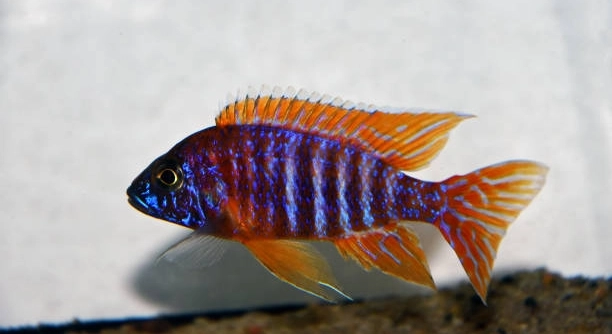
Many aquarium keepers notice their cichlids living peacefully yet never forming pairs, which can feel confusing and disappointing when breeding expectations remain unmet despite proper care, stable water conditions, compatible tank mates, and observation time.
The primary reason cichlids never pair up is linked to social hierarchy, incompatible sex ratios, and environmental limitations. Stress, immature specimens, or unsuitable tank size can suppress natural bonding behaviors, even when water quality and nutrition are adequately maintained consistently.
Understanding pairing challenges helps create better conditions, improve expectations, and support healthier cichlid communities through informed tank management choices overall.
Why Cichlids Do Not Always Form Pairs
Cichlids rely heavily on social structure, and pairing does not happen randomly. In many tanks, dominant fish control space and food, leaving weaker individuals without confidence to bond. I have noticed that constant chasing, overcrowding, or poor hiding spots can stop natural behaviors. Even when male and female fish are present, they may ignore each other if stress remains high. Age also matters, since younger fish often focus on growth rather than reproduction. Some species only pair during specific conditions, such as seasonal changes or stable territories. When these needs are unmet, pairing is delayed or avoided completely. Understanding this behavior helps remove frustration and shifts attention toward improving daily conditions instead of forcing outcomes. A calm environment supports bonding better than frequent changes or interference. This approach allows keepers to observe patterns, adjust layouts, and give fish time to settle naturally without unnecessary pressure from outside influences and stress.
Tank size plays a major role. Limited space restricts territory building, while constant movement around the aquarium increases tension. I learned that adding visual barriers and reducing stocking levels often changes behavior within weeks. This adjustment creates stability and allows fish to interact without feeling crowded or threatened by others.
Sex ratios are another overlooked factor. Keeping too many males together often leads to aggression instead of pairing. In contrast, balanced groups allow natural selection to occur. I prefer starting with juveniles and letting bonds form naturally over time. Forced pairing rarely works and can cause injuries. Observation is essential, since subtle signs like shared shelter or reduced aggression signal progress. Removing excess fish may be necessary to maintain peace. Patience remains important, as some cichlids take months to show interest. Consistency in care supports these slow developments. This steady approach reduces stress and supports healthier social outcomes overall long-term.
When Pairing May Never Happen
Some cichlids simply never pair, even under ideal conditions. Individual temperament varies, and not every fish follows expected patterns. Accepting this reality helps shift focus toward overall health rather than breeding success. I have found peace in prioritizing calm behavior and long-term stability within the tank over expectations and assumptions.
Breeding is often treated as a goal, but it should never define success in fish keeping. A healthy cichlid displays strong color, steady appetite, and confident movement. I focus on these signs more than pairing itself. Providing clean water, stable temperatures, and proper nutrition supports well-being regardless of breeding outcomes. Tank enrichment matters, including rocks, caves, and clear territory boundaries. These elements reduce conflict and support natural behavior. Some fish remain solitary by preference, and forcing interaction only increases stress. Observing each fish as an individual leads to better decisions. Over time, this mindset creates a more balanced aquarium where fish thrive without pressure. Pairing may happen, or it may not, but the tank can still be successful. I remind myself that aquariums are living systems, not checklists. When expectations are relaxed, daily care becomes more rewarding. Watching subtle behaviors, routine feeding, and calm interactions brings satisfaction. Each setup reflects patience and responsibility. By respecting natural limits, I maintain a tank that feels stable and ethical, where fish live comfortably without constant adjustment or unnecessary disruption. This approach supports consistency, reduces mistakes, and encourages thoughtful decisions that benefit both fish and keeper over time without pressure or unrealistic outcomes attached.
How to Improve Pairing Conditions
Improving pairing conditions starts with reducing stress and creating space. I focus on stable water parameters, fewer tank mates, and consistent lighting. These basics encourage natural behavior and lower tension. Small changes often lead to noticeable shifts in interaction and comfort over time for most community setups in home aquariums.
Tank layout plays a major role in social stability. I rely on rocks, plants, and caves to break lines of sight and define territories. When fish can retreat, aggression drops naturally. Feeding routines should stay consistent to avoid competition. I also avoid frequent rescaping, since constant changes disrupt hierarchy. Observing behavior after adjustments helps guide next steps. Some fish respond quickly, while others need weeks. Allowing this time prevents unnecessary interference. A steady environment gives cichlids the chance to interact on their own terms without pressure or forced outcomes during sensitive social development periods in shared aquarium settings overall long-term.
Stocking choices influence long-term behavior more than many realize. I prefer starting with juveniles raised together, since familiarity reduces tension later. Buying adult fish increases risk of conflict. Sex ratios matter, especially in species with strong dominance patterns. Too many males limit bonding and increase chasing. Gradual observation allows removal of aggressive individuals when needed. This step often restores balance. Keeping detailed notes helps track changes. Over time, patterns emerge that guide smarter decisions. These small efforts support healthier dynamics without forcing unnatural pairing behavior across mixed cichlid tanks in home aquariums over extended care periods and setups overall stability.
Adjusting Expectations as a Keeper
Knowing when not to intervene is just as important. I remind myself that silence and distance often solve more than constant adjustments. Watching fish settle teaches patience. If health and behavior remain stable, pairing is not required. Accepting individual differences reduces stress for both keeper and fish. This mindset allows enjoyment of the tank without constant expectations or disappointment tied to breeding outcomes alone within long-term aquarium care routines and daily observation habits overall balance.
Letting go of strict goals creates a healthier approach to fish keeping. I stopped measuring success by spawning behavior alone and focused on daily stability. Regular maintenance, calm feeding, and predictable lighting support confidence. Fish respond well to routine. When pressure is removed, behavior often improves naturally. Some bonds form quietly, others never do. Both outcomes are acceptable. This perspective reduces unnecessary changes that disrupt social balance. Over time, the tank feels calmer. Observing subtle interactions becomes more rewarding. Respecting natural limits builds trust in the process. Consistency replaces urgency. This approach supports ethical care and long-term success without frustration for keepers managing mixed species tanks over extended periods with realistic expectations and thoughtful decision making habits developed slowly through experience and careful observation overall.
Observing Social Signals
Monitoring behavior daily helps identify whether pairing is realistic. I watch for reduced aggression, shared shelter use, and tolerance during feeding. These signs indicate comfort. Their absence suggests the fish prioritize territory or safety instead of bonding, which is acceptable within stable tanks maintained carefully by attentive keepers over time.
I avoid reacting too quickly when interactions seem distant. Constant changes often increase stress. Giving fish time to settle reveals true behavior patterns. Stability supports confidence, even if pairing never happens. Calm observation leads to better long-term decisions and healthier aquariums overall for both fish and keeper without pressure added.
Choosing Compatible Tank Mates
Tank mates influence social outcomes more than decorations alone. I limit aggressive species and avoid mixing incompatible temperaments. Peaceful companions reduce tension and allow natural behavior. Overstocking increases competition and suppresses bonding instincts. I choose fewer fish with adequate space instead. Observing hierarchy changes after removals often brings relief. Feeding multiple areas reduces conflict. Consistent maintenance prevents stress spikes. These choices support stability and allow cichlids to interact naturally, without constant disruption from crowding, competition, or unpredictable environmental shifts over time with patience and thoughtful restraint from the keeper applied consistently during long-term care routines in shared home aquariums settings.
Allowing Time for Maturity
Breeding readiness depends on maturity and timing. I have learned that rushing expectations leads to disappointment. Some cichlids require months or years to show interest. Providing steady care allows natural cycles to unfold without interference or forced pairing attempts within stable, well-maintained aquarium environments supported by consistent routines over time.
FAQ
Why do my cichlids seem healthy but still never pair up?
Healthy cichlids can still choose not to pair. I have seen fish eat well, show strong color, and behave calmly while remaining solitary. Pairing depends on social preference, maturity, and environment, not health alone. Some fish simply do not respond to others in a breeding way. As long as stress is low and behavior is stable, this is not a problem. I stopped worrying once I separated health from breeding expectations. That change made fish keeping feel more balanced and realistic over time.
Can changing the tank setup encourage pairing?
Adjusting the tank can help, but it does not guarantee results. I focus on adding hiding areas, breaking sight lines, and keeping the layout stable. These changes reduce tension and allow natural interaction. Constant rearranging often backfires and causes stress. When I made slow adjustments and then stepped back, behavior improved. Pairing still did not always happen, but aggression dropped. A calm environment supports better outcomes, even if bonding never forms.
Does tank size affect whether cichlids pair?
Tank size matters more than many people expect. Smaller tanks limit territory and increase conflict. I noticed that once fish had room to establish space, they interacted more calmly. Larger tanks allow choice, which is important for pairing. Without space, fish focus on survival instead of bonding. Even with the right sex ratio, a cramped tank limits natural behavior. Adequate space supports confidence and reduces constant chasing, which helps overall stability.
Should I separate fish to force a pair?
I avoid forcing pairs. Separating fish often increases stress and can lead to injury. I tried this early on and saw no positive results. Fish either accept each other naturally or they do not. Forced proximity rarely changes preference. It is better to manage the group environment and let interactions develop naturally. Accepting this reduced unnecessary interference and improved tank harmony overall.
How long should I wait before expecting pairing behavior?
Time frames vary widely. Some cichlids take months, others years. I learned that watching growth and behavior is more useful than counting days. Juveniles often show no interest at all. Adults may need stable conditions for long periods before showing changes. Rushing expectations usually leads to disappointment. Patience allows natural cycles to unfold without constant adjustments that disrupt progress.
Do water parameters affect pairing behavior?
Stable water parameters matter, but perfection is not required. I aim for consistency rather than constant testing and tweaking. Sudden changes cause stress and suppress natural behavior. When temperature, pH, and cleanliness stay steady, fish act more confidently. Pairing may still not occur, but stability supports overall well-being. I found that calm fish interact more naturally, even without breeding.
Is it normal for one fish to show interest while the other does not?
Yes, this is common. I have observed one fish defending space or displaying while the other ignores it completely. Interest must be mutual for pairing to happen. When it is not, forcing interaction leads to chasing or hiding. Accepting mismatched interest helps avoid unnecessary changes. Over time, dynamics may shift, or they may remain the same. Both outcomes are normal.
Does feeding routine influence pairing?
Feeding affects stress and hierarchy. I feed consistently and in multiple areas to reduce competition. When fish feel secure about food access, aggression drops. This creates better conditions for natural interaction. Irregular feeding increases tension and distracts from bonding behavior. While feeding alone will not cause pairing, it supports a calmer environment that allows natural behavior to show.
What if none of my cichlids ever pair?
This outcome is more common than many expect. I reached a point where I accepted that pairing is optional, not required. A tank can still be successful without breeding. Strong color, steady appetite, and calm movement matter more. Letting go of breeding goals made daily care more enjoyable. The tank felt stable, and my expectations became more realistic over time.
Should I remove aggressive fish to encourage pairing?
Removing aggressive individuals can help reduce stress. I only do this after careful observation. Sometimes one dominant fish prevents all others from settling. Once removed, behavior often improves. This does not guarantee pairing, but it restores balance. Decisions like this should focus on group stability rather than breeding outcomes alone.
Final Thoughts
Keeping cichlids teaches patience more than almost any other aquarium experience. Over time, I learned that pairing is not a guaranteed outcome, even with careful planning and proper care. Fish respond to their environment and to each other in ways that cannot always be predicted or controlled. When expectations are too rigid, frustration tends to follow. Shifting focus toward daily stability helped me appreciate the tank for what it was, rather than what I hoped it would become. Healthy behavior, calm movement, and consistent routines became better indicators of success than breeding activity. This mindset reduced unnecessary changes and allowed the aquarium to settle into a more natural rhythm. Accepting that some fish prefer solitude made observation more interesting and less stressful. Each cichlid displayed its own pattern of behavior, and those differences added depth to the experience rather than disappointment. Stability proved more valuable than outcomes tied to pairing alone.
Aquarium care feels more rewarding when progress is measured through balance instead of results. Clean water, predictable lighting, and thoughtful stocking create a foundation where fish can thrive regardless of social outcomes. I noticed that once I stopped intervening frequently, behavior became calmer overall. Aggression decreased, feeding became smoother, and the tank required fewer corrections. This consistency allowed fish to express natural behavior without constant disruption. Pairing, when it happened, felt organic rather than forced. When it did not, the tank still felt complete. Letting go of control encouraged better long-term decisions. Observation replaced intervention, and patience replaced urgency. Over time, this approach reduced mistakes and built confidence. The aquarium became a stable environment rather than an ongoing project that needed constant fixing. This shift supported both fish welfare and personal satisfaction.
Fish keeping works best when expectations remain flexible. Cichlids are complex animals with individual preferences that do not always align with common advice or breeding goals. Respecting those limits leads to ethical and sustainable care. I found value in slowing down, watching subtle changes, and trusting routine. Each day brought small confirmations that the tank was functioning well, even without visible milestones like pairing. This perspective encouraged long-term commitment instead of short-term fixes. Success became quieter and more consistent. By focusing on well-being rather than outcomes, the aquarium felt less like a task and more like a steady presence. That balance made the experience fulfilling. Accepting uncertainty allowed the tank to evolve naturally. In the end, a calm and healthy environment mattered more than any specific behavior, and that realization reshaped how I approached care moving forward.

Hello,
If you enjoy the content that we create, please consider saying a "Thank You!" by leaving a tip.
Every little bit helps us continue crafting quality advice that supports the health, happiness, and well-being of pets around the world, for pets of all shapes, sizes, and species.
We really appreciate the kindness and support that you show us!