
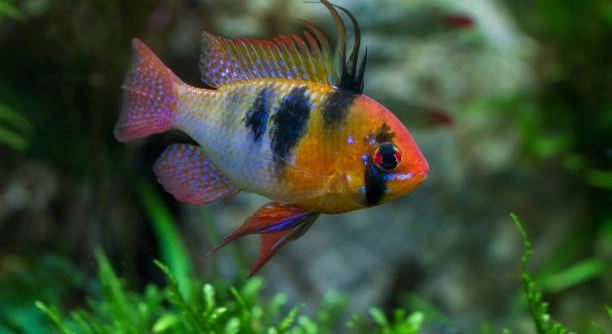
Do you ever notice your convict cichlids constantly moving sand around in their tank? Their persistent digging and shifting can catch your attention and make you wonder about their unusual behavior and purpose in the aquarium.
Convict cichlids rearrange sand primarily to create suitable nesting sites and establish territory. This behavior supports breeding, offers protection for eggs and fry, and demonstrates social hierarchy within the tank environment, reflecting natural instincts observed in their wild habitats.
Observing these behaviors closely can help you better support their environment and maintain a healthy, balanced aquarium. It also reveals more about their natural instincts.
Understanding Their Nesting Behavior
Convict cichlids are natural diggers, and their sand rearranging is closely tied to their nesting instincts. When they start moving sand, they are often selecting and preparing a site for laying eggs. This includes clearing debris, leveling surfaces, and sometimes piling sand to form small mounds. Both males and females participate, but the female usually takes a more active role in preparing the nest. This behavior is strongest during breeding periods, and even if no eggs are present, the instinct remains. Watching this process can give insight into their social structure, as dominant pairs often secure the best areas. Their movements are deliberate, showing that they are not just restless but engaged in purposeful activity. Over time, the sand patterns in your tank may reveal repeated nesting areas. Providing smooth substrates and some hiding spots can make them feel secure and reduce stress.
Nest building helps convict cichlids feel secure and maintain territory, which keeps their environment more stable and less stressful.
This behavior can also indicate health and well-being. If a fish is not moving sand, it may signal stress or illness. By observing these patterns, you can ensure that tank conditions support natural behaviors, such as maintaining proper water parameters, providing enough space, and including suitable decorations. Additionally, understanding this behavior allows better planning for breeding if desired. Adjusting tank layout and monitoring interactions can prevent conflicts and ensure a harmonious environment for all fish.
Territorial Sand Rearranging
Convict cichlids also move sand to mark and defend their territory.
They use sand as a visual and physical boundary within the tank. This behavior shows dominance and helps prevent disputes with other fish. The rearranged sand can create paths, barriers, or elevated areas that communicate ownership. Tank mates often recognize these patterns, which reduces aggression. Territorial digging also stimulates natural instincts, keeping the fish active and engaged. A well-maintained substrate allows them to express these behaviors fully.
Territorial sand rearranging can be intense, particularly when new fish are introduced. Males often patrol their area, shifting sand to reinforce boundaries. This can include scooping up small piles and flinging them around, sometimes disturbing plants or decorations. The activity is more pronounced in smaller tanks where space is limited. Females may also participate to protect nesting zones. Providing ample substrate and designing the tank with multiple hiding spots can reduce conflicts. Observing how sand is moved can help identify dominant and submissive fish, guiding adjustments to prevent injury. Tank maintenance should account for this behavior, ensuring that filtration and cleaning routines do not disrupt established territories. Over time, these patterns reflect the hierarchy and comfort level of your convict cichlids, offering insight into their social dynamics and overall well-being.
How Sand Rearranging Benefits Fry
Moving sand creates safe spots for eggs and fry. Convict cichlids carefully clear and shape areas to reduce risk from currents or other fish.
This behavior ensures that eggs are protected from debris and potential predators. By moving sand, the parents can make shallow pits or small mounds that keep eggs in place. It also allows for better oxygen flow around the eggs, supporting healthy development. The female often stays close to the nest, fanning water over the eggs while the male guards the perimeter, keeping the area safe from intruders.
The activity also helps the fry once they hatch. Newly hatched fry rely on these prepared areas for shelter and feeding. The sand pits provide hiding spots and make it easier for the parents to guide the young. This behavior increases survival rates, as fry have a secure starting environment. Watching these interactions can show how devoted convict cichlids are to their offspring and how instinct drives their tank behaviors.
Substrate and Tank Setup Considerations
A soft, fine substrate is ideal for sand rearranging, allowing cichlids to dig without stress. Multiple hiding spots reduce conflicts.
Choosing the right substrate supports natural behaviors and prevents injury. Gravel can be too sharp, while sand allows smooth digging. Including rocks, caves, or plants gives the fish choices for nesting and territory, helping reduce aggression. Regular observation ensures that rearranged sand does not block filters or disturb tank flow. Adjusting decorations and substrate layout can encourage healthy digging without creating hazards.
Tank size also impacts sand rearranging behavior. Smaller tanks may lead to more frequent digging and territorial disputes because space is limited. Larger tanks give fish room to express these behaviors naturally, creating multiple nesting zones. Maintaining water quality and monitoring interactions is easier when the substrate supports safe digging. Proper tank planning ensures that both natural instincts and fish safety are prioritized, making the aquarium environment healthier and more stable for convict cichlids.
Signs Your Cichlids Are Preparing to Breed
Convict cichlids often dig more aggressively when preparing to breed. Sand rearranging, digging pits, and clearing flat areas are key signs.
Males may patrol the area and chase other fish away. Females typically focus on shaping the nest and fanning water over eggs once laid.
Recognizing Stress vs. Natural Behavior
Excessive digging can sometimes indicate stress. Poor water quality, overcrowding, or insufficient hiding spots may trigger repeated sand movement. Observing tank conditions helps distinguish normal behavior from stress-driven activity.
Managing Sand Displacement in Small Tanks
Providing deeper sand and rearranging decorations can help contain displaced material. This reduces mess while allowing cichlids to express natural behaviors.
Feeding Influence on Digging
Well-fed cichlids tend to dig less randomly. A consistent diet supports healthy energy levels and reduces unnecessary substrate disturbance.
FAQ
Why do convict cichlids dig so much in the sand?
Convict cichlids dig primarily to create nesting sites and mark territory. Digging is a natural behavior linked to breeding instincts. They move sand to form pits, piles, or cleared areas that can hold eggs safely and provide a sense of security for their territory.
Does sand rearranging mean they are stressed?
Not always. While excessive or frantic digging can indicate stress, most sand movement is normal and instinctual. Stress-related digging usually comes with other signs, such as hiding, loss of appetite, or aggression. Healthy cichlids display deliberate, repeated digging patterns rather than random bursts.
Should I be worried if they move sand constantly?
Constant movement is generally normal. Convict cichlids are active diggers, and frequent sand rearrangement reflects natural behavior. Problems only arise if it interferes with filtration, plants, or tank decorations. Adjusting substrate depth or adding hiding spots can help manage disturbances without stopping the behavior.
Can sand digging harm them or the tank?
Sand digging rarely harms the fish if the substrate is soft and free of sharp edges. However, it can disturb decorations, plants, or filter intake. Using a fine, rounded sand and anchoring decorations can prevent damage while allowing fish to dig freely.
Do males and females dig differently?
Yes. Females usually focus on nest preparation and fanning eggs, while males patrol the territory and create mounds to assert dominance. Both contribute to territory maintenance, but the male’s digging is often more about boundaries and display, whereas the female’s is closely tied to reproduction.
How deep should the sand be for digging?
A depth of at least two to three inches is ideal. This gives the cichlids room to dig pits, move sand, and create nests without exposing hard substrate underneath. Too shallow sand limits natural behavior, while too deep may complicate tank cleaning.
Do they move sand when they are not breeding?
Yes. Even outside breeding periods, convict cichlids may dig to explore, mark territory, or establish dominance hierarchies. The intensity is usually lower, but the behavior remains consistent. Providing enough space and substrate allows them to express these instincts safely.
Can I prevent sand rearranging completely?
It is not recommended. Sand movement is a natural instinct and part of their well-being. Preventing it can cause stress or aggression. Instead, managing substrate depth, tank layout, and decoration placement can minimize disruption while allowing natural behaviors to continue.
Does sand rearranging help fry survival?
Absolutely. Nest preparation creates secure areas for eggs and young fry. Shallow pits or small mounds protect eggs from currents and debris. After hatching, fry use these prepared areas for shelter, increasing their survival chances. Parents actively guide and protect the young in these spaces.
What tank setup supports sand digging best?
A tank with fine, soft sand, multiple hiding spots, and enough floor space works best. Decorations should be anchored and arranged to withstand digging. Proper filtration and water flow help maintain cleanliness despite displaced sand, while plants can be positioned to tolerate occasional disruption.
Can sand rearranging indicate breeding readiness?
Yes. When digging becomes more intense and deliberate, especially with paired cichlids, it often signals preparation for breeding. Females focus on flattening areas for eggs, while males establish mounds or patrol zones. Observing these patterns can help predict breeding behavior in advance.
Is this behavior common in other cichlid species?
Many cichlids dig, though the intensity varies by species. Convict cichlids are particularly active diggers, but other species like firemouths or dwarf cichlids may also move substrate for nesting or territorial purposes. Understanding each species’ natural behavior helps manage tank setup and expectations.
How often should I rearrange decorations to accommodate digging?
Only if digging causes functional problems, such as blocked filters or uprooted plants. Frequent rearrangement is unnecessary. Instead, plan decorations to be stable and withstand natural sand movement, allowing fish to dig without constant human intervention.
Does diet affect sand rearranging?
Yes. Well-fed convict cichlids tend to dig with purpose rather than out of hunger or stress. Providing a balanced diet supports energy levels for natural behaviors, reducing unnecessary or frantic substrate movement while keeping the fish healthy and active.
Can sand digging indicate aggression?
Sometimes. Digging can be part of establishing dominance or defending territory, especially among males. Aggression is more likely if paired with chasing, nipping, or blocking access to certain areas. Proper tank size, hiding spots, and monitoring interactions help prevent conflicts.
How do I keep plants safe from digging?
Use anchored plants, heavier pots, or artificial decorations to prevent uprooting. Fast-growing plants with strong root systems tolerate occasional disturbance. Position delicate plants where digging is less frequent or provide protective barriers around them.
Will they dig more in small tanks?
Yes. Limited space can intensify territorial behavior and sand movement. Providing adequate substrate, multiple hiding spots, and careful tank layout helps manage increased digging activity in smaller aquariums.
Are there signs that digging is excessive?
Excessive digging usually looks frantic, random, or damaging to tank equipment and plants. Paired with stress behaviors, poor water quality, or injuries, it indicates a problem. Observing patterns helps distinguish normal instincts from concerning activity.
Can sand rearranging affect water quality?
Yes, loose sand can temporarily cloud water and shift debris toward filters. Regular maintenance, proper filtration, and substrate depth management prevent long-term issues, ensuring clean, healthy water despite digging activity.
How can I encourage natural digging safely?
Provide soft sand, sufficient depth, stable decorations, and hiding spots. Avoid overcrowding, monitor water quality, and allow space for territories. Observing their digging patterns helps adjust the tank layout to support instincts safely.
What is the best substrate for convict cichlids?
Fine, rounded sand is ideal. It allows smooth digging, prevents injury, and supports nest building. Avoid sharp gravel, as it can harm fish and interfere with egg laying. Sand also makes it easier to observe behavior and maintain the tank.
Can I breed convict cichlids without them moving sand?
It is unlikely. Sand digging is integral to their reproductive behavior. Nest building, pit creation, and mound formation are instinctual parts of preparing for eggs. Preventing this can stress fish and reduce breeding success. Providing safe, soft substrate encourages healthy reproduction naturally.
Do they ever stop moving sand?
Movement may decrease outside breeding periods or when territory is established. However, convict cichlids are active diggers by nature, and occasional rearranging continues throughout their life, reflecting instinctual behaviors and tank exploration.
How do I monitor their digging safely?
Observe without disturbing nests or territories. Note patterns, areas frequently dug, and interactions with other fish. Adjust decorations, substrate, or hiding spots as needed to support behavior while preventing damage to the tank or stress to the fish.
Can sand rearranging indicate health issues?
Sudden changes in digging patterns, such as frantic or absent digging, may indicate stress, illness, or poor water conditions. Monitoring overall behavior, appetite, and activity levels alongside sand movement helps detect potential health concerns early.
Is sand movement linked to temperature or lighting?
Temperature and lighting affect activity levels and breeding readiness. Higher temperatures within the optimal range can increase digging, while lower temperatures may slow activity. Proper lighting helps maintain normal behavior and circadian rhythms in convict cichlids.
How do I prevent filter clogs from sand digging?
Ensure proper filter placement, use pre-filters or sponge guards, and monitor sand depth. Fine sand may enter filters if displaced, so occasional cleaning and careful tank setup reduce clogging without restricting natural behaviors.
Can sand digging affect tank mates?
Yes, especially slower or smaller fish. Territorial or aggressive digging can stress other fish. Providing ample space, hiding spots, and separate territories minimizes conflict while allowing convict cichlids to exhibit natural behavior safely.
Do they rearrange sand in planted tanks differently?
Yes. Plants can guide digging patterns. Cichlids may avoid dense root areas or target loose substrate. Anchored or hardy plants withstand activity, while delicate species may require protection or placement away from main digging zones.
How often should I check substrate for changes?
Regular observation is key. Weekly checks ensure nests, pits, or displaced sand do not affect filtration, water flow, or plant health. Adjustments can be made without interfering with natural behavior.
Is sand rearranging louder or more noticeable in small tanks?
Yes, sounds of digging are amplified in confined spaces, and displaced sand may accumulate faster. Observing their behavior and adjusting tank layout helps manage noise and mess without restricting instincts.
What are common mistakes when managing digging behavior?
Common mistakes include using sharp gravel, overcrowding, frequent unnecessary rearrangements, and ignoring territorial disputes. Providing appropriate substrate, space, and decorations supports natural behavior while preventing stress and injuries.
How long does sand rearranging typically last during breeding?
It can last several days to weeks. Digging begins before egg laying, continues during incubation, and sometimes persists as fry explore their surroundings. Monitoring this activity helps ensure healthy nesting and fry development.
Can sand digging indicate social hierarchy?
Yes. Dominant fish often claim prime areas and move more sand, while submissive individuals adjust their territory accordingly. Observing digging patterns provides insight into tank dynamics and interactions.
Does sand rearranging require extra maintenance?
Yes. More frequent substrate cleaning, monitoring filters, and checking plant stability is necessary. Despite extra effort, supporting this behavior ensures healthier, more natural conditions for convict cichlids.
Can I replicate their natural habitat to reduce stress?
Yes. Fine sand, hiding spots, caves, and open areas encourage natural digging and nesting. Replicating these conditions supports instincts, reduces stress, and promotes breeding behavior in captivity.
Do juvenile cichlids dig as much as adults?
Juveniles dig less aggressively. Digging increases as they mature, establish territories, and reach breeding age. Providing soft sand from an early age encourages safe natural behavior as they grow.
Is sand rearranging seasonal?
It is mostly linked to breeding cycles, which can vary with temperature, lighting, and tank conditions. Outside breeding periods, digging continues at a lower intensity, reflecting instinct rather than seasonal triggers.
How can I encourage healthy digging without harming the tank?
Use fine sand, anchor decorations, provide hiding spots, and maintain water quality. Observing their behavior allows adjustments to substrate and layout, supporting natural instincts safely while protecting tank equipment and plants.
Can sand rearranging be therapeutic for fish?
Yes. Digging and rearranging sand allows cichlids to exercise, establish territory, and express instincts. It reduces boredom and stress, promoting mental and physical health in captivity.
Does tank size influence digging intensity?
Smaller tanks amplify digging due to limited space and increased territorial interactions. Larger tanks reduce conflicts and allow more natural, spread-out digging patterns, supporting healthier behaviors and overall tank harmony.
How do I know if digging is affecting water clarity?
Cloudy water after digging is normal. Persistent or severe turbidity may require substrate adjustment, better filtration, or partial water changes. Monitoring ensures clarity without restricting natural behavior.
Are there alternatives to sand for digging behavior?
While fine sand is ideal, some soft substrates like smooth, rounded gravel can work. Avoid sharp or coarse materials that may harm fish or hinder nesting. Sand remains the most suitable option for natural behavior.
Can rearranged sand impact filtration efficiency?
Yes. Piles or displaced sand can redirect water flow or block intakes. Monitoring and adjusting filter placement or using pre-filters ensures proper operation without limiting digging behavior.
Do all convict cichlids dig at the same rate?
No. Individual temperament, age, sex, and tank conditions influence digging frequency. Some are more active, while others dig selectively. Observing each fish helps manage behavior effectively.
How do I balance digging with planted aquariums?
Anchor plants, use hardy species, and position delicate plants away from main digging zones. Accept occasional disruption while maintaining healthy substrate and plant life.
Does sand rearranging indicate environmental comfort?
Yes. Active digging reflects natural instincts and indicates that the fish feel secure. Lack of movement may signal stress, poor conditions, or illness, requiring attention to habitat and tank management.
How can I reduce conflicts during digging?
Provide multiple hiding spots, ample space, and consider separating highly territorial individuals. Proper layout and monitoring interactions help minimize stress and aggression during sand rearranging.
Is it normal for cichlids to dig at night?
Yes. Digging can occur at any time, especially during breeding or territory establishment. Nighttime activity is natural, though less noticeable without observation.
Can sand rearranging indicate mood or temperament?
Yes. Calm, deliberate digging shows confidence and security, while frantic or destructive digging may indicate stress, agitation, or competition. Observing patterns helps interpret behavioral cues accurately.
Does substrate color affect digging?
Some cichlids may prefer lighter or natural-colored sand for nesting visibility. While not critical, matching substrate to natural preferences can encourage more comfortable digging and nesting behavior.
Can sand rearranging be used to monitor fish health?
Yes. Sudden changes in digging patterns, intensity, or frequency may reflect health issues. Regular observation allows early detection of stress, illness, or environmental problems.
Are there behavioral signs that accompany sand digging?
Yes. Nesting fanning, patrolling, chasing intruders, and rearranging territory often accompany digging. Recognizing these behaviors helps interpret sand movement accurately.
How do I maintain water quality with active diggers?
Use strong filtration, monitor for cloudiness, perform regular water changes, and maintain proper substrate depth. This ensures healthy water conditions despite constant sand movement.
Do they dig more in pairs or groups?
Pairs tend to dig more intensely for nesting and territory, while groups create multiple territories with occasional disputes. Space and hiding spots reduce conflicts and support natural behavior.
Can sand digging damage tank equipment?
Displaced sand may enter filters or shift decorations. Anchoring equipment, monitoring substrate depth, and using pre-filters reduce risk without limiting natural behavior.
How long does sand digging continue in adult fish?
Throughout their life. While breeding periods intensify activity, adult cichlids continue to dig for territory, exploration, and maintaining established nests, reflecting lifelong instincts.
Does digging affect oxygenation?
Yes. Fanning sand and moving substrate can increase water circulation around nests, supporting oxygen flow for eggs and fry. It also helps prevent buildup of detritus in dug areas.
Is it necessary to provide multiple digging areas?
Yes. Multiple zones reduce competition, allow natural territory establishment, and help manage aggression. Providing space and hiding spots keeps fish active and minimizes stress.
Can sand digging be fun to watch?
Yes. Observing patterns, nest building, and territorial behavior provides insight into convict cichlids’ instincts and adds an interactive element to tank management.
Does sand rearranging affect plant growth?
Occasionally. Uprooted or disturbed plants may struggle, especially delicate species. Using anchored, hardy plants or positioning vulnerable species away from digging zones helps protect them.
What is the best way to observe digging without disturbing fish?
Watch from outside the tank and avoid rearranging decorations unnecessarily. Take notes on patterns and behaviors to adjust tank setup safely.
How do I handle sand displacement in small tanks?
Deep substrate, stable decorations, and designated digging zones reduce mess. Regular maintenance and monitoring prevent excessive disruption without limiting natural behavior.
Can digging be reduced with tank mates?
Adding compatible, non-aggressive species can redirect attention, but digging is instinctual. Tank mates may influence intensity, but cannot fully stop sand movement.
Does sand rearranging indicate happiness or comfort?
Yes. Calm, purposeful digging reflects confidence, security, and satisfaction in their environment. It is a natural, healthy expression of behavior.
How do I support natural digging while preventing damage?
Provide fine sand, anchor decorations, add hiding spots, monitor water quality, and adjust layout for multiple territories. This balances instinct with tank safety.
Is digging more common in breeding pairs?
Yes. Breeding pairs increase digging activity to prepare nests, mark territory, and protect offspring. Activity can continue even after fry hatch.
Do cichlids rearrange sand in community tanks?
Yes, though behavior may be influenced by other fish. Space, hiding spots, and substrate depth help manage interactions and reduce conflict.
Can sand rearranging help with aggression management?
Yes. Allowing fish to establish territories through digging can reduce disputes, as visual and physical boundaries minimize direct confrontations.
How do I differentiate between normal and problematic digging?
Normal digging is deliberate and patterned, while problematic digging is frantic, random, or paired with stress indicators. Observing behavior and environmental conditions helps determine the cause.
Does sand rearranging change with age?
Yes. Juveniles dig less and gradually increase activity as they mature, establish territories, and reach breeding age. Adults maintain consistent patterns.
Is sand rearranging energy-intensive?
Yes. Digging requires physical effort. Well-fed fish are better able to perform this activity, supporting natural instincts without excessive fatigue.
Can sand rearranging encourage social interaction?
Yes. Territory establishment, nest preparation, and dominance displays involve interaction with tank mates, supporting natural social behaviors in a controlled environment.
Does substrate type influence digging speed?
Yes. Fine, soft sand allows smooth movement and faster nest building, while coarse or heavy substrates slow activity and may discourage digging.
Can sand digging indicate mating readiness?
Yes. Increased intensity, deliberate nest shaping, and paired activity often signal imminent breeding, especially when males patrol and females fan prepared areas.
How often should I monitor digging behavior?
Daily or every few days is sufficient. Observe patterns, interactions, and tank conditions to ensure behavior remains healthy and natural.
Do they dig differently in planted versus bare tanks?
Yes. Plants influence digging zones. Fish may avoid dense root areas but will still rearrange substrate in open spaces. Anchored or hardy plants tolerate activity.
Can sand rearranging interfere with filtration?
Yes. Displaced sand can clog or shift filters. Using pre-filters and proper placement prevents interference without restricting natural behavior.
Is digging behavior more noticeable in smaller aquariums?
Yes. Confined space amplifies territorial activity and sand displacement. Careful tank design helps manage intensity while supporting instincts.
Can sand rearranging impact water chemistry?
Minor disturbance can release detritus or nutrients into water. Proper filtration and regular maintenance minimize long-term effects while allowing normal digging.
Do both parents care for the nest?
Yes. Females primarily maintain the nest and care for eggs, while males patrol and defend territory. Cooperation ensures higher fry survival.
**Does
Convict cichlids rearranging sand is a natural and essential behavior that reflects their instincts and needs. This activity is primarily linked to breeding, territory establishment, and creating safe spaces for eggs and fry. When you notice your cichlids moving sand, they are engaging in purposeful actions rather than random digging. Each scoop, pit, and mound serves a function, whether it is preparing a nest, marking boundaries, or providing shelter for young fish. Understanding this behavior helps you interpret their actions and ensures that their environment supports these instincts. Observing the patterns of sand movement can give insight into social dynamics within the tank, showing which fish are dominant, which are more submissive, and how territory is maintained. It also provides a way to monitor overall fish health, as changes in behavior can indicate stress or illness.
Maintaining a tank that accommodates sand rearranging requires attention to substrate, decorations, and tank layout. Fine, soft sand is ideal, allowing fish to dig safely without injury. Providing multiple hiding spots and sturdy decorations helps reduce conflicts and ensures that plants or equipment are not constantly disturbed. Tank size plays an important role, as smaller tanks may increase territorial disputes and make sand movement more noticeable. Monitoring water quality and filtration is also important, as displaced sand can temporarily cloud water or enter filter intakes. Adjustments like deeper sand, pre-filters, and anchored decorations can help maintain a stable environment without restricting natural behavior. Proper feeding supports energy levels for digging and reduces unnecessary or frantic movements. A well-planned tank encourages healthy instincts while minimizing stress, helping convict cichlids thrive both physically and behaviorally.
Finally, understanding and supporting sand rearranging contributes to a healthier and more engaging aquarium experience. This behavior is not just about breeding—it reflects natural instincts that keep the fish active and mentally stimulated. Providing the right conditions allows convict cichlids to express themselves fully, from establishing territory to caring for fry. Observing their interactions and sand patterns can be rewarding, as it reveals the intelligence and complexity of these fish. Supporting their environment and maintaining suitable tank conditions ensures that their digging is productive and safe. Overall, accommodating this behavior enhances the well-being of your cichlids while maintaining a balanced, functional aquarium. By giving them space, proper substrate, and safe decorations, you are encouraging a natural lifestyle that promotes health, reduces stress, and allows the fish to thrive for years to come.

Hello,
If you enjoy the content that we create, please consider saying a "Thank You!" by leaving a tip.
Every little bit helps us continue crafting quality advice that supports the health, happiness, and well-being of pets around the world, for pets of all shapes, sizes, and species.
We really appreciate the kindness and support that you show us!