
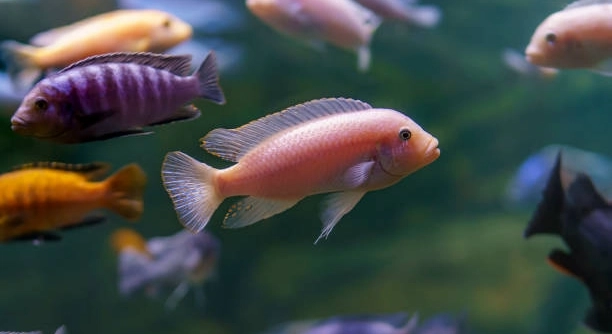
Are your convict cichlids showing unusual restlessness or extra activity around their tank? Many fish owners notice subtle changes in behavior when their fish are preparing to reproduce. Observing these behaviors early can help you manage their breeding environment effectively.
Convict cichlids display several distinct signs when ready to spawn, including territory establishment, intensified coloration, frequent cleaning of surfaces, consistent pairing behavior, increased aggression, nest digging, and synchronized swimming patterns. Recognizing these indicators allows timely preparation for breeding and care.
Monitoring these behaviors ensures you can support a healthy spawning process and provide an environment conducive to raising strong fry.
Recognizing Early Signs of Spawning
Convict cichlids often show subtle cues before spawning that can be easily missed. One of the first signs is territorial behavior. Males may patrol their space more aggressively, while females may begin cleaning flat surfaces like rocks or tank walls. You may notice changes in their color, with both fish displaying deeper, more vibrant markings. Increased swimming near each other and synchronized movements are also common. These behaviors usually indicate that the pair is preparing a nesting site. It’s important to provide smooth surfaces and stable water conditions at this stage. Some owners notice digging or moving small objects around the tank, which is part of nest preparation. These early observations allow you to adjust tank conditions, reduce stress, and ensure that your fish feel secure. Feeding high-quality protein-rich food at this stage can also support reproductive health and increase the chances of successful spawning.
Early detection allows you to act before aggression escalates or eggs are laid. Proper care at this stage is key.
By paying attention to subtle behaviors like patrolling, digging, and synchronized swimming, you can better anticipate spawning. Ensuring stable water parameters and providing hiding spots reduces stress. Observing interactions between the pair helps determine if they are compatible and ready to breed. It’s also important to monitor their diet closely, as increased protein supports energy and egg development. Avoid sudden changes in temperature or water chemistry, as these can delay or disrupt spawning. If aggression appears between tank mates, separate fish to prevent injury. Maintaining a calm and stable environment encourages natural behaviors. Regular observation also helps track when eggs are laid, allowing timely care for the fry. Understanding these behaviors ensures you are prepared for every stage of breeding and can provide the best conditions for your convict cichlids.
Preparing the Tank for Spawning
Before eggs appear, the tank setup must support the cichlids’ needs. Smooth surfaces and flat rocks encourage nest building, while hiding spaces help reduce stress.
Maintaining clean water is essential for successful spawning. Regular partial water changes keep nitrate and ammonia levels low, which prevents harm to eggs and fry. A stable temperature between 75–80°F supports reproductive activity. Avoid sudden lighting changes that can disrupt behavior. Providing a high-protein diet before and during spawning ensures both parents have the energy needed for guarding and caring for eggs. It’s also important to observe interactions; aggression can escalate if the pair feels crowded. If necessary, adjust decorations to give each fish a defined territory. Once eggs are laid, remove other tank mates that may eat or disturb them. Consistent monitoring and a calm environment increase survival rates and promote healthy development. Proper preparation of the tank significantly influences the success of the breeding process, making attention to detail critical for raising strong fry.
Feeding Habits Before Spawning
Convict cichlids eat more frequently before spawning. Offering high-protein foods like bloodworms, brine shrimp, or quality pellets supports egg development and energy levels.
A protein-rich diet encourages reproductive readiness. Feeding small amounts multiple times a day ensures the fish remain active and healthy without overfeeding. Fresh or frozen foods are preferred over flakes for better nutrition. Observing which foods your cichlids prefer can help maintain their appetite and reduce stress. It’s important to gradually increase protein intake a week or two before spawning to support both energy and egg quality. Avoid sudden dietary changes that may upset digestion or reduce feeding interest.
Maintaining consistent feeding routines helps the pair focus on spawning behavior rather than competing for food. Balanced nutrition also strengthens immune systems, reducing susceptibility to disease. Healthy, well-fed cichlids are more likely to display strong nesting behavior, guard eggs diligently, and successfully raise fry. Attention to diet before and during spawning directly impacts reproductive success and fry survival.
Nesting and Egg Laying
Convict cichlids often clean a flat surface before laying eggs. Smooth rocks, slate, or tank walls are ideal for nest preparation.
Both male and female participate in nest preparation. The female lays eggs in a neat row, while the male guards the area and ensures the site remains clean. Eggs are sticky and adhere to the chosen surface, requiring gentle handling if adjustments are needed. Observing this behavior confirms readiness and compatibility of the pair. Nesting activity can be accompanied by increased territoriality, so removing other tank mates prevents disturbances. Parents may fan the eggs with their fins to provide oxygen and prevent fungus, showing instinctive care. Careful monitoring during this stage ensures eggs remain healthy and safe from water contamination or aggression.
After eggs are laid, both parents dedicate time to guarding and cleaning the nest. The male patrols the territory, chasing intruders, while the female focuses on tending to the eggs. This cooperative behavior increases the likelihood of successful hatching. Keeping water conditions stable and maintaining proper diet ensures continued energy for parental care. Any disruption in their routine may lead to egg neglect or aggression. Understanding these behaviors and supporting the pair fosters a controlled environment where fry can develop safely. Consistent observation and maintenance of tank conditions during this critical period are essential for achieving strong survival rates.
Aggression and Territory
Convict cichlids become more aggressive as spawning approaches. Males especially patrol their territory, chasing away other fish and staking claim to the nesting area.
Females may also show aggression near the chosen nest. This behavior is natural and helps protect eggs once they are laid. Maintaining clear tank boundaries prevents unnecessary stress.
Cleaning and Preparing Surfaces
Both parents clean rocks, tank walls, or flat surfaces before eggs are laid. This ensures eggs have a safe, debris-free place to stick and develop. Regular observation helps ensure surfaces remain suitable and parents can perform this essential behavior without interruption.
Synchronized Swimming
Pairs often swim together closely, moving in harmony around the tank. This behavior reinforces their bond and signals readiness to spawn, helping establish coordination for guarding the nest and caring for eggs once laid.
Environmental Stability
Stable water conditions, including temperature, pH, and cleanliness, are crucial for successful spawning. Sudden changes can stress the fish and delay or prevent reproduction, so consistent monitoring is essential to support healthy breeding.
FAQ
How do I know if my convict cichlid is ready to spawn?
You can tell your convict cichlid is ready to spawn by observing several behaviors. Males often become territorial, patrolling their space and chasing other fish away. Females may clean flat surfaces like rocks or tank walls. Both fish may display brighter coloration, swim closely together, and dig small pits in the substrate. These behaviors usually appear a few days before eggs are laid, signaling reproductive readiness. Monitoring these signs early allows you to prepare the tank and ensure both fish have space to perform natural breeding behaviors without interference.
What should I feed my cichlids before spawning?
A protein-rich diet is essential before spawning. Offer foods like bloodworms, brine shrimp, and high-quality pellets. Feeding small amounts multiple times a day keeps their energy high without overfeeding. Fresh or frozen foods are preferable to flakes because they provide better nutrition. Gradually increasing protein intake one to two weeks before spawning supports egg development and energy levels. Avoid sudden diet changes, as this can upset digestion or reduce appetite. Maintaining a consistent feeding routine ensures both parents are healthy and ready to care for eggs once spawning begins.
How can I prepare the tank for spawning?
Preparing the tank involves providing smooth surfaces and flat rocks for nest building. Stable water conditions are crucial, with temperature between 75–80°F and low nitrate and ammonia levels. Hiding spots help reduce stress and define territories. Remove aggressive or smaller tank mates before eggs are laid to prevent disturbances. Lighting should remain consistent to avoid disrupting natural behavior. Regular partial water changes maintain water quality. Attention to these details ensures the environment is safe for both parents and fry, supporting successful egg fertilization, hatching, and early development.
What behaviors indicate nesting is happening?
Nesting involves both fish cleaning surfaces and preparing a secure area. Females lay eggs in neat rows, and males guard the nest while keeping it clean. Increased aggression near the nesting site is normal, as parents defend their territory. Fanning eggs with fins provides oxygen and prevents fungus. Observing synchronized swimming around the nest also indicates readiness. Nesting behavior shows the pair is compatible and motivated to reproduce, and monitoring these actions helps you ensure eggs remain protected and healthy.
How long does it take for eggs to hatch?
Convict cichlid eggs typically hatch within 3–5 days, depending on temperature and water conditions. Warmer, stable water accelerates development. After hatching, the fry remain near the nest while parents continue guarding them. Providing clean water and minimizing disturbances during this time ensures high survival rates. Both parents play a role in caring for fry, including guiding them to safe areas and protecting them from potential threats.
Do both parents care for the eggs and fry?
Yes, convict cichlids are known for biparental care. The female tends to the eggs directly, cleaning and fanning them, while the male defends the territory from intruders. After hatching, both continue guiding fry, protecting them from threats, and ensuring they remain near safe areas. This cooperation increases survival rates and is a key part of their reproductive success.
What should I do if my cichlids become too aggressive?
Aggression is normal during spawning, but if it escalates, consider adjusting tank boundaries or temporarily separating the pair. Ensure there are enough hiding spots and defined territories to reduce stress. Avoid sudden changes in water or decorations, as this can increase tension. Monitoring interactions closely allows you to prevent injuries and maintain a safe environment for both parents and eggs.
When should I intervene in the spawning process?
Intervene only if aggression threatens the eggs or fry, or if water conditions deteriorate. Otherwise, allow the parents to care for their offspring naturally. Intervention may involve removing other tank mates, adjusting decorations to reduce conflict, or carefully monitoring water quality. Over-intervention can stress the fish and disrupt natural behaviors, so it’s best to provide a supportive environment while letting parents handle most tasks.
How do I support fry after hatching?
After hatching, maintain clean water, stable temperature, and provide tiny, high-protein foods suitable for fry. Continue observing parental behavior to ensure the fry remain protected. Avoid overcrowding and limit disturbances. Gradual introduction of additional foods helps fry grow strong while parents guide them to safe areas. Proper care during this stage is critical for survival and long-term health.
Can convict cichlids spawn multiple times in a season?
Yes, convict cichlids can spawn repeatedly if conditions are favorable. Providing stable water, proper nutrition, and a safe environment encourages multiple spawnings. Allowing the parents to rest between cycles helps maintain health and ensures future breeding is successful. Monitoring behaviors and readiness signals allows timely preparation for each new spawning event.
Convict cichlids are fascinating fish to watch, especially when they prepare to spawn. Observing their behavior closely can provide clear signs of readiness, from digging and cleaning surfaces to synchronized swimming and territorial displays. These actions are instinctive and serve a clear purpose in ensuring eggs are laid safely and cared for properly. Providing the right environment is crucial. Flat rocks, smooth surfaces, and adequate hiding spaces help reduce stress and encourage natural behaviors. Stable water conditions, including temperature, pH, and cleanliness, play a major role in successful breeding. Even small fluctuations can disrupt spawning or harm eggs and fry. By paying attention to these details, you support both the health of the adults and the survival of their offspring.
Feeding habits also play a significant role in preparing convict cichlids for spawning. A diet rich in protein from foods like bloodworms, brine shrimp, and quality pellets gives them the energy needed for reproductive activities and parental care. Gradually increasing protein intake before spawning helps support egg development and overall vitality. Consistent feeding routines reduce stress and allow the fish to focus on nesting and caring for eggs. After spawning, continuing proper nutrition helps the parents maintain strength while fanning and guarding eggs and guiding fry. Healthy, well-fed fish are more likely to exhibit natural behaviors and successfully raise their young, increasing survival rates and overall well-being.
Finally, understanding the natural behavior of convict cichlids and providing a supportive environment allows for a smoother and more predictable breeding process. Recognizing signs of readiness, preparing the tank, maintaining water quality, and offering appropriate nutrition all work together to ensure eggs develop safely and fry grow strong. Observing the pair during nesting and after hatching can be rewarding, as you witness the instinctive care and coordination between the male and female. While occasional aggression is normal, maintaining proper boundaries and minimizing disturbances ensures the safety of both parents and offspring. With careful attention and consistent care, convict cichlids can reproduce successfully multiple times in a season, giving their fry the best possible start in life. Supporting these processes requires patience, observation, and a commitment to stable conditions, but the results are worthwhile, creating a thriving and active aquarium environment.

Hello,
If you enjoy the content that we create, please consider saying a "Thank You!" by leaving a tip.
Every little bit helps us continue crafting quality advice that supports the health, happiness, and well-being of pets around the world, for pets of all shapes, sizes, and species.
We really appreciate the kindness and support that you show us!