
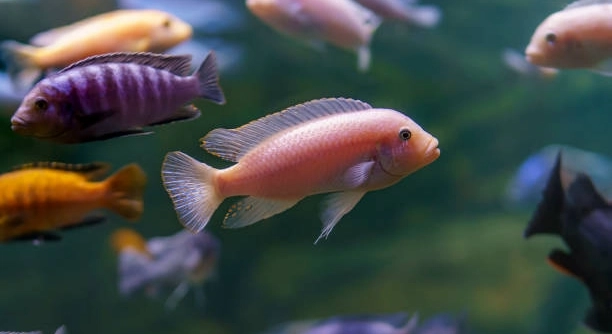
Fry are small and energetic, but their behavior can tell you a lot about their needs. Observing their movements and habits closely helps you understand when they are ready to eat. Awareness of these cues is key for proper care.
Fry exhibit specific behaviors to signal hunger, including increased swimming activity, clustering near food sources, nipping at tank surfaces, lingering near filters, displaying restless movements, opening mouths frequently, and responding quickly to external stimuli. Recognizing these actions allows for timely feeding and supports healthy growth.
Noticing these subtle signals can make feeding time smoother and ensure your fry thrive in their environment. Proper attention benefits both their growth and wellbeing.
Increased Swimming Activity
Fry often become more active when they are hungry. You may notice them darting around the tank or moving faster than usual. This behavior is natural, as their instinct is to search for food. Swimming in short bursts, exploring different areas, and occasionally bumping into each other are common signs. Watching them closely will help you distinguish normal playful movements from hunger-driven activity. Regular observation allows you to feed them promptly and maintain a healthy tank environment. Additionally, consistent patterns in their swimming can indicate when they expect food. Over time, you may notice certain areas of the tank become hotspots during feeding times. Fry use increased movement to signal their readiness to eat and to ensure they are noticed when food becomes available. This behavior helps them survive and grow in controlled environments where they rely on you for nourishment.
Increased swimming is one of the earliest signs of hunger in fry. Paying attention ensures timely feeding.
Monitoring these movements carefully helps maintain proper growth. Observing their energy patterns also allows adjustments in feeding schedules. Consistency in recognizing this behavior improves overall tank health. By responding to increased activity, you ensure fry receive adequate nutrition without overfeeding, promoting steady development.
Clustering Near Food Sources
Fry often gather in areas where food is usually placed. This behavior indicates they are anticipating a meal. Their clustering helps them compete for resources and ensures they do not miss feeding times.
Clustering near food is a clear hunger signal. Consistently noticing this behavior allows precise feeding.
When fry group together, it is not just random swimming. They remember where previous feedings occurred and tend to return to those spots. Over time, they associate certain tank locations with food, which is why clustering occurs even before feeding starts. This behavior demonstrates their learning ability and responsiveness to routines. For aquarists, recognizing this clustering can prevent underfeeding or overfeeding. It also helps distribute food evenly, as you can observe which fry are consistently missing out. Adjusting feeding practices based on these patterns ensures all fry grow healthily and maintain energy levels. Additionally, clustering behaviors reduce stress, as fry feel safer when near peers during feeding. Tracking their positions during meal times gives a practical insight into their needs and improves your ability to manage their diet effectively.
Nipping at Tank Surfaces
Fry often nip at the sides of the tank or decorations when they are hungry. This behavior shows they are searching for food particles or testing the environment for possible nourishment sources.
Nipping at surfaces is a natural feeding instinct. Fry explore their surroundings to locate any trace of food. This behavior helps them identify areas where leftover food may settle and ensures they do not miss small particles. Over time, this action can become more frequent during expected feeding times. Observing this nipping helps determine when the fry are ready to eat and prevents delays in feeding. It also indicates their curiosity and interaction with the tank environment. By understanding these subtle cues, you can maintain consistent feeding practices and reduce stress among the fry.
Consistent nipping at surfaces can also highlight which areas of the tank are more appealing to fry. Monitoring these spots allows better placement of food to ensure all fry get adequate nutrition. Adjusting feeding methods based on their surface nipping can improve growth and reduce waste.
Lingering Near Filters
Fry often gather near filters when hungry. The movement of water can carry tiny food particles, making these areas attractive for feeding.
Filters create water currents that distribute nutrients. Fry linger in these zones to catch drifting food, increasing their chances of eating.
Observing fry near filters is practical for feeding management. These locations often concentrate food particles, making it easier for fry to access meals. By noticing which fry consistently stay close to filters, you can ensure that no individual is overlooked during feeding. This behavior also shows their adaptability, as they learn to utilize environmental features to obtain nutrition. Adjusting the timing and method of feeding in response to this behavior can lead to more efficient food distribution and healthier growth. Fry using filters as feeding zones demonstrate their instinct to optimize energy intake while minimizing effort.
Their tendency to linger near filters also helps aquarists monitor feeding needs. By tracking which fry frequent these areas, you can better judge portion sizes and prevent both underfeeding and overfeeding. This simple observation enhances overall tank management and supports fry development effectively.
Restless Movements
Fry often show restless movements when hungry, swimming back and forth quickly or changing directions frequently. This behavior signals that they are actively searching for food and expecting a meal soon.
Restlessness is an instinctive response to hunger. Fry move more energetically to explore all areas of the tank, increasing their chances of finding food.
Opening Mouths Frequently
Fry may open their mouths repeatedly when hungry, even without food present. This behavior allows them to catch tiny food particles from the water and signals readiness to feed.
Responding Quickly to External Stimuli
Fry tend to react rapidly to external movements, shadows, or vibrations in the tank when hungry. They associate these cues with feeding times and show heightened alertness to ensure they do not miss any available food.
FAQ
How often should I feed my fry?
Fry require frequent feedings because of their fast growth and high metabolism. Most aquarists feed them three to five times a day, using very small portions. Overfeeding can pollute the tank, while underfeeding can slow growth. Watching their behavior, like increased swimming or clustering, helps determine if feeding times are appropriate. Adjusting portions based on activity ensures fry get enough nutrients without wasting food.
What type of food is best for fry?
High-quality, finely crushed flakes, powdered food, or specialized fry food works best. Newly hatched brine shrimp or micro worms are excellent protein sources. The size of the food matters, as fry cannot eat large pieces. Rotating food types ensures balanced nutrition. Live foods encourage natural hunting instincts and increase activity, helping them grow healthier.
Why do fry nibble at decorations?
Nibbling at tank surfaces and decorations is a natural feeding behavior. Fry are exploring for food particles and testing areas for possible meals. Observing these actions helps determine when they are hungry. It also provides insight into which areas of the tank might require more frequent cleaning to prevent leftover food accumulation.
How can I tell if fry are underfed?
Signs of underfeeding include lethargy, slow swimming, and reduced responsiveness to food. Fry may also show delayed growth or appear smaller than their peers. Observing their clustering patterns or increased surface nipping can indicate hunger. Maintaining consistent feeding routines helps prevent underfeeding and ensures all fry receive adequate nutrition.
Is it normal for fry to compete for food?
Yes, fry naturally compete to secure nutrition. Clustering near food or filters is part of this instinct. To reduce stress, spread food evenly throughout the tank or feed in multiple locations. This ensures smaller or weaker fry still receive food and encourages balanced growth across the group.
Can fry survive if I miss a feeding?
Fry are resilient for short periods but require frequent nutrition. Missing one feeding occasionally may not harm them, but consistent gaps can slow growth and weaken their immune system. Observing hunger signals helps you adjust schedules to prevent prolonged underfeeding.
Why do fry react to shadows or tank movement?
Fry associate external stimuli with feeding. Rapid responses to shadows, water vibrations, or hand movements indicate they are alert and expecting food. Understanding this behavior helps predict when they are ready to eat and ensures timely feeding.
How can I prevent overfeeding my fry?
Offer small portions multiple times a day rather than large amounts at once. Watch for leftover food after a few minutes, then adjust quantities. Removing uneaten food prevents water quality issues. Observing behavior, such as reduced nipping or swimming, signals when they have eaten enough.
Do fry have different feeding behaviors at different times of day?
Yes, fry often show peak activity around consistent feeding times. Increased swimming, clustering near food, and mouth movements are most noticeable before scheduled meals. Recognizing these patterns allows you to feed more effectively and maintain stable growth.
How do I know if all fry are eating properly?
Watch for even distribution during feeding. Fry should all show some activity, nipping, or clustering near food. Smaller fry may need extra attention to ensure they get portions. Tracking individual behavior over time helps spot fry that may need supplemental feeding to grow healthily.
What environmental factors affect fry hunger signals?
Water temperature, filtration, and tank size influence fry activity and feeding behaviors. Proper conditions support normal growth and accurate hunger cues. Fry may show reduced signals if stressed or if water quality is poor. Monitoring the environment ensures behaviors like swimming, clustering, and nipping reflect true hunger rather than stress or illness.
Can I train fry to respond to feeding cues?
Fry can learn routines and associate movements or shadows with food. Regular feeding at the same times and locations strengthens this behavior. Observing their response helps establish predictable schedules, reducing missed meals and supporting consistent growth.
How long do fry need to be fed before switching to adult food?
Most fry transition to juvenile or adult food after several weeks, depending on species and growth rate. Indicators include size, swimming strength, and ability to eat larger particles. Gradually introducing adult food while maintaining some fry-appropriate portions ensures a smooth transition without nutritional gaps.
Are there signs of overeating in fry?
Overfed fry may show slower swimming, bloating, or reduced activity. Excess food can pollute water, increasing stress and disease risk. Monitoring leftovers and adjusting portion sizes according to hunger signals helps prevent these issues and maintains tank health.
How does tank size affect feeding behavior?
Smaller tanks can lead to faster detection of food and increased clustering, while larger tanks require spreading food to reach all fry. Adequate space allows fry to display natural behaviors like exploring, swimming, and nipping. Proper tank management ensures feeding is efficient and stress-free.
Can fry survive on frozen or dry food alone?
Yes, high-quality frozen or powdered food can meet nutritional needs if portioned correctly. Live food encourages activity but is not strictly necessary. Rotating food types ensures balanced nutrition and stimulates natural feeding behaviors.
What should I do if some fry aren’t eating?
Observe their location, size, and activity. Offer food in multiple spots and smaller particles to ensure access. Weaker or smaller fry may need supplemental feedings. Consistent observation and intervention prevent undernutrition and support healthy development for all fry.
How do I balance feeding multiple species of fry?
Different species have varying food size and frequency requirements. Separate feeding zones or timed feedings may be necessary. Observing hunger signals for each species ensures all receive adequate nutrition and reduces competition-related stress.
Can fry survive on plant-based food?
Some species accept plant matter, but most require protein-rich diets for proper growth. Supplementing with finely crushed algae or plant flakes can support nutrition, but protein sources remain essential. Combining foods ensures growth and health.
How do I know if my feeding schedule is working?
Consistency in fry activity and steady growth indicates an effective schedule. Observing hunger cues like swimming, clustering, and nipping shows that feeding times meet their needs. Adjust timing or portions based on behavior to optimize feeding outcomes.
Why do some fry eat faster than others?
Individual metabolism, size, and position in the tank affect feeding speed. Dominant fry may eat first, while smaller ones need more time or alternative feeding spots. Understanding these differences ensures all fry receive enough nutrition.
How can I encourage shy fry to eat?
Feed smaller amounts in quiet areas or use slow-sinking particles. Reducing competition and providing accessible locations encourages hesitant fry to participate. Consistent observation ensures they get adequate nutrition without stress.
Can fry survive if feeding is irregular?
Occasional skipped meals may not be harmful, but irregular feeding over time slows growth and affects health. Fry rely on predictable schedules to display proper hunger behaviors and maintain energy for development.
Do fry ever refuse food?
Yes, refusal may indicate stress, illness, or poor water quality rather than lack of hunger. Observing overall behavior, tank conditions, and food type helps determine the cause and adjust feeding strategies accordingly.
How important is water quality in fry feeding behavior?
Clean, stable water is essential for normal feeding signals. Poor water quality can reduce activity, nipping, and clustering. Maintaining proper parameters ensures hunger cues are accurate and feeding is effective.
What is the best way to introduce new foods?
Gradually mix small amounts of new food with familiar options. Observing fry acceptance and behavior ensures smooth transition. Sudden changes may cause refusal or stress, so gradual introduction supports nutrition and growth.
How do I prevent smaller fry from being outcompeted?
Feed in multiple locations, provide slow-sinking particles, and monitor weaker fry. Ensuring equal access prevents underfeeding and promotes balanced development among all fry.
Can fry recognize their feeding schedule?
Yes, repeated feeding at consistent times trains fry to anticipate food. They respond with increased swimming, clustering, or mouth movements, signaling readiness. This behavior allows precise feeding and efficient nutrition distribution.
How do I adjust feeding for rapidly growing fry?
Increase portion size or feeding frequency gradually while monitoring hunger signals. Faster-growing fry need more energy, and observing behavior ensures all fry are fed without overloading the tank.
Are there signs of malnutrition in fry?
Delayed growth, dull coloration, lethargy, and irregular swimming can indicate nutritional deficiencies. Observing feeding patterns and adjusting portions or food types helps correct malnutrition early.
Can I feed fry while cleaning the tank?
Feeding during maintenance can stress fry. It’s better to feed at regular times, separate from cleaning routines, to ensure they eat properly and reduce risk of injury or wasted food.
How long does it take for fry to show hunger signals after feeding?
Fry typically show signs within a few hours. Increased activity, clustering, nipping, or mouth movements indicate readiness for the next meal. Monitoring these behaviors ensures timely feeding and consistent growth.
Do fry ever display false hunger signals?
Stress, temperature changes, or poor water quality can mimic hunger behaviors. Observing overall health and tank conditions helps distinguish true hunger from environmental or health-related responses.
How do I know if fry are overfed?
Leftover food, bloating, sluggish movements, and poor water quality indicate overfeeding. Adjusting portion sizes based on observed behavior maintains tank health and prevents digestive or environmental issues.
Can fry survive on a single type of food?
While possible, a varied diet ensures balanced nutrition. Combining protein, live, frozen, and plant-based options supports optimal growth, coloration, and immune system development.
How do I monitor feeding for large groups of fry?
Observe overall activity, distribution, and leftover food. Use multiple feeding spots and small portions to ensure all fry receive adequate nutrition. Monitoring over time allows adjustments for growth and tank size.
Is it necessary to feed fry at night?
Most fry are active during the day. Night feeding is unnecessary unless specific species require it. Consistent daytime schedules support predictable hunger behaviors and healthy growth.
Can fry overeat if food is always available?
Yes, unlimited food leads to waste, water quality issues, and digestive problems. Controlled portions based on hunger cues maintain health and reduce stress.
How do I handle picky fry?
Offer small portions of varied foods gradually. Observe preferences and adjust feeding spots. Consistency and patience encourage all fry to eat adequately.
How important is observation in feeding fry?
Careful observation is essential. Watching for swimming patterns, clustering, nipping, and mouth movements ensures timely feeding, balanced nutrition, and healthy growth. It is the most reliable tool for successful fry care.
What is the ideal feeding duration for fry?
Feed long enough for all fry to access food, usually a few minutes. Remove leftovers promptly to maintain water quality and prevent overfeeding.
How can I tell if fry are thriving?
Active swimming, even growth, consistent hunger signals, and bright coloration indicate healthy development. Observing these behaviors alongside feeding responses ensures proper care and nutrition.
How do I adjust feeding for different species in the same tank?
Feed according to each species’ size, appetite, and food type preferences. Use multiple feeding zones, adjust portion sizes, and observe hunger cues to ensure all fry receive adequate nutrition without competition.
Can fry survive without live food?
Yes, high-quality powdered or frozen foods can meet nutritional needs. Live food encourages activity but is not essential if other food options provide balanced nutrition.
How do I prevent mold or bacteria in fry food?
Store dry or frozen food properly, avoid leaving uneaten portions in the tank, and maintain clean feeding tools. Proper storage and hygiene prevent contamination and protect fry health.
How do I know when to increase feeding frequency?
Faster growth, increased activity, and quicker consumption of portions indicate fry need more frequent feedings. Adjust gradually while observing behavior to avoid overfeeding.
Can fry eat human food?
No, human food is not suitable. It can cause digestive issues and lacks proper nutrition. Only use foods designed for fry or safe live/frozen alternatives.
How do I handle sudden changes in feeding behavior?
Check water quality, temperature, and overall health. Sudden changes may indicate stress, illness, or environmental issues rather than hunger alone. Adjust conditions accordingly.
What tools help monitor fry feeding?
Tweezers, feeding spoons, and small containers for portioning are useful. Observation and note-taking of behavior and consumption patterns are key for managing feeding effectively.
Can fry recognize me during feeding?
Yes, repeated exposure during feeding routines makes fry more responsive to movements. They associate you with food and display increased activity or clustering when you approach.
How long should fry stay on specialized food?
Species and growth rate determine timing. Gradually transition to adult or juvenile food once fry are strong enough to handle larger particles without risking nutritional gaps.
Is it okay to feed frozen food exclusively?
Yes, if properly prepared and portioned. Frozen foods provide balanced nutrition but should be handled hygienically to avoid contamination and maintain tank water quality.
How can I tell if my feeding method is efficient?
All fry should access food without excessive leftovers. Observing behavior, growth, and health ensures feeding methods meet nutritional needs effectively.
What is the safest way to feed fry in a crowded tank?
Use multiple feeding spots, small portions, and slow-sinking particles. Observing fry distribution ensures all individuals eat and reduces competition-related stress.
How do I prevent feeding-related stress?
Provide food evenly, maintain water quality, and avoid overcrowding. Consistent schedules and observation reduce stress and support healthy growth.
Can fry go without food for a day?
Occasionally, yes. Prolonged absence of food affects growth and health. Observe hunger signals to maintain regular feeding schedules.
Do fry remember feeding spots?
Yes, repeated feedings in the same locations teach fry to anticipate meals. This reduces wasted movement and ensures timely nutrition.
How do I manage feeding for fry with different activity levels?
Adjust portions and distribution to match energy needs. Active fry may require more food, while calmer fry need access without being outcompeted. Observation ensures balance.
Can fry feed themselves entirely in a planted tank?
Not reliably. While plants may trap food particles, fry still need controlled feedings to ensure balanced nutrition and healthy growth.
How does tank cleanliness affect feeding behavior?
Dirty tanks reduce activity and mimic false hunger behaviors. Maintaining clean water ensures accurate signals and proper nutrition.
How can I encourage shy fry to compete for food?
Feed in quieter areas, reduce portion size to slow consumption, and provide slow-sinking particles. This allows timid fry to access meals without stress.
What is the role of water temperature in fry feeding?
Temperature affects metabolism and activity. Warmer water usually increases hunger signals and feeding response, while colder water slows digestion and reduces activity.
Can fry survive on dry food alone?
Yes, high-quality dry food can meet needs, but supplementing with live or frozen food supports activity and natural hunting behaviors.
How do I prevent uneaten food from polluting the tank?
Feed small amounts, remove leftovers promptly, and distribute food across multiple spots. This ensures fry consume most food without compromising water quality.
How do I handle fry feeding if I travel?
Use automated feeders for short periods. Ensure portions are small to avoid water contamination and maintain consistent schedules.
Can fry recognize feeding routines by time of day?
Yes, consistent schedules train fry to anticipate food, showing increased activity and clustering near feeding areas at expected times.
How do I deal with fry refusing food?
Check water quality, temperature, and food type. Gradually offer smaller portions or different foods to encourage eating without causing stress.
What is the ideal portion size for fry?
Portions should be small enough that fry finish within a few minutes. Observing leftover food helps adjust size and prevent overfeeding.
How do I prevent weaker fry from being pushed aside during feeding?
Feed in multiple locations and provide slow-sinking particles. Monitor weaker individuals to ensure they receive enough nutrition without competition.
Can fry survive on algae wafers?
Some species accept algae wafers, but protein sources remain essential. Combining options ensures proper growth and health.
How do I adjust feeding for seasonal changes?
Monitor activity and growth. Reduce portions in cooler periods if metabolism slows, and increase slightly during warmer months when hunger signals intensify.
How important is consistency in feeding fry?
Very important. Regular schedules ensure predictable hunger signals, steady growth, and healthy tank dynamics. Irregular feeding disrupts development and behavior.
Can fry be overfed with live food?
Yes, even live food can cause overfeeding if portions are too large. Monitor consumption and adjust amounts carefully.
How do I manage feeding in a mixed-species tank?
Observe species-specific hunger cues, distribute food across multiple zones, and adjust portion sizes. This prevents competition and ensures balanced nutrition for all fry.
How do I know if fry food is fresh?
Check expiration dates, smell, and texture. Fresh food ensures proper nutrition and reduces risk of contamination in the tank.
Can fry recognize feeding tools?
Yes, repeated use of tweezers, spoons, or feeding sticks makes fry associate them with food, prompting activity and clustering.
How do I ensure all fry get equal access to food?
Feed in multiple spots, use slow-sinking particles, and observe distribution during feeding. Adjust location or portioning to support smaller or weaker fry.
What is the best way to transition fry to adult diets?
Gradually mix adult food with fry-appropriate options. Observe acceptance and growth to ensure smooth transition without nutritional gaps.
Can fry survive only on plant matter?
Most require protein for proper growth. Plant matter can supplement diet but should not be the sole source of nutrition.
How do I prevent mold in powdered fry food?
Store in dry, airtight containers and avoid exposure to moisture. Proper storage maintains quality and prevents contamination.
What is the best feeding frequency for fast-growing fry?
Increase portion size or feeding sessions slightly while monitoring hunger signals. Active fry need consistent nutrition to support development.
Can fry overeat with automated feeders?
Yes, control portion sizes carefully. Automated feeders should release small amounts to prevent water pollution and overfeeding.
How do I know if fry are developing properly?
Even growth, bright coloration, regular hunger signals, and normal activity indicate healthy development. Adjust feeding if any issues arise.
Can fry survive on freeze-dried food alone?
Yes, if it is high-quality and properly portioned. Combining with live or frozen food encourages activity and natural feeding behaviors.
How do I handle feeding for very small fry?
Use finely powdered food or micro pellets. Feed small amounts frequently to ensure all fry receive adequate nutrition without waste.
What is the safest way to feed in a heavily planted tank?
Feed near open areas and observe consumption. Use small portions to prevent
Fry are delicate and require careful attention to thrive. Observing their behaviors closely is key to understanding their needs. Hunger signals, such as increased swimming, clustering near food, nipping at surfaces, and frequent mouth movements, provide clear indications of when they are ready to eat. By paying attention to these cues, you can ensure fry receive food at the right times, supporting healthy growth and preventing underfeeding. Regular monitoring allows you to adjust feeding schedules and portion sizes based on actual need, rather than guessing. This attention to detail helps create a stable and safe tank environment where fry can develop properly without unnecessary stress or competition.
Consistent feeding practices are essential for promoting the long-term health of fry. Offering small portions multiple times a day works better than large, infrequent feedings, as fry have high metabolic rates and require frequent nourishment. Using a mix of food types, including finely powdered flakes, live food, or frozen options, ensures balanced nutrition and encourages natural feeding behaviors. Observing how fry respond to different foods allows you to identify preferences and nutritional needs, while also preventing waste. Proper feeding practices reduce the risk of water contamination and health problems, keeping the tank environment clean and stable. Attention to the timing and distribution of food helps even the smaller or weaker fry receive adequate nutrition alongside their more active tankmates.
Understanding fry behavior and feeding needs is an ongoing process that improves with observation and experience. Each tank and group of fry may display slightly different patterns, and adapting to those differences ensures all fry grow evenly and healthily. Noticing subtle hunger signals allows you to respond in time and maintain consistent growth without overfeeding. Maintaining clean water, proper temperature, and adequate tank space supports natural behaviors and strengthens the effectiveness of your feeding routines. By observing fry carefully and adjusting feeding practices accordingly, you create an environment that supports growth, reduces stress, and encourages healthy development, helping your fry thrive at every stage of life.

Hello,
If you enjoy the content that we create, please consider saying a "Thank You!" by leaving a tip.
Every little bit helps us continue crafting quality advice that supports the health, happiness, and well-being of pets around the world, for pets of all shapes, sizes, and species.
We really appreciate the kindness and support that you show us!