
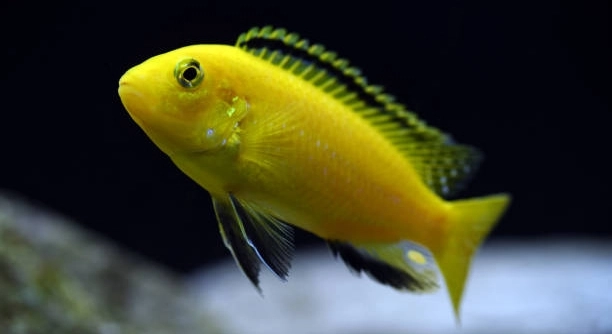
Convict cichlids are fascinating freshwater fish known for their lively behavior and strong personalities. Watching them interact in an aquarium can reveal surprising patterns of movement, color change, and body language that convey messages between individuals.
Convict cichlids communicate through a combination of body postures, fin displays, color changes, territorial movements, vocalizations, feeding signals, and mating rituals. Each method serves specific purposes, including establishing dominance, signaling readiness to breed, or coordinating group activities within their habitat.
Observing these behaviors provides insight into their social structure and helps aquarists foster a harmonious and healthy environment for these vibrant fish.
Body Posture and Fin Displays
Convict cichlids use their body posture and fins to communicate a wide range of messages. A raised dorsal fin or flared gill covers often signals aggression or dominance. Conversely, a relaxed posture and folded fins indicate submission or calmness. These displays are subtle yet consistent cues among individuals. When two cichlids meet, their body language can prevent physical conflict by establishing social hierarchy. Observing how they position themselves relative to each other reveals tension, curiosity, or readiness to interact. Juveniles often mimic adult behaviors, learning appropriate responses through repeated observation. Fin displays also play a role during mating, where specific movements indicate receptiveness. Aquarists can interpret these signs to monitor stress, territorial disputes, or compatibility within a tank. Regular observation helps ensure fish are not constantly stressed, which can affect health and breeding success. Understanding posture and fin movements allows for a calmer and more predictable environment, benefiting both the fish and their caretaker.
These visual cues are immediate and reliable, making them essential for understanding convict cichlid interactions.
Recognizing these behaviors early helps prevent fights and ensures each fish feels secure in its space. Adjusting tank layout or separating aggressive individuals when necessary maintains harmony. Body posture and fin displays serve as an ongoing conversation, giving insight into social ranking, comfort, and intentions. By paying attention to these movements, aquarists can respond appropriately, creating a balanced community where all fish thrive.
Color Changes
Convict cichlids often shift colors to communicate emotional or physiological states. These changes can indicate stress, excitement, or readiness to breed, and they are easily noticeable to other fish in the tank.
Color shifts are particularly important during mating and territorial disputes, serving as clear signals without physical contact.
When a convict cichlid darkens its body, it is often displaying dominance or preparing for confrontation. Brightened or intensified colors may indicate a healthy, ready-to-breed individual, attracting potential mates. Stress or illness can also trigger paler shades, alerting both aquarists and tank mates to possible problems. Seasonal changes and environmental conditions, such as lighting and water quality, influence color intensity. Observing these variations over time helps identify patterns in behavior, compatibility, and social hierarchy. By understanding color changes, caretakers can intervene if aggression escalates or breeding opportunities arise. Tracking these subtle shifts improves management, allowing aquarists to maintain a peaceful and productive tank while supporting the fish’s natural instincts. Color communication is a vital component of social interaction for convict cichlids.
Territorial Movements
Convict cichlids patrol and defend specific areas in the tank, signaling ownership to other fish. These movements include circling, sudden lunges, and patrolling borders, which help establish hierarchy and reduce conflicts without constant fighting.
Territorial behavior is critical in maintaining social order among convict cichlids. They use defined spaces to feed, breed, and rest, often returning to familiar spots repeatedly. A fish entering another’s area may trigger displays or mild aggression, allowing both individuals to negotiate boundaries. Aquarists can manage this behavior by providing hiding places, visual barriers, and adequate space. Observing these movements gives insight into which fish dominate and which prefer to avoid confrontation, helping maintain a balanced tank environment. Careful arrangement of decorations and plants reduces stress and prevents repeated skirmishes.
Juveniles learn to respect territory by observing adults’ patrols and responses to intrusions. Over time, territorial zones stabilize, and conflicts decrease. Maintaining consistent water conditions and avoiding sudden changes prevents heightened aggression during these movements. Adjustments to tank structure can encourage natural roaming patterns, allowing fish to display instincts without unnecessary confrontation. Recognizing these behaviors is important for healthy social dynamics and long-term well-being.
Vocalizations
Convict cichlids produce low-frequency sounds to communicate tension, warning, or mating intentions. These vocalizations are subtle but convey clear messages within the tank.
Sounds often accompany aggressive displays or courtship, reinforcing visual cues to nearby fish.
During confrontations, convict cichlids emit grunts or hums, alerting others to their presence and asserting dominance. In mating situations, softer sounds indicate receptiveness and readiness to pair, helping synchronize reproductive behavior. Vocal signals are particularly useful in murky water where visual cues may be limited. Aquarists may not always hear these sounds without sensitive equipment, but observing accompanying body movements can reveal their meaning. Consistent patterns in vocalizations help understand social dynamics and breeding readiness. Monitoring these signals allows better tank management, reducing stress and ensuring natural behaviors are supported.
Feeding Signals
Convict cichlids use body movements and subtle gestures to indicate feeding readiness. Darting quickly or nudging food signals interest, while slower approaches may show hesitation or submission.
These cues help coordinate feeding within the tank, reducing conflicts and ensuring all fish get access to food.
Mating Rituals
During mating, convict cichlids perform specific behaviors to attract partners and prepare for spawning. Males often clean a flat surface and display intensified colors to signal readiness. Females respond with body vibrations, tail flicks, and circling movements around the chosen site. Both parents guard the area, protecting eggs and fry after spawning. These rituals are highly coordinated and rely on precise communication to ensure reproductive success. Observing these behaviors allows aquarists to identify breeding pairs and provide optimal conditions. Maintaining water quality, hiding spots, and appropriate diet supports these natural patterns, helping the fish complete their reproductive cycle safely and effectively.
Social Hierarchy
Convict cichlids establish clear dominance structures through repeated interactions and displays of strength, ensuring balanced group dynamics.
FAQ
How do convict cichlids show aggression without fighting?
Convict cichlids often rely on visual signals to express aggression. Raised dorsal fins, flared gills, and direct staring are common displays. These behaviors warn other fish to keep distance, helping prevent physical confrontations. Observing these signs early allows aquarists to manage tank space and reduce stress effectively.
Why do they change color suddenly?
Color changes in convict cichlids indicate mood, health, or breeding readiness. Darkened shades often signal dominance or stress, while brighter hues show alertness or reproductive readiness. Environmental factors like lighting, water quality, and tank mates can also influence intensity. Regular observation helps interpret these subtle signals accurately.
What does chasing mean in their behavior?
Chasing is a way to assert dominance or defend territory. Males often chase rivals during mating or when defending their nesting area. Juveniles may mimic chasing to learn social cues. Providing enough space and hiding spots reduces prolonged stress caused by repeated chases.
How do fin displays affect social order?
Fins act as clear communication tools. Flared pectoral or dorsal fins often signal authority, while folded or lowered fins indicate submission. These cues establish social hierarchy without constant fighting, allowing fish to negotiate space and maintain peaceful interactions.
Can convict cichlids communicate during feeding?
Yes, feeding signals are important. Rapid swimming toward food, nudging, or circling can indicate readiness or dominance at mealtime. Subtle gestures help prevent food disputes, ensuring all fish get access without escalating into aggressive encounters. Monitoring these signals improves feeding routines.
Do vocalizations really matter?
While subtle, vocalizations convey tension, warning, or mating intentions. Grunts and hums are often paired with physical displays, helping other fish interpret intentions even when visibility is low. Aquarists can watch body movements alongside these sounds to understand interactions better.
How do they coordinate mating rituals?
Coordination is essential for successful reproduction. Males clean surfaces and display colors to attract females. Females respond with body vibrations and tail flicks. Both participate in guarding eggs and fry. Understanding these patterns allows proper tank setup and ensures breeding success.
What is the role of territory in communication?
Territory defines personal space and resource access. Patrolling, circling, and sudden lunges establish boundaries. Fish respect these zones to avoid unnecessary fights. Aquarists can manage tank layout to accommodate natural territorial behaviors, which reduces stress and encourages healthy interactions.
How do juveniles learn communication?
Juveniles observe adults to learn body language, fin displays, and territorial behaviors. Imitation teaches them how to interact, submit, and assert themselves. Watching these developmental stages helps understand long-term social structure in the tank.
Can communication signals indicate stress or illness?
Yes, unusual color changes, constant hiding, or exaggerated aggression often indicate stress or health problems. Recognizing these signs early allows prompt action, such as adjusting water quality, providing hiding spots, or separating aggressive fish, maintaining a healthy environment for all tank inhabitants.
How can aquarists improve communication understanding?
Frequent observation is key. Taking note of body posture, fin displays, color changes, and territorial movements over time reveals patterns. Adjusting tank setup and monitoring social interactions helps fish express natural behaviors safely. Consistent care ensures stress is minimized and interactions remain balanced.
Why is understanding convict cichlid communication important?
Understanding communication supports tank harmony, reduces aggression, and promotes successful breeding. Interpreting visual, behavioral, and subtle auditory cues allows better management of social dynamics. It enhances the overall health and well-being of convict cichlids, ensuring a stable and peaceful aquarium environment.
How often should behaviors be monitored?
Daily observation is ideal. Short sessions focusing on interactions, color changes, and feeding patterns provide insight into social hierarchy and potential conflicts. This routine helps aquarists respond quickly to any issues, ensuring the tank remains balanced and fish are thriving.
Can multiple communication methods occur at once?
Yes, convict cichlids often combine signals. A raised fin may coincide with color change or a short vocalization, reinforcing the message. Recognizing combined cues provides a clearer understanding of intentions, allowing for more accurate interpretation of their social interactions.
Do environmental factors affect communication?
Water quality, temperature, lighting, and tank size significantly influence behavior. Poor conditions can heighten aggression or stress signals, while a well-maintained environment promotes clear, natural communication. Adjusting these factors encourages healthier interactions and supports natural behaviors.
What is the most common mistake aquarists make regarding communication?
Ignoring subtle cues is common. Many focus only on aggression or visible fights, missing signs of stress, submission, or reproductive readiness. Careful observation of all signals, including posture, fins, color, and movement patterns, is essential to maintain a peaceful, well-managed tank.
How can recognizing communication improve breeding success?
Identifying mating readiness through color, posture, and ritualized behavior allows timely pairing of compatible fish. Observing nesting preparation and guarding behaviors ensures eggs and fry are protected. Understanding these cues helps optimize breeding conditions while minimizing stress.
Do all cichlids communicate the same way?
Communication methods vary by species. Convict cichlids have distinct patterns of fin displays, color shifts, and territorial movements. While general principles apply, specific signals and intensity differ, making species-specific observation essential for accurate interpretation.
Can communication help prevent tank aggression?
Yes, recognizing warning signs like flared fins, chasing, or darkened colors allows early intervention. Adjusting space, adding barriers, or separating aggressive individuals prevents fights and reduces stress, promoting a more harmonious aquarium.
How long do these communication behaviors last?
Behavioral signals can be momentary, like a flash of color or short chase, or persistent, like guarding territory. Patterns often repeat throughout the day, reflecting social hierarchy, feeding, and breeding routines. Observing these trends provides insight into fish well-being and social structure.
What is the key takeaway about convict cichlid communication?
Convict cichlids rely on a combination of body language, fin displays, color changes, vocalizations, territorial movements, feeding cues, and mating rituals. Understanding these signals helps aquarists maintain a healthy, balanced, and stress-free environment while supporting natural behaviors and breeding.
Final Thoughts
Convict cichlids are more than just colorful additions to an aquarium. Their behaviors are rich with meaning, and understanding how they communicate is key to maintaining a healthy tank. From body posture and fin displays to color changes and territorial movements, each signal serves a purpose. Recognizing these cues allows aquarists to interpret moods, prevent conflicts, and ensure the fish feel secure in their environment. Observing subtle interactions between individuals can reveal dominance hierarchies, stress levels, and readiness to breed. Over time, noticing these patterns becomes easier, and caretakers can respond in ways that support natural behaviors while minimizing stress. A tank that reflects the cichlids’ social needs results in a more harmonious and visually engaging community.
Feeding, mating, and social interaction are all guided by communication. Simple actions like darting toward food, nudging a partner, or patrolling a space are not random but purposeful signals. Color shifts indicate emotional or physiological states, helping fish express readiness, submission, or tension without direct confrontation. Juveniles learn from adults by observing and imitating these behaviors, gradually understanding social boundaries and norms. Vocalizations, although subtle, complement visual cues, adding another layer to their interactions. Paying attention to these combined signals allows aquarists to provide the proper environment, such as sufficient hiding places, appropriate tank size, and consistent water quality. This ensures the fish can display natural behaviors, maintain social balance, and engage in successful breeding rituals.
Maintaining a convict cichlid aquarium requires careful observation and patience. Communication is a continuous process, and recognizing signals early can prevent unnecessary aggression and stress. Tank layout, decoration placement, and adequate space all play roles in supporting natural behaviors. By respecting their social patterns and interpreting their cues correctly, aquarists can create a stable and thriving habitat. Understanding convict cichlid communication not only enhances the enjoyment of watching these fish but also contributes to their long-term health and well-being. Every interaction, from a flared fin to a subtle color change, tells a story about the dynamics in the tank, allowing for informed decisions and a more balanced aquatic environment.

Hello,
If you enjoy the content that we create, please consider saying a "Thank You!" by leaving a tip.
Every little bit helps us continue crafting quality advice that supports the health, happiness, and well-being of pets around the world, for pets of all shapes, sizes, and species.
We really appreciate the kindness and support that you show us!