
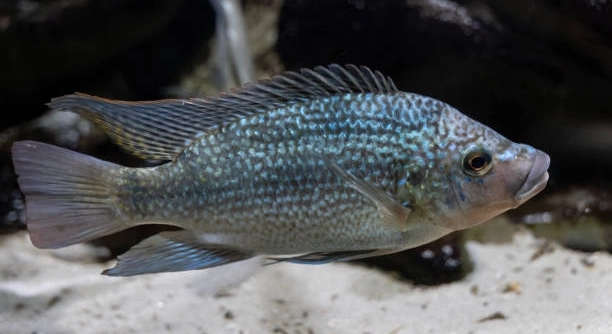
Cichlid tanks can become messy over time as fish rearrange rocks, plants, and decorations. Keeping the tank organized helps fish feel comfortable and reduces stress, while also making the aquarium more visually appealing. Small changes matter.
A cichlid tank needs rearranging when territorial disputes, uneven feeding areas, blocked hiding spots, algae buildup, overcrowded decorations, stress behaviors, or stagnant water zones appear. Addressing these issues promptly maintains a healthy environment and ensures optimal fish well-being.
Rearranging a tank may seem minor, but it can greatly impact fish behavior and tank health. Recognizing these signs early helps maintain balance and harmony for your cichlids.
Uneven Hiding Spots
Cichlids naturally seek out hiding spots to feel safe and reduce stress. Over time, decorations and rocks can shift, leaving some areas exposed while others become overcrowded. Fish without adequate shelter may show signs of anxiety, aggression, or retreating behavior. It’s important to observe how your cichlids interact with their environment. If certain fish are constantly chasing others or avoiding parts of the tank, it may be a signal that rearrangement is needed. Adding or redistributing rocks, plants, or caves can create more balanced hiding areas. This not only helps reduce stress but also encourages natural behaviors, like exploring or establishing territories. Rearranging in a thoughtful way can make the tank feel fresh for the fish without causing too much disruption. Watch their reactions after adjustments, and make gradual changes if necessary. Proper hiding spots support both mental and physical health, keeping your cichlids calmer and more active in their daily routines.
Rebalancing the tank with better hiding spots encourages peaceful interactions and allows fish to explore safely.
Even small changes, like shifting a single rock or plant, can have a big effect. Fish can claim new territories, explore areas they avoided, and display more natural behavior. When hiding spots are uneven, some fish may dominate, while others remain stressed. Rearranging improves social balance and prevents constant chasing. Observing fish reactions after adjustments helps identify which areas need further changes. Hiding spots also reduce aggressive encounters, creating a healthier tank environment overall.
Algae Overgrowth
Excessive algae can disrupt tank aesthetics and fish health.
Algae buildup often occurs in areas with poor water flow or excessive light. Removing it and rearranging decorations can prevent further accumulation.
Algae growth can make certain areas unattractive or unsafe for cichlids. Fish may avoid spots covered in thick algae, which can block hiding places or feeding zones. Rearranging decorations helps break up algae-prone areas and improves water circulation, reducing further buildup. Consistent maintenance, like wiping surfaces and trimming plants, also supports a cleaner tank. Adjusting the placement of rocks, driftwood, and plants ensures light is evenly distributed, discouraging dense algae patches. By managing algae and rearranging structures, the tank becomes more balanced, allowing cichlids to use all areas comfortably. Fish enjoy moving freely between open swimming spaces and secure hiding areas, and this balance prevents territorial disputes. Maintaining an organized, algae-controlled tank ultimately contributes to the overall health, activity, and happiness of your cichlids.
Overcrowded Decorations
Too many decorations can limit swimming space and cause stress among cichlids. Rearranging or removing excess items helps restore balance and allows fish to move freely without constant collisions or territorial disputes.
When decorations are packed too closely together, fish cannot establish clear territories or swim naturally. Overcrowding can increase aggression, especially among dominant cichlids. Some fish may hide constantly, while others dominate open spaces, creating an unbalanced environment. Rearranging rocks, plants, and ornaments can open up swimming areas and create distinct zones for resting, feeding, and hiding. This simple adjustment can reduce stress, improve fish behavior, and encourage more natural activity patterns. Observing how fish interact with the new layout helps refine placement for harmony.
Removing or repositioning decorations also improves water circulation and cleaning access. Uneven spaces can trap debris and create stagnant zones, which may contribute to poor water quality. Thoughtful rearrangement ensures both aesthetic appeal and a healthier environment for your cichlids.
Blocked Feeding Zones
Blocked feeding zones can prevent cichlids from accessing food equally. Rearranging plants and rocks ensures all fish can eat without constant competition or stress.
If food consistently lands in areas fish cannot reach, weaker individuals may struggle to get enough nutrition. Dense plant clusters, large rocks, or tall ornaments can block access and lead to uneven feeding. Adjusting the placement of these items opens clear paths and allows all fish to reach food safely. This is especially important in community tanks where multiple species or sizes coexist. Proper feeding zones encourage healthier growth, reduce stress, and prevent aggression over limited resources.
Repositioning decorations also helps create more visible feeding areas. Fish are less likely to hoard or guard food if they have open access to their preferred spots. Observing feeding behavior after rearrangement allows you to refine placement further. Ensuring all cichlids can feed comfortably supports overall health, reduces competition, and maintains social balance within the tank. A well-planned layout also makes routine feeding easier for you and keeps the tank environment orderly.
Stagnant Water Zones
Stagnant water can form in corners or behind decorations, limiting oxygen flow. Rearranging rocks and plants helps improve circulation and keeps water moving evenly throughout the tank.
Poor water flow can trap debris and create unhealthy spots. Fish may avoid these areas, causing uneven activity and stress.
Territorial Conflicts
When cichlids frequently chase or nip each other, it signals poor territory distribution. Rearranging the tank can create clear boundaries, reduce aggression, and help each fish claim a safe space.
Uneven Plant Growth
Plants growing too densely in one area can block light and restrict movement. Rearranging or trimming them ensures a balanced environment where fish can swim freely and access hiding spots.
FAQ
How often should I rearrange my cichlid tank?
Rearranging depends on the behavior of your fish and the tank setup. Some tanks may need minor adjustments every few weeks, especially if decorations shift or plants grow quickly. Others may only need changes a few times a year. Observing territorial disputes, hiding spot use, and algae buildup helps determine the right timing. Small, gradual changes are better than large disruptions to avoid stressing the fish.
Will rearranging stress my cichlids?
Yes, sudden or drastic changes can stress cichlids, especially if they lose their established territories. Making small adjustments, moving one or two decorations at a time, allows fish to adapt. Watching their behavior after each change ensures you do not create unnecessary conflict.
Can rearranging prevent aggression?
Properly distributing hiding spots, open swimming areas, and feeding zones can reduce aggression. Fish are less likely to fight when they have clearly defined territories and enough space to escape dominant individuals. Rearranging decorations strategically improves social balance in the tank.
What should I do if fish avoid new areas?
If fish avoid certain spots after rearranging, it may indicate poor placement or blocked paths. Adjust decorations gradually and ensure hiding spots are accessible. Observing where fish feel safe helps guide further changes to encourage natural swimming and resting behavior.
Do I need to remove all fish when rearranging?
It is not always necessary to remove all fish. For minor adjustments, moving decorations carefully while fish remain in the tank is sufficient. For major rearrangements, temporarily relocating fish to a safe container can prevent injuries and reduce stress.
How can I balance hiding spots and open swimming areas?
Aim for a mix of caves, rocks, and open space. Overcrowded hiding areas can cause territorial disputes, while too much open space can leave timid fish vulnerable. Rearranging to create zones where fish can retreat and swim freely encourages natural behavior.
Will rearranging affect water quality?
Yes, moving decorations can disturb substrate, release trapped debris, and temporarily increase ammonia or nitrate levels. Regular water testing and partial water changes after rearrangement help maintain stable water conditions. Proper planning reduces sudden negative impacts.
Can rearranging reduce algae growth?
Repositioning plants and decorations to improve light distribution and water circulation helps limit algae-prone areas. Dense, stagnant zones often promote algae, so adjusting layout can prevent buildup. Combined with regular cleaning, this keeps the tank healthier and visually cleaner.
Is it better to trim plants or move them?
Both can be effective. Trimming prevents overcrowding, while moving plants can create better swimming space or light access. Observing how fish interact with plants helps decide whether trimming, relocating, or both is needed.
How long does it take fish to adjust to a new layout?
Adjustment varies by species and individual temperament. Some cichlids adapt within a day or two, while others may need a week or more. Observing feeding behavior, swimming patterns, and interactions provides clues about how well they are adapting.
Can rearranging improve fish health?
Yes, a balanced layout reduces stress, prevents constant chasing, and promotes better access to food and hiding spots. Healthy fish are more active, eat well, and show natural behaviors, which are all signs of improved well-being.
What is the best way to plan a rearrangement?
Start by observing current behavior and identifying problem areas. Note hiding spots, swimming paths, and feeding zones. Make small, incremental changes and monitor fish reactions. Adjust gradually until balance is restored, keeping both aesthetics and fish comfort in mind.
Do certain decorations work better for cichlids?
Caves, rocks, and sturdy plants are preferred. Avoid sharp or fragile items that could injure fish. Decorations should provide both hiding spots and open areas, allowing territorial behavior without constant aggression. Durable, safe items reduce maintenance needs and support healthy fish behavior.
How often should I clean decorations during rearrangement?
Cleaning depends on algae buildup and debris. Wiping rocks, scrubbing ornaments, and trimming plants while rearranging keeps surfaces clear. Avoid harsh chemicals, and rinse thoroughly with tank water to prevent harming fish. Regular maintenance during rearrangement supports both hygiene and fish health.
Can rearranging help shy or stressed fish?
Yes, thoughtful rearrangement can give timid fish new hiding spots and reduce exposure to dominant individuals. Gradually adjusting the tank allows these fish to explore safely, increasing confidence and encouraging natural behavior over time.
Are there decorations to avoid when trying to reduce aggression?
Avoid overcrowding or tall, sharp objects that block sightlines or create tight corners. These can trigger territorial disputes or stress timid fish. Use open spaces alongside secure hiding spots to balance protection and freedom of movement.
How can I tell if a rearrangement is successful?
Successful rearrangement is indicated by calmer behavior, equal access to food, and balanced territory use. Fish explore freely, use hiding spots comfortably, and display fewer aggressive encounters. Observing daily routines after changes helps confirm the layout is working well.
Does rearranging affect breeding behavior?
Yes, cichlids often require stable territories for breeding. Properly placed caves and open areas encourage natural courtship, reduce stress, and provide safe zones for fry. Sudden changes during breeding may disrupt behavior, so careful planning is essential.
Can small tanks benefit from rearrangement as much as large tanks?
Even small tanks benefit from thoughtful adjustments. Efficient use of space, clear territories, and accessible hiding spots improve social balance and reduce stress, regardless of tank size. Overcrowding and blocked areas can affect fish behavior just as much in compact setups.
What tools help with rearranging safely?
Use tweezers for plants, nets or cups for fish if needed, and soft brushes for cleaning decorations. Planning changes in advance reduces handling time and prevents accidental damage to fish or tank structures. Gradual adjustments minimize stress while maintaining control.
How do I monitor fish behavior after rearranging?
Watch swimming patterns, feeding, and interactions for signs of stress or aggression. Calm exploration, balanced territory use, and normal feeding indicate successful adjustment. Note areas fish avoid and make further minor tweaks if necessary. Patience and observation are key to maintaining harmony.
Can rearranging make a tank look more natural?
Yes, thoughtful placement of rocks, plants, and ornaments creates a visually appealing and functional environment. A natural-looking tank also supports fish comfort by providing hiding spots, clear swimming paths, and varied zones that mimic natural habitats.
Should I move decorations during water changes?
Minor adjustments during water changes are fine, but avoid large disruptions at the same time. Gradual changes reduce stress, maintain water quality, and allow fish to acclimate. Separating major rearrangements from routine maintenance is safer for the fish.
Is rearranging more important for aggressive species?
Yes, species prone to territorial disputes benefit more from thoughtful layout changes. Proper spacing, hiding spots, and open swimming areas reduce conflict and create a balanced environment for all fish. Strategic rearrangement prevents dominance issues and promotes healthier interactions.
How do I prioritize which areas to rearrange first?
Start with high-traffic zones, blocked feeding areas, or overcrowded hiding spots. Addressing these first has the most impact on fish behavior and stress levels. Gradually work on secondary areas, observing reactions after each adjustment to ensure positive outcomes.
Can rearranging help with algae control naturally?
Yes, moving decorations to improve light distribution and water circulation discourages algae growth. Exposed surfaces receive better flow and reduce stagnant areas. Combined with manual cleaning, this approach helps maintain a balanced and visually clean tank without chemicals.
Do I need to change substrate when rearranging?
Not always. Shifting sand or gravel slightly can improve water flow and remove trapped debris. Complete substrate replacement is rarely necessary unless there are hygiene or structural issues. Gentle adjustments during rearrangement are sufficient for most tanks.
How can I make rearranging less stressful for the fish?
Move one or two items at a time, maintain familiar hiding spots, and avoid sudden large changes. Observing behavior after each adjustment ensures fish adapt well. Minimizing disruption and keeping changes gradual reduces stress significantly.
What signs indicate a need for another rearrangement soon?
Frequent aggression, avoidance of certain areas, blocked feeding zones, or algae buildup are indicators. If fish show stress or uneven territory use, it’s time to assess the layout and make necessary adjustments. Regular observation helps catch issues early.
Can rearranging decorations improve oxygen flow?
Yes, repositioning plants, rocks, and ornaments can prevent stagnant zones and improve circulation. Open swimming areas allow water to move freely, increasing oxygen levels and supporting healthier fish. Combining this with filtration ensures consistent water quality.
How do I keep a rearranged tank looking tidy?
Regular cleaning, pruning plants, and monitoring algae growth maintain a balanced and clean appearance. Avoid overloading decorations and keep zones accessible for both fish and maintenance. Simple, thoughtful placement ensures long-term organization.
Is there a best order for rearranging items?
Start with large, fixed decorations like rocks, then adjust plants, and finish with smaller ornaments. This sequence maintains stability, prevents accidental collapse, and allows gradual changes for fish adaptation. Following a plan keeps the process controlled and effective.
Can rearranging prevent fish from hiding too much?
Yes, creating open swimming paths and accessible hiding spots encourages exploration. Fish feel secure but not trapped, reducing constant hiding. Balanced layouts promote confidence and natural behavior across all tank areas.
Does rearranging affect water testing schedules?
After major rearrangements, it’s a good idea to monitor water parameters more closely. Disturbing substrate or decorations can temporarily increase ammonia or nitrates. Testing helps ensure water remains safe and stable for all fish.
Can rearranging decorations improve tank aesthetics?
Yes, thoughtful placement enhances visual appeal while supporting fish behavior. Grouping rocks naturally, distributing plants evenly, and creating open spaces provides both functionality and beauty. A well-laid-out tank feels organized and looks vibrant.
How long should I wait between major rearrangements?
Wait at least a few weeks between large changes. Fish need time to establish new territories and adapt to the environment. Gradual adjustments prevent stress and allow observation of behavior before making further modifications.
Can rearranging help with breeding pairs?
Yes, creating suitable caves and open spaces supports courtship and nesting. Stable, well-placed decorations reduce stress and provide secure zones for eggs or fry, improving breeding success. Careful planning ensures both partners feel comfortable.
Should I consider species behavior when rearranging?
Absolutely. Aggressive, shy, or territorial species each have different space needs. Observing natural tendencies guides decoration placement, hiding spots, and swimming paths, resulting in a harmonious and functional layout.
Does tank size affect rearrangement frequency?
Smaller tanks require more careful adjustments because space is limited and conflicts happen faster. Larger tanks allow more flexibility but still need observation for overcrowded areas, blocked zones, and stagnant water. Size influences both frequency and strategy.
What are common mistakes when rearranging?
Rushing, moving too many items at once, overcrowding decorations, or blocking feeding zones are common issues. Gradual changes, monitoring fish, and balancing hiding spots with open space prevent mistakes and maintain a healthy environment.
Can rearranging decorations reduce stress during water changes?
Yes, a thoughtful layout ensures easy access to open areas and hiding spots, allowing fish to feel secure while cleaning or partial water changes are performed. This minimizes disturbance and stress.
How can I create more natural territories with rearrangement?
Use a combination of rocks, caves, and plants to divide the tank into zones. Open spaces between structures allow free swimming, while secure hiding spots provide safe retreats, mimicking natural habitats and reducing aggression.
Is it better to rearrange decorations gradually or all at once?
Gradual rearrangement is better. Small adjustments let fish adapt to new territories without stress. Moving too many items at once can confuse fish, increase aggression, and disrupt established behaviors, making gradual changes more effective and safer.
Can rearranging help older or sick fish?
Yes, creating accessible hiding spots, open swimming areas, and clear feeding zones helps vulnerable fish move safely and reduces stress. Thoughtful layouts support recovery, comfort, and overall well-being for fish with special needs.
How do I know if hiding spots are sufficient?
Observe fish behavior. If timid fish are constantly chased or hiding excessively, it indicates a need for more secure zones. Balanced hiding spots allow all fish to feel safe while maintaining social stability.
Can rearranging improve social dynamics in a mixed-species tank?
Yes, spacing decorations to provide individual territories reduces cross-species aggression. Open swimming areas and clearly defined hiding spots allow each species to coexist more peacefully, promoting harmony in a mixed setup.
Does rearranging help prevent fish injuries?
Yes, removing sharp edges, overcrowded rocks, and unstable ornaments reduces the risk of scratches, fin damage, or collisions. Safe, well-spaced decorations promote both physical health and comfortable movement.
Can rearranging encourage exploration?
Yes, creating new paths, open spaces, and accessible hiding spots motivates fish to explore more. Exploration reduces boredom, encourages natural behavior, and keeps the fish active and healthy.
How long should I monitor fish after rearranging?
Observe daily for at least a week after changes. Watch swimming, feeding, and social interactions. Adjust further if stress or aggression persists. Consistent monitoring ensures fish adapt successfully to the new layout.
Are there signs I rearranged too much at once?
Signs include hiding, loss of appetite, increased chasing, or erratic swimming. If these appear, revert some changes or make adjustments more gradually to reduce stress and restore stability.
Can rearranging decorations help with plant growth?
Yes, adjusting plant placement ensures even light distribution and water flow. Trimming or repositioning prevents overcrowding, allowing plants to grow healthily and maintain a balanced tank ecosystem.
Does rearranging affect filtration efficiency?
Yes, decorations blocking water flow can reduce filter effectiveness. Proper placement improves circulation, ensures debris removal, and maintains consistent water quality, supporting fish health and cleaner conditions.
How do I balance aesthetics and fish needs when rearranging?
Prioritize hiding spots, feeding zones, and swimming paths for fish first. Then arrange decorations for visual appeal. A functional layout that supports fish behavior naturally enhances the overall look of the tank.
Can rearranging help prevent boredom?
Yes, moving decorations, creating new paths, and adding fresh hiding spots keeps fish engaged. Changing their environment stimulates exploration and natural behavior, reducing boredom and inactivity.
Should I document my rearrangements?
Keeping notes on what was changed, how fish reacted, and the timing helps track patterns. Documentation guides future adjustments and ensures better planning for a harmonious tank.
Do fish remember previous layouts?
Cichlids remember territories, hiding spots, and feeding areas. Gradual changes are easier for them to adjust to, while sudden rearrangements can cause confusion and stress. Observing memory-based behaviors helps guide adjustments.
Can rearranging reduce disease risk?
Yes, removing debris-trapping decorations, improving water flow, and opening access for cleaning reduces the chance of bacterial or fungal growth. Healthy layouts support overall immunity and tank hygiene.
Is it okay to rearrange decorations during breeding season?
Minor adjustments are fine, but major changes can disrupt courtship and nesting. Create stable, secure zones for breeding pairs to avoid stress and protect eggs or fry during sensitive periods.
Can rearranging help with aggressive tankmates?
Yes, providing clear territories, hiding spots, and open swimming areas reduces conflict among aggressive species. Strategic placement minimizes confrontation and promotes safer interactions.
How do I know if the tank is fully balanced after rearranging?
Balanced tanks show calm behavior, equal feeding access, and healthy territory use. Fish explore freely, stress is minimized, and aggression is reduced. Continuous observation ensures the environment remains stable.
Does rearranging affect water temperature?
Indirectly. Moving large decorations may alter flow near heaters or filters. Monitor temperature after rearrangement to ensure consistent conditions, preventing stress or health issues.
Can rearranging make my tank easier to maintain?
Yes, creating open swimming areas and accessible decorations simplifies cleaning, feeding, and monitoring. Thoughtful layouts reduce debris accumulation, improve circulation, and support overall tank management efficiency.
How do I prevent repeated territorial disputes after rearranging?
Provide enough hiding spots, open swimming areas, and balanced territories. Gradual changes help fish claim new zones without escalating aggression. Observation and minor adjustments maintain harmony.
Are there decorations that should never be moved?
Large, heavy rocks or fragile structures should be handled carefully. If they must be moved, do so slowly to prevent collapse or injury. Stable foundations ensure safety for fish and decorations.
Can rearranging improve fish coloration?
Indirectly, yes. Reducing stress, increasing activity, and creating a comfortable environment can enhance natural coloration. Healthy fish in balanced tanks often display brighter, more vivid colors.
How do I know which fish needs more hiding spots?
Observe behavior. Timid fish that avoid open areas, hide excessively, or are chased frequently need additional secure zones. Adjust decorations accordingly to balance safety and space.
Should rearranging be part of regular maintenance?
Yes, occasional assessment and minor adjustments help maintain balance, prevent overcrowding, and address algae or debris accumulation. Planned rearrangement complements cleaning and water management.
Can rearranging decorations improve tank symmetry?
Yes, thoughtful placement can make the tank visually appealing while supporting functional zones. Symmetry improves aesthetics without compromising fish behavior or territory needs.
How can I make rearranging less disruptive?
Move items slowly, keep familiar hiding spots, and adjust gradually. Avoid sudden changes, and observe fish reactions to ensure adaptation. Small, careful changes minimize stress and maintain harmony.
Do cichlids ever resist new layouts permanently?
Some may take longer to adjust due to strong territorial instincts, but most acclimate over time. Gradual changes and adequate hiding spots help reluctant fish adapt successfully.
Can rearranging help with overcrowding in small tanks?
Yes, strategic placement of decorations and open areas maximizes usable space, reduces conflicts, and ensures fish have access to feeding zones and hiding spots despite limited room.
How do I handle stubborn algae after rearranging?
Combine better layout, improved water flow, and manual cleaning. Reposition decorations to reduce stagnant areas and ensure light is evenly distributed. Consistent maintenance prevents recurrence.
Is it necessary to move all plants when rearranging?
Not always. Only move or trim plants that block paths, hiding spots, or feeding zones. Leaving some in place provides stability and familiar reference points for fish.
How can I tell if a tank feels crowded after rearranging?
Fish constantly collide, hide excessively, or display increased aggression. Open swimming paths, balanced territories, and reduced crowding indicate a well-arranged, comfortable tank environment.
Does rearranging affect filtration maintenance?
Yes, moving decorations can change water flow patterns, potentially impacting filter efficiency. Observe circulation and adjust filter position if necessary to maintain optimal filtration.
**Can rearranging help shy fish become more
Rearranging a cichlid tank is a simple yet important way to keep your fish healthy and comfortable. Over time, decorations, plants, and rocks can shift, creating crowded areas or blocking hiding spots. Fish rely on clear swimming paths, feeding zones, and secure shelters to feel safe. When these areas are uneven or overcrowded, stress can increase, leading to aggression, hiding, or uneven feeding. By observing fish behavior regularly, you can identify when adjustments are needed. Even small changes, like moving a rock or trimming a plant, can improve territory distribution and reduce conflict. Taking the time to plan your layout carefully ensures both the aesthetics of the tank and the well-being of your cichlids.
Thoughtful rearrangement also helps maintain water quality and overall tank health. Poor circulation caused by blocked areas can create stagnant zones where debris accumulates. Stagnant water contributes to algae growth and can reduce oxygen levels in certain parts of the tank. By rearranging decorations, plants, and ornaments strategically, you improve water flow, reduce debris buildup, and create healthier conditions for all fish. In addition, balanced hiding spots and open swimming areas allow cichlids to explore freely, eat comfortably, and display natural behaviors. Observing fish responses after rearrangement is important, as it helps identify areas that may still need adjustment. Gradual changes are better than drastic shifts, minimizing stress while maintaining harmony. Regular maintenance combined with thoughtful layout adjustments ensures your tank remains visually appealing, functional, and safe.
Rearranging a tank also strengthens the long-term care of your fish. Fish that feel secure in their environment are less likely to display aggressive behavior or experience stress-related health issues. A balanced layout encourages exploration, supports territorial needs, and allows shy or timid fish to thrive alongside more dominant individuals. Over time, maintaining a tank with proper hiding spots, open swimming areas, and well-placed decorations helps prevent repeated problems, like territorial conflicts or blocked feeding zones. Even minor adjustments, such as repositioning plants or adding a small cave, can have significant benefits for fish behavior and tank balance. By paying attention to your cichlids’ environment, you create a living space that promotes natural behaviors, reduces stress, and supports overall health. Consistently monitoring and adjusting your tank ensures your fish remain active, comfortable, and visually vibrant, making the aquarium a stable and enjoyable habitat for years to come.

Hello,
If you enjoy the content that we create, please consider saying a "Thank You!" by leaving a tip.
Every little bit helps us continue crafting quality advice that supports the health, happiness, and well-being of pets around the world, for pets of all shapes, sizes, and species.
We really appreciate the kindness and support that you show us!