
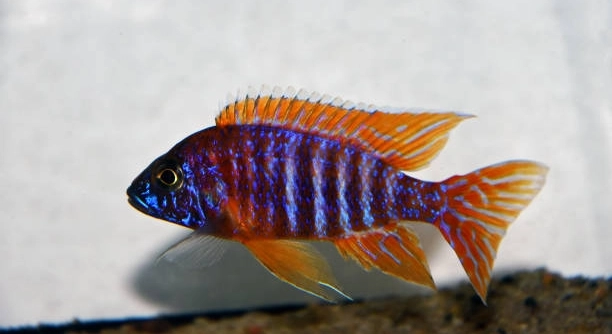
Many aquarium enthusiasts enjoy keeping convict cichlids because of their bright colors and active behavior. These fish are hardy and can adapt to various tank conditions, making them a popular choice for both beginners and experienced hobbyists.
Convict cichlids can be successfully bred in small tanks, provided that proper care, water quality, and environmental conditions are maintained. Limited space requires careful monitoring to prevent stress, aggression, and overpopulation among fry and adult fish.
Learning the right setup, feeding, and maintenance techniques ensures healthier fish and higher breeding success in compact aquariums.
Setting Up a Small Tank for Breeding
Creating a suitable environment in a small tank is key for convict cichlids. Start with a tank of at least 20 gallons to provide enough space for a pair and their fry. Use a fine substrate like sand or small gravel, which makes it easier for cichlids to dig and create nests. Add hiding spots such as small caves, clay pots, or rock formations to reduce stress and encourage natural behaviors. Keep the water temperature between 76°F and 82°F and maintain a stable pH around 6.5 to 7.5. Frequent partial water changes help maintain water quality and prevent ammonia buildup, which is especially important in smaller tanks. Use a gentle filter to avoid disturbing the fry while keeping the water clean. Light levels should be moderate, giving the fish a natural day-night cycle without causing excessive algae growth.
Monitoring the tank regularly ensures conditions remain stable and fish behavior stays healthy.
Providing proper hiding spots and stable water conditions supports breeding success, even in a compact aquarium setting.
Feeding Convict Cichlids for Breeding
A balanced diet improves breeding readiness in convict cichlids.
Feed a mix of high-quality flakes, pellets, and occasional live foods like brine shrimp or bloodworms. Protein-rich foods help develop healthy eggs and promote fry growth. Offer small portions two to three times daily, adjusting the amount so fish consume it within a few minutes. Remove uneaten food promptly to prevent water pollution, which can stress breeding pairs. Including vegetable matter, like blanched spinach or zucchini, supports digestion and overall health. Consistency in feeding schedules helps the pair stay in good condition and triggers natural spawning behaviors. Avoid sudden diet changes, as convict cichlids respond better to stable, familiar foods.
Overfeeding or underfeeding can hinder breeding, so careful portioning is essential.
Balanced nutrition not only supports egg production but also strengthens fry survival rates. Offering live foods encourages natural hunting instincts and improves parental care behaviors. Feeding small, frequent meals prevents aggression over food and reduces stress in the limited space of a small tank. By maintaining a steady routine and providing diverse, nutritious foods, you create optimal conditions for the pair to spawn successfully. Monitoring the fish’s health, appetite, and coloration gives clues about readiness to breed and allows adjustments to diet before spawning begins. Proper feeding also minimizes the risk of water quality issues that can occur when food decays in a small tank, ensuring both adults and fry thrive.
Encouraging Spawning Behavior
Convict cichlids need a safe space to feel secure before spawning. Provide caves or clay pots, and keep other tank mates minimal. Consistent water temperature and good filtration help reduce stress and trigger natural breeding instincts.
Once a pair chooses a site, they become territorial and protective of their area. Males often display by flaring fins and circling the chosen nest, while females clean surfaces for egg laying. Keeping the tank quiet and avoiding sudden movements around it allows them to maintain focus on spawning. Observing these behaviors helps you know when eggs are laid, so you can monitor water quality closely. Frequent small water changes prevent ammonia spikes, which could endanger both eggs and fry.
After eggs are laid, parental care begins immediately. Both parents guard the nest, fan the eggs, and remove debris. In a small tank, space can be tight, so providing multiple hiding spots ensures fry can avoid aggressive displays. Monitoring water parameters and maintaining gentle filtration prevents disturbances while supporting healthy growth of both eggs and hatched fry.
Fry Care in Small Tanks
Fry require clean water and gentle feeding for proper development.
Start by feeding newly hatched fry with infusoria or liquid fry food for the first few days. Gradually introduce baby brine shrimp or finely crushed flakes as they grow. Perform small daily water changes to maintain high water quality, as fry are highly sensitive to ammonia and nitrite spikes. Avoid overcrowding by removing excess fry if the tank becomes too dense, which can lead to stunted growth or aggression. Observing their growth and behavior helps adjust feeding amounts and frequency.
As fry grow, their nutritional needs increase, so introducing a variety of foods helps develop strong, healthy fish. Maintaining consistent water temperature and stable pH prevents stress and supports proper growth. Keep filtration gentle to avoid sucking in fry, using sponge filters if possible. Separating fry into groups when overcrowding occurs ensures even feeding opportunities and reduces competition. Providing small hiding spaces or plants allows fry to escape occasional parental aggression. Tracking their development helps identify potential health issues early, and maintaining a clean, stable environment is crucial in small tanks to prevent disease and encourage survival.
Managing Aggression
Convict cichlids become very territorial during breeding, even in small tanks. Limiting tank mates and providing plenty of hiding spots helps reduce fights. Observing interactions closely ensures the pair does not harm each other or their fry.
Separating overly aggressive fish may be necessary. Using dividers or moving one fish temporarily prevents injuries and stress. Small adjustments in the environment, like adding more rocks or caves, can redirect aggression. Keeping the tank calm and stable supports both parental care and fry safety, minimizing conflicts in a confined space.
Water Quality Maintenance
Maintaining stable water quality is essential for breeding success in small tanks. Frequent partial water changes prevent ammonia and nitrite buildup, which can stress both adults and fry. Testing water parameters regularly ensures temperature, pH, and hardness stay within optimal ranges. Using a gentle filter prevents strong currents that may disturb eggs or fry. Avoid overcrowding to reduce waste accumulation, and remove uneaten food promptly. Keeping the tank clean and stable supports healthy growth, encourages natural behaviors, and reduces the risk of disease. Small tanks require extra attention, but consistent maintenance ensures a safe and productive environment for convict cichlids to thrive.
Monitoring Growth
Track fry growth carefully to prevent stunted development and overcrowding.
FAQ
How many convict cichlids can I keep in a small tank?
In a small tank of around 20 gallons, it’s best to keep only one breeding pair. Overcrowding leads to stress, aggression, and poor water quality. A single pair has enough space to establish territories, lay eggs, and care for fry without constant conflicts. Adding extra fish increases the risk of injuries and reduces breeding success. Small tanks require careful planning to balance space, hiding spots, and filtration. Keeping fewer fish makes it easier to maintain clean water and observe behaviors.
What is the ideal tank setup for breeding?
A 20–30 gallon tank with fine sand or small gravel works well. Provide hiding spots like clay pots, caves, or rocks for the pair to claim as a nest. Stable water temperature between 76°F and 82°F and pH around 6.5–7.5 is essential. Use gentle filtration to maintain clean water without disturbing eggs or fry. Moderate lighting helps reduce stress and mimics natural conditions. Adding live or artificial plants gives fry extra hiding spaces. Small tanks require more frequent water changes to maintain quality, making careful monitoring necessary.
What should I feed convict cichlids to encourage spawning?
High-quality flakes or pellets are the base of their diet. Supplement with protein-rich foods such as live or frozen brine shrimp, bloodworms, or daphnia. Adding some vegetable matter like blanched spinach or zucchini supports digestion and overall health. Feed two to three times daily in small portions to avoid leftover food polluting the tank. Consistent feeding improves coloration, energy levels, and readiness to spawn. Avoid sudden diet changes, as convict cichlids respond better to familiar foods. Proper nutrition directly impacts egg quality and fry survival rates.
How do I know when the pair is ready to spawn?
Signs include increased territorial behavior, nest preparation, and frequent cleaning of chosen surfaces. Males often display flared fins and circle the female, while females dig or clear a flat area for eggs. Observing these behaviors allows you to confirm readiness and monitor the first stages of spawning. Maintaining stable water conditions during this period is crucial, as stress or sudden changes can interrupt the process. Regular observation ensures you can address aggression, water quality, or feeding needs promptly.
How do I care for eggs and fry in a small tank?
Once eggs are laid, both parents guard and fan them to prevent fungus. Fry hatch within 3–4 days and remain close to the nest for protection. Feed newly hatched fry with infusoria or liquid fry food, gradually introducing baby brine shrimp or finely crushed flakes as they grow. Perform small daily water changes to maintain water quality. Provide extra hiding spots to prevent fry from being stressed by parental aggression. Avoid strong currents that could displace eggs or fry. Careful monitoring ensures higher survival rates in confined spaces.
Can I prevent aggression between the pair or with other fish?
Aggression is natural but manageable. In small tanks, limit tank mates and provide multiple hiding spaces to reduce conflicts. Observe the pair closely, and separate overly aggressive individuals if necessary. Rearranging decorations or adding caves can redirect attention away from constant fighting. Small adjustments in the tank environment often reduce stress and help maintain healthy breeding behavior.
What common mistakes should I avoid?
Overcrowding, inconsistent water parameters, and poor nutrition are the main issues. Neglecting water changes or feeding too much can cause ammonia spikes or illness. Introducing incompatible tank mates may trigger stress or injury. Lack of hiding spots often results in aggression or fry being eaten. In small tanks, careful planning, regular monitoring, and proper feeding routines are essential for successful breeding.
How often should I check water parameters?
Daily observation of temperature and weekly testing of pH, ammonia, nitrite, and nitrate levels is ideal. In small tanks, conditions can change quickly, so regular checks prevent problems before they harm adults or fry. Small adjustments early help maintain stable, safe conditions for breeding.
Can I separate fry from parents?
Separating fry can prevent accidental aggression in confined tanks. Once fry are free-swimming and large enough to avoid being eaten, they can be moved to a separate grow-out tank. Provide gentle filtration, hiding spots, and appropriate small foods to ensure continued growth. Separation helps reduce stress on both adults and fry.
How long does it take for fry to become independent?
Fry usually become independent after about 4–6 weeks. During this period, they start feeding on small foods and gradually explore the tank away from parents. Regular monitoring ensures they grow at a healthy rate and remain safe from overcrowding or water quality issues.
Is it necessary to have live plants in a small breeding tank?
Live plants are helpful but not mandatory. They offer hiding spots, improve water quality, and reduce stress for fry and adults. Artificial plants can work as well if cleaned regularly. Small tanks benefit from any structure that allows the pair to establish territory and fry to hide.
What signs indicate health issues in breeding cichlids?
Loss of appetite, faded coloration, erratic swimming, or lethargy may indicate stress or illness. Eggs failing to hatch or fry dying suddenly can signal water quality problems. Acting quickly by testing water, adjusting conditions, or isolating sick fish prevents further losses.
How can I maintain long-term breeding success in a small tank?
Consistent water changes, proper feeding, and monitoring aggression are key. Avoid overcrowding, maintain stable water parameters, and provide hiding spots. Rotating food types and observing fish behavior ensures ongoing health and fertility. Careful attention to tank management supports multiple successful breeding cycles.
What equipment is most useful for small tank breeding?
A gentle sponge filter, thermometer, water test kit, and small nets are essential. Optional items include breeding caves, clay pots, and a heater to maintain consistent temperature. Equipment that supports water stability without disturbing eggs or fry improves survival and reduces stress for the breeding pair.
Can I use small tanks for multiple pairs?
It is not recommended. Multiple pairs increase aggression, overcrowding, and stress. Small tanks only provide enough space for one pair and their fry. Using larger tanks or separating pairs into different tanks is necessary to prevent conflicts and ensure successful breeding.
How do I clean a small breeding tank without harming fry?
Perform small, frequent water changes using a siphon to avoid disturbing fry. Remove uneaten food carefully, and avoid strong water currents. Cleaning should maintain water quality without stressing eggs or fry. Sponge filters are preferred for gentle filtration in small tanks.
When should I consider moving fry to a grow-out tank?
Once fry are free-swimming and large enough to avoid being eaten, typically after 4–6 weeks, they can be transferred. Ensure the grow-out tank has stable water, gentle filtration, hiding spaces, and appropriate small foods. This separation promotes healthier growth and reduces stress.
Are there signs that indicate a pair will not breed successfully?
Constant aggression, refusal to clean a nest, or lack of interest in each other often signal breeding issues. Unstable water parameters or poor nutrition can prevent spawning. Monitoring behavior and tank conditions allows for early intervention or adjustments to encourage breeding success.
What is the best way to prevent disease in small tanks?
Regular water changes, proper feeding, and maintaining stable parameters prevent disease. Quarantining new fish, avoiding overcrowding, and removing dead or uneaten food quickly reduce infection risks. Clean equipment and gentle filtration support overall tank health.
How long do convict cichlids typically care for their fry?
Parents usually guard and guide fry for 3–4 weeks until they become independent. During this time, maintaining a stress-free environment and stable water quality ensures fry survival and proper growth.
Can fry survive without parental care?
Yes, but survival rates are lower. If parents are removed, provide extra hiding spaces and frequent feedings. Maintaining water quality is crucial, as fry are sensitive to ammonia and nitrite spikes in small tanks. Proper care can compensate for the lack of parental protection.
Is it necessary to separate aggressive adults from fry?
Sometimes it is required. Even parents may attack fry in a confined tank if stressed. Providing hiding spots or temporarily moving fry to a separate tank ensures safety and improves survival rates in small setups.
How do I know when it’s safe to reintroduce fry to the main tank?
Wait until fry are large enough to avoid being eaten and exhibit strong swimming and feeding behaviors. Gradually acclimate them to the main tank to prevent stress. Provide hiding spots during reintegration to minimize aggression.
What are signs that water quality is affecting breeding?
Cloudy water, sudden fry deaths, eggs not hatching, or stressed adults indicate water problems. Test for ammonia, nitrite, nitrate, and pH immediately. Frequent partial water changes and careful monitoring help correct issues quickly.
Can I breed convict cichlids year-round in small tanks?
Yes, as long as water conditions, temperature, and nutrition remain consistent. Stable environments and proper care allow for continuous breeding cycles, though monitoring aggression and space limitations is essential to prevent stress or overpopulation.
How often should I feed fry?
Feed small amounts multiple times daily, adjusting portions to prevent leftover food. Young fry benefit from 3–5 feedings per day, gradually reducing frequency as they grow. Frequent feeding ensures proper growth and reduces competition in small tanks.
Are there any signs that breeding is stressful for the pair?
Excessive aggression, hiding constantly, loss of appetite, or unusual swimming patterns indicate stress. Addressing tank conditions, adding hiding spots, and reducing disturbances can alleviate stress and improve breeding outcomes.
Can breeding pairs be kept with other species?
It’s risky in small tanks. Aggression increases, and fry may be eaten. If other species are added, choose peaceful fish and provide enough space to prevent conflicts. Monitoring behavior closely is essential.
How long do eggs take to hatch?
Convict cichlid eggs usually hatch within 3–4 days, depending on temperature. Warmer, stable water accelerates hatching, while cooler water may delay it slightly. Monitoring eggs ensures proper care and water quality during this critical period.
Is it necessary to remove uneaten food daily?
Yes, especially in small tanks. Leftover food decays quickly, causing ammonia spikes that stress adults and fry. Removing uneaten food daily keeps water quality stable and reduces disease risks.
What is the best way to reduce stress in a small breeding tank?
Limit disturbances, maintain stable water parameters, provide hiding spots, and reduce overcrowding. Gentle filtration, consistent feeding, and a quiet environment help parents focus on breeding and fry care.
How can I tell if fry are healthy?
Healthy fry are active, feed readily, and grow steadily. Their coloration should develop normally, and they should swim evenly without lethargy. Regular observation helps detect problems early and allows timely adjustments in care.
Are water heaters necessary in small breeding tanks?
Yes, a heater helps maintain stable temperatures between 76°F and 82°F. Temperature fluctuations stress adults and fry, reducing breeding success and survival rates. Consistent heat supports spawning behavior and fry development.
How do I manage nitrate buildup in a small tank?
Frequent partial water changes and careful feeding reduce nitrate accumulation. Live plants help absorb nitrates, while avoiding overcrowding minimizes waste. Regular testing ensures nitrate levels remain safe for adults and fry.
Can aggressive behavior damage eggs?
Yes, adults may accidentally harm eggs when fighting or defending territory. Providing multiple hiding spots and monitoring interactions reduces the risk. In extreme cases, separating one parent temporarily protects the eggs until hatching.
What is the best way to introduce a new pair to a small tank?
Acclimate slowly to avoid stress. Ensure plenty of hiding spots and remove other fish that may provoke aggression. Observe their behavior closely during the first days to prevent conflicts and support bonding.
How do I prevent fungus on eggs?
Maintain stable water conditions, avoid overcrowding, and remove uneaten food promptly. Fanning eggs regularly by the parents helps prevent fungus. If necessary, antifungal treatments designed for cichlids can be used carefully.
Can small tanks support multiple breeding cycles?
Yes, with careful monitoring of water quality, feeding, and population density. Allow time between cycles for the tank to stabilize, and remove excess fry or eggs if overcrowding occurs.
What equipment should I have for monitoring a breeding tank?
Thermometer, water test kit, gentle filter, small nets, and optional breeding caves or pots are essential. This equipment ensures water stability, protects fry, and allows observation of breeding behaviors.
How important is consistent light in a breeding tank?
Moderate, consistent light helps maintain natural day-night cycles. Too much light can increase stress or algae growth, while too little may affect behavior and appetite. Balanced lighting supports healthy breeding activity.
Can I use artificial caves instead of natural ones?
Yes, artificial caves or pots work well as long as they are stable and easy to clean. They provide hiding spots and territories needed for spawning and parental care, especially in small tanks.
How do I reduce the risk of fry being eaten?
Provide plenty of hiding spots, monitor parental aggression, and separate fry if necessary. Gentle filtration and careful feeding reduce stress, increasing fry survival in confined spaces.
Is temperature more important than pH for breeding success?
Both are important, but stable temperature directly influences spawning behavior and egg development. pH affects overall health and water chemistry. Maintaining both within optimal ranges ensures higher breeding success.
How often should I rearrange decorations?
Only if aggression or territorial disputes occur. Sudden changes can stress adults, but minor adjustments may redirect aggressive behavior and create more hiding spaces for fry.
Are there signs that eggs are not viable?
Fungus, discoloration, or lack of development after several days indicates non-viable eggs. Removing them prevents contamination and supports the health of remaining eggs and fry.
Can I breed convict cichlids in tanks smaller than 20 gallons?
It is not recommended. Tanks smaller than 20 gallons limit space for territory, fry growth, and water quality management. Stress, aggression, and low survival rates make breeding in smaller tanks difficult.
How do I handle aggressive males during spawning?
Provide extra hiding spots and, if necessary, temporarily separate them. Observing their interactions helps prevent injuries and ensures the female can lay eggs safely. Small tanks may require closer management to avoid conflict.
How important is water flow in small breeding tanks?
Low, gentle water flow is critical. Strong currents can displace eggs or fry and increase stress. Sponge filters or adjusted outputs help maintain clean water without disrupting breeding activities.
What is the best way to transfer fry to a grow-out tank?
Use a small net or container, acclimate them slowly to the new water, and ensure gentle filtration and hiding spaces in the grow-out tank. Feeding small amounts multiple times daily supports healthy growth.
Can stress affect egg hatching?
Yes, stress from water fluctuations, aggression, or poor nutrition can cause eggs not to hatch. Maintaining stable conditions and minimizing disturbances increases hatching success.
How do I prevent overfeeding in small tanks?
Feed small portions that fish consume within minutes. Remove leftovers promptly. Overfeeding increases waste, leading to ammonia spikes and poor water quality, which harms adults and fry.
Is parental care always necessary for fry survival?
Parental care improves survival rates, but with proper hiding spots, feeding, and water quality, fry can survive without parents. Careful management is required to compensate for the lack of protection.
How long do convict cichlids live?
They typically live 7–10 years with proper care, stable water conditions, and a balanced diet. Healthy adults continue breeding successfully for several years in well-maintained tanks.
What is the most common reason fry die in small tanks?
Poor water quality, overcrowding, or inadequate feeding are the main causes. Frequent monitoring, partial water changes, and proper nutrition are essential to prevent high mortality rates.
Can I mix different cichlid species in a small breeding tank?
It is not recommended. Convict cichlids are aggressive and territorial, especially during breeding. Mixing species increases stress, aggression, and risks of fry being eaten. Separate tanks are safer.
How can I encourage multiple spawns in a single tank?
Maintain stable water conditions, provide proper nutrition, and remove fry once independent to prevent overcrowding. Regular observation ensures adults remain healthy and ready for the next cycle.
Are there signs that fry are stressed?
Hiding excessively, slow growth, loss of appetite, or erratic swimming indicate stress. Check water quality, feeding routines, and tank layout to reduce stress and improve survival rates.
How can I reduce the impact of ammonia in a small tank?
Frequent partial water changes, proper feeding, and sponge filtration reduce ammonia buildup. Overcrowding increases risk, so maintain only one pair and their fry in small tanks.
Is it necessary to quarantine new fish before breeding?
Yes, quarantining prevents disease from spreading to the breeding pair or fry. Monitor new fish for at least two weeks before introducing them to the main tank.
Can I breed convict cichlids without a heater in temperate climates?
A heater is strongly recommended. Even in temperate climates, water temperature can fluctuate and stress adults or delay spawning. Stable temperatures support consistent breeding and egg development.
How often should I observe the tank during breeding?
Daily observation is ideal to monitor behavior, water quality, and fry development. Early detection of issues allows quick adjustments to prevent problems in a small tank.
What is the best way to remove uneaten food safely?
Use a small net or siphon to remove leftover food gently. Avoid disturbing eggs or fry while keeping the tank clean. Daily removal maintains water quality and reduces disease risk.
How long should parents stay with fry?
Parents typically care for fry 3–4 weeks. After this, fry are more independent, but monitoring is still needed to ensure they remain safe in the small tank.
Can stress cause adults to eat their fry?
Yes, stress from overcrowding, poor water quality, or aggression may lead to adults eating fry. Providing hiding spots and reducing stress prevents this behavior.
How do I prevent overcrowding in small tanks?
Limit breeding to one pair per tank and move fry to a separate grow-out tank when necessary. Overcrowding increases stress, aggression, and poor water quality.
Is it necessary to adjust feeding as fry grow?
Yes, gradually increase food size and quantity as fry grow. Start with liquid or fine foods, then introduce baby brine shrimp or crushed flakes to support healthy development.
What are the early signs of fry illness?
Lethargy, faded color, erratic swimming, or loss of appetite indicate potential illness. Promptly checking water quality and adjusting feeding routines helps prevent mortality.
Can parental aggression be redirected?
Yes, adding extra hiding spots, rearranging decorations, or temporarily separating one parent can redirect aggression and protect fry. Monitoring is essential in small tanks.
Breeding convict cichlids in small tanks is possible, but it requires careful planning and attention. Small tanks can work well for a single pair and their fry, but space limitations mean every detail matters. Water quality, hiding spots, and feeding routines all have a larger impact in confined environments compared to bigger tanks. Because these fish are naturally territorial and sometimes aggressive, providing sufficient places to claim as a nest and areas where fry can hide is essential. Even minor changes in water parameters or sudden disturbances can stress the adults, which can delay spawning or increase the risk of fry mortality. Paying close attention to tank setup and maintaining a consistent routine makes it easier to manage these challenges.
Nutrition is another critical factor that affects breeding success. Adult convict cichlids need a balanced diet with protein-rich foods and occasional vegetable matter to stay healthy and ready to spawn. Feeding small amounts multiple times a day helps prevent leftover food from polluting the water, which is especially important in small tanks where waste can accumulate quickly. Fry also require specialized food in the first few weeks of life, starting with infusoria or liquid fry foods and gradually moving to baby brine shrimp or crushed flakes as they grow. Maintaining proper feeding schedules and observing growth and behavior allows you to make adjustments as needed, ensuring both adults and fry remain healthy. Neglecting feeding or overfeeding can quickly lead to problems in a small tank.
Managing aggression, maintaining water quality, and observing fish behavior are ongoing responsibilities in a compact breeding setup. Even when conditions are ideal, adults may occasionally display aggression toward each other or the fry. Providing extra hiding spaces, adjusting decorations, or temporarily separating individuals can help reduce stress and prevent injuries. Regular water changes, monitoring temperature, pH, and other parameters, and gentle filtration are also important for keeping the tank safe for all inhabitants. With careful attention to these details, small tanks can support multiple breeding cycles and produce healthy, active fry. Consistency, patience, and observation are key, and following these basic practices makes small-tank breeding both manageable and rewarding.

Hello,
If you enjoy the content that we create, please consider saying a "Thank You!" by leaving a tip.
Every little bit helps us continue crafting quality advice that supports the health, happiness, and well-being of pets around the world, for pets of all shapes, sizes, and species.
We really appreciate the kindness and support that you show us!