
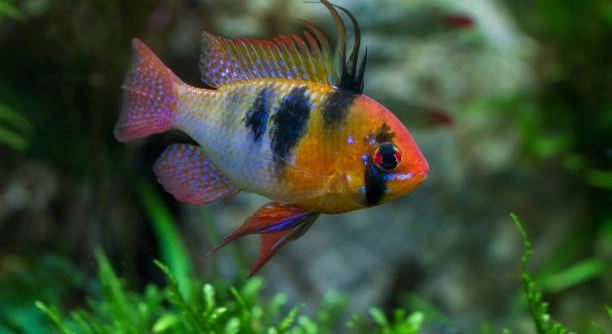
Are your convict cichlids acting a little restless after a tank cleaning? Many aquarium owners notice small changes in their fish’s behavior when adjusting their water. Understanding their reactions can make maintenance much easier.
Convict cichlids are moderately sensitive to water changes, especially large or sudden shifts in temperature, pH, or hardness. Gradual and consistent water replacement helps minimize stress, maintain immune function, and support normal behavior in these fish.
Even small mistakes during water changes can affect their health. Learning proper techniques will help your cichlids stay healthy and comfortable in their home.
Understanding Water Sensitivity in Convict Cichlids
Convict cichlids can react quickly to changes in their tank environment. Their sensitivity often shows in stress behaviors like hiding, reduced eating, or rapid gill movement. Sudden shifts in water parameters such as pH, hardness, or temperature can be particularly stressful. Even if your tank looks clean and well-maintained, abrupt water changes can upset their balance. Many hobbyists underestimate how sensitive these fish are compared to hardier species. Monitoring water conditions carefully and making small, incremental adjustments helps keep them calm. Consistent care, including testing water regularly and ensuring proper filtration, reduces the likelihood of stress. Observing behavior after each change lets you learn what your cichlids tolerate. Over time, small improvements in water stability can make a noticeable difference in their health, activity, and coloration. Patience and attentiveness are key when managing sensitive species like convict cichlids.
Maintaining steady water conditions prevents unnecessary stress and supports normal behavior in convict cichlids.
By keeping the water stable and avoiding sudden swings, these fish remain active and healthy. Watching for subtle signs of stress helps you adjust quickly and prevent long-term issues. Careful water management strengthens their immune system, reduces disease risks, and allows them to thrive. Even minor disruptions in water chemistry can have a noticeable effect on behavior, so gradual changes are always better. Over time, stable conditions encourage consistent feeding patterns, healthy growth, and better interaction with tank mates. Convict cichlids respond well to predictability in their environment. Ensuring the right water parameters also improves their breeding success and overall coloration. Paying attention to details such as temperature, pH, and hardness while performing partial water changes keeps stress low. Experienced keepers often find that the smallest adjustments, done slowly, make the biggest difference in fish well-being. Learning your fish’s limits allows for a calmer, more vibrant tank.
Tips for Safe Water Changes
Small, gradual water changes are safer than large, sudden replacements.
Always prepare new water to match the tank’s temperature, pH, and hardness. Slowly add it over a period of time to minimize shock. Avoid changing more than 20-25% at once, especially for sensitive fish. Using a dechlorinator and checking parameters before adding water ensures a safer environment. Consistency is more important than frequency, as convict cichlids react poorly to extreme swings.
Water changes are essential for maintaining cleanliness, removing toxins, and keeping nutrient levels balanced. Regular testing helps you understand how quickly water conditions shift, allowing for adjustments before stress occurs. Preparing new water carefully, including treating for chlorine and matching temperature, ensures the process is gentle. Slow addition prevents sudden pressure changes that can affect gill function or behavior. Observing fish during the change lets you see how they tolerate adjustments. Even minor changes in hardness or pH can make a difference, so monitoring is important. Proper water change routines also help prevent algae buildup, reduce ammonia spikes, and keep the tank ecosystem stable. Over time, this approach encourages consistent activity, feeding, and coloration, giving convict cichlids a healthy, comfortable environment to thrive.
Signs of Stress After Water Changes
Convict cichlids often show stress through hiding, clamped fins, or reduced appetite. Rapid swimming or sudden aggression can also appear. Noticing these behaviors early helps prevent long-term health problems and keeps the tank stable.
Stress in convict cichlids usually results from sudden or extreme changes in water conditions. Even a small shift in pH or temperature can trigger behavioral changes. Fish may stop eating, spend more time hiding, or show pale coloration. Gill movement may become faster, and some fish act unusually skittish. Regular observation is key to spotting these subtle signs. By responding quickly, you can adjust water conditions gradually, minimizing impact. Stress left unchecked can weaken their immune system, making them prone to infections or other health issues.
Behavioral changes can also affect interactions with tank mates. Aggression may increase, or territorial disputes may become more frequent. Sensitive fish might retreat to corners or behind decorations, avoiding activity. Feeding patterns can shift, with some fish refusing food entirely. These responses are natural survival mechanisms but indicate that adjustments are needed. Gradual water changes, careful monitoring, and consistent conditions help reduce these reactions, ensuring convict cichlids maintain normal behavior. Over time, stable water fosters healthier activity, better coloration, and smoother social dynamics in the tank.
Preventing Stress Through Routine
Keeping a predictable water change schedule helps maintain stable conditions and prevents stress in convict cichlids. Consistency allows fish to adapt more easily.
Routine water testing is essential. Measure pH, hardness, ammonia, nitrite, and nitrate levels regularly to detect shifts early. Prepare new water in advance to match tank parameters. Using a siphon to remove debris while replacing only a portion of water minimizes disturbance. Gradual changes in temperature and chemistry are less stressful than large, sudden replacements. Observing fish during and after water changes allows quick action if signs of stress appear. Over time, this careful routine keeps fish active, healthy, and vibrant, reducing aggression and supporting long-term wellbeing.
Choosing the Right Water Parameters
Maintaining the right temperature, pH, and hardness is essential for convict cichlids. Even minor fluctuations can trigger stress, so consistency is more important than perfection. Regular monitoring ensures their environment remains stable and comfortable.
Matching new water to existing tank conditions prevents shock. Preparing water in advance and testing before adding it helps maintain balance. This approach reduces sudden changes that can upset sensitive fish.
How Often to Change Water
Partial water changes every one to two weeks are usually sufficient. Frequency depends on tank size, fish load, and filtration efficiency. Consistent scheduling keeps water clean without stressing the fish, supporting health and activity.
Using Conditioners Safely
Water conditioners remove chlorine, chloramine, and heavy metals. Using them prevents chemical stress and protects delicate gills, keeping convict cichlids healthy.
FAQ
How do I know if my convict cichlids are stressed after a water change?
Stress in convict cichlids often appears as hiding, clamped fins, rapid gill movement, or refusal to eat. Some fish may swim erratically or become unusually aggressive toward tank mates. Observing their behavior after water changes gives clear clues about their comfort level.
Can sudden temperature changes harm convict cichlids?
Yes, abrupt shifts in temperature can shock their system, weaken the immune response, and trigger stress behaviors. Even a few degrees can affect sensitive individuals. Gradually adjusting water over several hours reduces the risk and helps maintain stable activity.
What is the safest way to perform a water change?
Remove only a portion of the tank water, usually 20-25%, and replace it slowly. Test and match temperature, pH, and hardness of new water. Adding a dechlorinator ensures chemicals like chlorine or chloramine won’t harm your fish. Observing them during the process is helpful.
How often should I test water parameters?
Regular testing is essential. Weekly checks for ammonia, nitrite, nitrate, pH, and hardness help you spot changes before they stress your fish. More frequent monitoring may be necessary for smaller tanks or heavily stocked aquariums. Keeping a simple log helps track trends over time.
Are convict cichlids sensitive to pH changes?
Yes, they prefer slightly alkaline water around 7.0-8.0. Sudden drops or rises in pH can cause stress or illness. Small, gradual adjustments are safest, and buffering agents can help stabilize pH if needed. Sudden fluctuations are more harmful than minor deviations within their preferred range.
Will a larger water change always be better?
Not necessarily. Large, sudden water changes can be stressful and disrupt water chemistry. Partial changes done gradually are safer. Smaller, frequent changes maintain cleanliness while keeping the environment stable, reducing the risk of stress or illness.
Can water hardness affect their behavior?
Yes, convict cichlids tolerate moderately hard water. Rapid changes in hardness can make them lethargic or trigger hiding and aggression. Gradual acclimation helps them adjust and keeps social interactions normal. Testing hardness regularly ensures stability.
How do I prepare tap water for a water change?
Treat tap water with a dechlorinator, check temperature, and match pH and hardness to the tank. Letting water sit overnight is optional but helps temperature stabilize. Preparing water in advance reduces stress during changes.
Do all convict cichlids react the same way to water changes?
No, individual sensitivity varies. Some may show no signs of stress, while others hide or refuse food. Observing each fish’s behavior helps tailor water change routines to the group. Experience with your own tank improves long-term care.
Can stress from water changes cause disease?
Yes, stress weakens the immune system, making fish more vulnerable to infections. Consistent water parameters, careful changes, and monitoring reduce risk. Promptly addressing stress signs prevents minor issues from becoming serious health problems.
What is the ideal water change routine for convict cichlids?
Perform partial water changes every one to two weeks, using 20-25% replacement each time. Test water regularly, treat it as needed, and add it slowly to avoid shock. Maintaining a predictable schedule encourages stable behavior and healthier fish.
How can I make water changes less stressful for shy fish?
Adding new water gradually, moving decorations minimally, and avoiding sudden movements around the tank helps shy individuals. Observing their behavior and adjusting pace accordingly reduces anxiety and keeps them active and comfortable.
Are there signs that water quality is affecting breeding?
Yes, stressed fish may stop pairing, guard eggs poorly, or abandon fry. Stable water parameters and gradual changes encourage natural breeding behavior. Observing interactions closely provides insight into their comfort and readiness to reproduce.
Can I use a water conditioner every time I change water?
Yes, using a conditioner with each water change protects gills, removes harmful chemicals, and prevents stress. Consistency is key, especially for sensitive species like convict cichlids. Over time, this ensures a safer environment and reduces the chance of health issues.
Do convict cichlids adjust to frequent water changes?
They can adapt if changes are gradual, predictable, and parameters remain stable. Sudden, large changes, however, continue to cause stress. Experience with your fish helps you determine how much adjustment they can tolerate safely.
What should I do if my fish show signs of stress?
Pause water changes, check parameters, and make small, incremental corrections. Ensure the environment is calm and consistent. Monitoring closely over the following days allows recovery and prevents further complications.
How important is filtration in reducing stress?
Filtration stabilizes water quality, removes debris, and maintains oxygen levels. A good filter reduces the need for drastic changes, lowering the chance of stress. Cleaning filters carefully ensures efficiency without disturbing water chemistry.
Can feeding help reduce stress after water changes?
Yes, offering small, familiar meals can comfort fish and encourage normal activity. Avoid overfeeding, as uneaten food can alter water quality. Observing feeding behavior also provides clues about stress levels.
Are juvenile convict cichlids more sensitive than adults?
Juveniles are generally more sensitive to water changes and environmental fluctuations. Extra care during water adjustments helps protect growth, feeding, and survival. Adult fish are more tolerant but still benefit from stable conditions.
Do decorations or hiding spots reduce stress?
Yes, providing caves, rocks, or plants allows fish to retreat when feeling stressed. These areas reduce aggression, help shy fish feel secure, and make water changes less disruptive overall.
How long does it take for convict cichlids to recover from stress?
Recovery depends on the severity of stress, stability of water conditions, and individual tolerance. Minor stress may resolve within hours, while significant changes can take several days. Gradual water adjustments and careful observation speed recovery.
Is it necessary to change water during winter or cold months?
Yes, water changes are still important to remove toxins and maintain quality. Adjust temperature carefully to avoid shocks, as colder conditions can make fish more sensitive to sudden shifts.
Convict cichlids are fairly hardy fish, but they can still be sensitive to water changes. Their behavior and health are directly influenced by the stability of their environment. Sudden changes in temperature, pH, or water hardness can cause stress, which may show as hiding, clamped fins, rapid gill movement, or reduced appetite. Even if the tank appears clean and well-maintained, abrupt adjustments can unsettle them. By keeping water parameters consistent and performing changes slowly, you can reduce stress and maintain a healthy, calm tank. Observing your fish regularly helps you notice small signs of discomfort before they become serious problems. Over time, careful attention to water quality will help your cichlids remain active, colorful, and resilient.
Performing water changes the right way is crucial. Partial changes of 20-25% done gradually are safer than large, sudden replacements. Preparing new water in advance, treating it with a conditioner, and matching the temperature, pH, and hardness to the tank prevents shock. Consistency is more important than frequency. Regular testing of ammonia, nitrite, nitrate, pH, and hardness gives you clear insight into the tank’s condition and allows adjustments before stress occurs. Keeping a predictable routine and observing your fish’s response during and after changes creates a stable environment. This approach not only reduces stress but also supports normal feeding behavior, social interactions, and breeding. Fish that are accustomed to gradual, gentle changes tend to be calmer and healthier overall.
Providing a supportive environment is just as important as proper water changes. Decorations, hiding spots, and plants help fish feel secure and reduce anxiety, especially for more sensitive or shy individuals. Monitoring interactions between tank mates can prevent aggression that may be triggered by stress. Feeding small, consistent meals encourages normal activity and provides comfort after changes. Over time, consistent water management combined with thoughtful tank setup creates a balanced habitat that allows convict cichlids to thrive. Paying close attention to small details, maintaining stability, and observing your fish’s behavior regularly ensures their long-term health and happiness. With patience and care, water changes can become a routine part of maintaining a healthy, stress-free tank for your convict cichlids.

Hello,
If you enjoy the content that we create, please consider saying a "Thank You!" by leaving a tip.
Every little bit helps us continue crafting quality advice that supports the health, happiness, and well-being of pets around the world, for pets of all shapes, sizes, and species.
We really appreciate the kindness and support that you show us!