
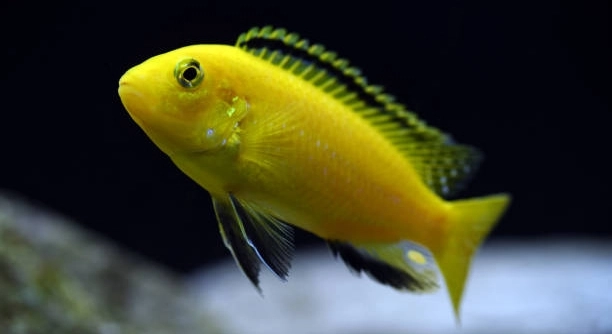
Do you ever notice your convict cichlids swimming together and wonder how their social lives affect their behavior in the tank? Observing their interactions can reveal a lot about their comfort and overall well-being. Their small gestures show subtle signs.
Convict cichlids generally thrive in groups, as social interaction reduces stress and encourages natural behaviors. Group settings provide mental stimulation and allow fish to establish social hierarchies, contributing positively to their overall health and emotional stability.
Understanding the effects of group living will help you create a healthier and more engaging environment for your cichlids. Small changes in tank setup can make a noticeable difference in their behavior.
Understanding Convict Cichlid Social Behavior
Convict cichlids are naturally social fish, and their interactions can tell you a lot about their mood. When kept in groups, they tend to show less stress and more active behavior. Small displays like chasing, nipping, or swimming together are part of their hierarchy and communication. Watching these actions can help you gauge whether your fish feel comfortable in their environment. Tanks that are too small or sparsely decorated can increase aggression, so providing enough space and hiding spots is important. Adding rocks, plants, and other structures lets them claim territories and retreat when needed. Observing which fish dominate or avoid others can give insight into their social dynamics. Groups also encourage exercise, as the fish swim more and explore the tank together. Even subtle social interactions, like fin displays or following each other, contribute to mental stimulation. Overall, group housing reflects more natural behaviors compared to solitary confinement.
Group settings help reduce boredom and keep convict cichlids more active, improving both their mental and physical health.
Watching the fish interact daily provides useful information about tank dynamics. If one fish is constantly hiding, it may need more shelter or a smaller, calmer group. Adjusting group size, tank layout, and decorations can help balance aggression and allow shy fish to thrive. Over time, you’ll notice more natural behaviors like pairing off or defending small territories. These patterns indicate that the fish are comfortable and mentally stimulated. Ensuring that water conditions remain stable is also key, as stress from poor water quality can mimic signs of social discomfort. Tankmates should be monitored carefully when new fish are introduced, as sudden aggression can disrupt established hierarchies. Paying attention to feeding habits is also important; competition for food may trigger fights if the group is too large or the space is limited. A well-arranged tank encourages peaceful interaction, exercise, and overall happiness.
Setting Up the Right Group Environment
A balanced group includes both males and females and enough space for each fish to establish a small territory.
Tank size and structure play a major role in group success. A 30-gallon tank or larger is recommended for several convict cichlids. Rocks, caves, and plants create natural barriers and safe zones, reducing stress and aggression. Group size should be monitored; too few fish may cause isolation, while too many increase conflict. Observing their behavior over time lets you make adjustments to keep everyone comfortable. Feeding should be done in multiple areas to prevent competition. Regular maintenance and stable water parameters are essential for keeping the group healthy. Temperature, pH, and cleanliness all impact their mood and interactions. Providing a consistent environment helps the fish settle into a social structure that encourages natural behaviors. By thoughtfully arranging the tank and carefully managing group dynamics, convict cichlids can live a more active, less stressful life, displaying behaviors closer to those in the wild.
Common Aggression Patterns
Aggression is natural among convict cichlids, especially during breeding. Dominant fish may chase or nip others, while shy ones retreat to hiding spots. Recognizing these patterns helps manage group dynamics effectively.
Aggression usually peaks when fish are establishing territories. Males often patrol their space, chasing intruders, while females guard nesting areas. Some chasing is normal and part of their social structure, but prolonged attacks can harm weaker fish. Providing caves, rocks, and plants helps reduce tension by giving each fish a place to hide. Separating overly aggressive individuals temporarily can prevent injuries. Observing interactions daily allows small adjustments to keep the tank balanced. Feeding multiple spots also helps reduce competition, as food is a common trigger for fights.
During breeding, aggression intensifies naturally. Males become more protective of females and fry, while females defend nesting areas fiercely. Recognizing these periods and providing extra hiding spaces ensures that less dominant fish are safe. Overcrowding can worsen aggression, so tank size must match group numbers. A structured environment with visual barriers and multiple territories allows natural behavior without constant conflict. By managing aggression carefully, you can maintain a peaceful, healthy group of convict cichlids that still display their natural instincts.
Tank Setup Tips for Groups
Tank decorations and layout greatly affect social harmony. Rocks, caves, and plants give each fish a sense of territory and security.
Spacing is critical in group tanks. Each fish needs its own area to claim, and visual barriers reduce direct line-of-sight conflicts. Plants and ornaments break up open areas, allowing shy fish to retreat and dominant fish to patrol without constant confrontation. Providing multiple hiding spots near feeding areas also minimizes food-related aggression. Regularly rearranging some decorations can prevent territorial fights from becoming fixed and rigid, keeping the group more dynamic. Filtration and water quality support a stable environment, as poor conditions can increase stress and aggression. Observing the group’s daily interactions lets you fine-tune the layout to maintain peace and natural behavior.
Feeding Behavior in Groups
Feeding time can trigger mild competition, but it also encourages natural foraging behaviors. Distributing food in multiple areas helps reduce chasing and ensures all fish eat properly.
Some fish may still dominate certain spots, but observing feeding patterns shows which individuals are more confident or shy. Adjusting food placement can balance access.
Managing Stress Levels
Stress can increase if tanks are overcrowded or lack hiding spots. Monitoring behavior helps identify stressed fish early.
Providing enough space, stable water conditions, and proper group size minimizes stress. Shy fish benefit from extra cover, while active fish enjoy open swimming areas. Consistent routines also support calmer, healthier groups.
Breeding Considerations
Convict cichlids pair off naturally, and breeding can increase aggression temporarily. Careful observation prevents injury.
Breeding pairs need secure nesting sites. Separating fry or highly aggressive adults may be necessary. Balanced group sizes reduce constant conflict during reproductive periods.
How many convict cichlids should I keep together?
A small group of five to seven is ideal for most home aquariums. This size allows social interaction without overcrowding. Too few fish may isolate individuals, while too many can increase aggression and stress. Tank size should always match the number of fish to give them room to establish territories.
Will convict cichlids fight if kept in groups?
Some aggression is natural, especially during territory formation and breeding. Chasing and nipping are part of their social structure. Providing enough hiding spots, visual barriers, and multiple territories helps reduce prolonged fights. Observing behavior allows for adjustments, like separating overly aggressive individuals.
Do convict cichlids need hiding places?
Yes. Hiding spots help shy fish feel secure and allow dominant fish to patrol without constant confrontation. Rocks, caves, and plants create natural barriers and personal spaces, reducing stress and promoting natural behavior. Multiple hiding places near feeding areas also reduce competition.
Can I mix convict cichlids with other fish?
They are territorial, so mixing with other species can be tricky. Peaceful, similarly sized fish may coexist, but smaller or slow-moving species risk being harassed. Providing plenty of hiding spots and observing interactions closely is essential when introducing new tankmates.
How do I know if my fish are stressed?
Signs include hiding constantly, loss of appetite, or frayed fins from frequent chasing. Excessive color fading or rapid breathing can also indicate stress. Monitoring daily behavior helps identify issues before they become severe. Adjusting group size, tank layout, and water conditions usually resolves stress.
Do convict cichlids breed in groups?
Yes, groups can naturally form breeding pairs. However, aggression increases during breeding, especially toward fry or intruders. Providing secure nesting sites and extra hiding spots helps protect less dominant fish and maintains balance in the tank. Some fry may need temporary separation.
How important is tank size for a group?
Tank size is critical. A minimum of 30 gallons is recommended for small groups. Larger tanks allow each fish to claim space, reduce constant confrontations, and support more natural behavior. Overcrowding often leads to increased aggression and stress, affecting health.
What should I feed a group of convict cichlids?
A varied diet of high-quality flakes, pellets, and occasional live or frozen foods is best. Distributing food in multiple spots reduces competition and ensures all fish get enough. Observing feeding patterns helps balance access and prevents dominant fish from taking all the food.
How do I prevent aggression in a breeding group?
Provide caves, rocks, and plants to create multiple territories. Monitor the pair closely, and be ready to separate overly aggressive individuals if necessary. Keeping tank size adequate and maintaining stable water conditions helps reduce stress-related aggression.
Can convict cichlids be happy alone?
They can survive alone, but groups encourage more natural behavior and mental stimulation. A solitary fish may become bored or stressed, while small groups provide social interaction and reduce loneliness. Proper enrichment and hiding spots are still necessary for single fish.
How do I introduce new fish to an established group?
Introduce new fish slowly using a separate quarantine tank or a divider at first. Observe reactions carefully, as existing fish may challenge newcomers. Rearranging decorations can help reset territories and reduce initial conflicts. Gradual acclimation ensures a smoother transition for all fish.
What water conditions are best for groups?
Stable temperature between 75–82°F and pH around 6.5–8.0 works well. Consistent maintenance, including partial water changes and proper filtration, supports group health. Fluctuations in water quality can increase stress and aggression, making tank management critical for happy fish.
Do group dynamics change over time?
Yes. Fish establish hierarchies and territories over weeks. Dominance patterns may shift, especially with new additions or growth. Observing daily allows adjustments, like adding hiding spots or temporary separation, to maintain harmony and reduce conflict.
Are all convict cichlids equally social?
No. Individual temperament varies. Some fish are naturally bold and dominate territory, while others are shy and need more hiding places. Understanding personalities helps balance the group and prevent stress or injury.
How can I tell if a breeding pair is forming?
Pairs often swim together, guard a specific area, and display protective behavior. Males patrol while females guard nests. Observing these signs allows preparation, such as providing secure nesting sites and monitoring for increased aggression.
Do decorations affect group happiness?
Absolutely. Caves, plants, and rocks create territories, reduce direct line-of-sight conflicts, and provide retreat spots. Rearranging some elements periodically can prevent fights from becoming fixed, keeping the social structure more dynamic and stress-free.
What should I do if one fish is constantly bullied?
Add hiding spots and consider temporarily separating aggressive fish. Ensuring enough space and visual barriers allows bullied fish to recover. Observing interactions helps adjust group size and layout for long-term balance.
Can group size influence breeding success?
Yes. A balanced group encourages natural pairing, but too many fish increase competition and stress, which can reduce breeding success. Adequate space, nesting areas, and careful observation help maintain healthy reproductive behavior.
Is constant monitoring necessary in groups?
Yes. Daily observation identifies aggression, stress, and feeding issues early. Small interventions, like adjusting decorations or separating individuals, prevent serious problems and maintain a balanced, healthy group.
Do convict cichlids remember tankmates?
They recognize familiar fish and remember social hierarchies. This memory helps maintain stable group dynamics, reducing the need for constant reestablishment of dominance unless new fish are introduced or the environment changes.
Can a single male dominate a group?
It can happen, especially in small tanks. Dominant males may chase others excessively, leading to stress. Providing space, hiding spots, and multiple territories helps reduce dominance-related conflicts. Temporary separation may be needed if aggression persists.
How long does it take for a group to settle?
Groups usually stabilize within a few weeks. Fish establish territories, hierarchies, and social routines during this period. Observing behavior and adjusting decorations, feeding spots, or space helps them settle faster.
What’s the best way to prevent boredom in a group?
Vary the environment with decorations, plants, and hiding spots. Provide enrichment through food variety and occasional rearrangement of the tank. Active fish are healthier and display more natural behaviors when stimulated mentally and physically.
Can aggression ever be completely eliminated?
No. Some chasing and territorial behavior is natural. The goal is to manage intensity and duration, keeping fights from harming weaker fish. Proper tank size, layout, and monitoring make aggression manageable and allow natural social interactions.
How does group size affect fry survival?
More adults increase the risk of fry being eaten. Providing secure hiding areas or temporarily separating the fry improves survival rates. Balanced adult numbers and adequate territory minimize conflicts and protect offspring.
Do convict cichlids interact differently with same-sex fish?
Yes. Males often compete for dominance, while females focus on nesting and territory defense. Observing same-sex interactions helps identify tension points and adjust the tank layout or group composition.
How do I adjust tank layout for peace?
Add rocks, plants, and caves to create multiple territories and hiding spots. Rearranging elements occasionally prevents fixed dominance fights and encourages a more dynamic, balanced social environment for all fish.
What’s the ideal environment for shy fish in a group?
Plenty of cover, quiet corners, and low-traffic areas let shy fish retreat safely. Visual barriers reduce constant exposure to dominant fish, allowing them to explore the tank at their own pace.
How does feeding frequency affect aggression?
More frequent, smaller feedings reduce competition and prevent dominant fish from hoarding food. Multiple feeding points also allow shy fish to access food without constant chasing, balancing group dynamics.
Are all hiding spots equally useful?
No. Locations near dominant territories may be less safe. Providing multiple, evenly distributed hiding spots ensures all fish can find refuge when needed. Variety in size and type of cover also supports different behaviors and personality types.
Can overpopulation harm group happiness?
Yes. Too many fish in a limited space increases aggression, stress, and risk of injury. Maintaining a proper ratio of fish to tank size is critical for both mental and physical well-being.
Do water changes influence group behavior?
Regular water changes maintain stable conditions, reducing stress and aggression. Poor water quality can trigger illness, increased chasing, or hiding. Consistent maintenance supports a healthier, more harmonious group.
What role does temperature play in group dynamics?
Stable, appropriate temperature helps maintain activity levels and reduces stress. Fluctuations can make fish more irritable, increase aggression, and affect feeding or breeding behavior. Maintaining a consistent range supports stable social interactions.
Can visual barriers alone reduce aggression?
Yes. Rocks, plants, and decorations block direct line-of-sight, breaking up confrontations. They allow fish to claim space without constant contact, reducing stress and promoting natural territorial behavior.
Do convict cichlids need enrichment besides hiding spots?
Yes. Varying decorations, rearranging elements, and offering diverse food types stimulate mental activity. Enrichment keeps the group active, reduces boredom, and encourages natural behaviors such as foraging, exploring, and patrolling territories.
How do I know when to intervene in fights?
Intervene if chasing lasts too long, fins are damaged, or weaker fish are constantly harassed. Temporary separation, rearranging decorations, or adjusting group size helps restore balance without disrupting natural social behavior.
Can group composition affect growth?
Yes. Dominant fish may restrict food access for smaller or shy fish, affecting growth. Proper group size, multiple feeding points, and ample space ensure all fish grow healthily.
Is breeding behavior stressful for the group?
It can be. Aggression rises during nesting and fry care. Providing extra hiding spots, secure nesting sites, and monitoring interactions minimizes stress for non-breeding fish. Some temporary separation may be necessary.
Do convict cichlids communicate socially?
Yes. Chasing, nipping, displays, and fin flaring are all forms of communication. Observing these behaviors provides insight into hierarchy, territory, and compatibility within the group.
How important is observation for group success?
Constant observation helps detect stress, aggression, and feeding problems early. Small interventions maintain harmony and prevent injury. Understanding personalities and social patterns ensures a balanced, healthy, and active group.
What’s the biggest factor for happy groups?
Space, hiding spots, stable water, proper feeding, and balanced group size are key. Together, they support natural behaviors, reduce stress, and allow convict cichlids to live actively and peacefully.
Convict cichlids are social fish that benefit from living in groups, but keeping them together requires careful planning and attention. Observing their behavior is essential to understanding how they interact with each other. Aggression is normal, especially during territory establishment or breeding, but it should be managed to prevent stress and injury. Providing hiding spots, rocks, caves, and plants helps create a balanced environment where shy and dominant fish can coexist. Each fish needs its own space to claim, and visual barriers reduce constant conflict. Small adjustments in tank layout, decorations, or feeding practices can make a noticeable difference in maintaining harmony.
Feeding is another important factor in group happiness. Distributing food in multiple areas prevents dominant fish from taking all the food and allows shy fish to eat comfortably. A varied diet of flakes, pellets, and occasional live or frozen foods supports physical health and mental stimulation. Watching feeding behavior can also provide insight into group dynamics, showing which fish are more confident and which need extra care. Water quality and tank conditions play a crucial role in keeping the group stable. Temperature, pH, and cleanliness should be maintained consistently, as fluctuations can increase stress and lead to aggressive behavior. Regular observation ensures that problems are caught early and allows for small adjustments to support the group’s overall well-being.
Breeding periods require additional attention, as aggression naturally increases. Providing secure nesting sites and extra hiding spots for non-breeding fish helps reduce stress. Some fry or overly aggressive adults may need temporary separation to maintain balance. Over time, fish establish hierarchies and territories, and the group usually settles into a routine. Patience is key, as dynamics can shift with new additions or growth. Enrichment through decorations, rearranging the tank, and varying feeding methods keeps the group active and engaged. By carefully managing space, social interactions, and environmental factors, you can create a tank where convict cichlids live actively, display natural behaviors, and maintain overall health and contentment.

Hello,
If you enjoy the content that we create, please consider saying a "Thank You!" by leaving a tip.
Every little bit helps us continue crafting quality advice that supports the health, happiness, and well-being of pets around the world, for pets of all shapes, sizes, and species.
We really appreciate the kindness and support that you show us!