
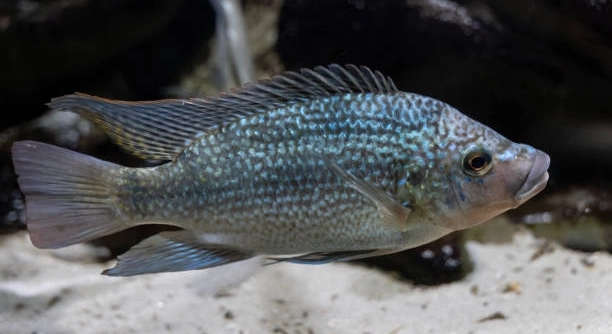
Do your convicts seem to vanish into their hides, leaving you wondering where they spend their days? Many owners notice sudden changes in behavior that can signal shifts in environment, health, or social dynamics within the tank.
The primary reason convicts hide more frequently is stress. Changes in water conditions, tank mates, or sudden environmental shifts trigger a survival instinct. Hiding allows convicts to conserve energy, reduce exposure to perceived threats, and maintain stability in their surroundings.
Understanding these triggers will help you create a calmer, more predictable environment for your fish, encouraging them to be more active and visible again.
Sudden Changes in the Tank
Sometimes convicts start hiding because something in their tank has changed. Even small differences in water temperature, pH, or hardness can make them feel unsafe. Adding new fish, rearranging decorations, or changing the lighting can also stress them. Convicts are very sensitive to their environment, and they notice shifts immediately. I’ve seen my own fish retreat for days after a minor water change. They often prefer corners or caves where they feel protected. Providing hiding spots is important, but too many changes at once can overwhelm them. Monitoring the tank regularly and keeping conditions stable helps reduce stress.
Frequent hiding often points to stress rather than illness. It’s a natural way for convicts to protect themselves when unsure about their surroundings.
When stress is consistent, convicts may also stop eating or show less activity. Observing their behavior closely can reveal patterns, like hiding after lights are turned on or after a new fish is introduced. Keeping a stable schedule, regular feeding, and a few safe hiding spots makes a big difference. Avoid overcrowding and sudden movements near the tank. With patience, they usually return to their usual activity levels, but careful observation is key to knowing when intervention is needed.
Health and Behavior Considerations
Illness can cause hiding, even if other symptoms are subtle. A change in color, fin condition, or appetite may indicate that your fish is unwell.
Some health problems, like internal parasites or stress-related infections, develop slowly. Convicts may hide more to conserve energy and avoid conflict. It’s important to maintain excellent water quality, monitor temperature, and watch for unusual swimming patterns. Sick fish may cling to the bottom, stay in shaded areas, or avoid the main parts of the tank. Quarantining new fish before introducing them helps prevent disease. If hiding is combined with other symptoms, consulting a vet or experienced aquarist is wise. Preventive care, including proper diet, clean water, and minimal sudden changes, keeps convicts healthy and active. Observing interactions with tank mates also helps, since aggression can increase stress and hiding. Understanding both environmental and health factors gives you a better chance to keep your convicts thriving and visible.
Territorial Behavior
Convicts hide when they feel their territory is threatened. Adding new fish or rearranging the tank can trigger this instinct. They claim certain areas as their own and retreat to safe spots until the situation feels stable.
Territorial disputes are common in convict cichlids. Males, in particular, are protective of nesting sites and may chase or intimidate others. Even without direct fighting, the presence of new fish or unfamiliar objects can make them retreat into hiding. Providing separate areas with rocks, caves, or plants helps reduce conflict and gives them personal space. Observing which areas they prefer can guide where to place decorations, keeping aggression low. Overcrowding increases stress, so limiting the number of tank mates is crucial.
Hiding due to territorial behavior usually decreases once boundaries are clear. Once a stable hierarchy forms, convicts become more comfortable exploring and feeding openly. They may still guard preferred areas, but overall activity increases. It’s helpful to watch interactions over several days and make adjustments to tank layout or population as needed. Consistency and patience help convicts feel secure in their space.
Lighting and Environmental Stress
Bright or fluctuating lighting can make convicts hide more. Strong light may feel unsafe, pushing them into shaded areas or caves.
Sudden changes in the environment, such as new decorations, water currents, or temperature shifts, also increase hiding. Convicts are sensitive and prefer stable conditions. They notice even small differences and will retreat until they feel secure again. Gradual adjustments to lighting and tank setup help them adapt without constant stress. Using dimmers or floating plants can create softer light zones, offering safe spots while maintaining a healthy environment.
Providing a predictable environment supports natural behavior and reduces stress. Convicts respond well to routine feeding times and consistent water parameters. Observing how they interact with light and movement can indicate whether changes are too abrupt. Adjusting lighting gradually, ensuring water quality, and minimizing sudden disturbances creates a calm setting where convicts are more likely to swim openly. Over time, they learn which areas are safe, making hiding less frequent. Careful attention to environmental factors improves both comfort and activity levels.
Breeding Instincts
Convicts hide more when preparing to breed. Males and females both seek secluded spots to protect eggs or fry. They may appear less active and stay in one area for days until the fry are safe.
Hiding during breeding is normal. Providing caves or dense plants helps them feel secure and reduces stress for both parents.
Social Hierarchy
Convicts often retreat when establishing social order. Dominant fish claim prime spots, forcing others to hide temporarily. This behavior ensures less conflict and a clear pecking order in the tank. Observing interactions helps you understand which fish are dominant and which need space.
Feeding Behavior
Some convicts hide before or after feeding. Shy fish may wait until others eat first or retreat with leftover food.
Seasonal Changes
Water temperature and daylight changes can affect activity. Convicts may hide more during cooler periods or when daylight hours shift. Adjusting conditions gradually helps maintain comfort and activity levels.
Why are my convicts hiding all the time?
Convicts hide frequently when they feel stressed, threatened, or uncomfortable in their environment. Stress can come from many sources, including changes in water quality, temperature shifts, bright lighting, or new tank mates. Hiding is a natural way for them to protect themselves while they assess the surroundings. It allows them to conserve energy and avoid potential conflicts. Observing their behavior over a few days can help determine whether hiding is temporary or a response to ongoing stress. Adding caves or plants provides safe spots that make them feel more secure.
Is it normal for convicts to hide during breeding?
Yes, hiding is very common during breeding. Both males and females become protective of eggs or fry, seeking secluded areas in the tank. They may spend long periods in one spot and reduce activity to avoid drawing attention. Providing safe hiding areas, such as rocks, caves, or dense plants, is crucial. These hiding spots reduce stress for both parents and increase the chances of successful breeding. Observing them quietly without disturbing their space helps maintain calm and ensures the fry are protected.
Can water conditions cause hiding behavior?
Absolutely. Convicts are highly sensitive to changes in water temperature, pH, hardness, and cleanliness. Sudden fluctuations can make them feel unsafe, leading to increased hiding. Poor water quality can also contribute to illness, which causes fish to retreat. Regular testing, maintaining proper temperature ranges, and performing partial water changes help create a stable environment. Stable water conditions not only reduce hiding but also support overall health. Gradual adjustments are better than sudden changes, as convicts respond more positively when the environment is predictable.
Do tank mates influence hiding?
Yes, other fish in the tank can affect behavior. Aggressive or dominant fish may intimidate convicts, causing them to hide to avoid conflict. Even peaceful fish that compete for space or food can increase stress. Observing interactions helps identify problem areas. Adding enough hiding spots and ensuring the tank is not overcrowded can reduce stress. Sometimes separating highly aggressive fish is necessary to allow convicts to feel safe. Over time, they may adjust once a social hierarchy is established, but initial hiding is a normal response.
Could lighting or environmental changes trigger hiding?
Yes, lighting intensity and sudden environmental changes can cause hiding. Convicts prefer consistent conditions and may retreat when lights are too bright or when decorations are moved. Even small adjustments, like introducing a new plant or altering water flow, can increase stress temporarily. Using softer lighting, creating shaded areas, and maintaining a stable setup reduces hiding behavior. Gradual changes allow them to adapt without panic, which encourages more activity and less constant retreating. Observing where they hide can also guide tank layout adjustments.
How can I encourage my convicts to come out of hiding?
Creating a safe, stable environment is the most effective method. Ensure water quality is optimal, provide enough hiding spots, and maintain a predictable feeding schedule. Avoid sudden movements around the tank or introducing aggressive tank mates. Over time, convicts will feel secure enough to explore and interact more openly. Offering favorite foods during feeding times can also draw shy fish out. Patience is key; forcing them out can increase stress. Observing patterns and making gradual adjustments to lighting, water conditions, and tank layout helps them regain confidence.
When should I worry about hiding behavior?
Hiding is usually normal, but persistent hiding accompanied by changes in appetite, color, or swimming patterns may indicate illness or stress beyond typical behavior. In such cases, testing water parameters, checking for injuries or parasites, and consulting an experienced aquarist or vet is recommended. Early intervention prevents health issues from worsening. Consistent observation and careful care help distinguish between normal hiding due to environmental factors and hiding caused by underlying health problems.
Do seasonal changes affect hiding behavior?
Yes, convicts can respond to seasonal changes in daylight or temperature. Cooler water or reduced daylight may make them less active and more prone to hiding. Adjusting light cycles gradually and maintaining stable water temperature helps them stay comfortable. Monitoring these seasonal shifts ensures that hiding is not linked to stress or illness.
Can overcrowding make convicts hide?
Overcrowded tanks increase stress and territorial disputes. Convicts may retreat to avoid confrontations with other fish. Reducing the number of fish or increasing tank size helps create space and reduces hiding behavior. Providing multiple hiding spots allows each fish to claim its own territory, which encourages more open swimming and less constant retreating.
Convicts hiding in the tank can feel worrying at first, but it is often a normal part of their behavior. These fish are naturally cautious and sensitive to changes in their surroundings. Hiding helps them feel safe, especially when they sense stress, potential threats, or even minor disruptions in their environment. Many times, sudden retreats occur after new tank mates are introduced, decorations are rearranged, or water conditions shift. Providing areas where they can feel protected, such as caves, rocks, or dense plants, allows them to manage stress on their own terms. Over time, these safe spots help convicts build confidence to explore the rest of the tank. Understanding that hiding is usually instinctual rather than a sign of permanent problem helps owners feel more patient and responsive to their fish’s needs.
Water quality, lighting, and tank conditions play a key role in how much convicts hide. They react to even small fluctuations in temperature, pH, or hardness, and poor water quality can make them retreat more often. Maintaining stable water conditions through regular testing, partial water changes, and careful monitoring is essential for their comfort and long-term health. Lighting that is too bright or inconsistent can also push them into hiding, so providing shaded areas or floating plants gives them control over their exposure. Observing the patterns of hiding behavior can help owners identify triggers, whether it is stress, territorial disputes, breeding instincts, or environmental factors. By making gradual adjustments rather than sudden changes, convicts usually return to their normal activity levels while feeling safe.
Social dynamics within the tank also influence hiding behavior. Aggressive or dominant fish can make others feel threatened, and convicts may retreat to avoid conflict until the social hierarchy stabilizes. Even during breeding, both males and females hide more to protect eggs or fry. Recognizing these behaviors as natural responses allows owners to provide a supportive environment with enough space and multiple hiding spots. Feeding routines, stable environmental conditions, and careful observation all contribute to reducing stress and promoting visible, healthy activity. With patience and attention, most convicts will gradually feel secure, reduce hiding, and return to their normal behavior, making tank management more predictable and enjoyable for both fish and owner.

Hello,
If you enjoy the content that we create, please consider saying a "Thank You!" by leaving a tip.
Every little bit helps us continue crafting quality advice that supports the health, happiness, and well-being of pets around the world, for pets of all shapes, sizes, and species.
We really appreciate the kindness and support that you show us!