
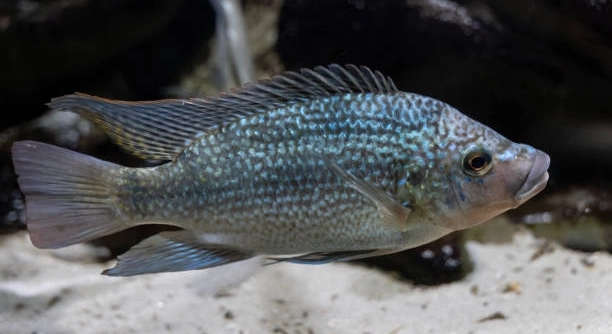
Cichlids are fascinating fish that rarely stay still in their tanks. They constantly move around, shifting rocks and decorations. Watching them rearrange their environment can be both puzzling and oddly satisfying for any aquarium enthusiast.
Cichlids rearrange rocks primarily to establish territory, create hiding spots, and prepare breeding areas. This behavior is instinctive and linked to their natural environment, where modifying the surroundings ensures safety, social hierarchy, and optimal conditions for reproduction.
Observing their careful work provides insight into their natural habits and can help maintain a healthier, more engaging aquarium environment.
Understanding Their Instincts
Cichlids constantly rearrange rocks because it is deeply tied to their natural instincts. In the wild, these fish modify their surroundings to protect themselves from predators and to secure a safe space. Rocks and caves provide shelter where they can hide and feel secure. They are also highly territorial, and moving rocks allows them to mark and defend their area. Breeding is another reason for this behavior. Cichlids often prepare nesting sites by shifting stones, clearing flat surfaces, or creating small pits. These changes give them control over their environment and ensure their eggs are safe from other fish. Even in a tank, this behavior continues because it is hardwired. Watching them work can be surprisingly engaging, as each movement seems purposeful. It reflects their need to create an organized and protective habitat that meets their instincts and keeps them comfortable in confined spaces.
This behavior is entirely normal and shows healthy, active cichlids adjusting to their environment.
Maintaining proper rock arrangements and stable tank conditions can reduce stress. By offering multiple hiding spots, flat surfaces for nesting, and stable decorations, you allow your cichlids to satisfy these instincts without damaging the tank or stressing other fish. Observing which rocks they prefer moving or rearranging can provide insight into their favorite spots and social interactions. Over time, you may notice patterns in their behavior, like returning certain rocks to the same location or constantly adjusting specific areas. This is a natural way for them to feel secure, assert dominance, or create breeding spaces. Providing variety in rocks, caves, and substrate ensures they remain stimulated and prevents boredom. These simple steps help replicate aspects of their natural habitat, supporting both physical and mental health while allowing their instinctive behaviors to continue safely.
How Tank Setup Affects Behavior
Tank size and layout influence how much cichlids rearrange their environment. A cramped space can increase activity around rocks as they try to claim territory.
Properly planning the tank can reduce stress. The arrangement of rocks, caves, and open swimming areas plays a big role in their comfort. If the tank is too bare, cichlids may overwork on moving rocks to create hiding spots. Using a variety of stone sizes and shapes lets them experiment naturally. Substrate choice is also important because sand or fine gravel allows digging without harm, while sharp materials may cause injury. Placing stable rock formations prevents collapse during rearranging, keeping the tank safe. Lighting and water flow affect how they interact with spaces, as they often move rocks to create shaded areas or calmer zones. Observing their preferences helps adjust the layout gradually. Balancing structure and freedom in the tank keeps cichlids engaged and reduces destructive behavior. Regular maintenance ensures rocks remain clean and safe, supporting their instinctive activities while maintaining a stable environment for all tank inhabitants.
Breeding Behavior and Rock Rearrangement
Cichlids often rearrange rocks to prepare for breeding. They clear flat surfaces, move stones, and dig small pits to create safe nesting areas. This ensures their eggs are protected from other fish and provides ideal conditions for raising fry.
These behaviors are instinctive and critical for reproduction. Male cichlids frequently move rocks to impress females or to define a territory where eggs will be laid. Females may also participate by cleaning and arranging the nesting area to make it secure. Even outside breeding periods, these activities continue because the fish are naturally inclined to organize their space. Watching their careful work shows their dedication to creating a safe and functional environment, and it reflects their instinct to maintain control over their surroundings.
Providing flat surfaces and small crevices encourages these behaviors safely. By observing which areas they favor, you can support breeding while keeping the tank stable. Rock placement should allow movement without collapsing, and soft substrate helps protect eggs and fry. Gradually rearranging decorations to match their preferences reduces stress and mimics natural conditions. This balance ensures cichlids can express instincts safely while giving the tank a dynamic, interactive feel.
Social Hierarchy and Territory
Cichlids move rocks to establish dominance and mark territory. Rearranging creates clear boundaries and signals control to other fish in the tank.
Territorial behavior is vital for maintaining social order. Dominant cichlids shift rocks to assert control, while subordinate fish adjust by seeking new hiding spots. This constant movement prevents conflicts and helps each fish find its niche. Over time, the layout reflects the social structure, with dominant fish occupying preferred areas. By carefully monitoring interactions and providing enough space, you can reduce stress and aggression. Rock placement and variety allow fish to claim territory without constant confrontation. Observing these adjustments helps anticipate behavioral changes, ensuring a peaceful, balanced tank where cichlids can thrive naturally.
Environmental Stimulation
Cichlids rearrange rocks to explore and interact with their surroundings. Moving stones keeps them mentally active and prevents boredom in a confined tank environment.
This behavior also allows them to test the stability of their habitat. They often push, flip, or dig around rocks to create varied spaces for hiding, resting, or chasing other fish.
Feeding and Foraging
Rocks and crevices provide natural areas for foraging. Cichlids sift through sand and move stones to uncover food hidden in the substrate. This instinctive behavior ensures they remain active and engaged while searching for small insects, algae, or pellets in their tank.
Stress Reduction
Shifting rocks helps cichlids feel secure. By adjusting their environment, they create spaces where they can retreat and avoid conflicts or disturbances from other fish.
FAQ
Why do cichlids keep moving rocks even when the tank looks fine?
Cichlids move rocks as part of their natural behavior. Even in a well-arranged tank, they feel the need to modify their surroundings. Rocks create hiding spots, define territories, and offer surfaces for eggs. Constant movement is instinctive and keeps them mentally stimulated while maintaining control over their environment.
Is it normal for them to dig constantly?
Yes, digging is a normal behavior for cichlids. They use digging to clear nesting areas, search for food, or create comfortable spaces. Digging in sand or soft substrate mimics their natural habitat and allows them to feel secure while expressing instincts.
Can rock rearranging harm the fish or tank?
It can if the rocks are unstable or sharp. Always ensure stones are secure and edges are smooth. Providing enough space and stable formations prevents injury and avoids accidental collapses. Watching their patterns helps anticipate potential hazards.
How can I prevent tank damage from moving rocks?
Use heavy, flat-bottomed rocks and stack them carefully. Avoid lightweight stones that can topple easily. Placing caves and hiding spots along the tank edges reduces shifting in the middle. Gradual changes in layout can satisfy cichlids while keeping the tank safe.
Do all cichlid species rearrange rocks the same way?
No, behavior varies by species. Some are more territorial and will shift large amounts of substrate, while others focus on small adjustments. Researching species-specific habits helps create a tank that accommodates their natural instincts without overcomplicating the layout.
Will rearranging rocks stress other fish in the tank?
It can, especially if tankmates are shy or non-territorial. Providing plenty of hiding spaces and visual barriers reduces stress. Observing interactions lets you adjust rock placement or add extra shelters to maintain harmony.
Does rock movement indicate aggression?
Not always. While rearranging can show territorial behavior, it is often routine and not aggressive. Aggression is usually paired with chasing or displays. Rearrangement alone is more about instinct and environmental control than hostility.
How often should I rearrange the tank for them?
Minimal human rearrangement is best. Let cichlids adjust the environment themselves. Only intervene if a formation is unsafe, or to gradually enhance their habitat. Frequent human changes can increase stress rather than help.
Can rearranging rocks help with breeding?
Yes, it is crucial for breeding. Creating flat surfaces, small pits, and secure crevices mimics natural conditions for eggs and fry. Observing which areas they prefer allows you to support breeding safely. Providing soft substrate reduces egg damage during rearranging.
Should I remove rocks they keep moving?
Removing rocks can increase stress if they are part of their preferred layout. Instead, stabilize heavy rocks or add alternatives nearby. Let them retain familiar structures while preventing collapses or dangerous arrangements. This approach balances safety with their instinctive behaviors.
How can I tell if rearranging is excessive?
Excessive behavior may appear if fish spend all their time moving rocks, digging, or chasing tankmates. Ensure adequate space, hiding spots, and enrichment to reduce compulsive behavior. Sometimes adding more decorations or adjusting tank size helps normalize activity.
Does the substrate type matter for rock rearranging?
Yes, soft sand or fine gravel is best. It allows digging and shifting without injury. Coarse or sharp substrates may damage fins or scales during frequent movement. Matching substrate to natural habitat improves comfort and encourages safe behavior.
Can rearranging rocks damage plants?
Yes, live plants can be uprooted during movement. Using heavier pots, planting in substrate pockets, or choosing hardy species helps protect plants. Some cichlids prefer bare areas for nesting, so separating plants from prime digging spots reduces damage.
How can I make my cichlids happy with rocks?
Provide a variety of sizes, stable formations, and hiding spots. Arrange flat surfaces and small caves for nesting and retreat. Observe preferences and adjust gradually. Giving them control over their environment satisfies instincts and reduces stress while keeping the tank interesting.
Is rearranging more common in certain tank conditions?
Yes, fish in smaller or bare tanks may move rocks more frequently to create hiding spots and boundaries. Adequate decorations, substrate depth, and visual barriers reduce excessive movement while still allowing natural behaviors to continue.
Can rearranging rocks improve water quality?
Indirectly, yes. By moving substrate and creating crevices, cichlids can help circulate water in small areas, reducing dead zones. However, regular filtration and maintenance are essential, as fish activity alone cannot replace proper tank care.
Does rearranging indicate happiness or stress?
Mostly, it reflects instinctual needs rather than mood. Regular, purposeful rearrangement indicates healthy activity. Sudden frantic or destructive movements may signal stress, overcrowding, or poor tank conditions, requiring adjustments to space, hiding spots, or water quality.
Can I use fake rocks to reduce movement?
Yes, lightweight or decorative rocks can be added, but ensure they are stable. Fake rocks provide structure while limiting large-scale shifts. Balancing natural behavior with safety allows cichlids to interact with their environment without causing damage.
How do I know which rocks are safe for rearranging?
Choose smooth, non-toxic stones with flat bottoms for stability. Avoid porous or sharp rocks that could trap debris or injure fish. Heavy enough rocks resist toppling, and edges should be rounded to prevent cuts during frequent movement.
Are there signs that rearranging is linked to illness?
Excessive lethargy or frantic digging may signal illness or discomfort. Normal rearranging is deliberate and steady. If you notice unusual behavior, test water parameters, check diet, and inspect for disease to ensure health and safety.
This FAQ covers most situations for cichlids and their rock-moving behavior, offering insight into instinct, safety, and tank management while keeping the fish happy and healthy.
Cichlids are remarkable fish that exhibit a wide range of natural behaviors, and their tendency to constantly rearrange rocks is one of the most noticeable. This behavior is not random or destructive; it is deeply tied to their instincts and how they interact with their environment. Rocks, caves, and substrate provide security, territory, and nesting areas, all of which are essential to their well-being. Even in a carefully set-up tank, cichlids feel the need to move and adjust their surroundings. Observing them at work shows how purposeful each movement is. They are not just moving rocks for fun—they are creating a space that feels safe, organized, and suitable for their natural activities. Recognizing this instinct helps you understand your fish better and appreciate the care they take in shaping their habitat.
Providing an environment that accommodates these behaviors is essential for maintaining healthy, content cichlids. Using a mix of flat stones, caves, and stable formations gives them the freedom to rearrange safely. Substrate choice matters too; soft sand or fine gravel allows digging and movement without harming fins or scales. Watching which areas they prefer moving, or how they shift rocks around nesting spaces, provides insight into their priorities and social structure. Tank size and layout also play a significant role, as overcrowded spaces can increase stress and aggression. By offering variety and stability, you allow cichlids to express instinctive behaviors while minimizing the risk of injury or tank damage. The balance between providing freedom and ensuring safety is key to supporting their natural tendencies.
Understanding rock rearranging behavior can also improve overall tank management. This activity reflects a combination of instinct, environmental interaction, and social dynamics. Dominant fish assert control over certain areas, while others adapt to new hiding spots and territories. Breeding behaviors often involve moving rocks to prepare secure nesting spaces, and even feeding and foraging activities are influenced by substrate and rock arrangement. Recognizing these patterns allows you to create a tank that meets their physical and mental needs. Supporting natural behaviors while maintaining stable water conditions and safe decorations contributes to a healthier, more balanced environment. Cichlids thrive when they can express themselves naturally, and observing their rock-moving activities provides both insight and satisfaction for anyone caring for them.

Hello,
If you enjoy the content that we create, please consider saying a "Thank You!" by leaving a tip.
Every little bit helps us continue crafting quality advice that supports the health, happiness, and well-being of pets around the world, for pets of all shapes, sizes, and species.
We really appreciate the kindness and support that you show us!