
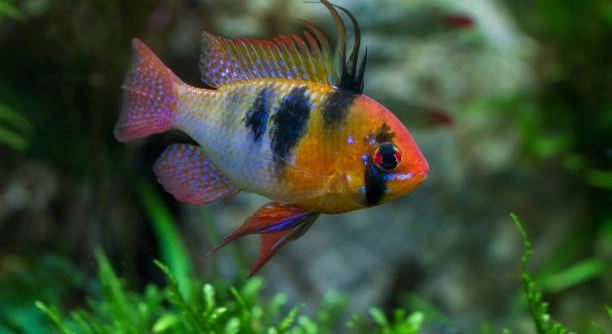
Convict cichlids are popular freshwater fish known for their striking patterns and lively behavior. Caring for them requires attention to their environment and habits, as subtle changes in behavior can indicate stress or illness in these resilient creatures.
Recognizing when a convict cichlid is unwell involves observing physical signs, changes in behavior, and feeding patterns. Common indicators include loss of appetite, unusual swimming, color fading, rapid gill movement, lethargy, fin damage, and hiding more than usual.
Identifying these signs early helps ensure your fish receives timely care and maintains a healthy, balanced life in its tank environment.
Loss of Appetite
When my convict cichlid stops eating, it is one of the first signs that something is off. Normally eager during feeding time, a sudden disinterest can indicate stress, illness, or water quality issues. I noticed that changes in temperature or a buildup of waste often trigger this behavior. Even a brief period of refusing food can affect their health, so it’s important to monitor carefully. Offering a variety of foods can sometimes help, but persistent refusal usually signals a deeper problem. Regular water testing and keeping the tank clean are crucial steps. Observing behavior over a few days helps determine whether the issue is temporary or requires intervention. Appetite is closely linked to overall health, and noticing changes early can prevent serious conditions. It’s also important to consider tank mates, as aggression or overcrowding can lead to food avoidance.
Loss of appetite can signal both physical and environmental stress factors affecting your fish’s health.
By keeping track of feeding patterns and maintaining optimal tank conditions, you can help your convict cichlid recover faster. Offering smaller portions and removing uneaten food ensures water quality remains stable, while watching interactions with other fish can prevent further stress. Consistency in temperature, light, and feeding routines often improves appetite, and monitoring closely allows for early detection of diseases like infections or parasites. Sometimes, a temporary appetite loss is harmless, but ongoing refusal should prompt investigation into water parameters, diet, or tank conditions.
Unusual Swimming Patterns
Unsteady swimming, darting, or swimming upside down often signals discomfort.
Convict cichlids rely on steady, coordinated movement to explore their tank and claim territories. When they start floating oddly, bumping into decorations, or swimming in circles, it usually reflects stress, injury, or illness. Observing swimming patterns closely can reveal gill problems, swim bladder issues, or water quality concerns. Environmental factors like temperature fluctuations, poor oxygenation, or sudden changes in lighting can also cause these behaviors. It helps to isolate the affected fish if aggression from tank mates is worsening the problem. Adjusting the environment and ensuring clean, well-aerated water often restores normal swimming. Sometimes, temporary erratic movement occurs after a new tank introduction, but persistent abnormal swimming demands careful attention. Documenting changes over time provides insight into whether the issue is progressing or stabilizing, which is critical for timely care.
Faded or Dull Colors
Color changes often reflect stress or illness in convict cichlids. A healthy fish usually shows vibrant stripes, but dull or faded colors can indicate poor water quality, nutritional deficiencies, or disease.
I noticed that when my cichlid’s colors faded, it often coincided with a recent water change or temperature drop. Consistent water parameters and a balanced diet usually restore brightness over time. Illnesses like parasites or bacterial infections can also dull colors, so observing behavior alongside appearance is important. Stress from aggressive tank mates or overcrowding contributes as well, so maintaining proper tank conditions is essential. Feeding high-quality food rich in nutrients helps recovery, and ensuring the tank is not overstocked prevents further stress. Monitoring changes daily allows quick intervention if the color fading persists, which can save the fish from more serious health issues.
Maintaining stable water conditions, a nutrient-rich diet, and monitoring interactions with other fish can help revive natural colors. Regular observation ensures that fading isn’t masking a more serious problem.
Rapid Gill Movement
Rapid gill movement can indicate poor water quality or low oxygen levels. It’s a visible sign that the fish is struggling to breathe normally.
I observed that when my convict cichlid’s gills moved quickly, it was often linked to high ammonia levels or overcrowding. Oxygen depletion or nitrite spikes can make the fish work harder to breathe. Rapid gill movement can also signal infections, parasites, or respiratory issues. Adjusting aeration, performing partial water changes, and checking filtration usually improves the situation. It’s important to monitor closely and act quickly, because prolonged oxygen stress can be fatal. Separating aggressive tank mates helps reduce stress that may worsen gill activity. Consistent water testing and observing other behaviors ensures the cause is identified and addressed promptly.
Ensuring proper tank aeration, maintaining water quality, and addressing potential infections are key steps in resolving rapid gill movement. Regular observation prevents escalation.
Lethargy
Lethargy is a common sign of stress or illness. When my convict cichlid stops exploring and spends most of the day resting, I know something is wrong.
Reduced activity often points to poor water conditions, illness, or nutritional deficiencies. Keeping the tank clean and stable usually helps restore energy.
Fin Damage
Fin tears or fraying can occur from aggression, rough tank decorations, or infections. Monitoring interactions and removing sharp objects helps prevent worsening damage.
Hiding More Than Usual
When a convict cichlid hides constantly, it signals discomfort or stress. Persistent hiding can result from illness, bullying, or environmental changes. Observing these patterns helps identify the underlying cause and ensures timely corrective measures.
FAQ
What causes a convict cichlid to stop eating?
Loss of appetite in convict cichlids can stem from water quality issues, temperature fluctuations, or stress from tank mates. When my fish refused food, I first checked ammonia and nitrite levels, then ensured there was no aggression. A varied diet often encourages feeding again, but persistent refusal may signal illness.
Why are my convict cichlid’s colors fading?
Faded or dull colors usually indicate stress, poor nutrition, or illness. I noticed my fish lost vibrancy when water parameters shifted. Providing a stable environment, nutrient-rich foods, and reducing overcrowding helps restore natural colors. Persistent fading should be evaluated for parasites or bacterial infections.
What does rapid gill movement mean?
Rapid gill movement is a sign of oxygen deprivation, high ammonia, or disease. In my tank, adding an air stone and performing partial water changes often helped. Monitoring filtration and ensuring proper aeration is essential, and separating aggressive tank mates can reduce stress contributing to this symptom.
How can I tell if my cichlid is lethargic?
Lethargy shows when a fish stops swimming actively or exploring the tank. My fish spent most of the day resting when stressed or unwell. Regular observation, water testing, and adjusting feeding routines can help the fish regain energy. Persistent inactivity should prompt further health checks.
Why is my convict cichlid hiding constantly?
Hiding more than usual signals discomfort, illness, or bullying. I noticed mine would retreat when water conditions fluctuated or tank mates were aggressive. Ensuring proper tank size, stable conditions, and reducing stress factors encourages more normal behavior.
What should I do about torn fins?
Fin damage often comes from aggression, sharp objects, or infections. I removed rough decorations and monitored interactions, while keeping the water clean. Infections can require treatment with mild antibacterial medications. Observing healing over time prevents worsening.
How can I improve my fish’s overall health?
Maintaining clean water, stable temperature, and proper aeration are key. I feed a balanced diet and monitor behavior daily. Reducing stress by avoiding overcrowding and aggression, along with regular health checks, ensures convict cichlids remain active and vibrant.
When should I consult a veterinarian?
If symptoms persist despite improving water quality and environment, a veterinarian can help identify diseases or parasites. I sought advice when my fish refused food for more than a few days or developed severe fin damage. Early intervention prevents serious illness and promotes recovery.
Can stress affect a convict cichlid’s behavior?
Yes, stress changes swimming patterns, appetite, and coloration. Aggressive tank mates, sudden environmental changes, or poor water quality often trigger stress. I observed calmer behavior after adjusting tank conditions and monitoring interactions closely. Reducing stress improves overall health and energy.
How often should I monitor water quality?
Frequent monitoring is essential. I test ammonia, nitrite, nitrate, and pH weekly, adjusting as needed. Stable water conditions prevent most health issues and support natural behavior. Quick response to changes ensures long-term well-being for convict cichlids.
What are common diseases in convict cichlids?
Bacterial infections, parasites, and swim bladder issues are common. Symptoms include fin rot, color fading, lethargy, and rapid gill movement. I learned that early detection and proper water management reduce severity. Medications may be necessary if natural remedies and environmental adjustments don’t work.
Can diet affect a convict cichlid’s health?
Yes, a poor diet weakens immunity and causes dull colors or low energy. I feed a mix of high-quality flakes, pellets, and occasional live or frozen foods. Balanced nutrition supports growth, coloration, and resistance to disease.
How do I reduce aggression in a tank?
Aggression causes stress, hiding, and fin damage. I provide ample hiding spots, maintain proper population density, and monitor territorial behavior. Separating overly aggressive fish and rearranging decorations often calms disputes and prevents injuries.
What signs indicate urgent health issues?
Rapid gill movement, extreme lethargy, persistent hiding, or refusal to eat are urgent. I act immediately by checking water quality, isolating affected fish, and seeking veterinary advice if symptoms persist. Early intervention increases recovery chances.
Is tank size important for convict cichlids?
Yes, insufficient space increases stress and aggression. I keep at least a 30-gallon tank for a pair and larger for multiple fish. Proper tank size allows swimming, hiding, and natural behavior, promoting overall health.
How can I prevent recurring health problems?
Consistent water maintenance, balanced diet, stress reduction, and monitoring behavior are essential. I keep logs of water tests and feeding patterns. Early detection of changes prevents serious illness, ensuring my convict cichlids stay healthy and active.
Can environmental changes affect my cichlid’s health?
Yes, sudden changes in temperature, lighting, or water chemistry cause stress and illness. I introduce changes gradually and observe responses. Maintaining stability supports immune function and natural behavior, preventing most common health problems.
What role does tank decoration play in fish health?
Sharp or overcrowded decorations can injure fins or increase stress. I choose smooth surfaces and provide hiding spots for security. Thoughtful decoration balances territory needs, reduces aggression, and contributes to a healthier, calmer tank environment.
How do I know if water quality is harming my fish?
Signs include rapid gill movement, lethargy, faded colors, and loss of appetite. I test ammonia, nitrite, nitrate, and pH regularly. Poor water quality is a leading cause of illness, so maintaining stability is critical to overall health.
What steps help a sick convict cichlid recover?
Isolation, clean water, balanced diet, and stress reduction are key. I treat infections when necessary and monitor closely. Consistent observation and environmental care promote recovery and prevent relapses, keeping the fish active and healthy.
Final Thoughts
Convict cichlids are hardy fish, but like any pet, they require consistent care to stay healthy. Observing their behavior and appearance is the first step in identifying problems. Subtle changes, such as reduced appetite, unusual swimming, or hiding more than usual, often signal stress or illness. Early detection allows for quick action, whether it is adjusting water parameters, improving tank conditions, or seeking advice from a professional. I have found that keeping a daily routine for feeding, checking water, and monitoring interactions between fish makes it easier to notice any unusual behavior before it becomes a serious problem. Even small adjustments, like maintaining a stable temperature or improving aeration, can significantly improve a convict cichlid’s health and overall well-being.
Maintaining clean water is one of the most important factors for a convict cichlid’s longevity. Ammonia, nitrite, and nitrate levels must be checked regularly, and partial water changes should be performed when necessary. A well-filtered tank prevents waste buildup, reducing stress and preventing common diseases. In addition to water quality, diet plays a key role in keeping these fish healthy. Feeding a balanced combination of high-quality flakes, pellets, and occasional live or frozen foods ensures they receive the necessary nutrients for strong immune systems, vibrant colors, and steady growth. Overfeeding should be avoided, as uneaten food can quickly pollute the water, creating additional stress for the fish. Observing how your fish respond to their diet and making adjustments as needed helps maintain both their energy levels and overall health.
Providing a comfortable and safe environment is equally important for the well-being of convict cichlids. Proper tank size, hiding spots, and carefully arranged decorations reduce aggression and stress while allowing natural behaviors to emerge. I have noticed that when tanks are overcrowded or lacking hiding spaces, my fish become more defensive, show duller colors, and sometimes stop eating. Even minor environmental changes, such as new lighting or rearranged decorations, should be introduced gradually to avoid unnecessary stress. Regular monitoring, attention to detail, and prompt intervention when issues arise create a stable environment where convict cichlids can thrive. Taking these steps ensures that your fish remain active, healthy, and visually vibrant, making it easier to enjoy their unique behaviors and maintain a well-balanced aquatic habitat.

Hello,
If you enjoy the content that we create, please consider saying a "Thank You!" by leaving a tip.
Every little bit helps us continue crafting quality advice that supports the health, happiness, and well-being of pets around the world, for pets of all shapes, sizes, and species.
We really appreciate the kindness and support that you show us!